🏈 The Day Television Met College Football—And Changed Forever
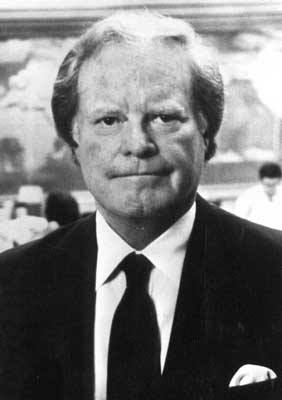
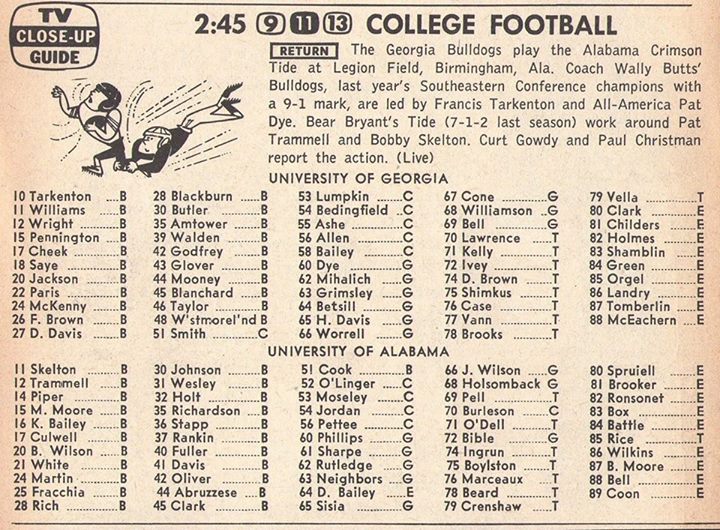
On September 17, 1960, a seismic shift occurred in the world of sports broadcasting. The Georgia Bulldogs, led by the dynamic quarterback Fran Tarkenton, faced off against Coach Bear Bryant’s formidable Alabama Crimson Tide at Legion Field in Birmingham. But this wasn’t just another game—it was the moment ABC, under the vision of a young Roone Arledge, redefined how America watched college football.
At just 29 years old, Arledge had a radical idea: television shouldn’t just show the game—it should bring viewers into the heart of it. Months before ABC secured the rights to broadcast NCAA games, Arledge sent his boss a memo packed with revolutionary production concepts. His insight? Sports fans didn’t just want scores—they wanted stories. And television could deliver them.
That afternoon, Arledge’s vision came alive. Viewers saw Bear Bryant’s steely focus before a critical play, Tarkenton’s youthful joy after a clutch first down, and the raw emotion of fans in the stands. The cameras didn’t just follow the ball—they captured the drama, the personalities, and the pulse of the crowd. Even cheerleaders became part of the spectacle, adding layers of excitement and energy.
Arledge also understood something few had considered: to grow the audience, broadcasts needed to appeal to women as well. His approach wasn’t just about sports—it was about storytelling, emotion, and connection.
With Curt Gowdy and Paul Christman in the booth, Arledge instructed them to highlight the evolving narrative—the clash of Bryant’s disciplined squad against Tarkenton’s individual brilliance. The result? A broadcast that felt alive, intimate, and unforgettable.
Though Georgia lost that day, Arledge won big. His gamble paid off, and ABC’s $6 million investment in college football rights suddenly looked like a stroke of genius. That single game marked the beginning of a new era—one where sports on TV became a shared national experience.
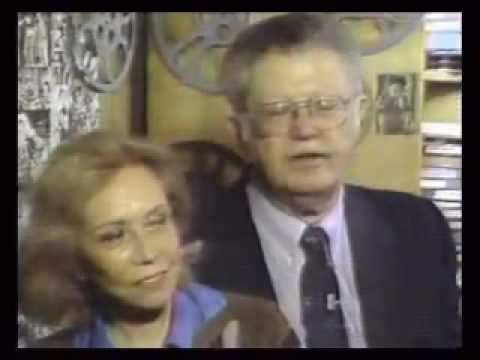
My boss when I was a producer on the 20/20 program. Wonderful working for him.
My brother would have loved this post. He was a longtime NBC sportscaster for KRIS TV in Corpus Christi Texas.
And. You have not worked in a truck unless you were at the console and the “Roone” phone rang. One phone was dedicated to Roone. When it rang the pucker factor went very high.
Just one of many creative achievements. He put ABC News on the map. Olympics. Wide World of Sports. Monday Night Football (and the trio in the booth often more interesting than the game). Only Don Hewitt is in the game league. That said, TV – even with Roone’s creativity and modern today’s technology – still doesn’t come close to the actual experience of being at a college football game, especially when it’s your college.
Arledge was a visionary in sports broadcasting. He knew what viewers wanted to see and hear; not just the game, but the STORY in the game. He told of the personalities that make up the game and got in closer than ever before. He changed the technology of sports broadcasting in ways we enjoy to this day. I wish there were more like him in television now, but that cannot be. Roone Arledge was one of a kind.
Paul Chrisman was a Missouri quarterback under Coach Don Faurot. Who would have known 56 years later his Mizzou Tigers and the Georgia Bulldogs would play in the same conference.