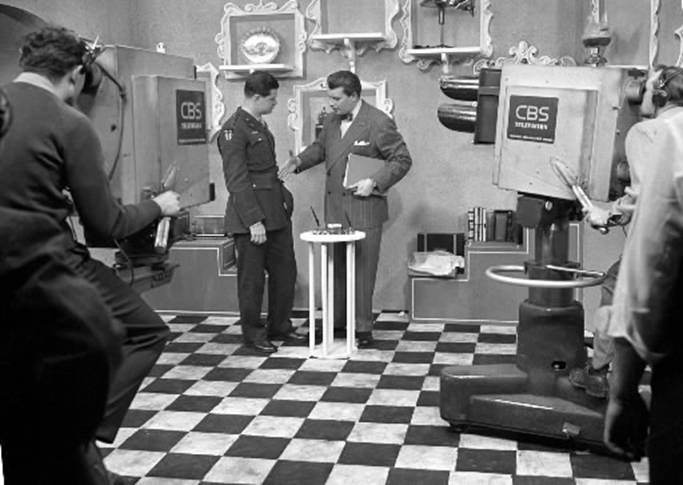
Television’s first real studio was RCA’s Studio 3H inside NBC. Operating in secret, for the first year of 1935, RCA had built 3 studio style Iconoscope cameras for 3H, and only 3, but in 1939, they built 3 more for CBS, for use on W2XAB.
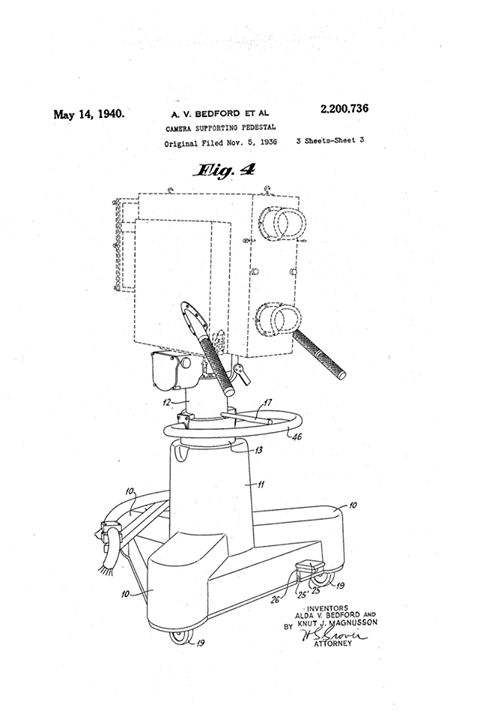
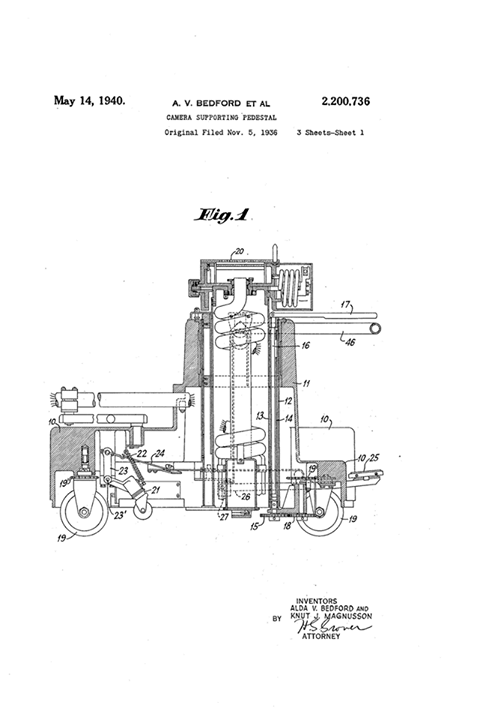
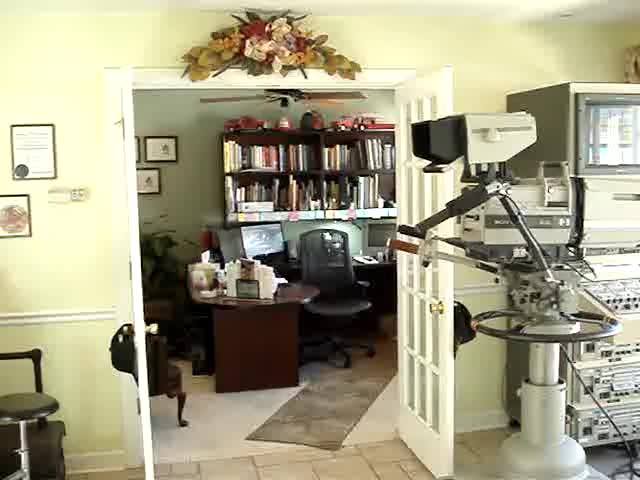
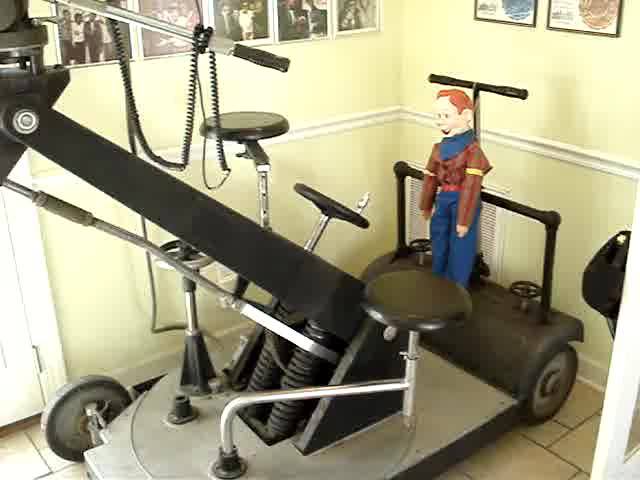
Also in 1935, RCA was approached by Alda Bedford and Knut Gnusson, who had built a new camera support system they called a pedestal. Amazingly, the up and down movement of the center column was operated by an electric motor and was quite smooth. It was not until 1959, with the Houston Fearless TD 9, that the electronic lift was seen again in any US pedestal.
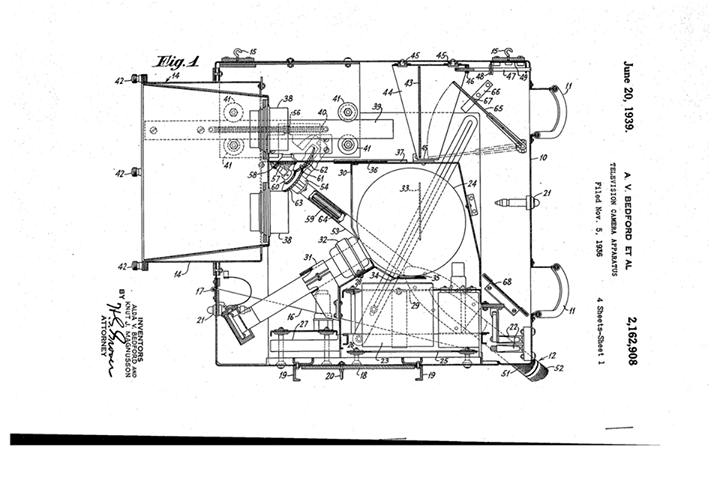
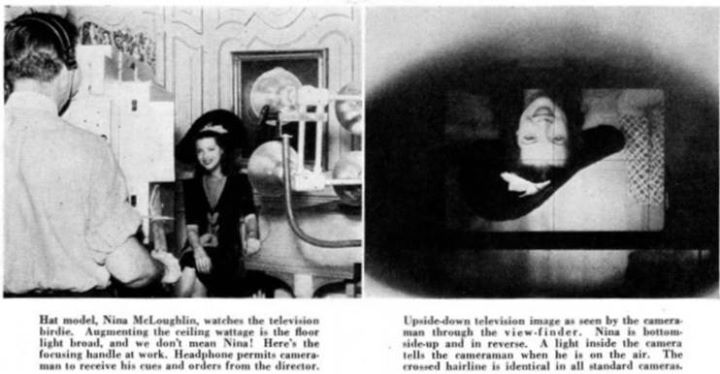
Along with the patent images of the pedestal, I have included the RCA patent image for the inside of these first studio style Iconoscope cameras. As I have mentioned here before, the viewfinder showed only an optical image on ground glass, and to the great frustration of those early cameramen, the image was upside down, and backward. If one of those cameramen offered me a ride home, and I had to give him directions to get there, I think I would have taken the subway. -Bobby Ellerbee
your site is an unending source of fascinating stuff. Thanks Bobby.
Thanks for reposting!
Once I had to operate with an image that was upside down and backwards (something broke) and it is NOT easy. I can’t imagine doing it day after day. Bobby thank you for all this cool TV history.
That answers a question I have always had about whether or not the cameraman had to deal with an upside-down view. That must have been awful.
I can remember “Houston Farful” heads on our 1970’s GE 250/350 cameras at KTUL…
The camera operators used to have “target practice” sessions. A model would be hired to walk around a set, and they’d practice keeping her framed in the viewfinder.
Thanks for this Bob!