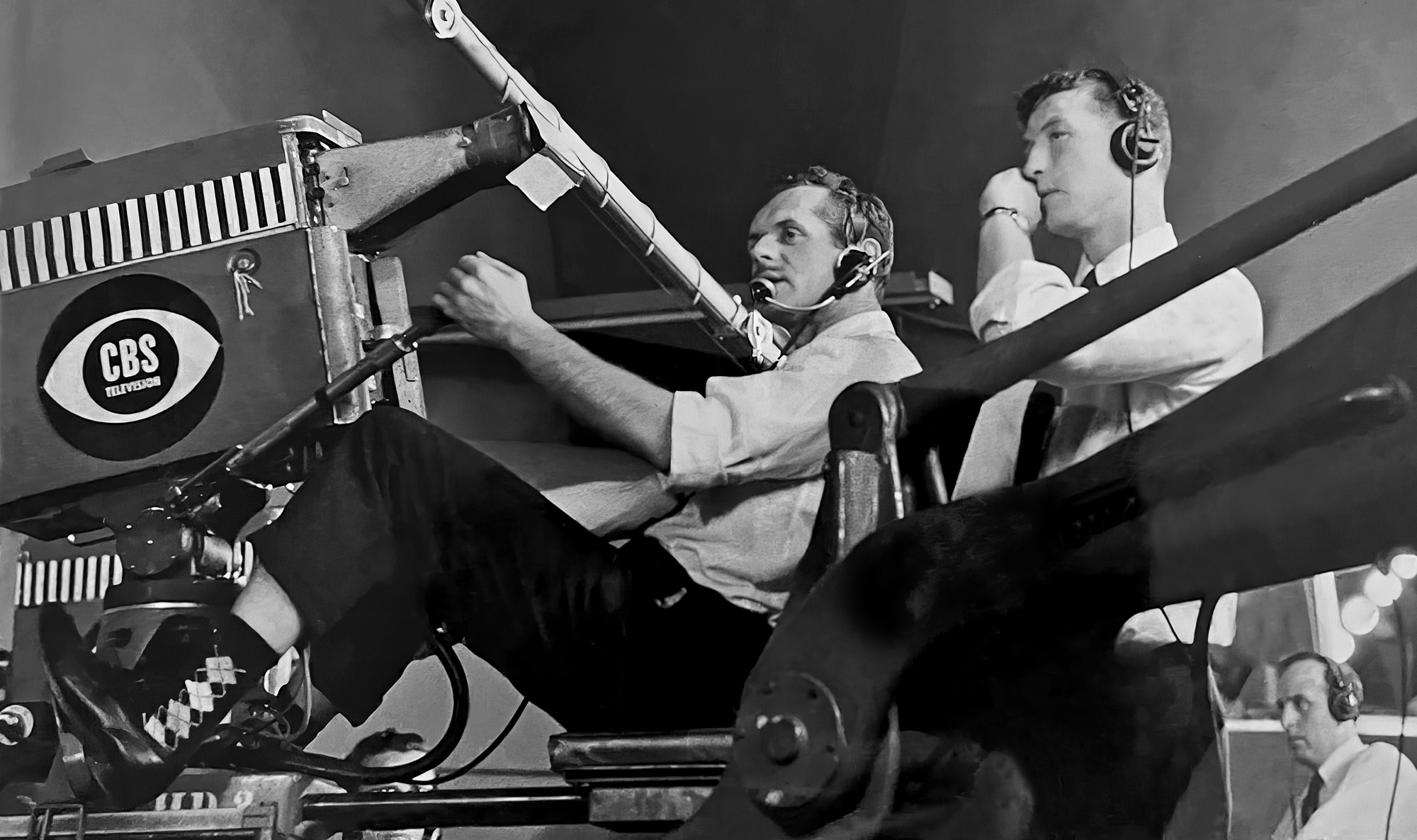
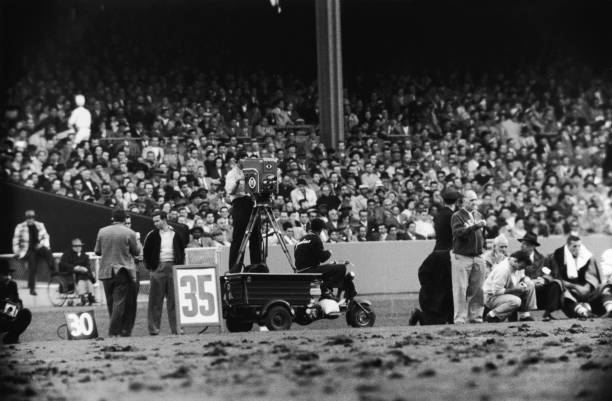
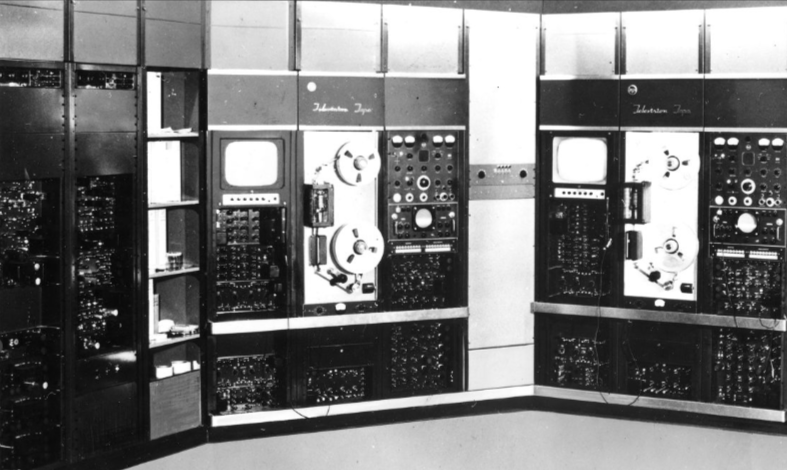
In 1953, RCA submitted 700 pages of documentation to the FCC as a “Petition For Approval of Color Standards for RCA Color Television System.” Due to the bright red cover, it is generally referred to as “The Red Book,” and every detail you could possibly want to know about RCA’s color system is included. I have extracted two segments of the original to make it easier to get to the information that we are most interested in…the equipment and the history.
This is The Equipment part, with 74 pages of detail on everything from the cameras to the new color mobile unit. At the very end of this section, there is even a price list for each stage of going color. The presentation of this rare document would not be possible without the help of our friend David Gleason and his one of a kind resource site, http://www.americanradiohistory.com/ The full 700 page presentation is at this link: http://www.americanradiohistory.com/Archive-Catalogs/RCA/RCA-FCC-Color-Proposal-1953.pdf
The Day a Colorful World, Turned Crystal Clear – October 29, 1998, The First Coast to Coast HDTV Network Telecast, as seen at KTLA
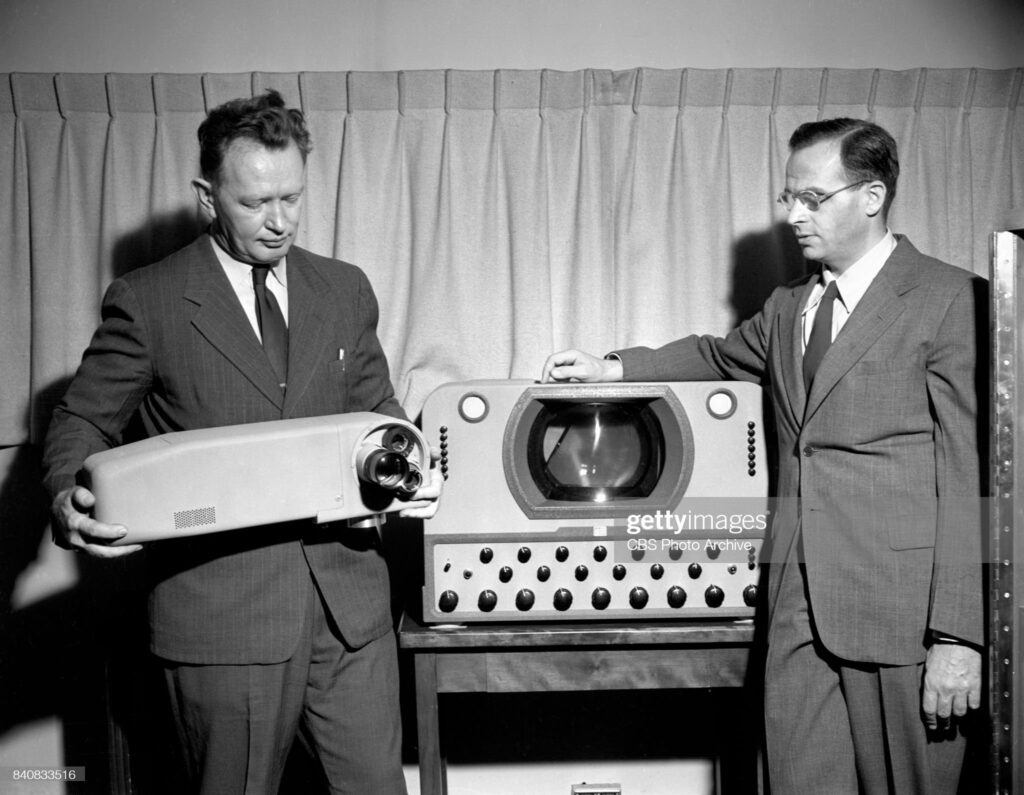
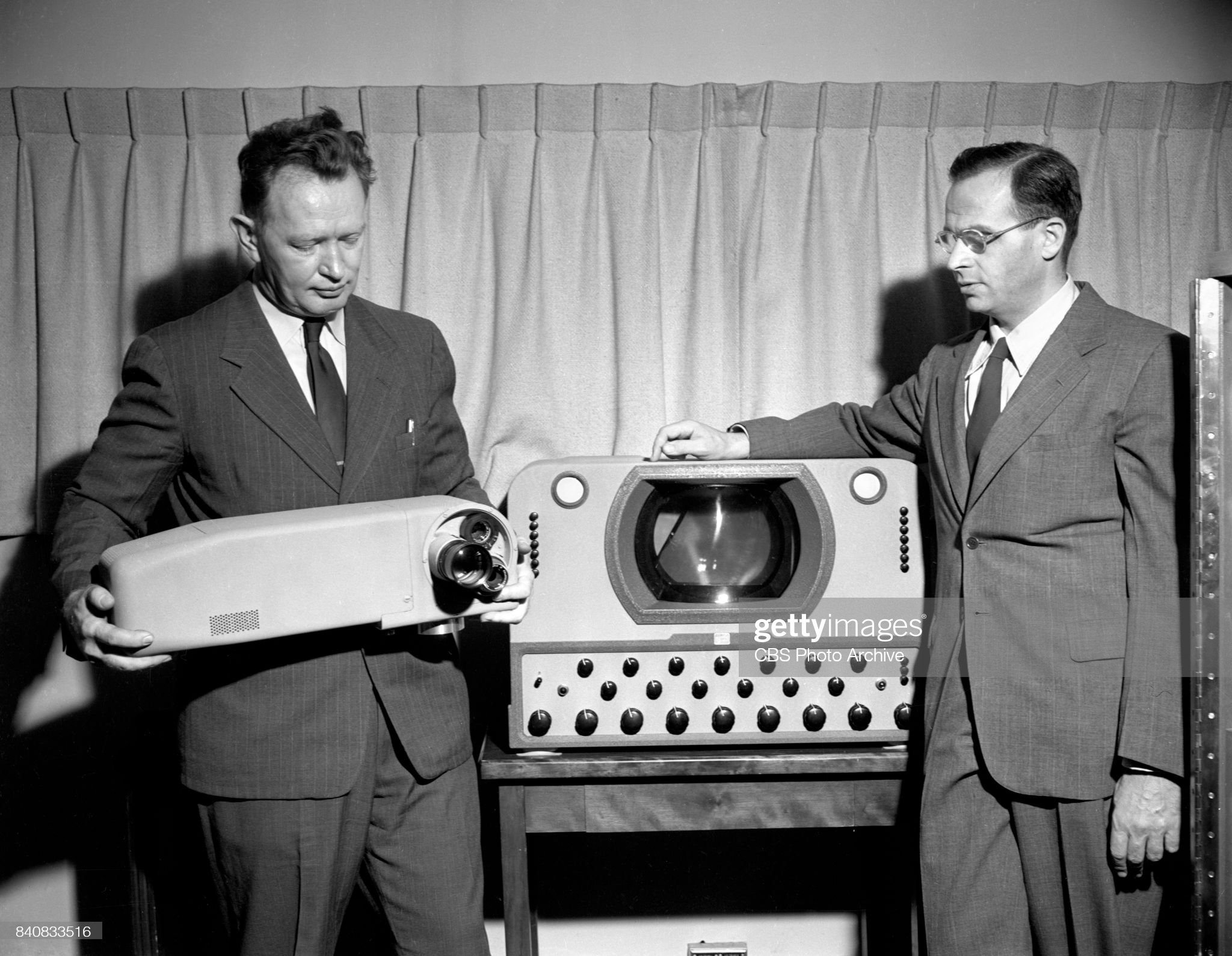
CBS Field-Sequential Camera and Receiver Development
RCA Labs Simultaneous and Dot Sequential Color System Development, (detailed)
RCA Labs Developmental Color Television Receivers, (detailed)
CTI Line-Sequential Color System
The 1949-1950 FCC Hearings on Color Television
The Progress of the National Television System Committee (NTSC), (detailed)
Color CRT Development – RCA, CBS Colortron, Philco Apple, GE Focus Grill, Lawrence Chromatron
Early NBC Color Kinescope Recording
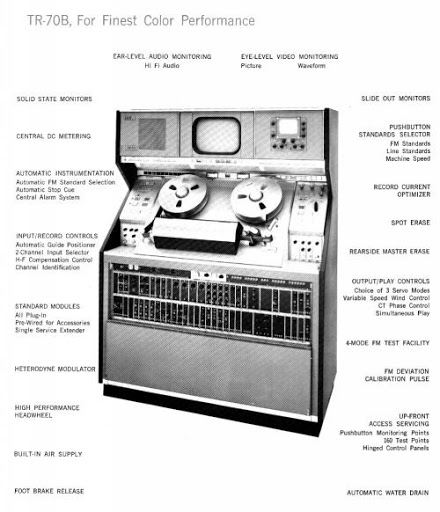
RCA’s Pioneering Development of Color Video Tape Recording
Restoring the Earliest Surviving Color Video Tapes – “An Evening with Fred Astaire ” (October 17, 1958) and Eisenhower’s Dedication of WRC-TV, Washington (May 22, 1958)
Preserving the History of Television at UCLA – The Collection of Television Technology and Design (- a reprint of my IEEE paper)
All text within this site is Copyright 1997-2002, 2004-2006 by E.H. Reitan, Jr.
All logos and photographs herein are trademarked/copyrighted with their respective corporations/owners, and are used herein for demonstration purposes only.
This site is maintained by Ed Reitan. This site is work in progress and an excerpted version of what was planned as a future paper book version. The book was to have extensive full-color photographs and technical information on each topic.
However, I have had no great number of publishers offering large $$$ advances breaking down my door. Instead, I may offer a CDROM which has the additional coverage and hi-resolution photos. I would like your opinions of the interest in such an approach. Please contact the author at the email address above.
V3.21 01-30-2007
At this link Ed Reitan you’ll be able to understand what Ed was about and the amazing things this engineering wizard was not only able to document as a historian but his efforts in restoration are Emmy Award winning! Ed passed in 2015, but his brilliant contributions to broadcast history live on! Many thanks to our friends at Early Television for their continued cooperation in curating and archiving the important details of television’s progress.
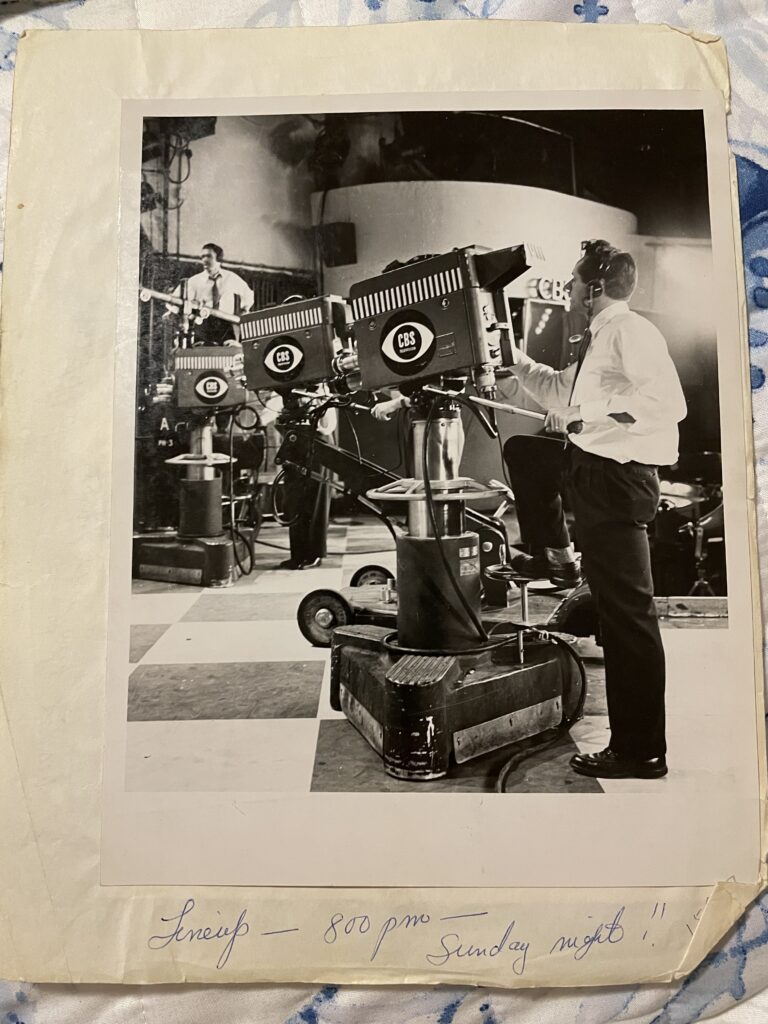
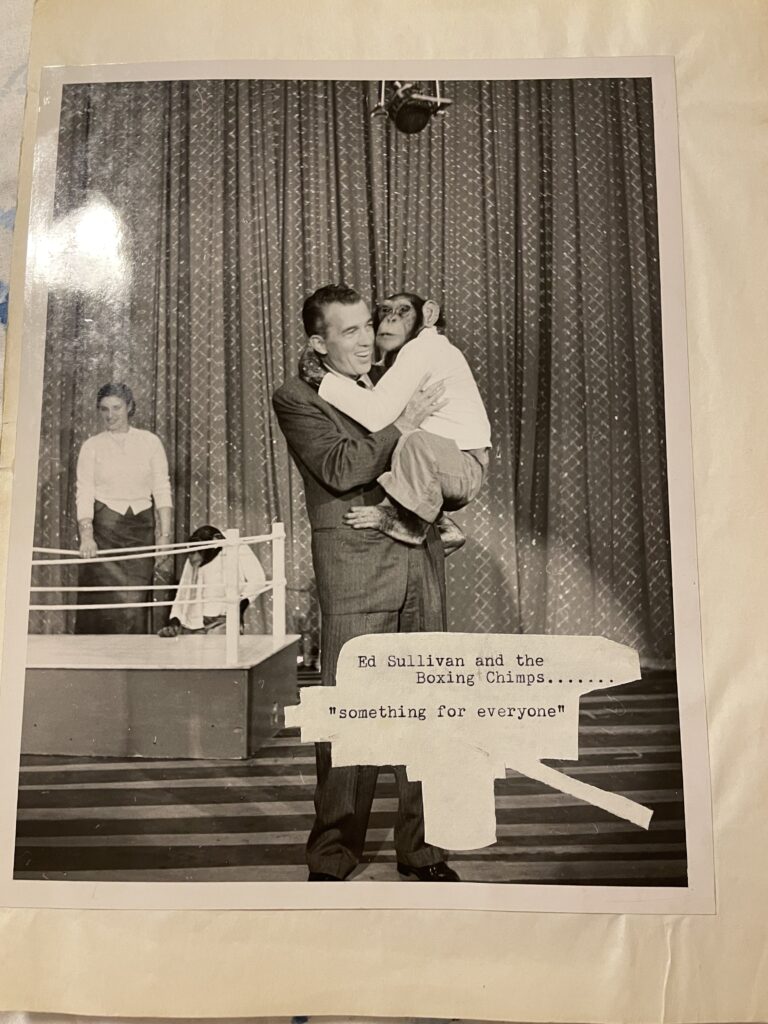
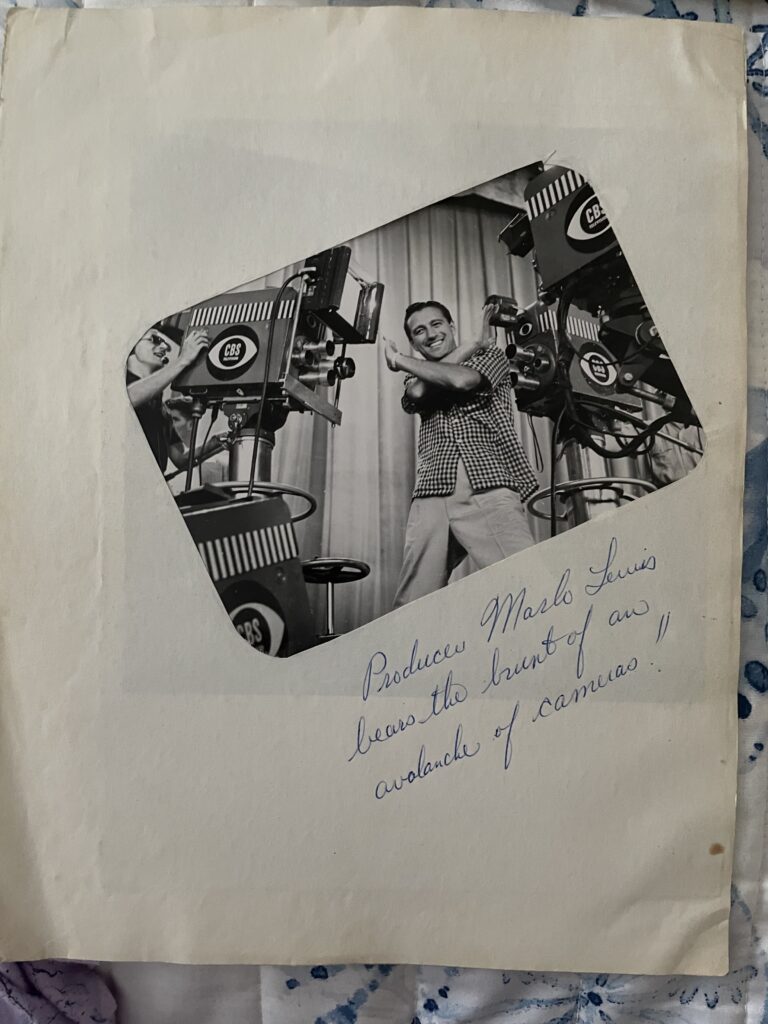
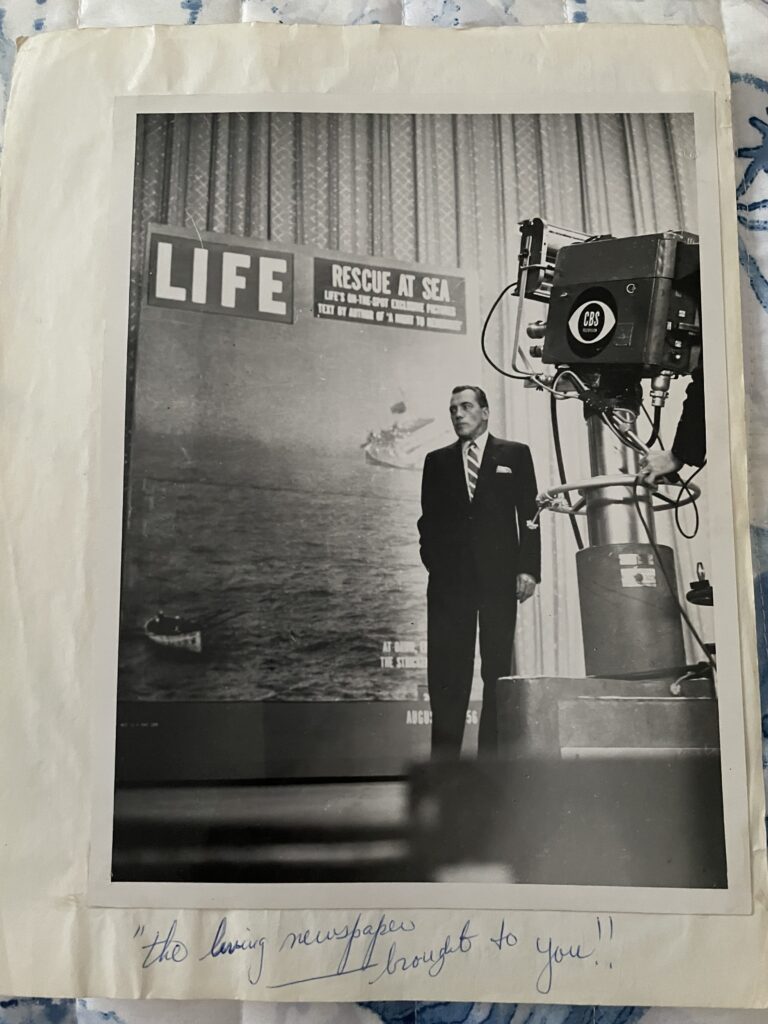
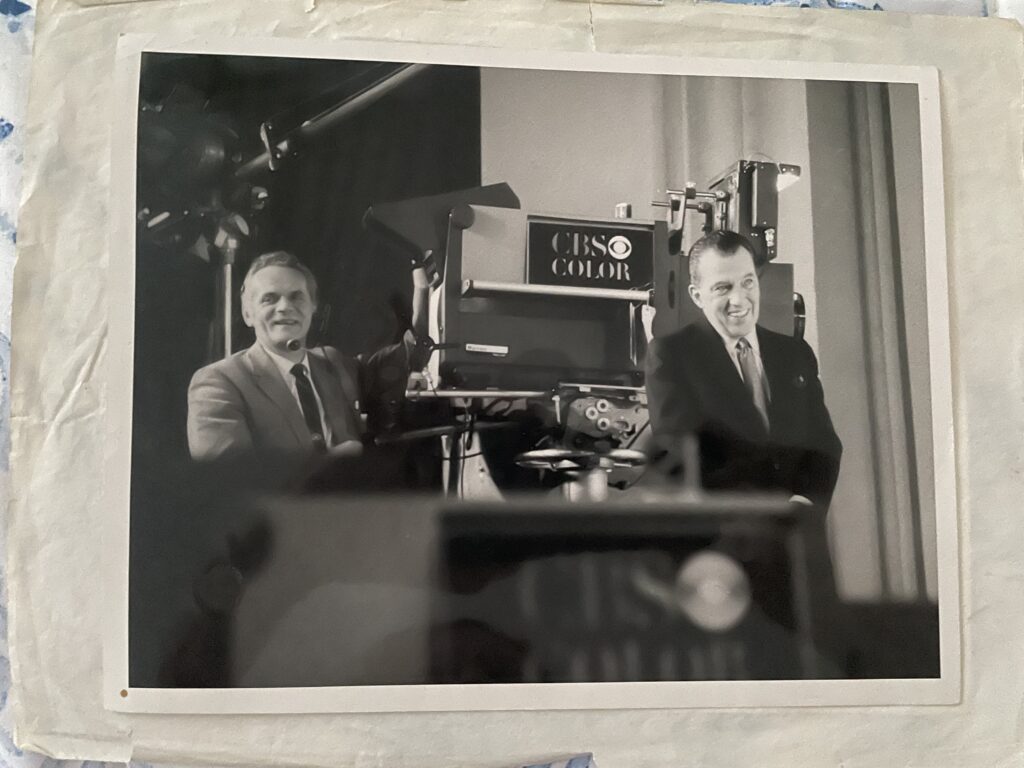
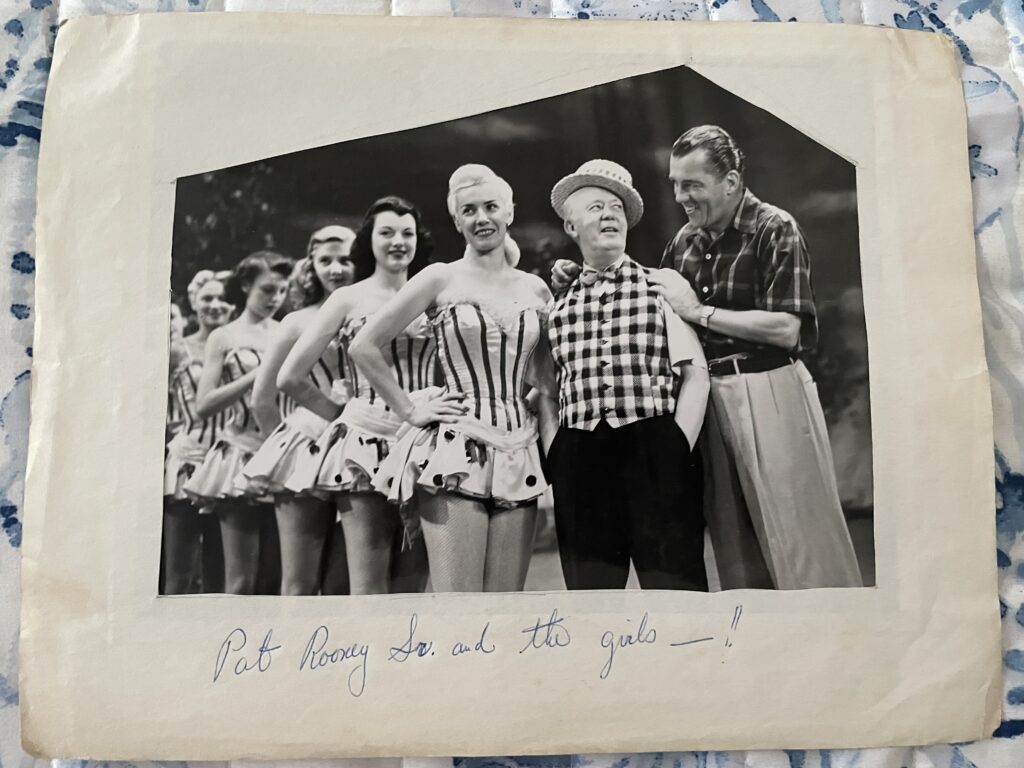
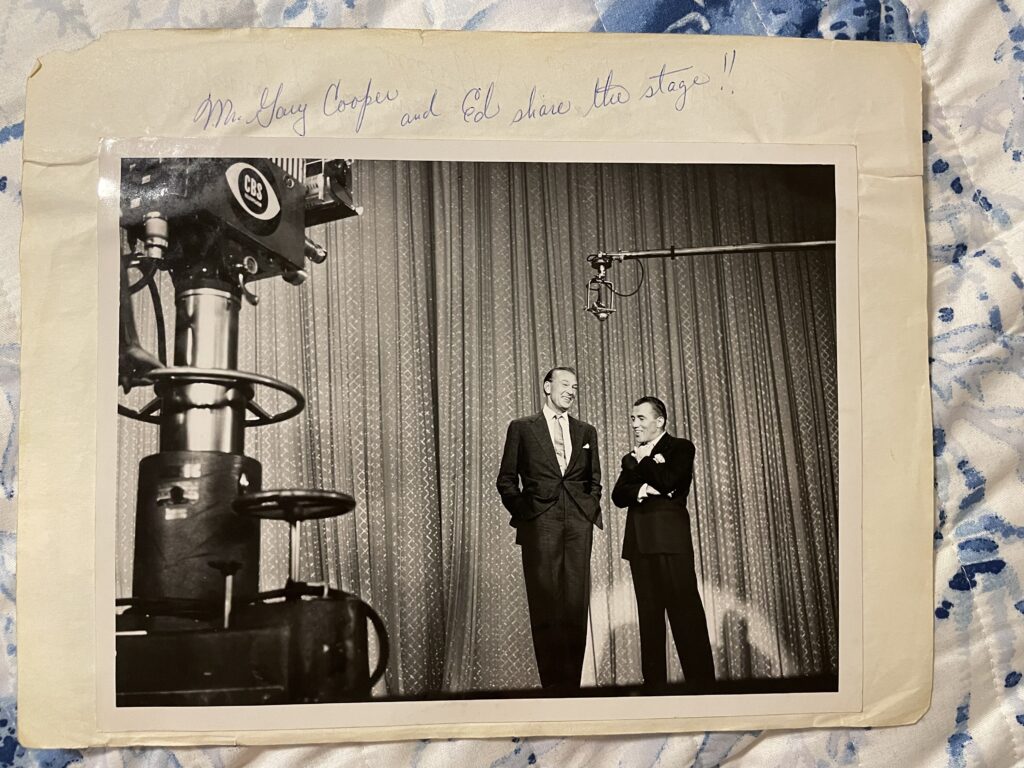
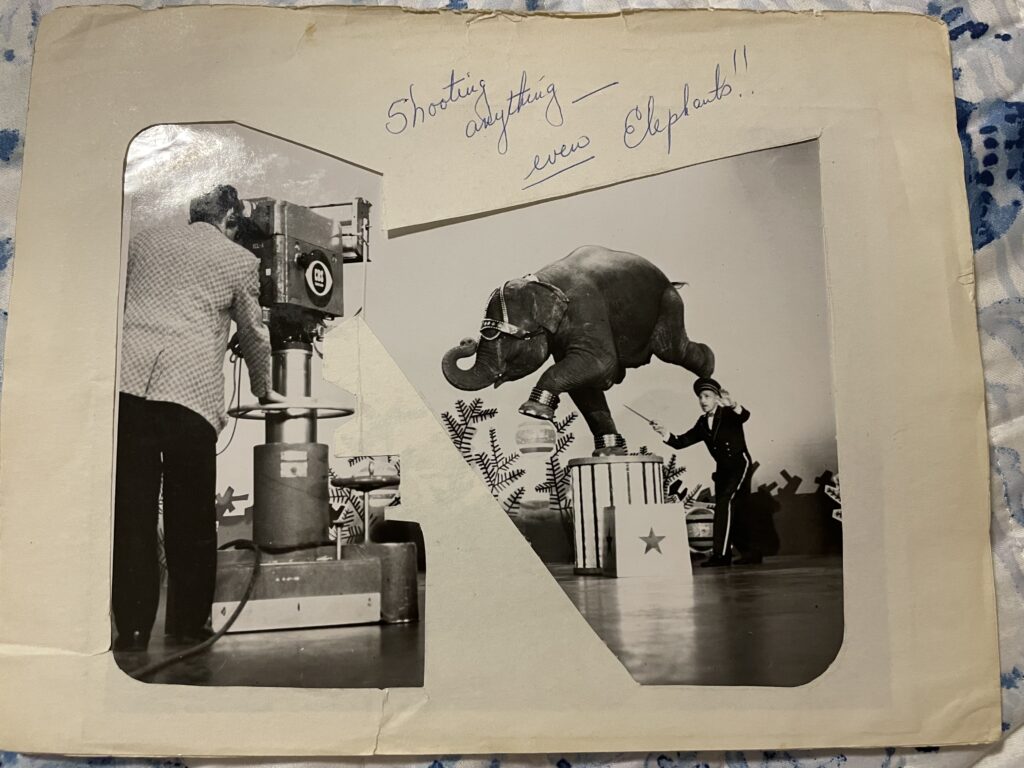
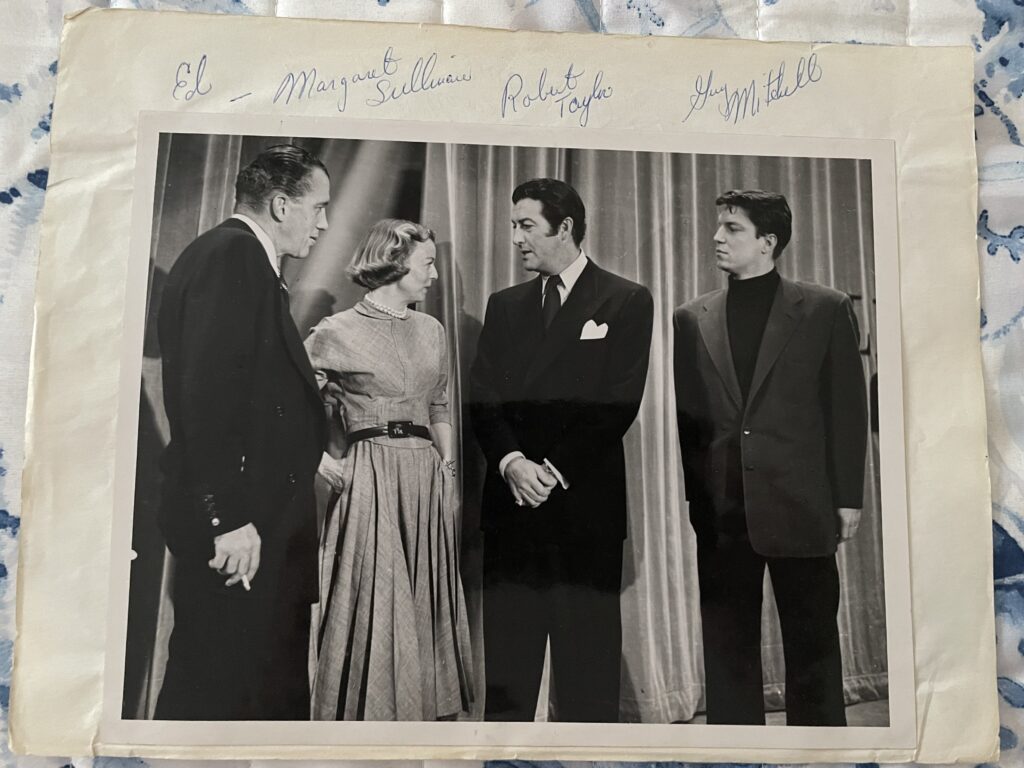
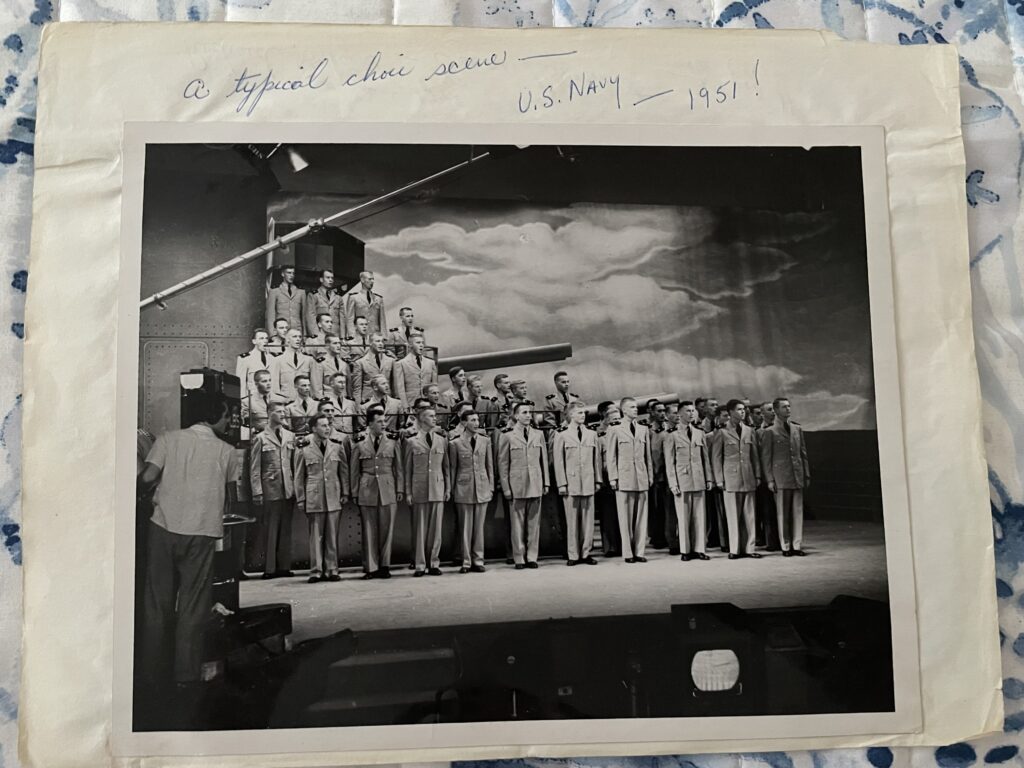
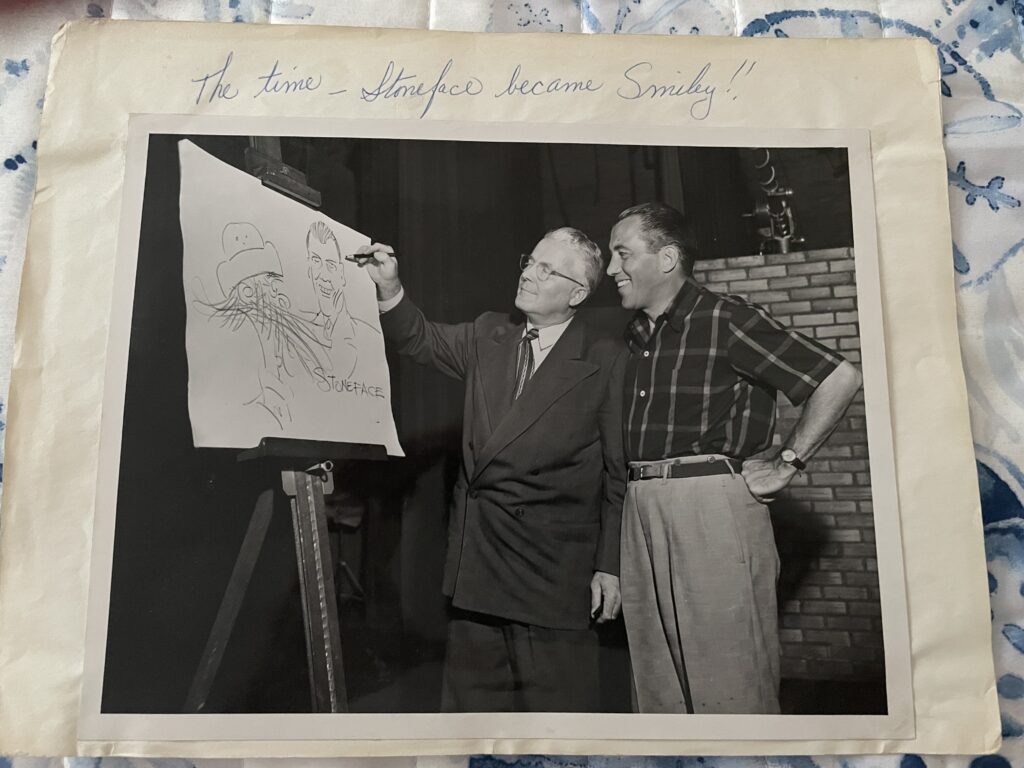
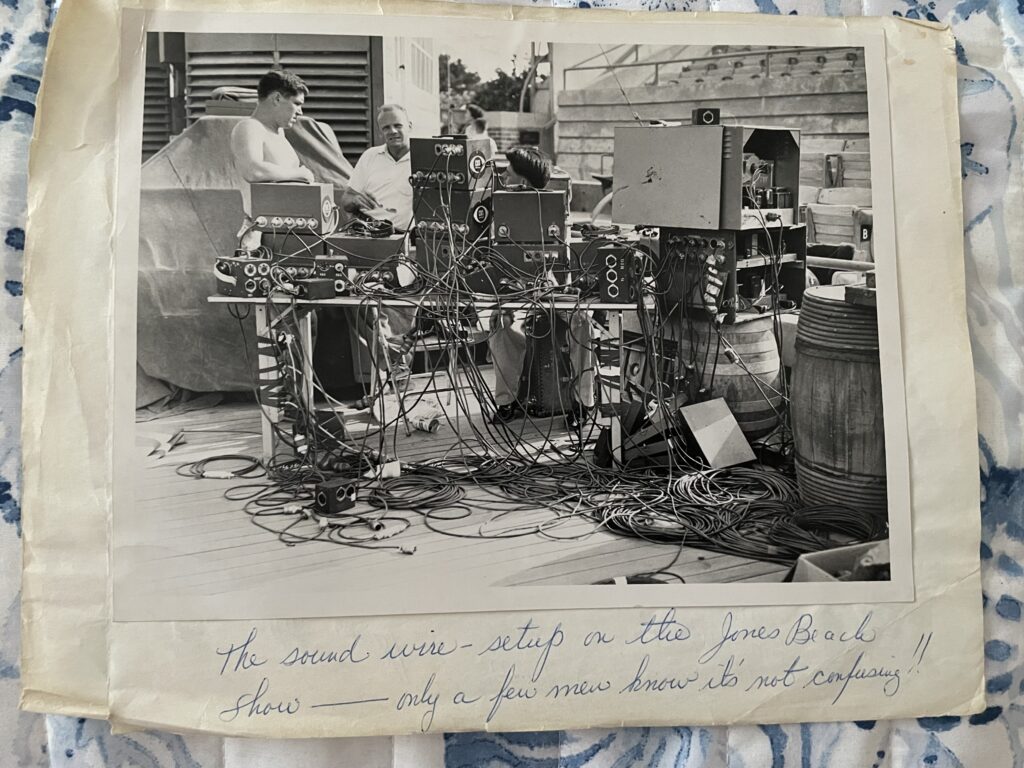
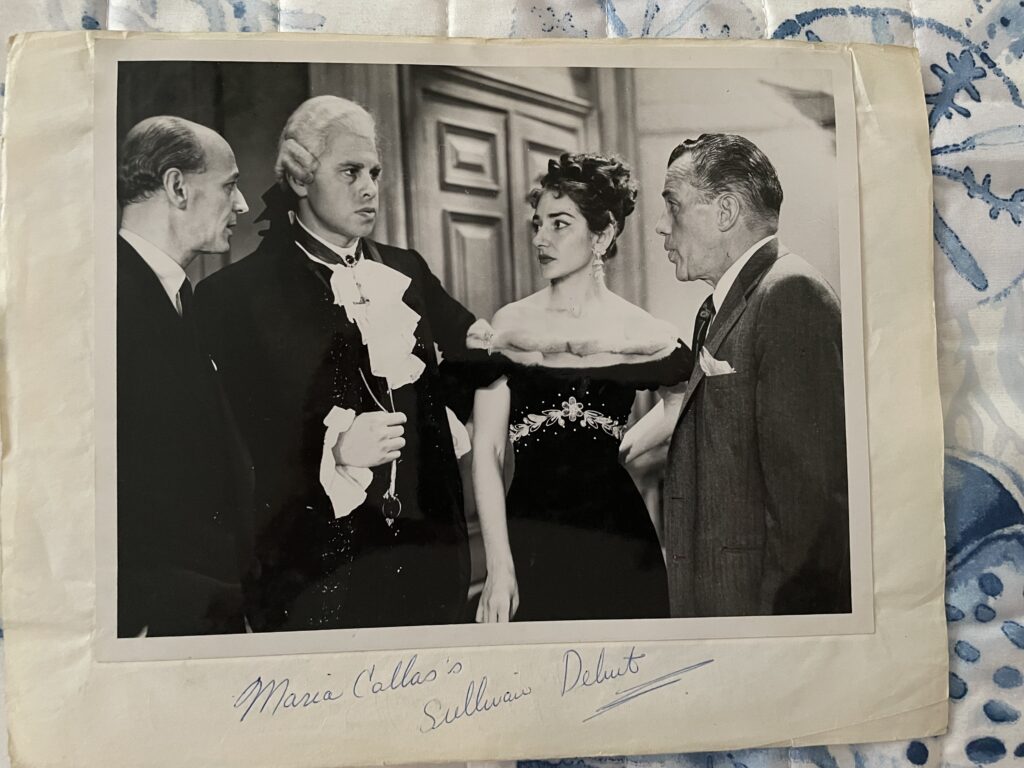
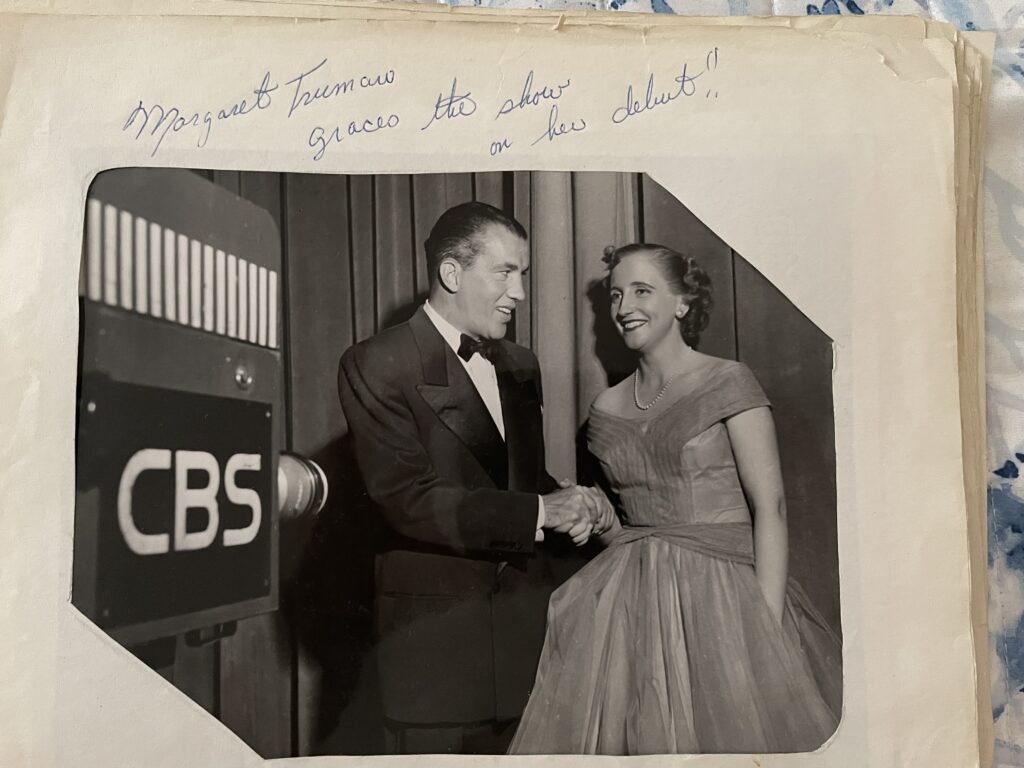
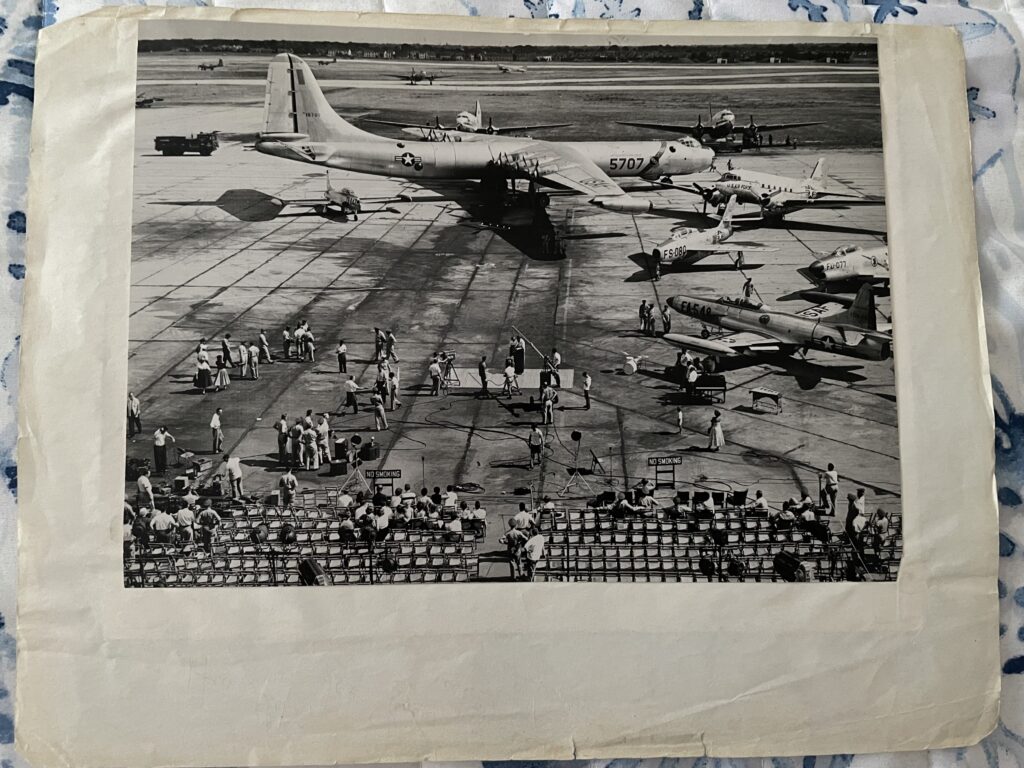
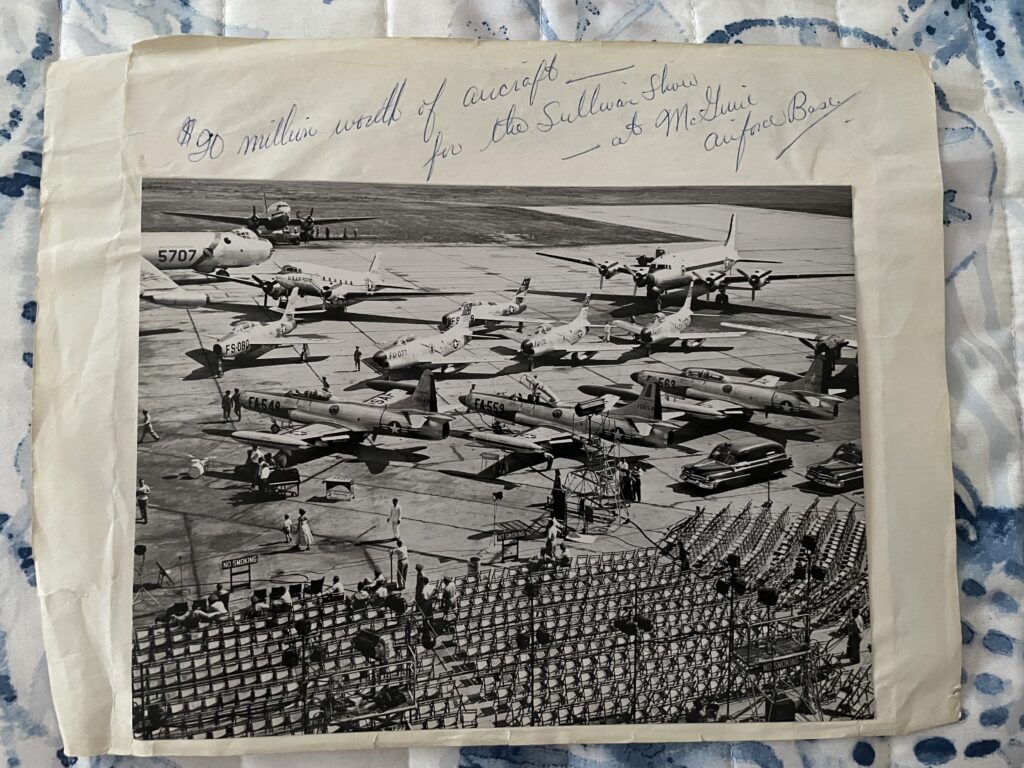
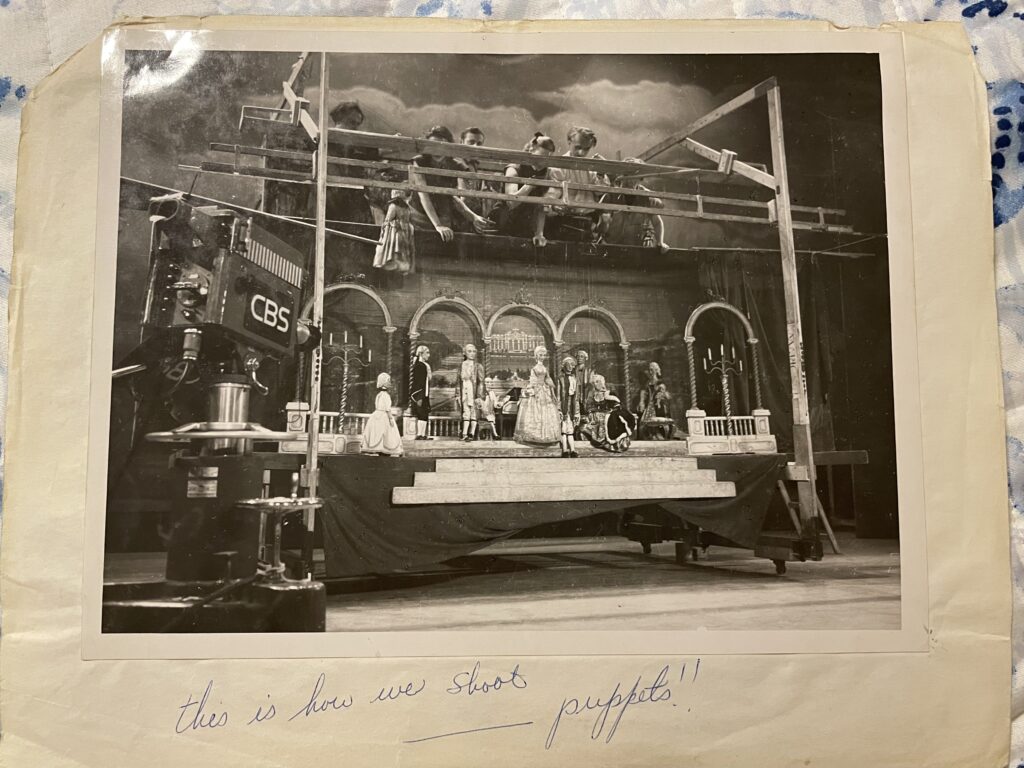
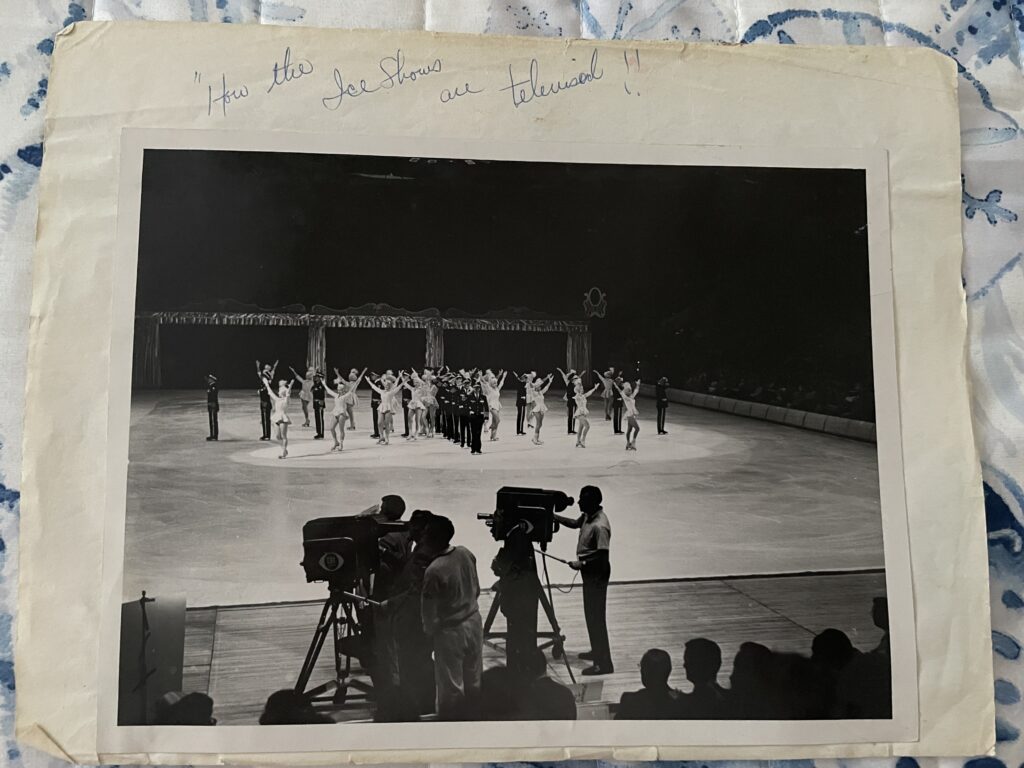
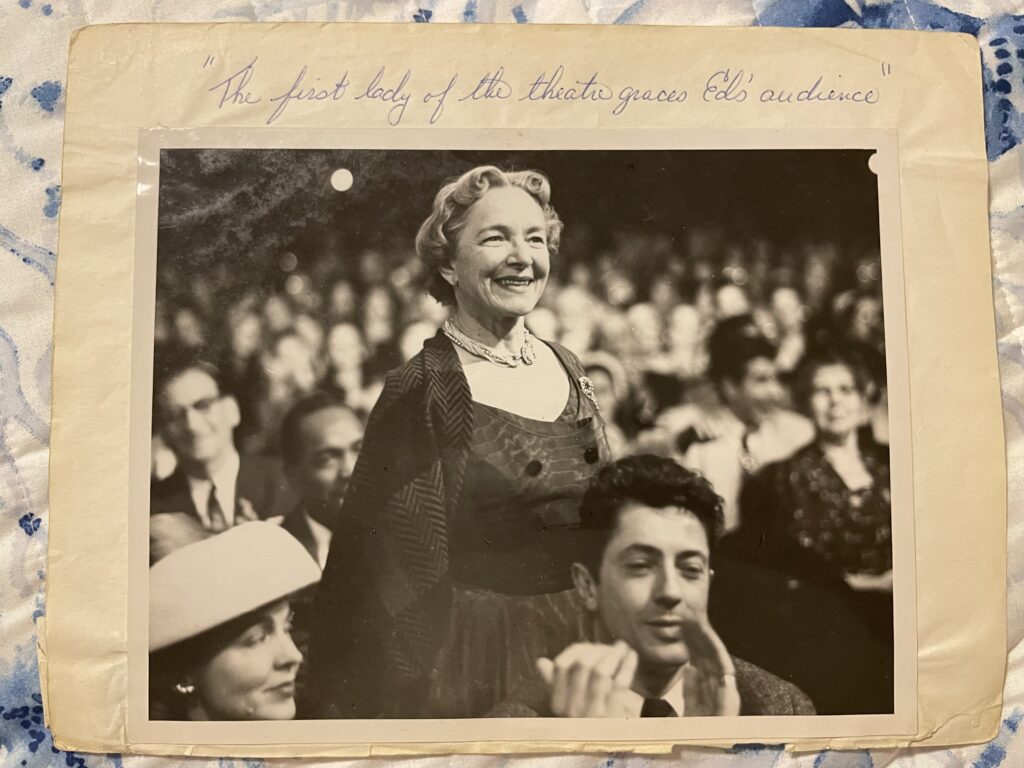
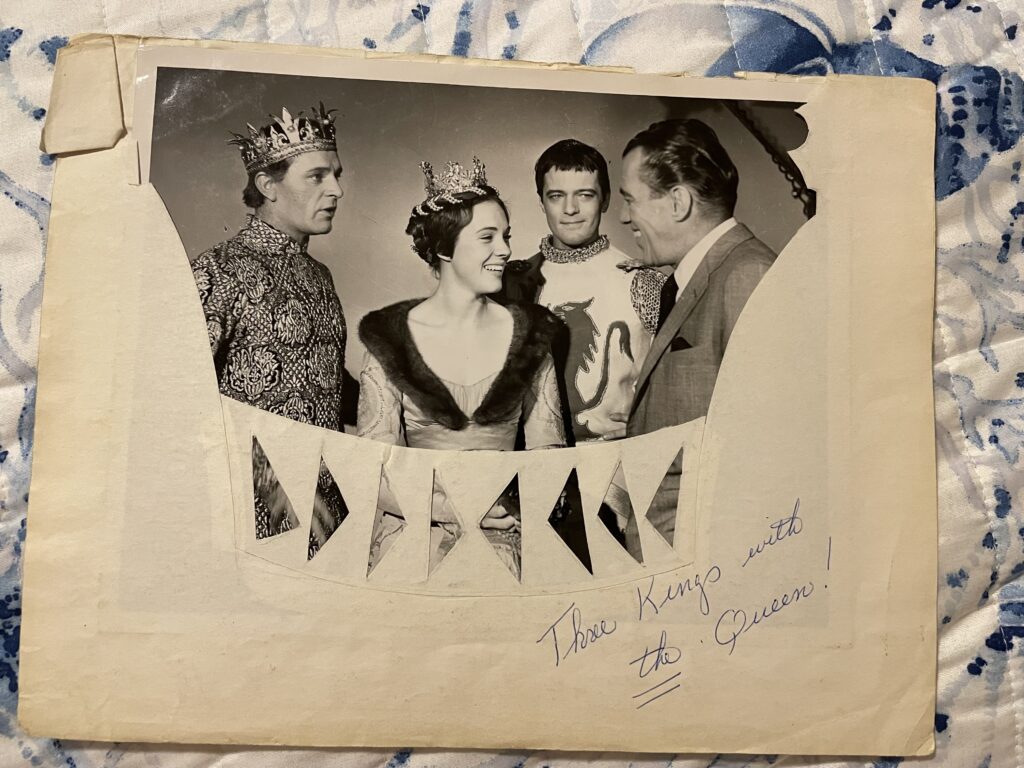
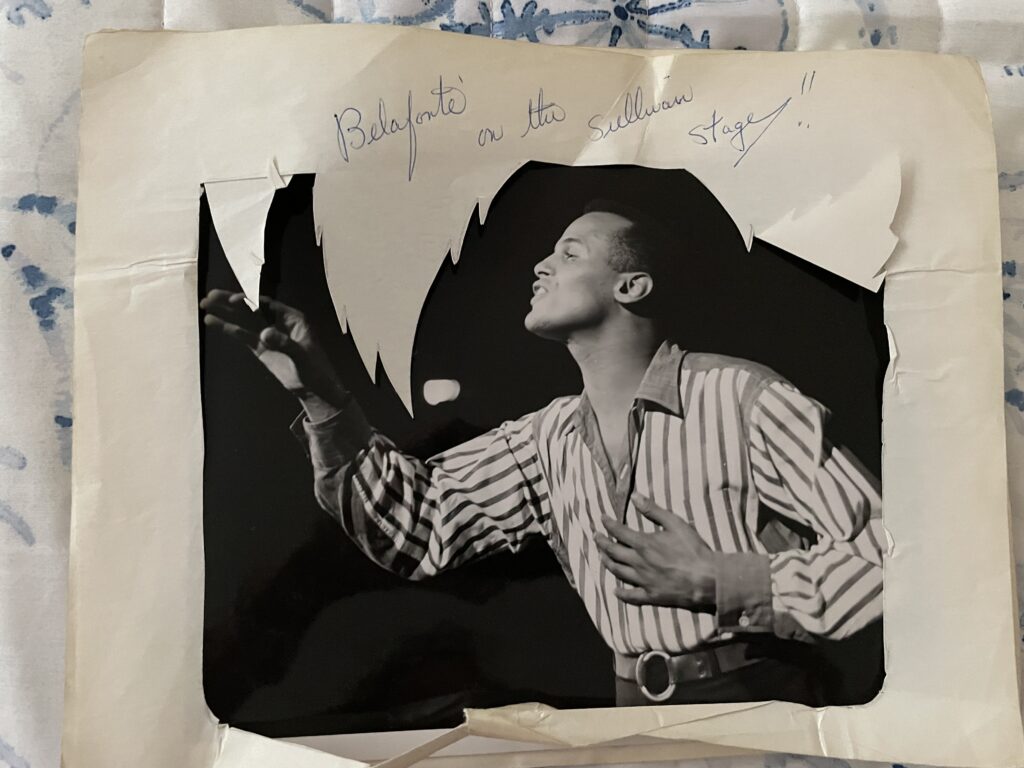
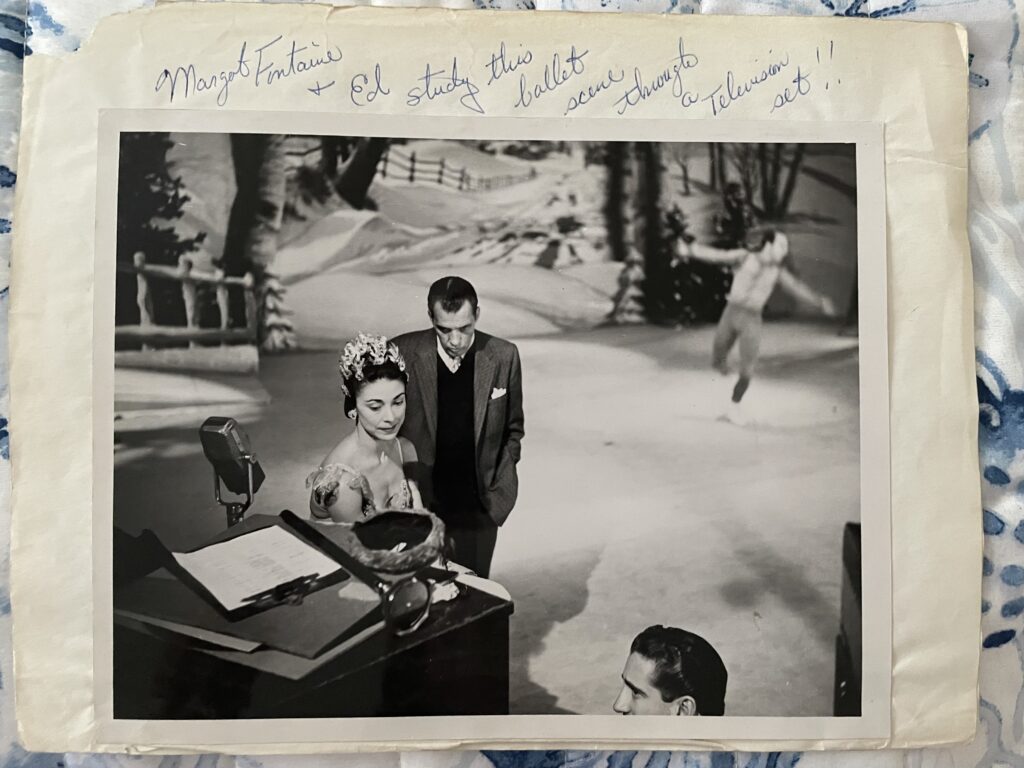
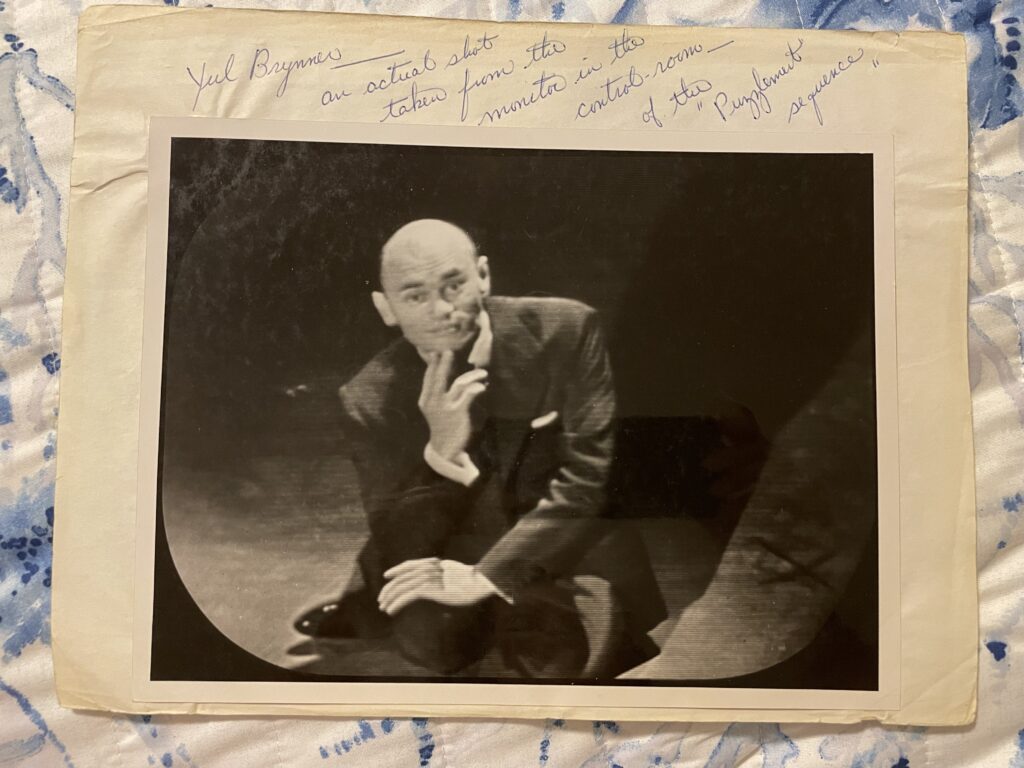
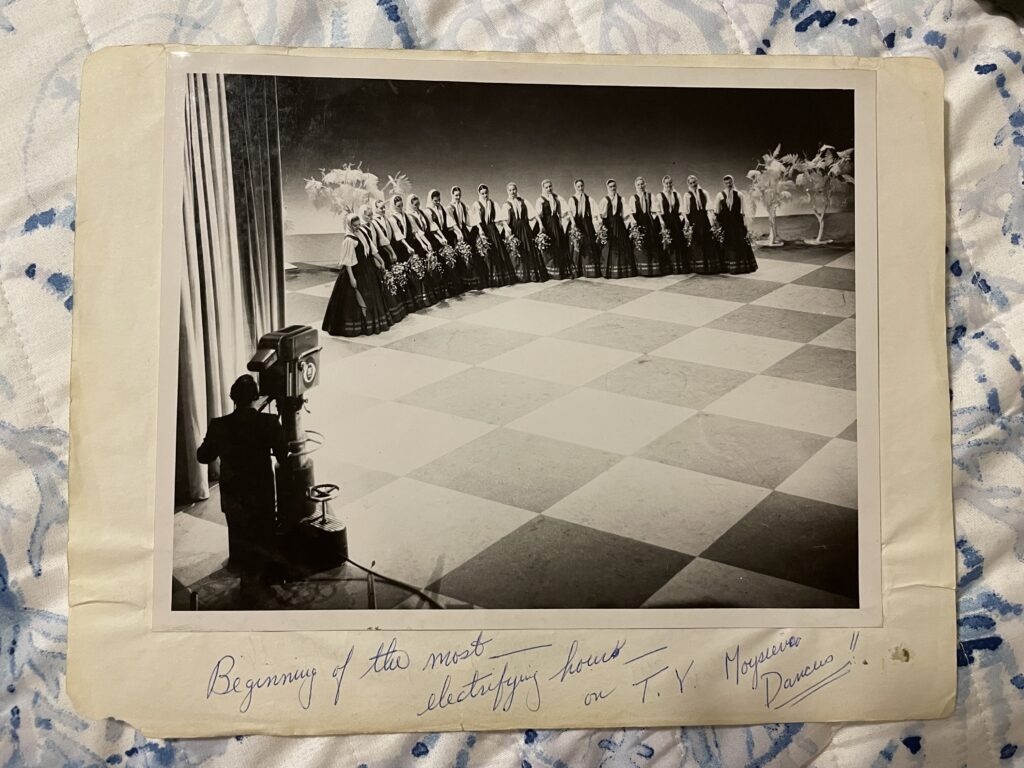
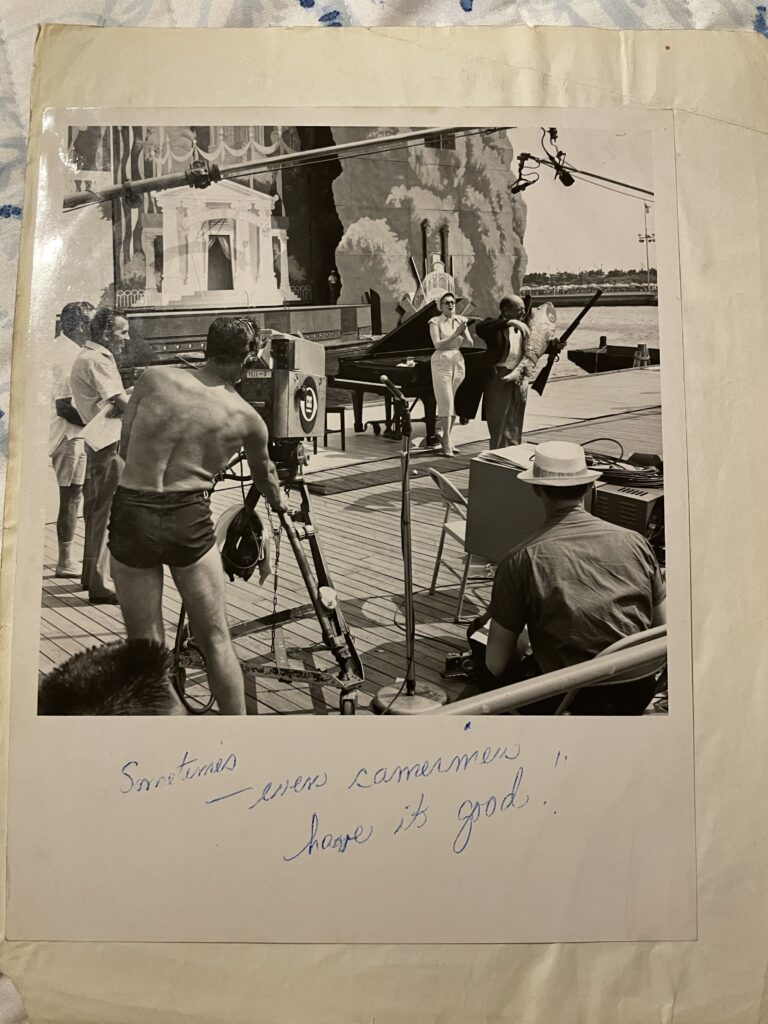
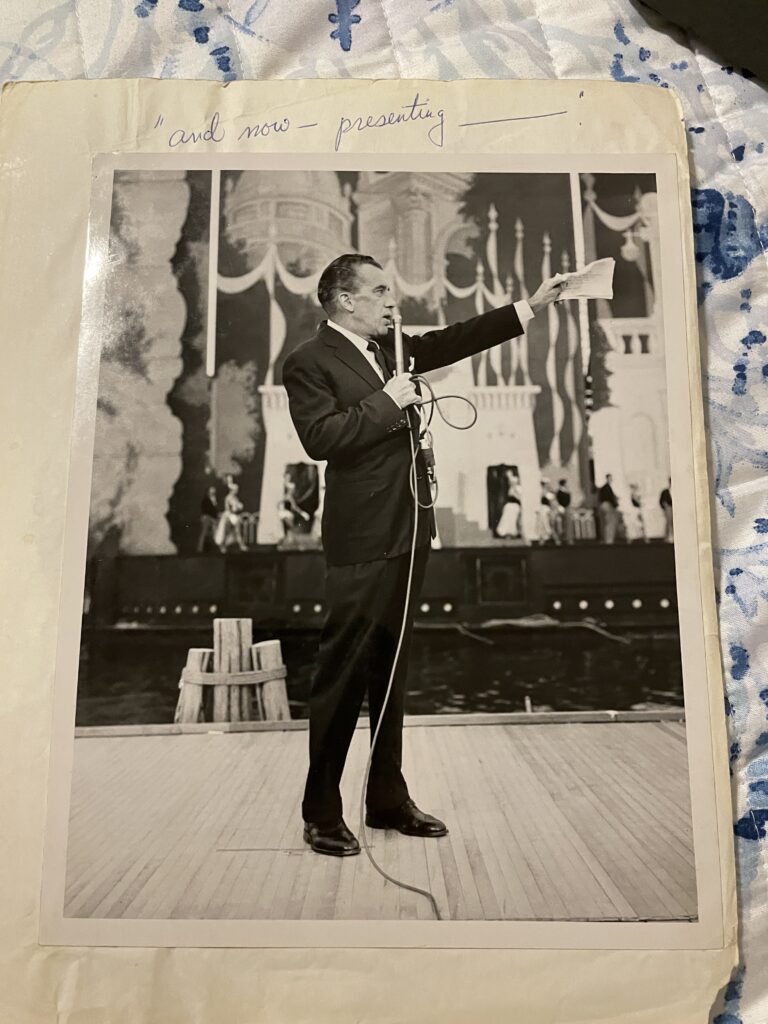
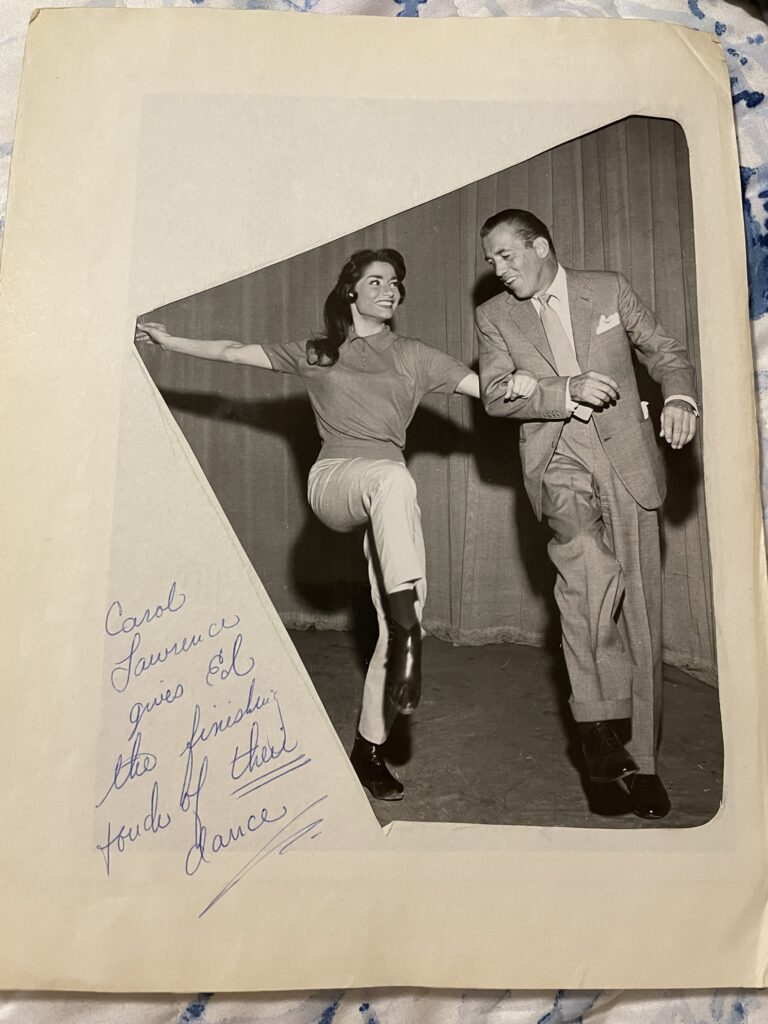
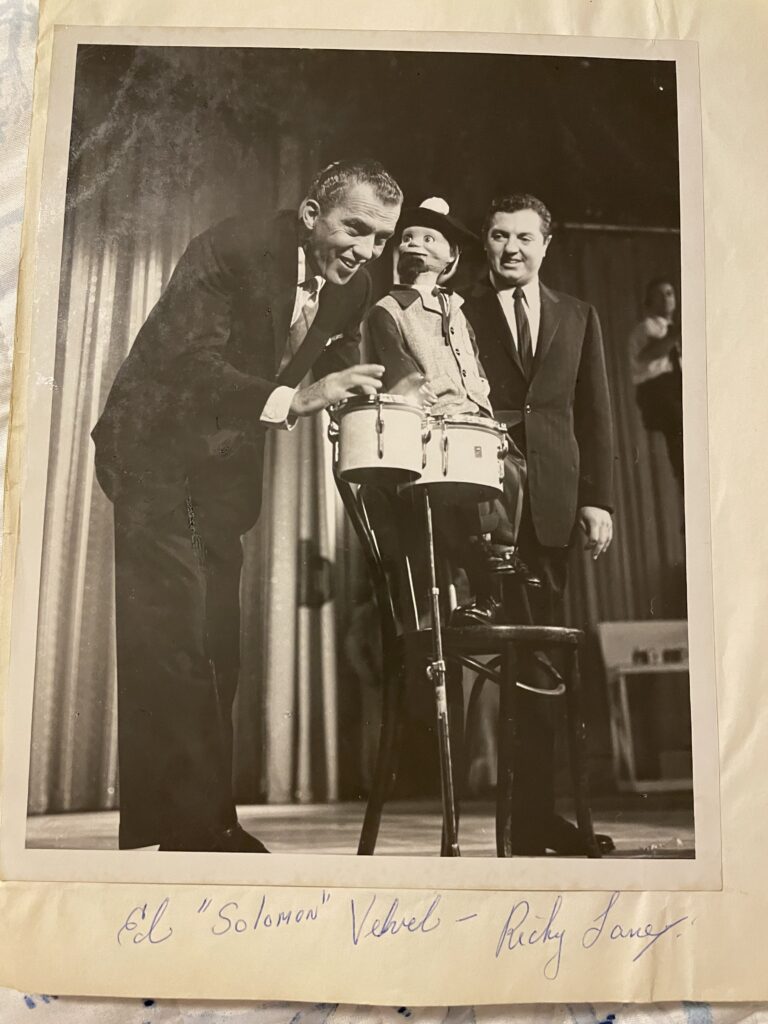
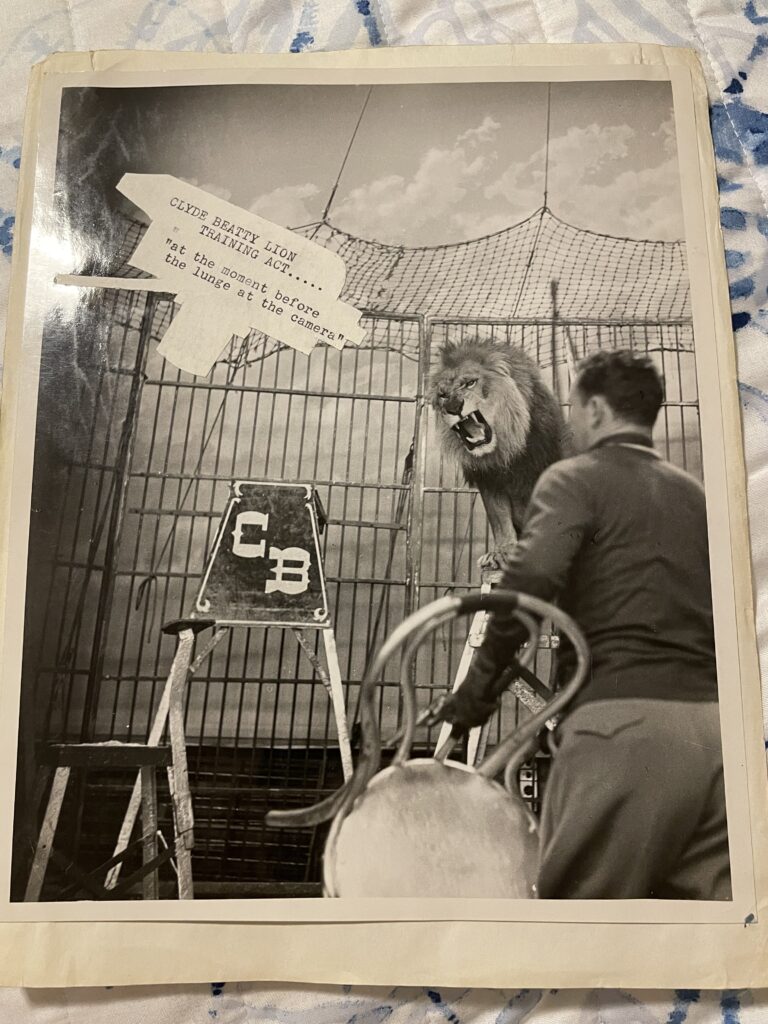
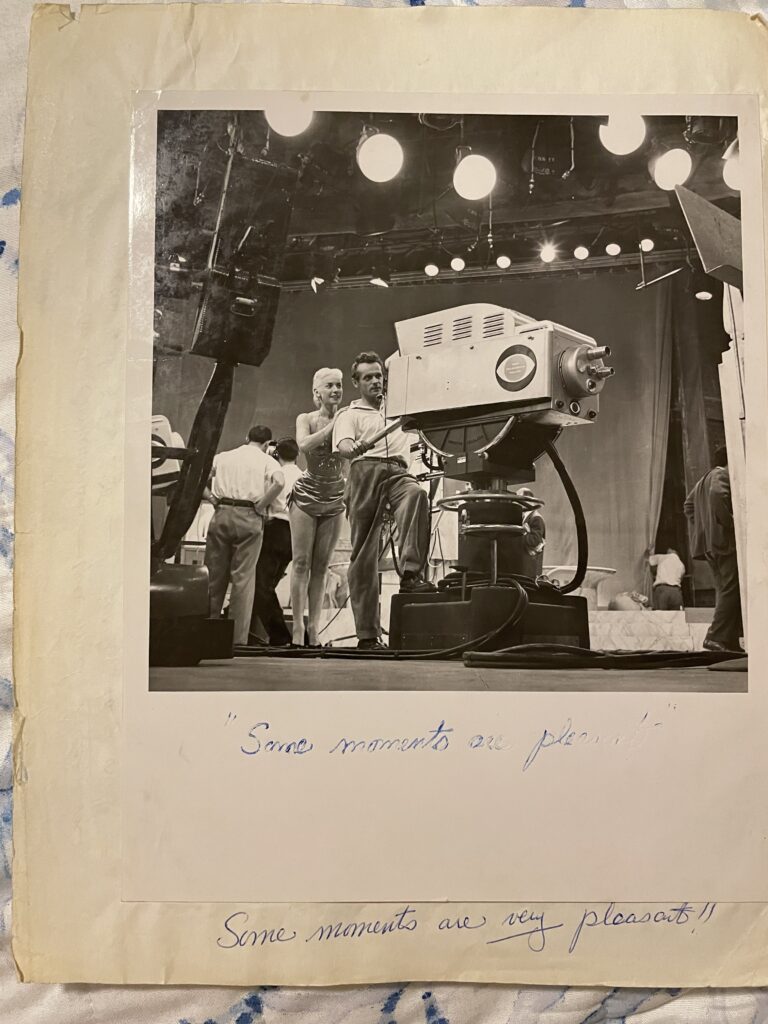
Thanks to his daughter, we are proud to display a totally unique piece of television history through the eyes of her dad…the man Ed Sullivan most trusted to make him look his best, the entire run of the Ed Sullivan Show. His name is George Moses and here is the scrapbook he made.
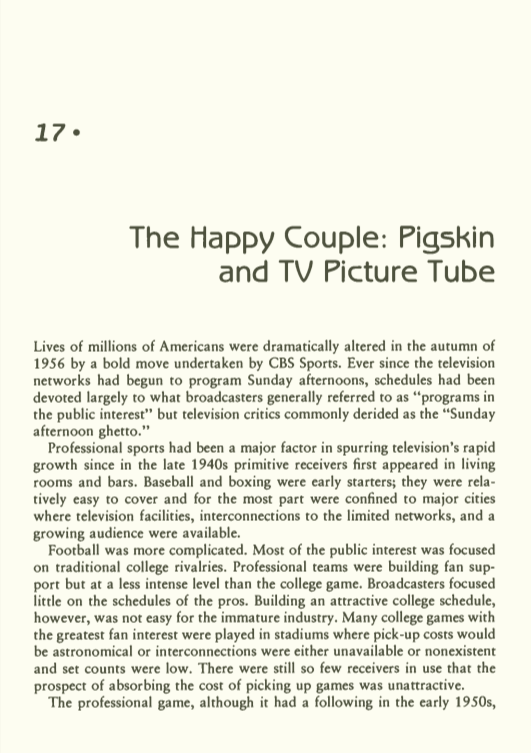
Sig Mickelson was the first president of CBS News, and it is from that insider’s view that we get this amazing story.
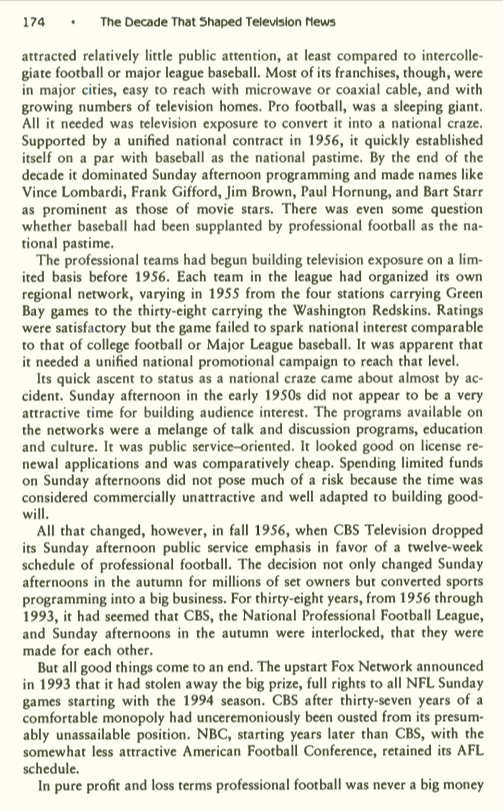
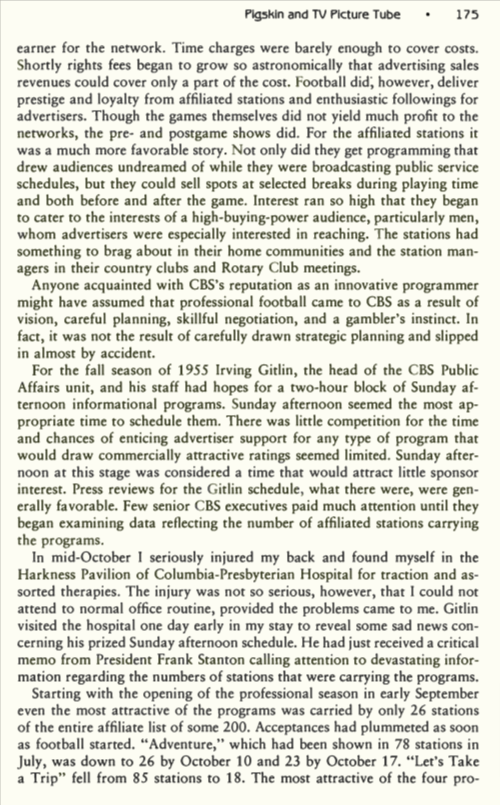
In only 8 pages, he explains how CBS public affairs management’s best laid plans to make Sunday afternoons their bull’s eye for public service programming got shot out of a cannon, and how pro football came to find its new home there. I have read Mr. Mickelson’s book, “The Decade That Shaped Television News – CBS in the 1950s” several times, but this time around, his writing on this major event really popped out, and I felt the best way to share this amazing story with you, is to present these 8 pages from his book for you to read for yourself.
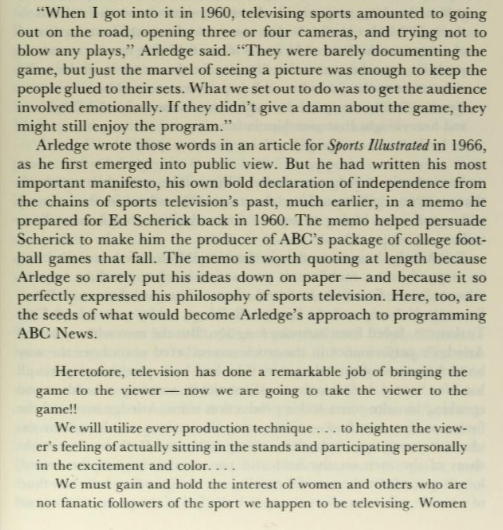
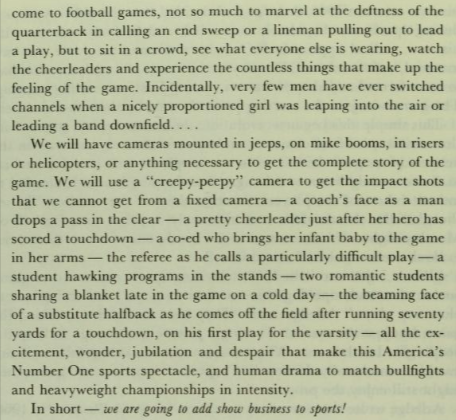
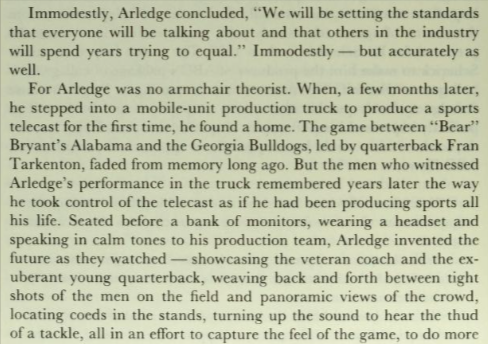
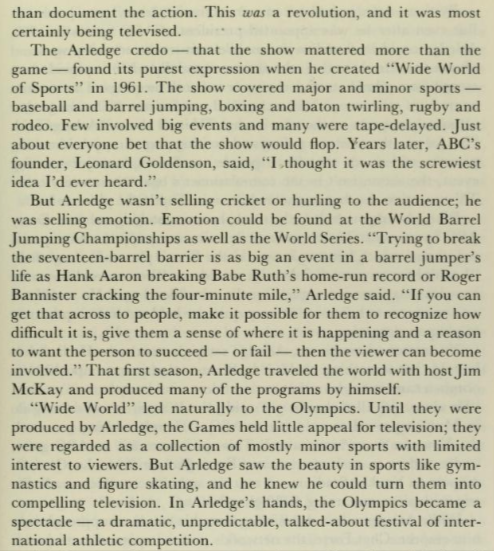
Modern sports television began in Athens, Georgia on September 18, 1965 when the University of Georgia Bulldogs took on Alabama’s Crimson Tide at Sanford Stadium. The game, broadcast on ABC, was the first nationally televised game for Georgia, AND the start of Roone Arledge’s “Big Idea”. His famous 1960 memo to Ed Scherick, which laid out his ideas on how to “bring the viewer to the ballgame” is hard to find, but here it is…it starts with the indented part of this first page and finishes at the top of the third page.
After that is the description of how Roone put it into practice in Athens that crisp fall afternoon when he took the helm in the truck and produced that season’s first game. Going forward, all the ABC producers were busy incorporating these new measures into their game presentations.
Luck was with Roone and The Bulldogs that day, because at the very last minute, Georgia coach Vince Dooley called a trick play and won the game with an 18 to 17 victory over Bear Bryant. Here is that now famous 22-second play. Many thanks to author Marc Gunther for his great 1994 book “The House That Roone Built: The Inside Story of ABC News”. It is a great behind-the-scenes account of how Roone Arledge transformed ABC’s sports, and later their news division and draws on interviews with top network personnel to examine Arledge’s willingness to experiment and to spend money on talent.
Just so you know, our friend David Gleason’s labor of love is absolutely THE VERY BEST resource for online broadcast research of print media anywhere! He has scanned millions of pages of history onto his WORLD RADIO HISTORY site and made it available to us all FREE! Oh, and what you see above is only a tiny sliver of the hundreds of titles available because if it is a parodical about TV, radio or broadcasting…it is here!
I mean virtually every volume and issue…all of the BROADCASTING MAGAZINE, BILLBOARD and other industry magazines are there as well as most of the RCA engineering magazines and MORE!!! If you have never been there, click the link below and go there and bookmark it so you can remember where this GREAT resource is. THANK YOU, DAVID GLEASON! -Bobby Ellerbee
At the link below are hundreds of photos, research papers and even two videos (NBC’s First 50 Years) that have been curated to the pages of The Hagley Digital Archives site. Most of what is here is from the David Sarnoff Library collection that no longer has a physical home, but does have a virtual home at this address. This link will take you to the 5th of this 6 page display so feel free to not only scroll, but also page backward and forward to see a collection of RCA television history that you will only see here.
The are photos here (that usually have a description of the scene on the back side), cover everything from the Baird scanners to the early General Electric/Alexanderson mechanical system, the development of early electronic color receivers, projection systems, tube research and development, remote systems, video tape R&D, and rare photos that also include RCA equipment ads that were mostly for broadcasting publications.
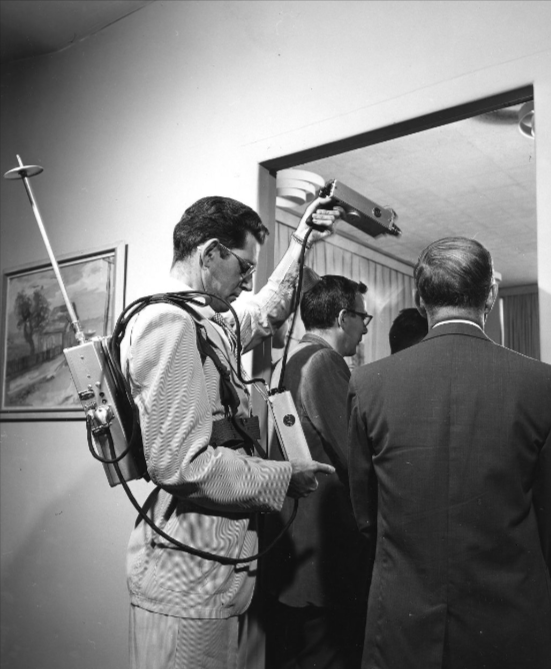
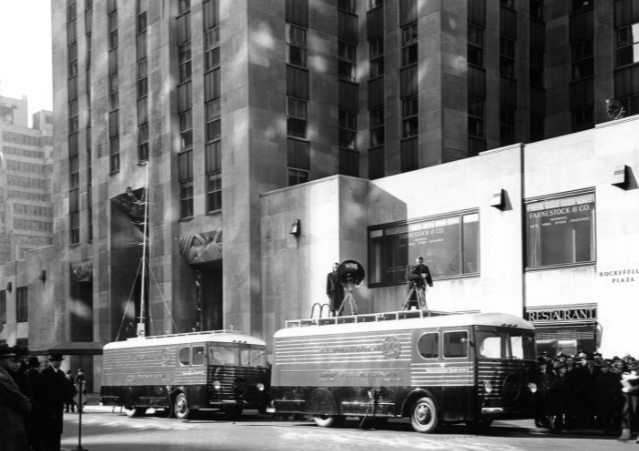
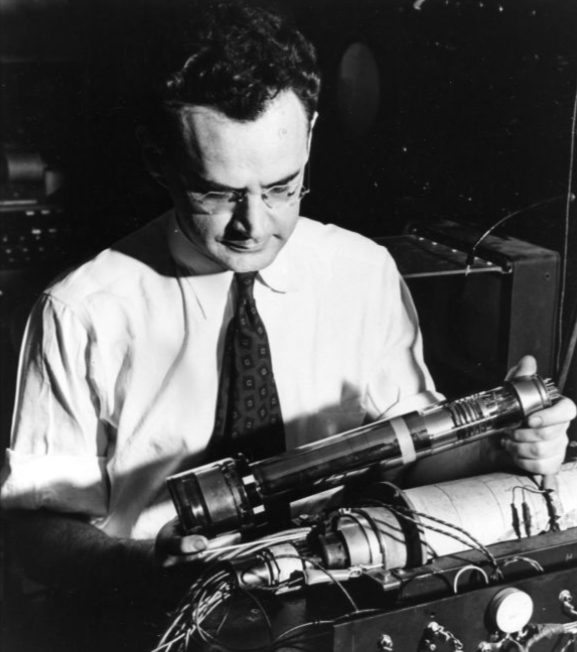
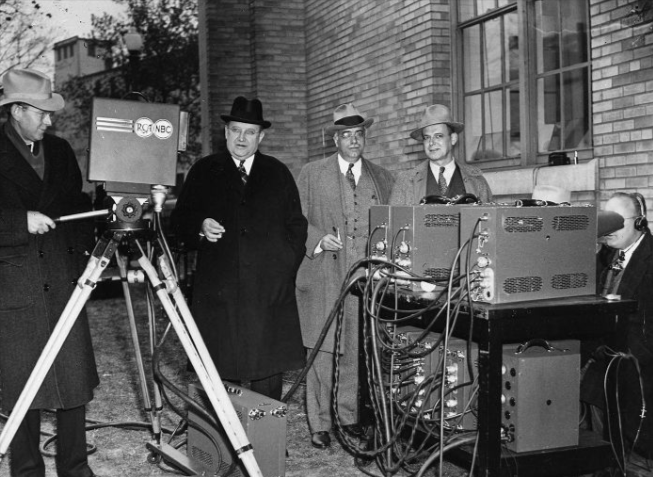
At the top of the page is RCA’s TRT 1B quadraplex video tape recorder which was their first video system. Below are a few of the hundreds of photos in the collection that show RCA’s 2 1/2-pound portable vidicon camera in 1957, the first American television mobile units delivered to NBC in 1938, RCA engineer Albert Rose who was one of the developers of the Image Orthicon tube and a 1938 photo of the FCC commissioners inspecting RCA’s first mobile Iconoscope model in Washington DC.
What does the Orson Wells classic radio drama “War Of The Worlds” have in common with Dr Peter Goldmark’s mechanical color tests? The answer is CBS Radio Studio 1 at their first headquarters building, 485 Madison Avenue. That was where Wells and company preformed their weekly “Mercury Theater of The Air”.
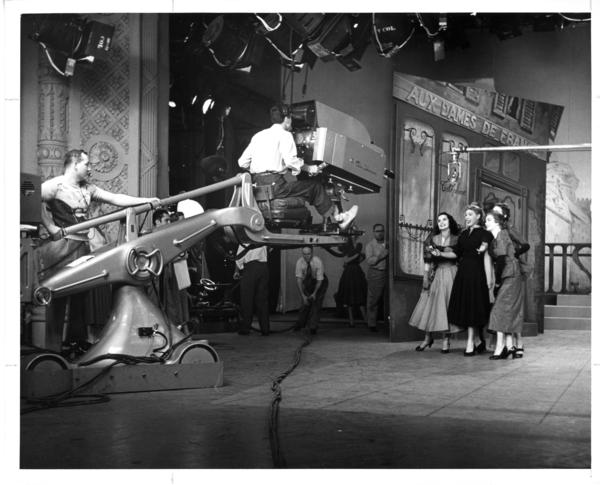
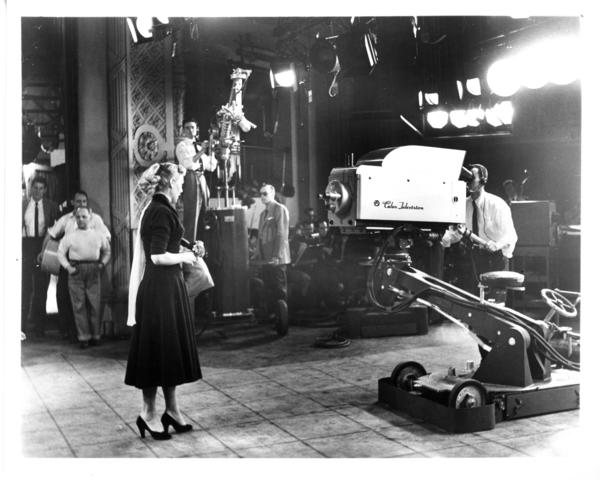
Around the start of 1952, CBS converted radio Studio 1, on the 4th floor of the 485 Madison building to CBS television Studio 71. Under the CBS numbering system, the numbers 71-80 were reserved for color studios only. In October of 1951, CBS wrapped up a 5 month trial broadcasting schedule of color shows which, except for remotes, had originated at CBS Studio 57. Studio 71 was closed in 1955.
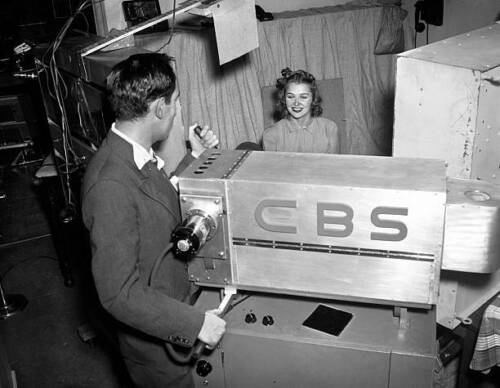
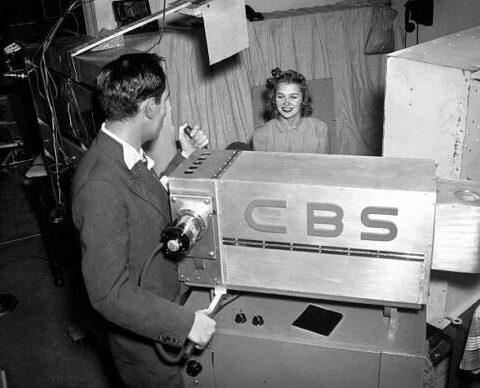
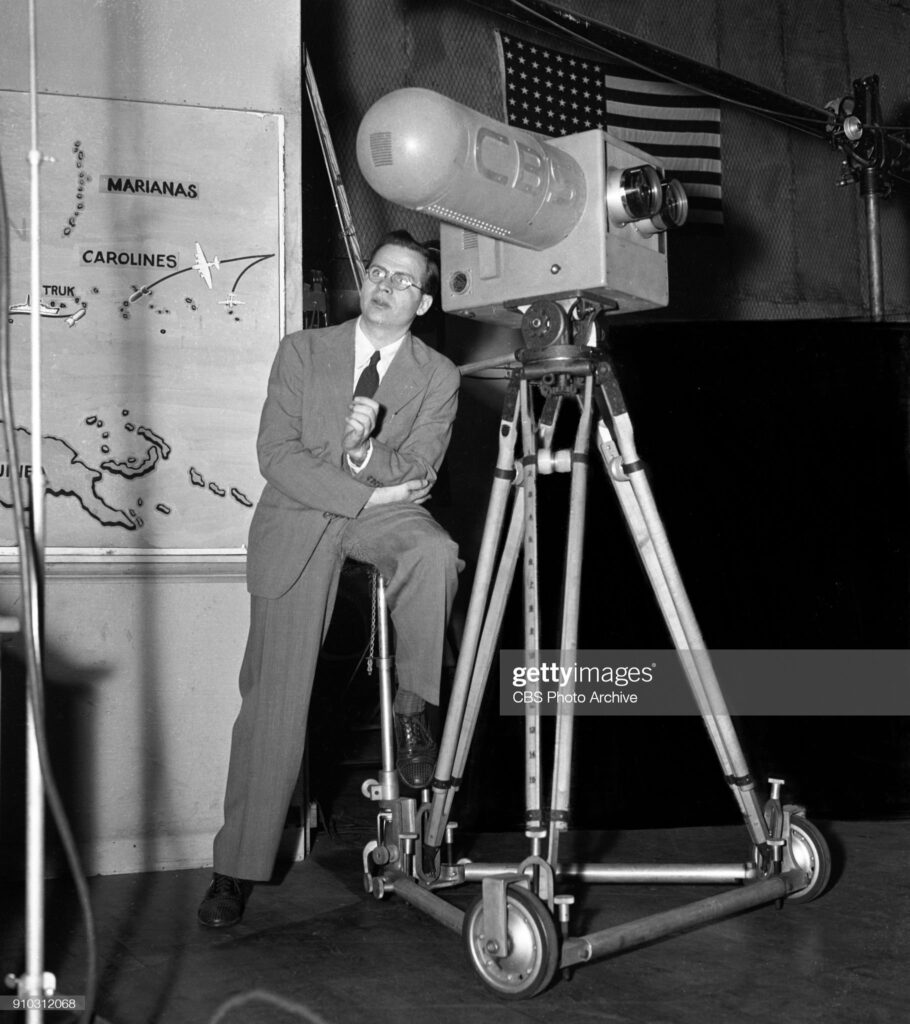
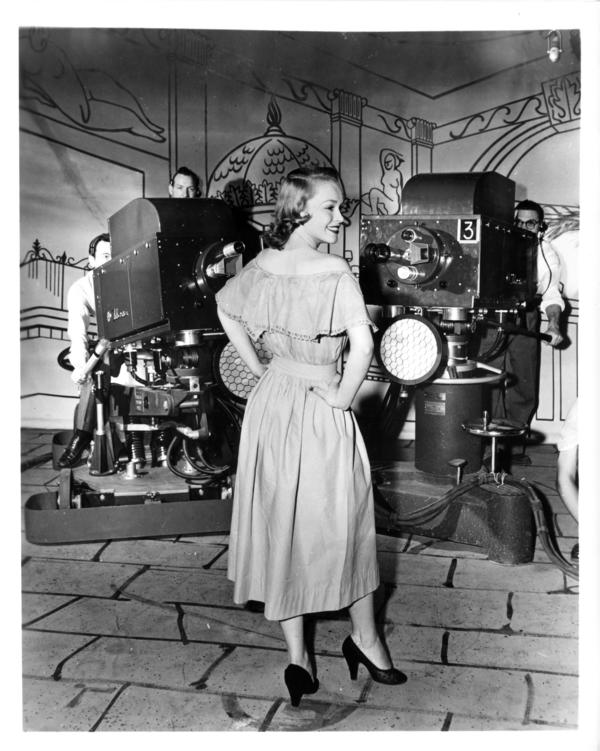
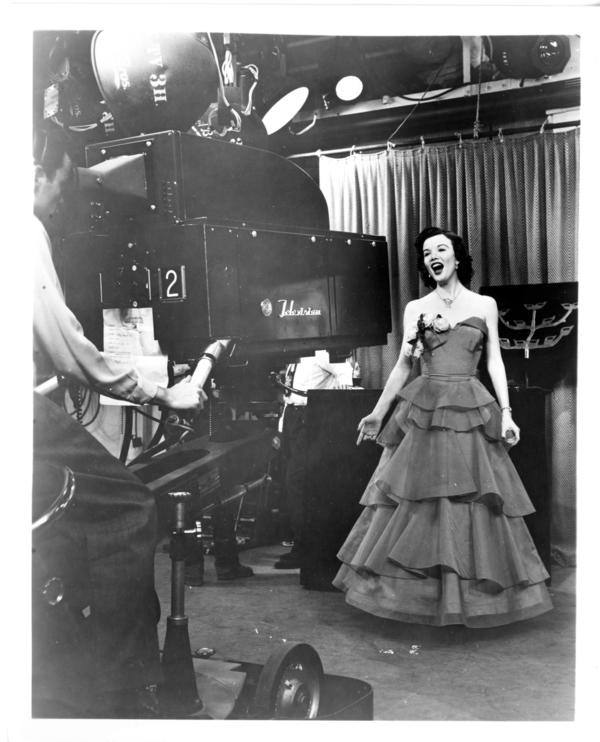
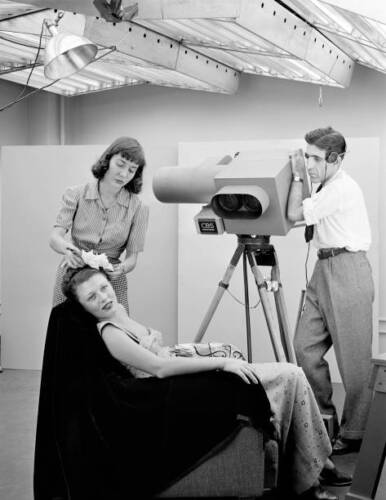
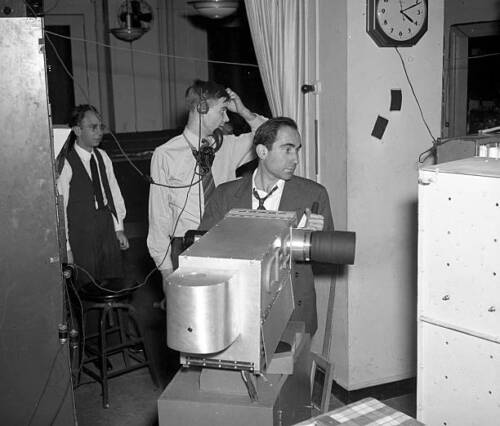
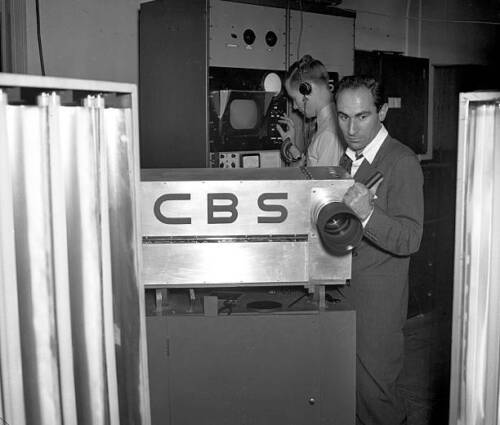
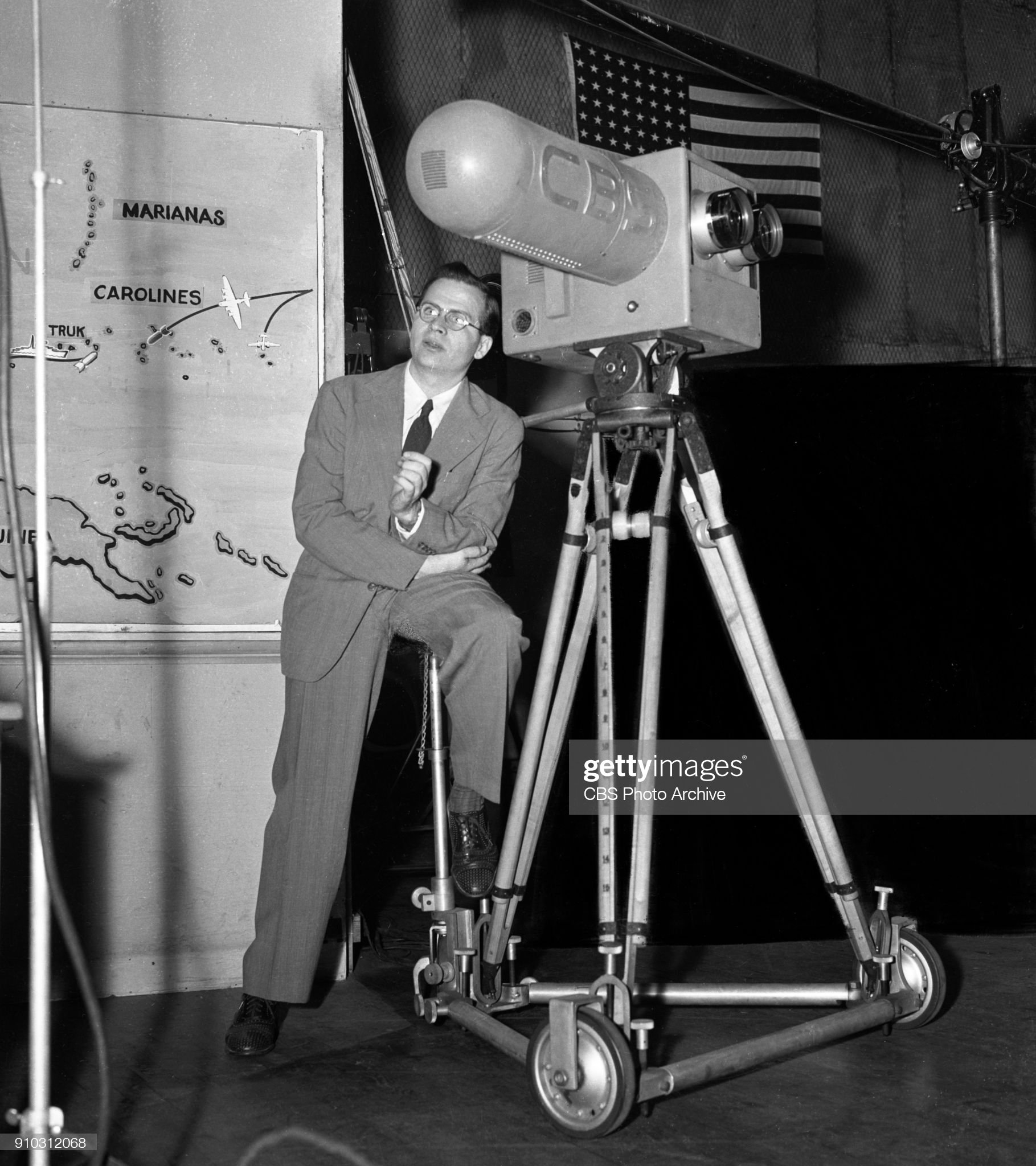
In the images below, we will see those odd looking cameras with mechanical color wheels in them in use at Studio 71 and usually shooting the first “Miss Color Television”, Patty Painter, with her red hair, later died blonde. The better known color television model was NBC’s Marie McNamara but CBS started with Patty about a year before NBC brought in Marie.
These historical images are from the CBS Photo Archives available through Getty Images and are presented here to assist researchers and television historians in identifying the television equipment in use over the decades and is offered here in a purely educational/instructional forum. For more information on CBS Color, please visit Ed Reitan’s great work at this link Ed Reitan’s Color Television History (earlytelevision.org)
Above, CBS color girl Patty Painter getting all “dolled up” for her test time before the camera.
Another shot of Patty Painter and a very detalied look at one of Goldmark’s color camera configurations in these three photos.
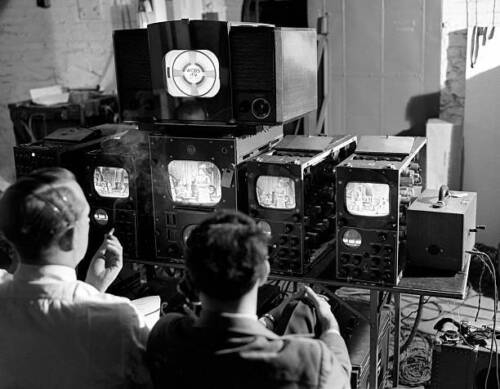
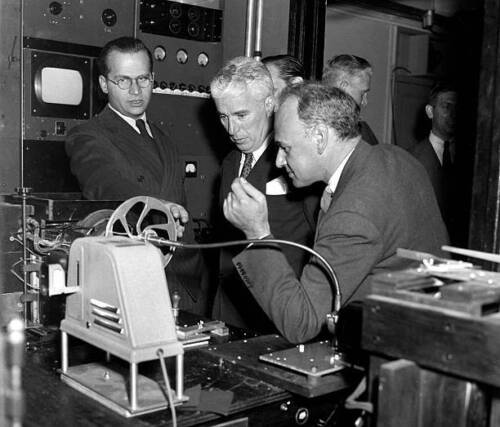
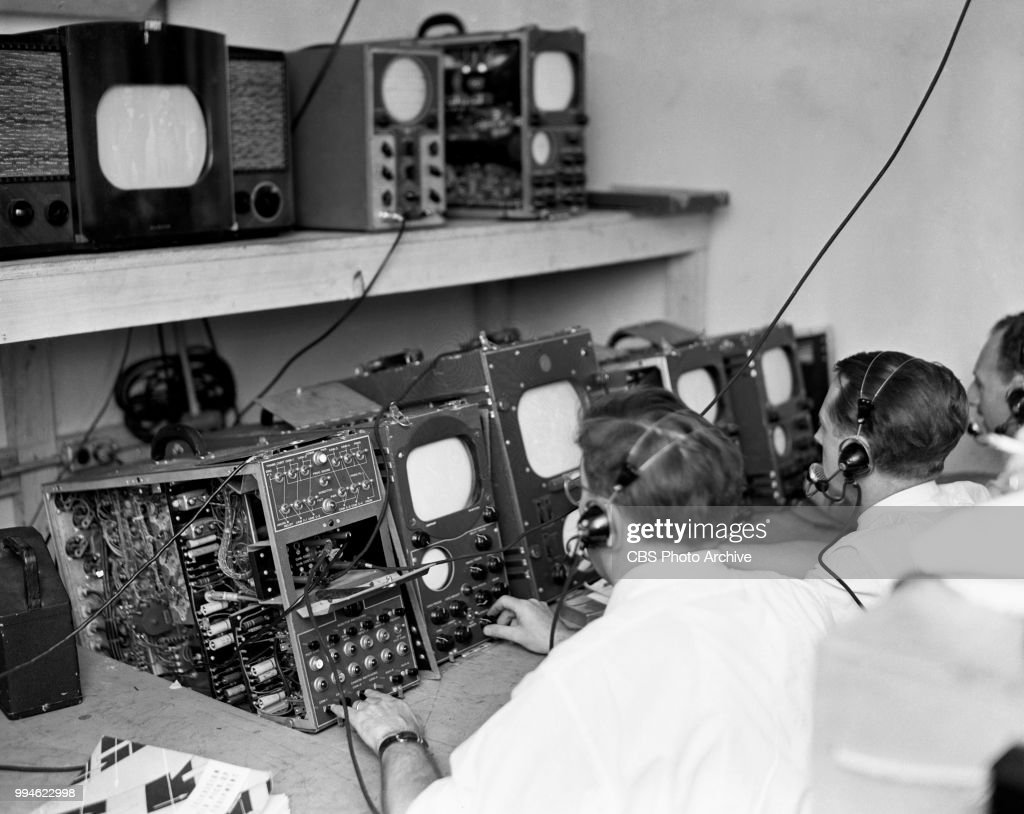
Above using RCA equipment to monitor the tests and a home reciever to see the final product. Below, world famous actor Charlie Chaplin taking a close look at the new color wheel system with Peter Goldmark on the left.
NEW YORK – APRIL 28: From left: James J. Reeves (engineer) and CBS chief engineer Dr. Peter Carl Goldmark with a color television camera. New York, NY. April 28, 1950. (Photo by CBS via Getty Images)NEW YORK – MAY 4: CBS chief engineer Dr. Peter Carl Goldmark with a color camera. May 4, 1944. New York, NY. (Photo by CBS via Getty Images)
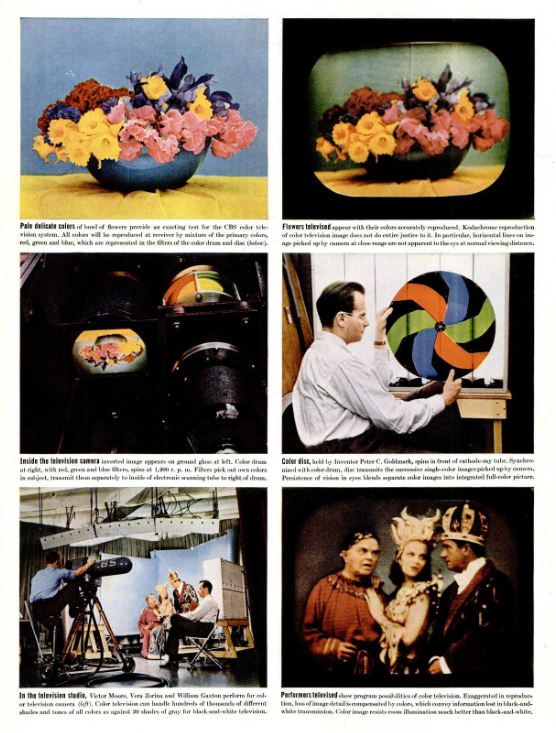
Below, color images from Life Magazine in 1950 comparing Kodachrome photographs of the original subject and photographs of a CBS color receiver show excellent color fidelity of even this earliest color television system.
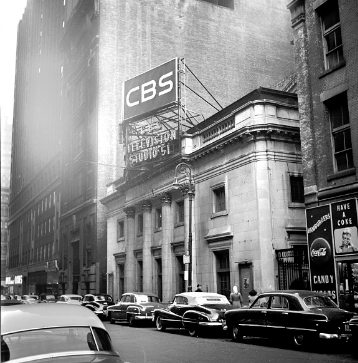
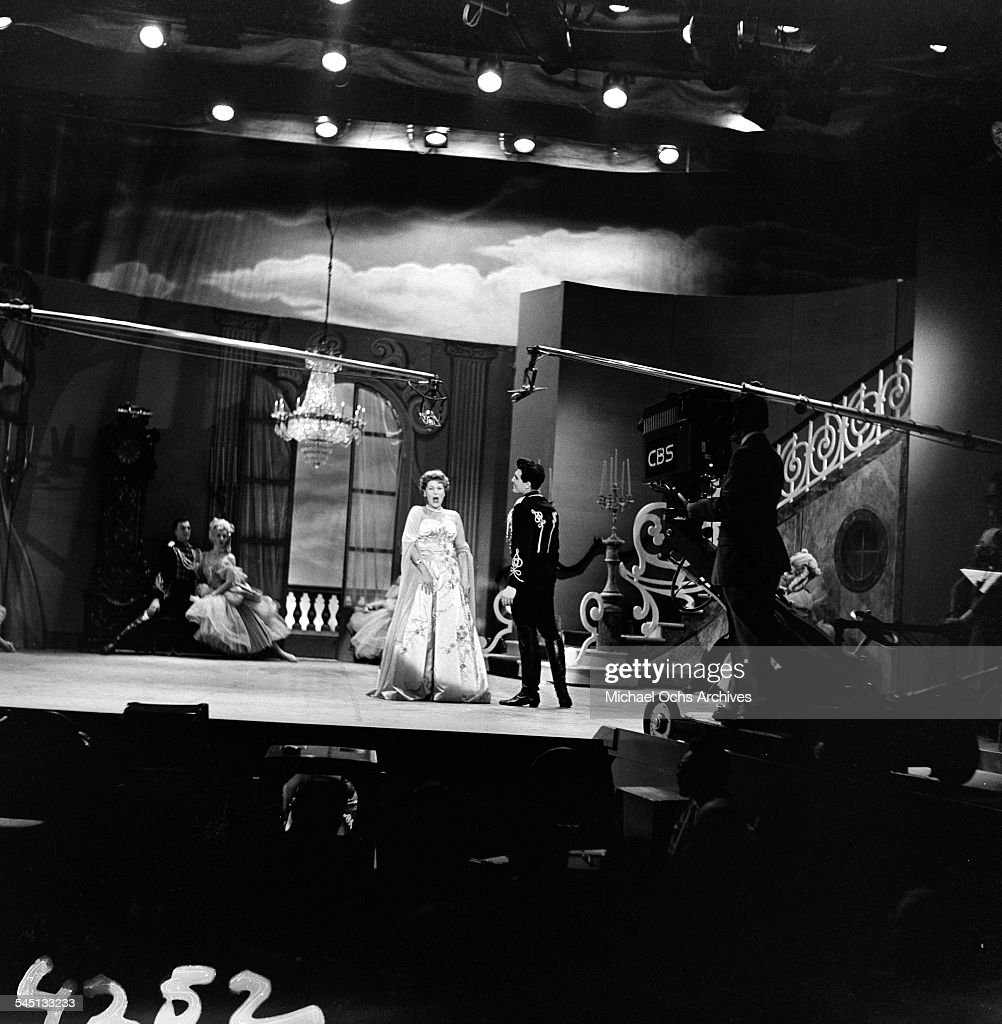
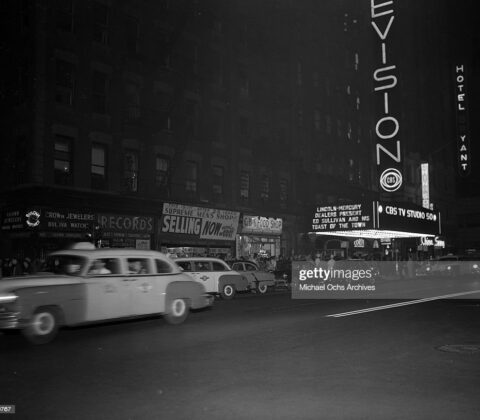
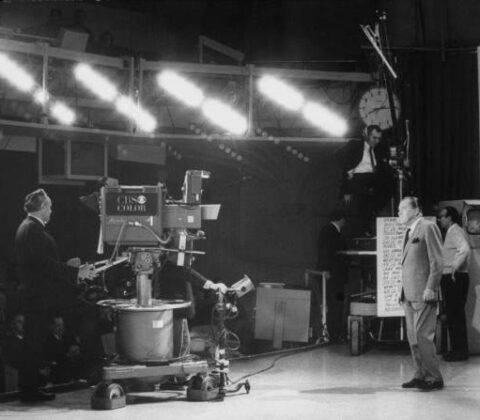
THE RCA TK30 ERA: About the only way I could think of to present these 120+ images from one of television’s most storied shows, is to break the batches down based on the cameras in use. At the time this multi-decade epic began in 1948, the show was called TOAST OF THE TOWN and was broadcast live from CBS Studio 51 (The Maxine Elliot Theater at 109 W 39TH Street, photo above) using RCA TK30 cameras.
These historical images are from the CBS Photo Archives available through Getty Images and are presented here to assist researchers and television historians in identifying the television equipment in use over the decades and is offered here in a purely educational/instructional forum.
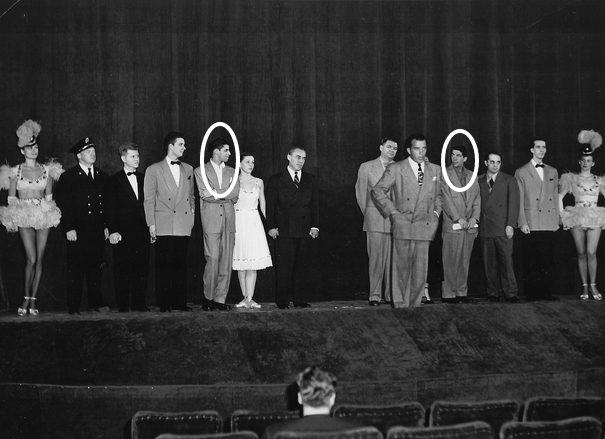
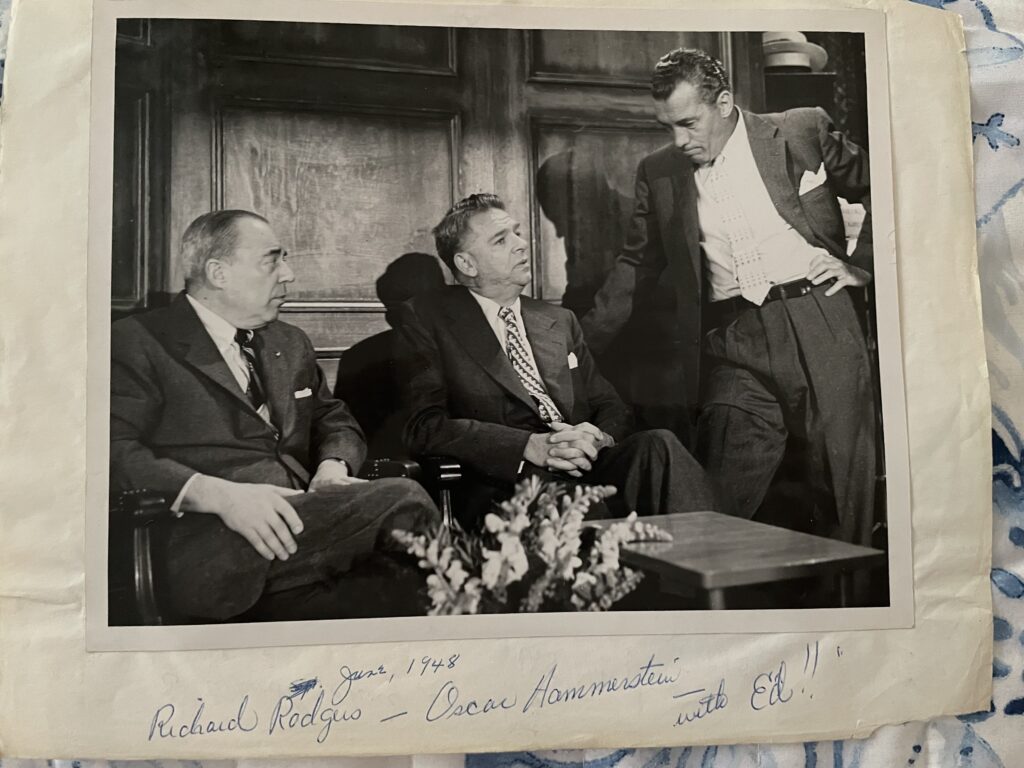
To start us off, this photo is from dress rehersal of the debut show, June 30, 1948 and among the guests on stage are composers Richard Rogers and Oscar Hammerstien II (center behind Ed) and circled are Jerry Lewis and Dean Martin.
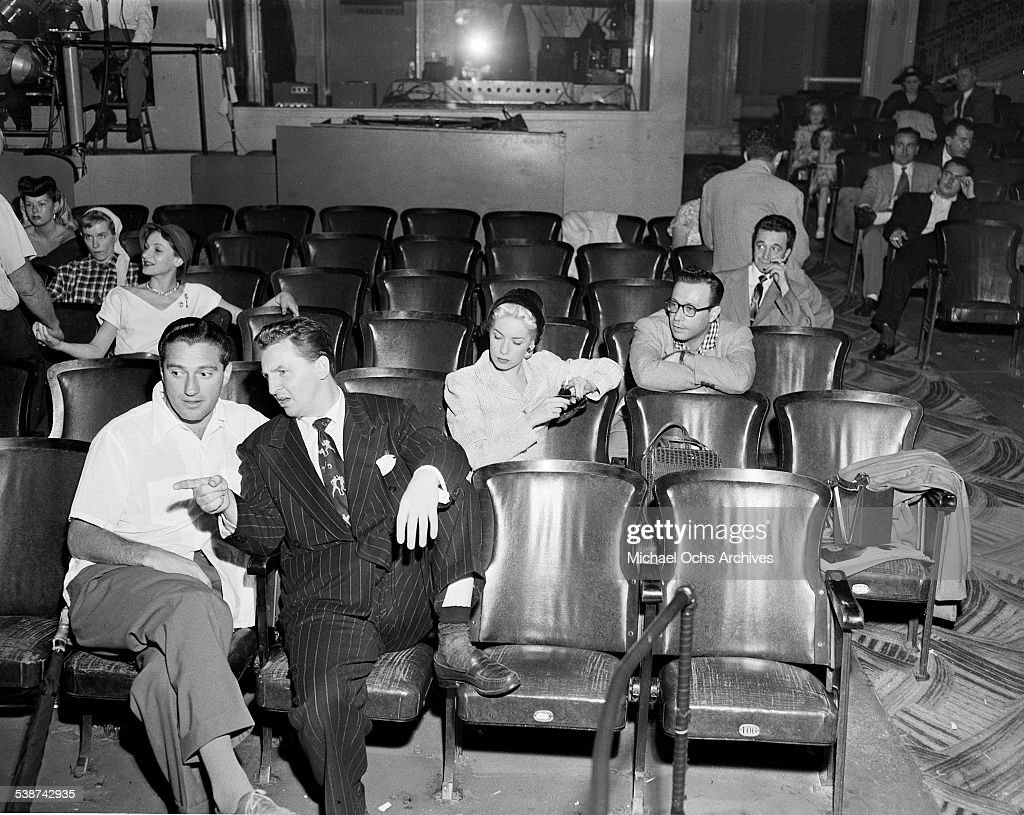
NEW YORK – AUGUST 20,1950: Producer Marlo Lewis (L) follows the acts during rehearsal for “Toast of the Town” hosted by Ed Sullivan at the Maxine Elliott Theater in New York, New York.(Photo by Steve Oroz/Michael Ochs Archives/Getty Images)
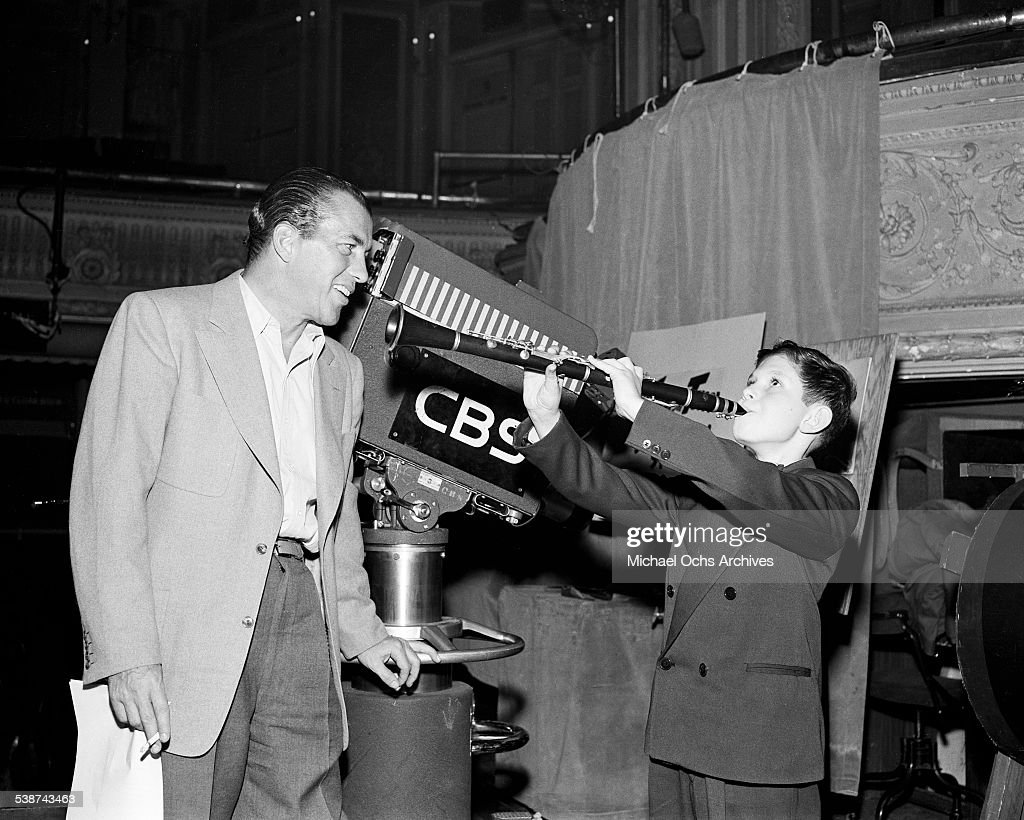
NEW YORK – FEBRUARY 18,1951: Ed Sullivan listens to young Paul Schon play “Army Air Corp” on his clarinet during rehearsal for “Toast of the Town” hosted by Ed Sullivan at the Maxine Elliott Theater in New York, New York.(Photo by Steve Oroz/Michael Ochs Archives/Getty Images)
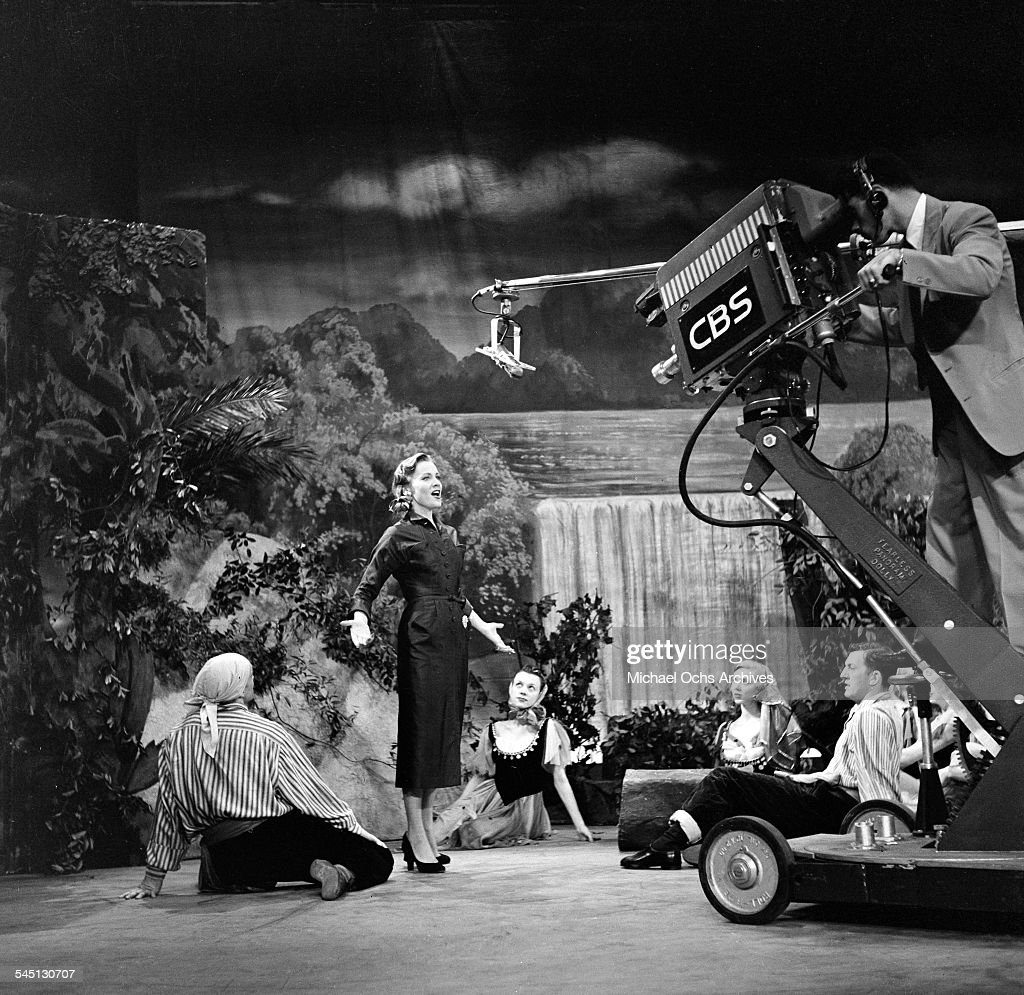
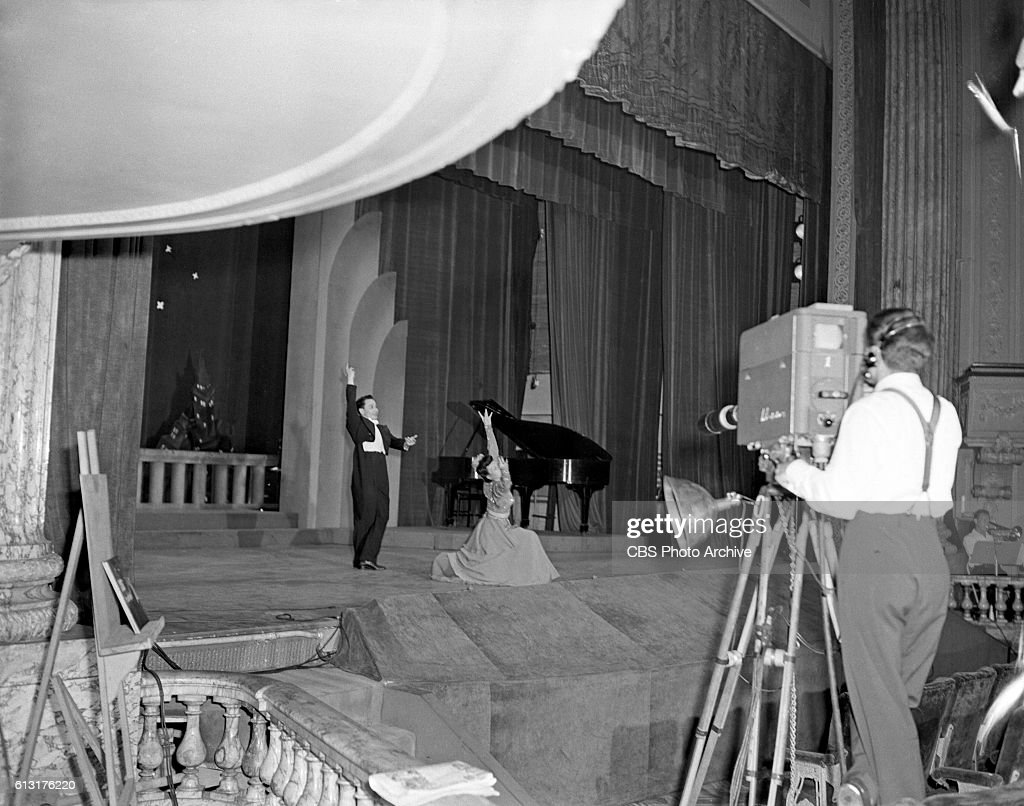
NEW YORK – OCTOBER 28,1951: Anne Jeffreys sings “Dance My Darling” on “Toast of the Town” show hosted by Ed Sullivan at the Maxine Elliott Theater in New York, New York.(Photo by Steve Oroz/Michael Ochs Archives/Getty Images)
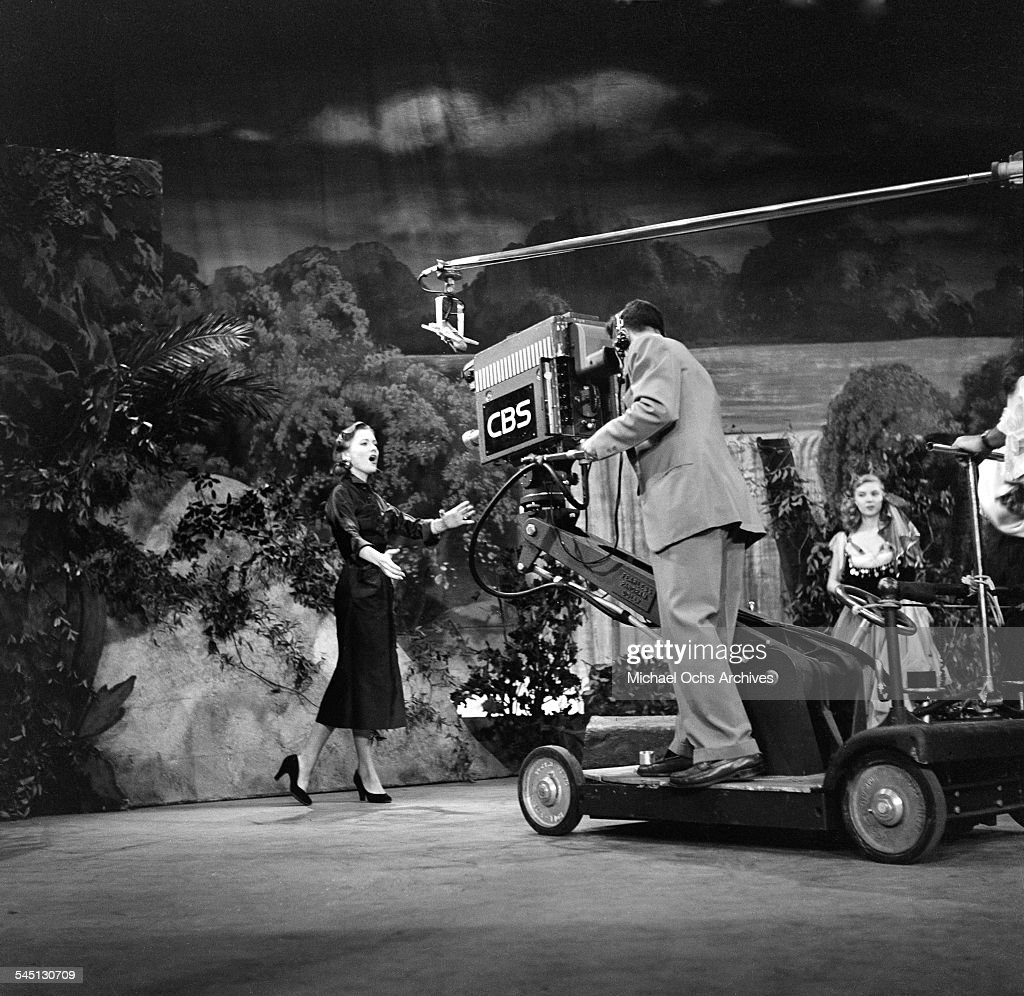
NEW YORK – OCTOBER 28,1951: Anne Jeffreys sings “Dance My Darling” on “Toast of the Town” show hosted by Ed Sullivan at the Maxine Elliott Theater in New York, New York.(Photo by Steve Oroz/Michael Ochs Archives/Getty Images)
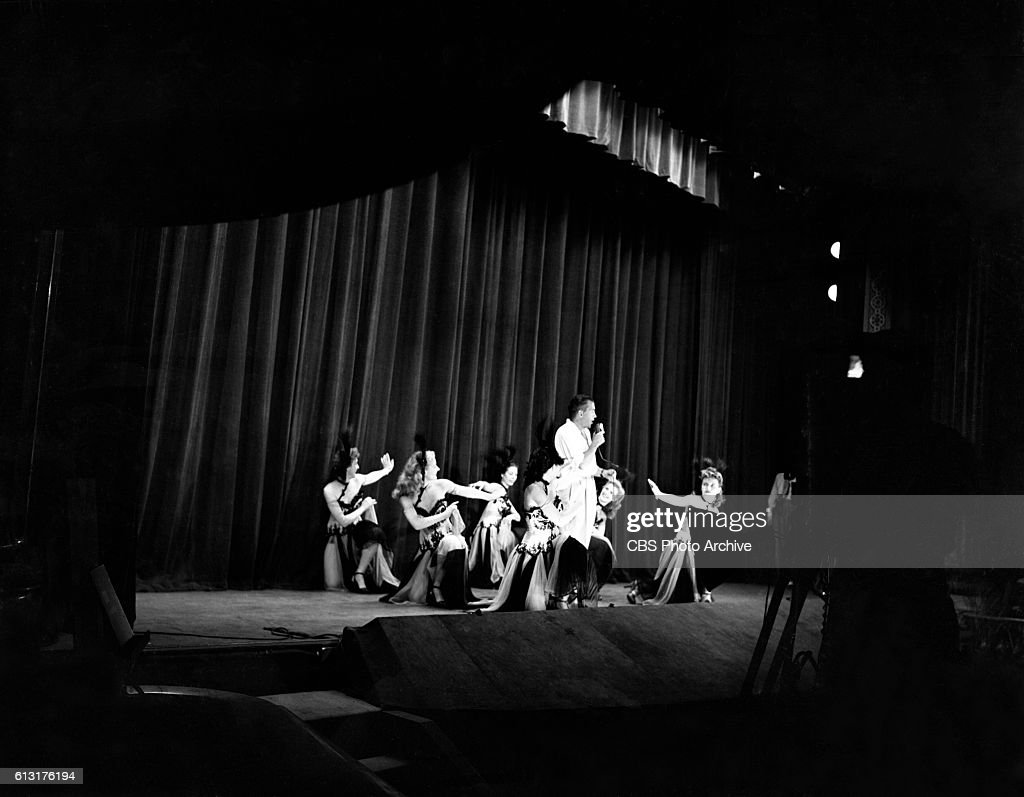
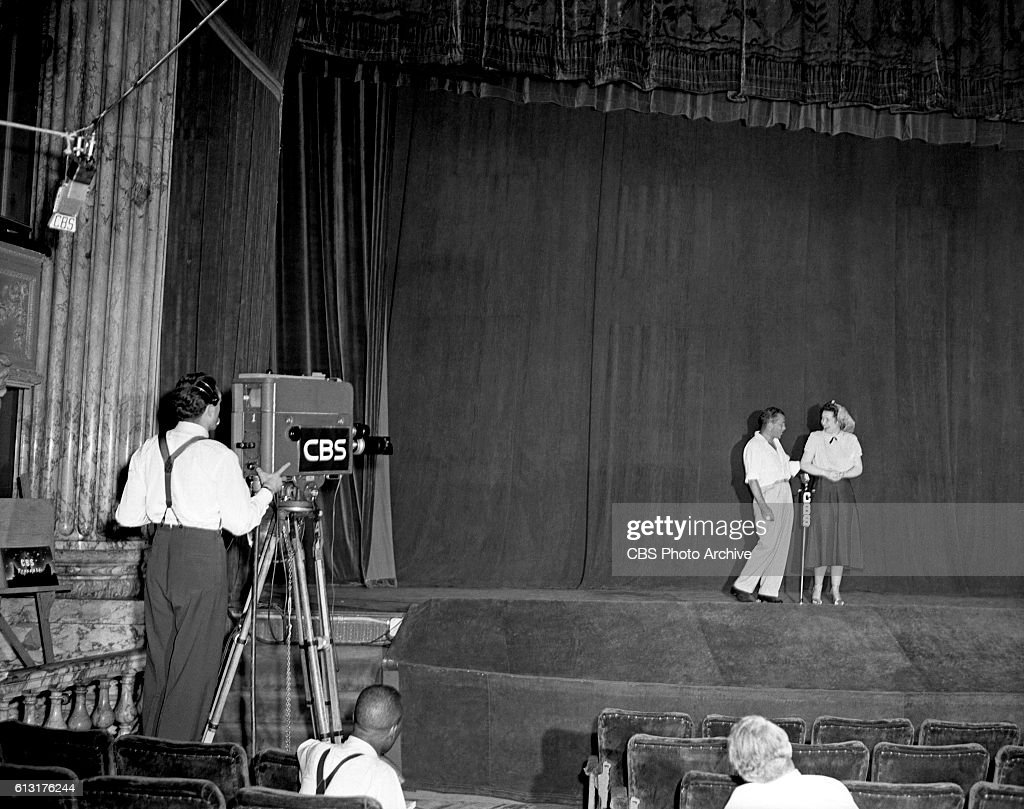
NEW YORK – JUNE 29,1952: Guest Hosts Peter Lind Hayes and Mary Healy perform on the “Toast of the Town” show hosted by Ed Sullivan at the Maxine Elliott Theater in New York, New York.(Photo by Steve Oroz/Michael Ochs Archives/Getty Images)
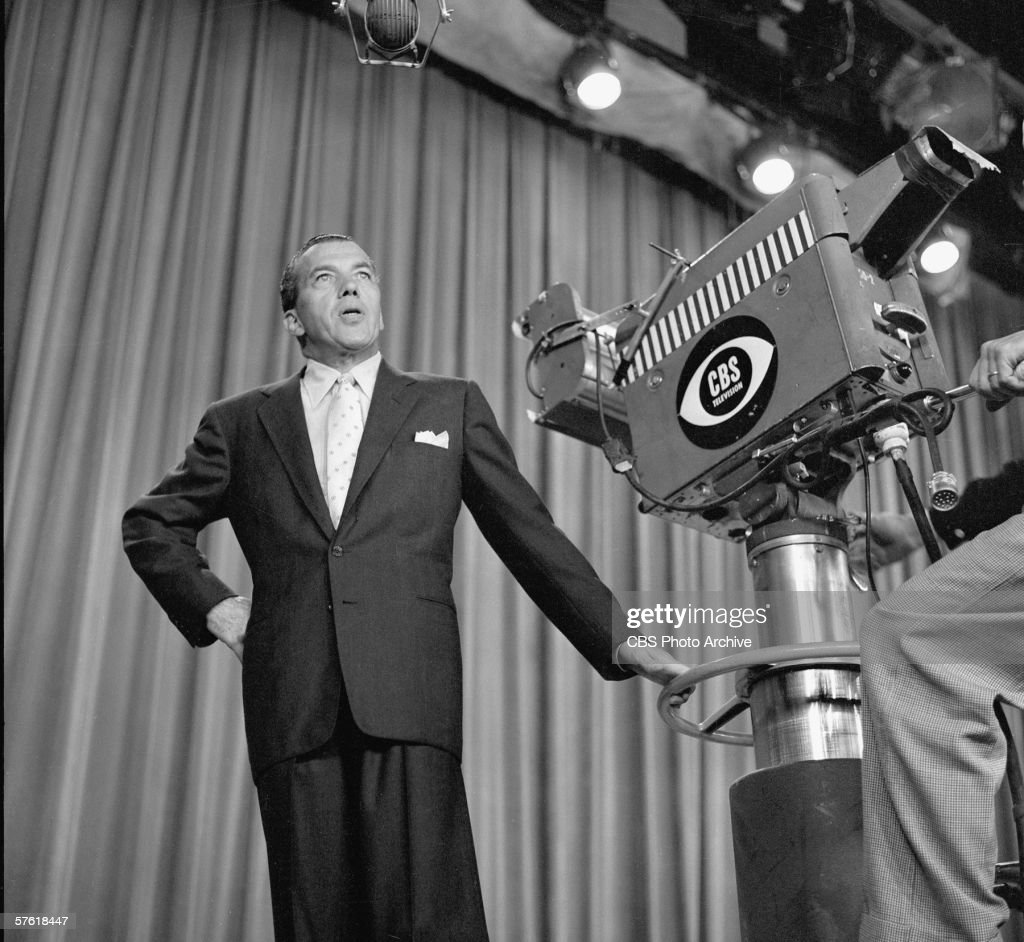
NEW YORK – JULY 18: CBS television variety show, “Toast of the Town” (alt.: The Ed Sullivan Show). The program features host and emcee Ed Sullivan (pictured). Photo Dated: Sunday, July 18, 1948. New York, NY. (Photo by CBS via Getty Images)
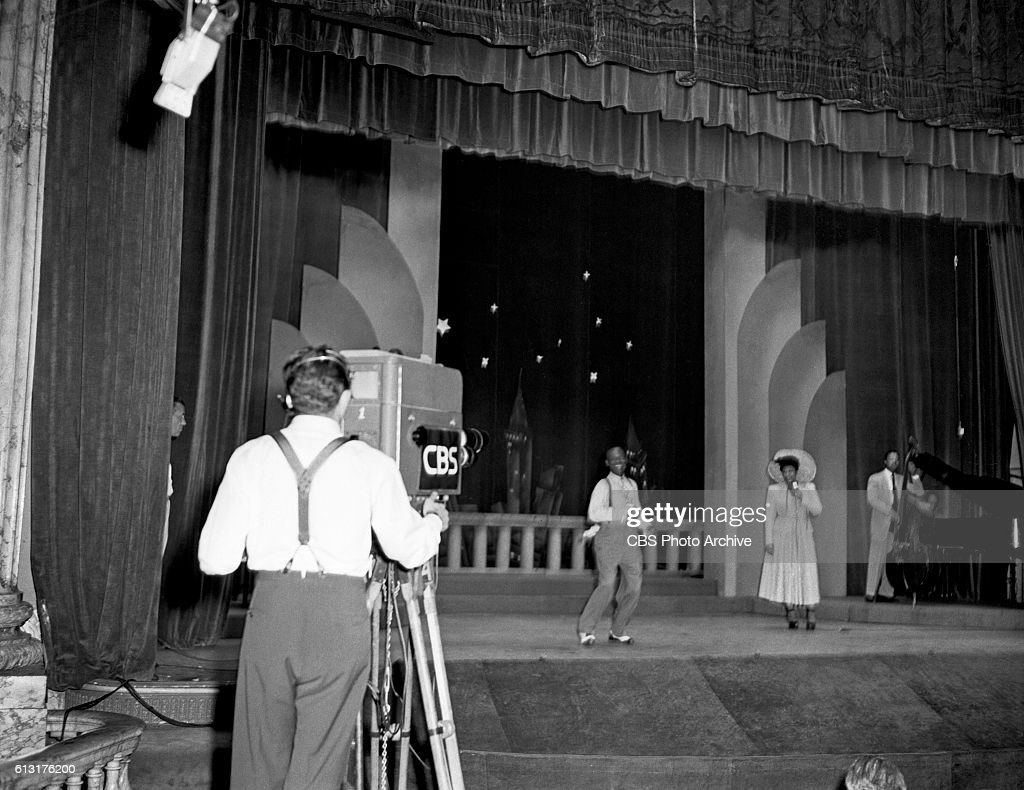
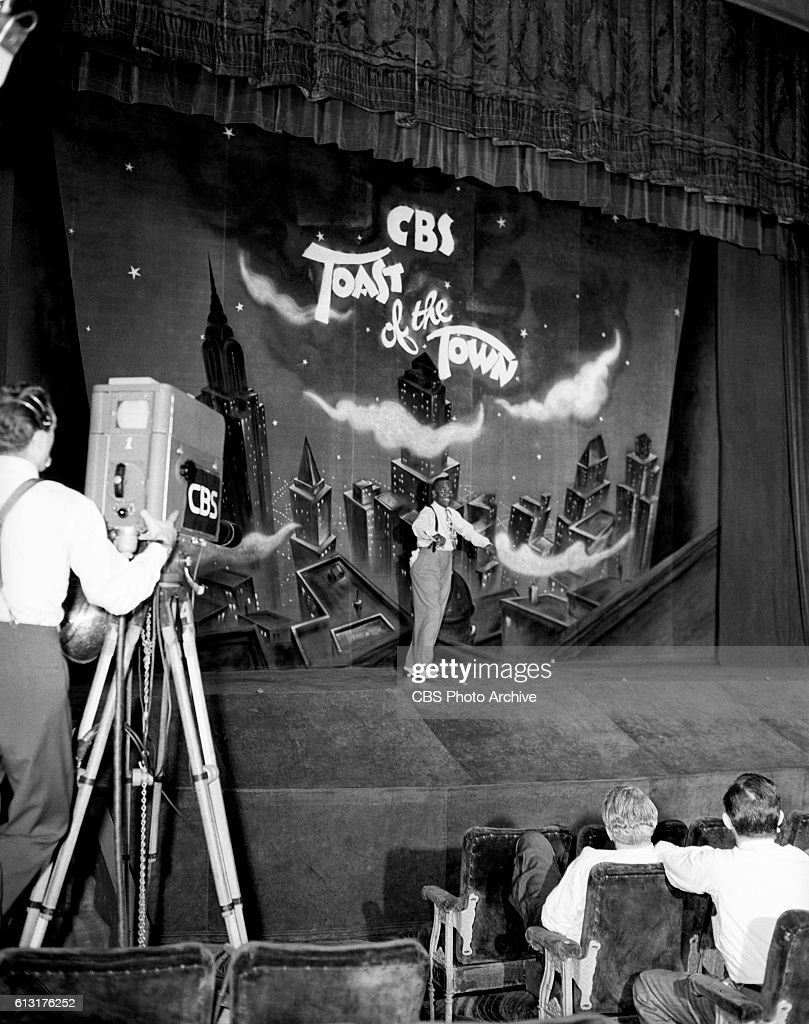
NEW YORK – JULY 18: CBS television variety show, “Toast of the Town” (alt.: The Ed Sullivan Show). The program features host and emcee Ed Sullivan. Guests include jazz vocalist Ella Fitzgerald (pictured right) and tap dancer Bill “Bojangles” Robinson (pictured left). Photo Dated: Sunday, July 18, 1948. New York, NY. (Photo by CBS via Getty Images)
NEW YORK – JULY 18: CBS television variety show, “Toast of the Town” (alt.: The Ed Sullivan Show). The program features host and emcee Ed Sullivan. Guests include, Toy and Wing, Ella Fitzgerald and Bill “Bojangles” Robinson. Photo Dated: Sunday, July 18, 1948. New York, NY. (Photo by CBS via Getty Images)
NEW YORK – JULY 18: CBS television variety show, “Toast of the Town” (alt.: The Ed Sullivan Show); the program features host and emcee Ed Sullivan, guests include Toy and Wing (pictured: acrobatic tap dance duo of Dorothy Takahashi and Paul Wing). Photo Dated: Sunday, July 18, 1948. New York, NY. (Photo by CBS via Getty Images)
NEW YORK – JULY 18: CBS television variety show, “Toast of the Town” (alt.: The Ed Sullivan Show). The program features host and emcee Ed Sullivan (pictured left). Pictured with host Ed Sullivan is jazz vocalist, Ella Fitzgerald (right) Photo Dated: Sunday, July 18, 1948. New York, NY. (Photo by CBS via Getty Images)
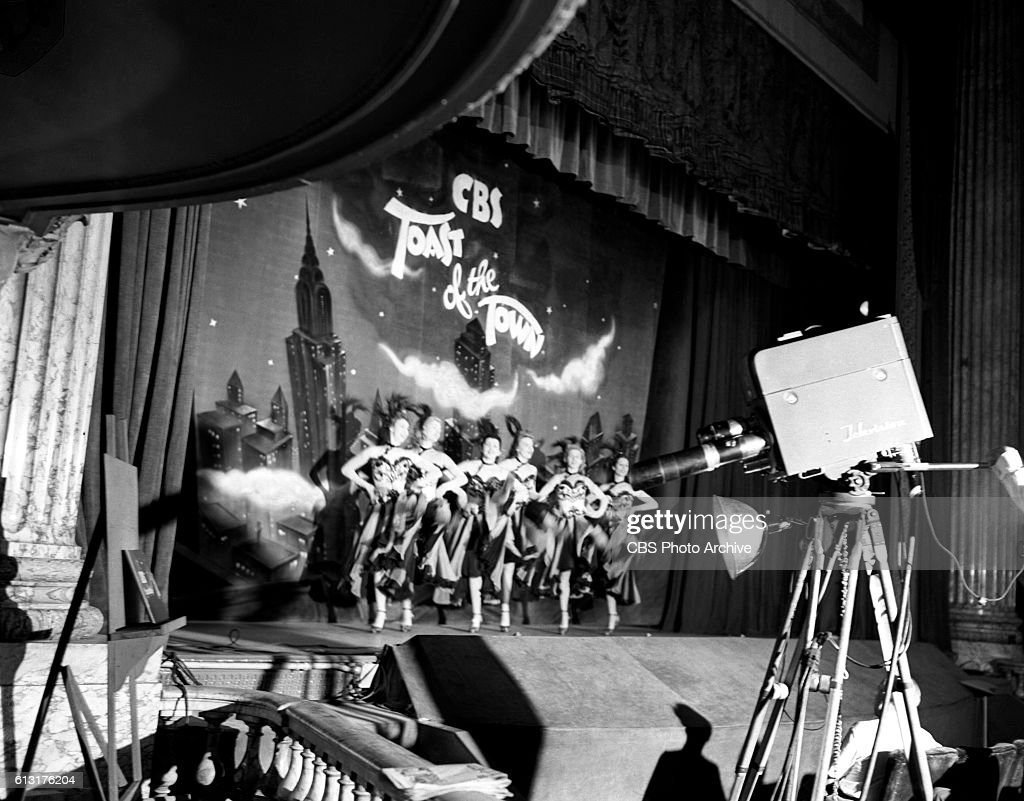
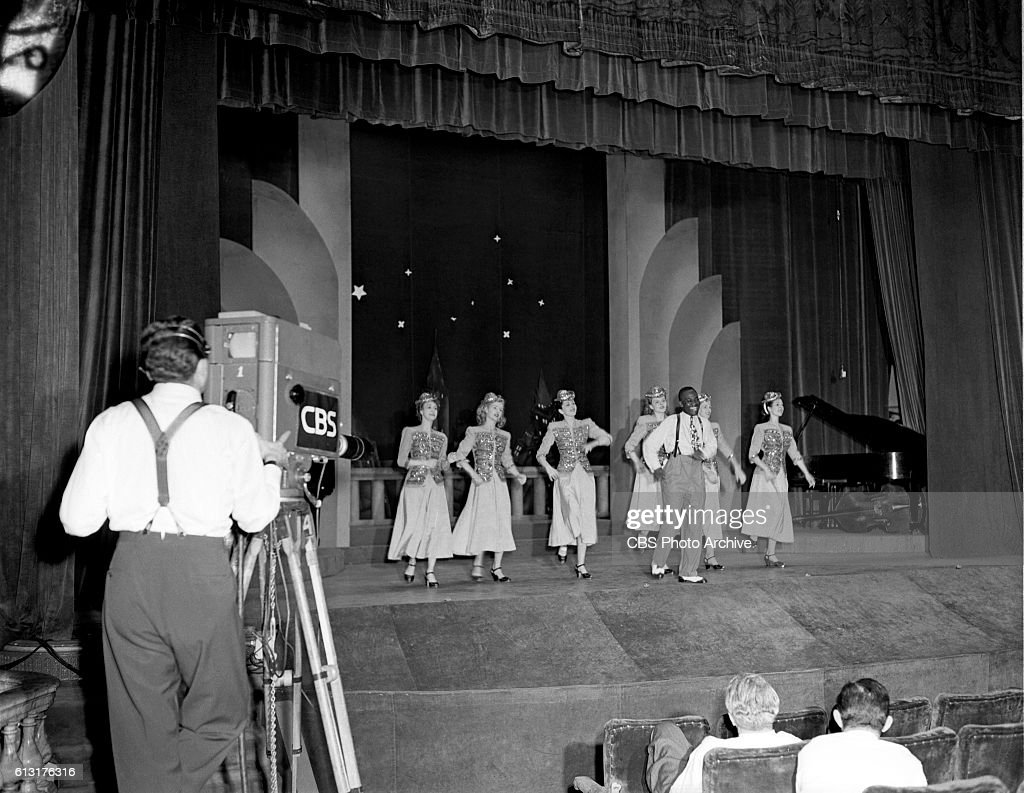
NEW YORK – JULY 18: CBS television variety show, “Toast of the Town” (alt.: The Ed Sullivan Show). The program features host and emcee Ed Sullivan. Pictured: Bill “Bojangles” Robinson (tap dancer) – after a solo dance, does a “Hard Shoe” encore with The Toastettes. Photo Dated: Sunday, July 18, 1948. New York, NY. (Photo by CBS via Getty Images)
NEW YORK – JULY 18: CBS television variety show, “Toast of the Town” (alt.: The Ed Sullivan Show). The program features host and emcee Ed Sullivan. Pictured: Bill “Bojangles” Robinson (tap dancer) – after a solo dance, does a “Hard Shoe” encore with The Toastettes. Photo Dated: Sunday, July 18, 1948. New York, NY. (Photo by CBS via Getty Images)
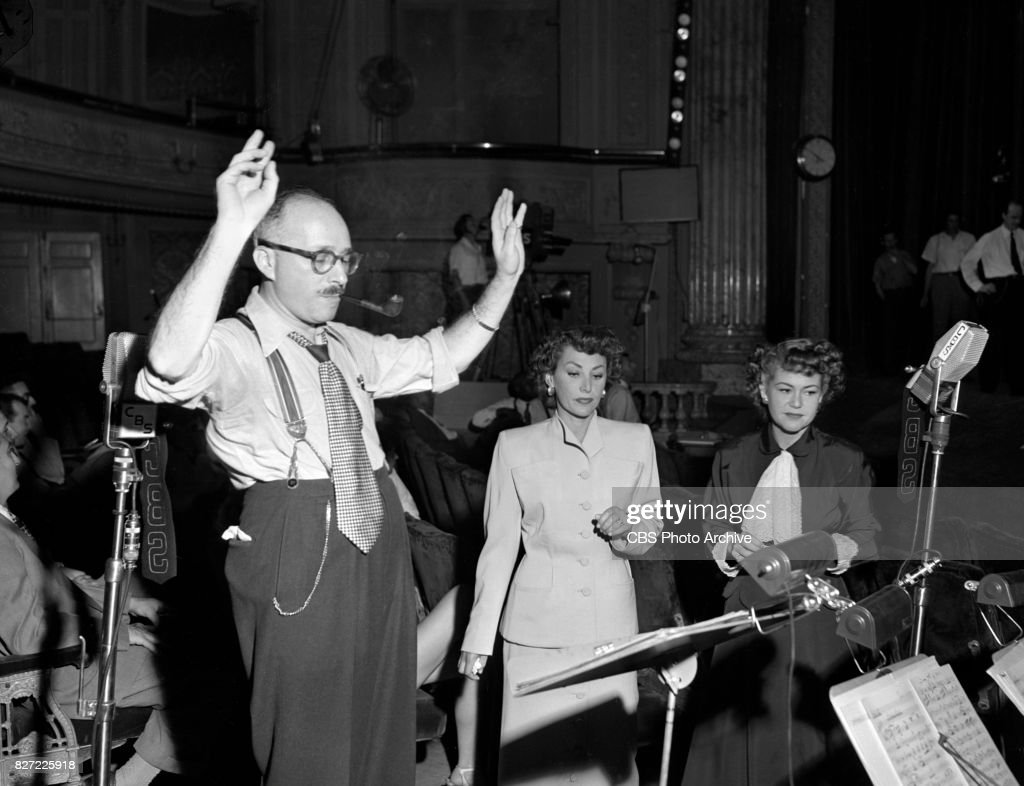
NEW YORK – SEPTEMBER 12: CBS television variety show, ‘Toast of the Town’ (alt.: The Ed Sullivan Show). The program features host and emcee Ed Sullivan. Pictured here at left is orchestra conductor Ray Bloch with with The Dennis Sisters (a vaudeville song-and-comedy duo). New York, NY. September 12, 1948. (Photo by CBS via Getty Images)
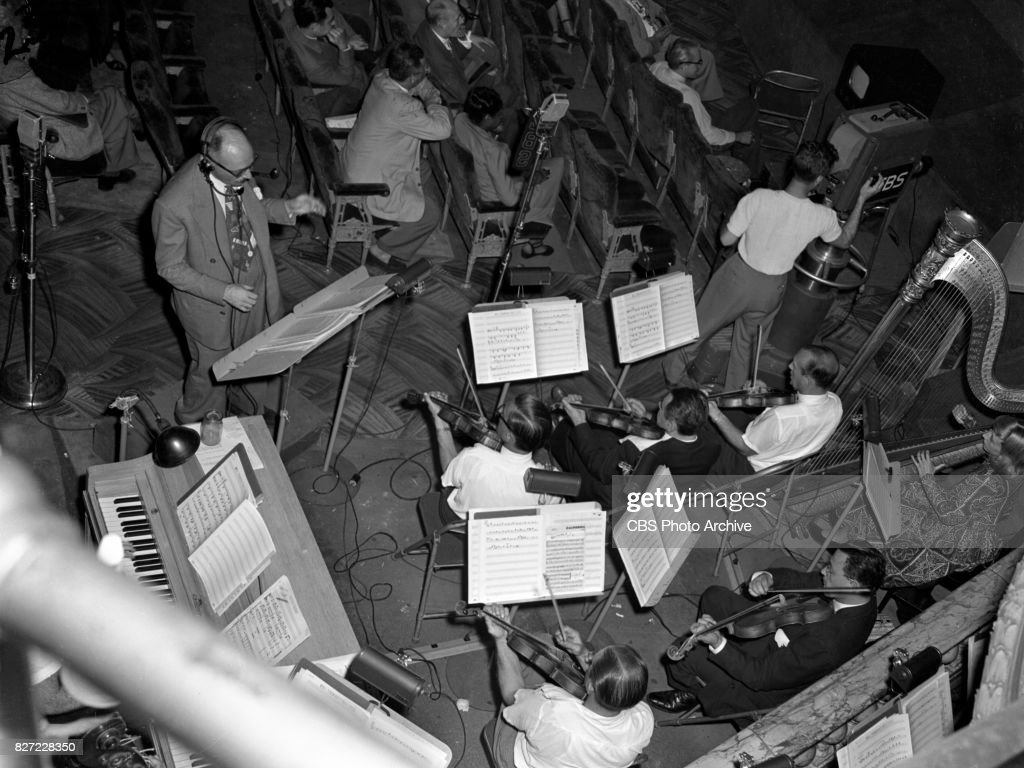
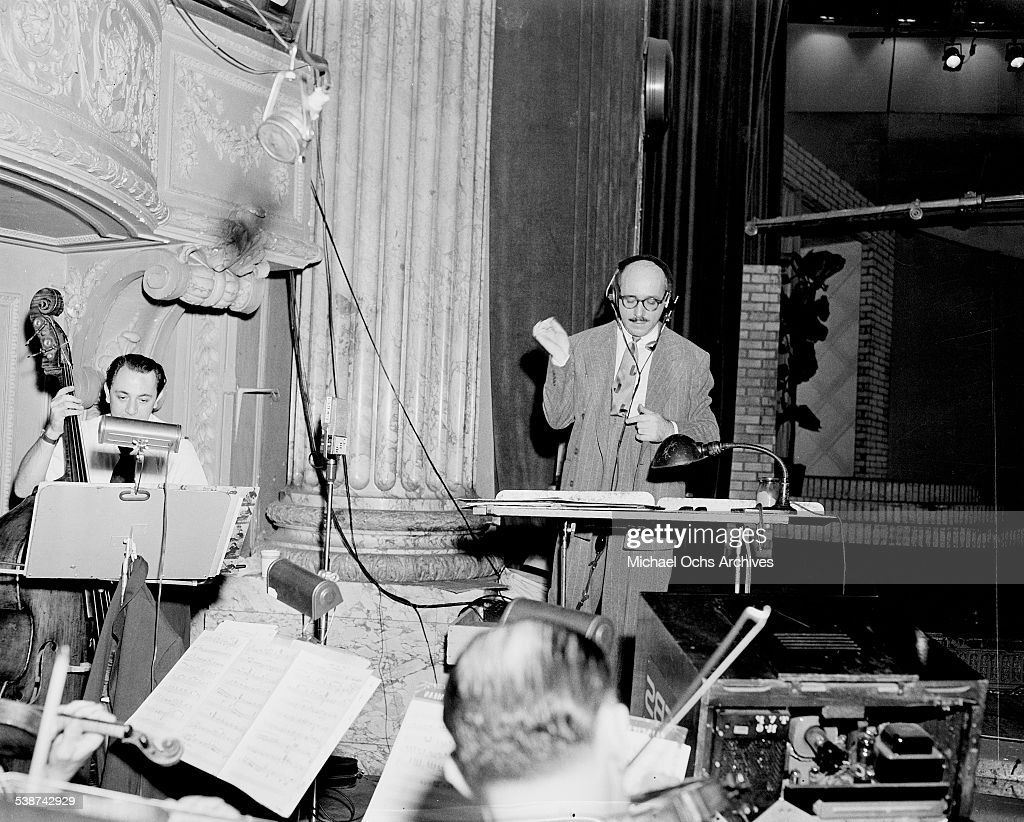
NEW YORK – SEPTEMBER 19: CBS television variety show, ‘Toast of the Town’ (alt.: The Ed Sullivan Show). The program features host and emcee Ed Sullivan. Pictured is the Ray Bloch (standing with headset on), musical director of The Ed Sullivan Show, with musicians. September 19, 1948. (Photo by CBS via Getty Images)
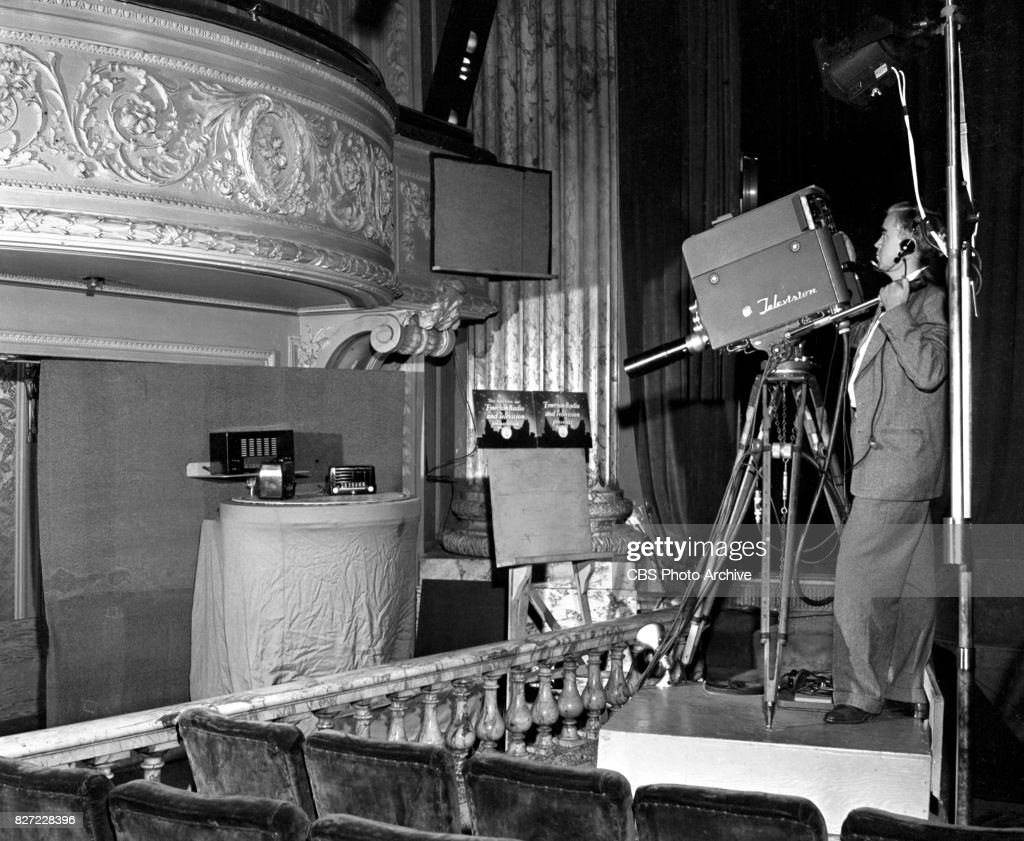
NEW YORK – SEPTEMBER 19: CBS television variety show, ‘Toast of the Town’ (alt.: The Ed Sullivan Show). The program features host and emcee Ed Sullivan. Pictured is a cameraman filming Emerson radios. Emerson Radio Corporation was an early sponsor of the program. September 19, 1948. (Photo by CBS via Getty Images)
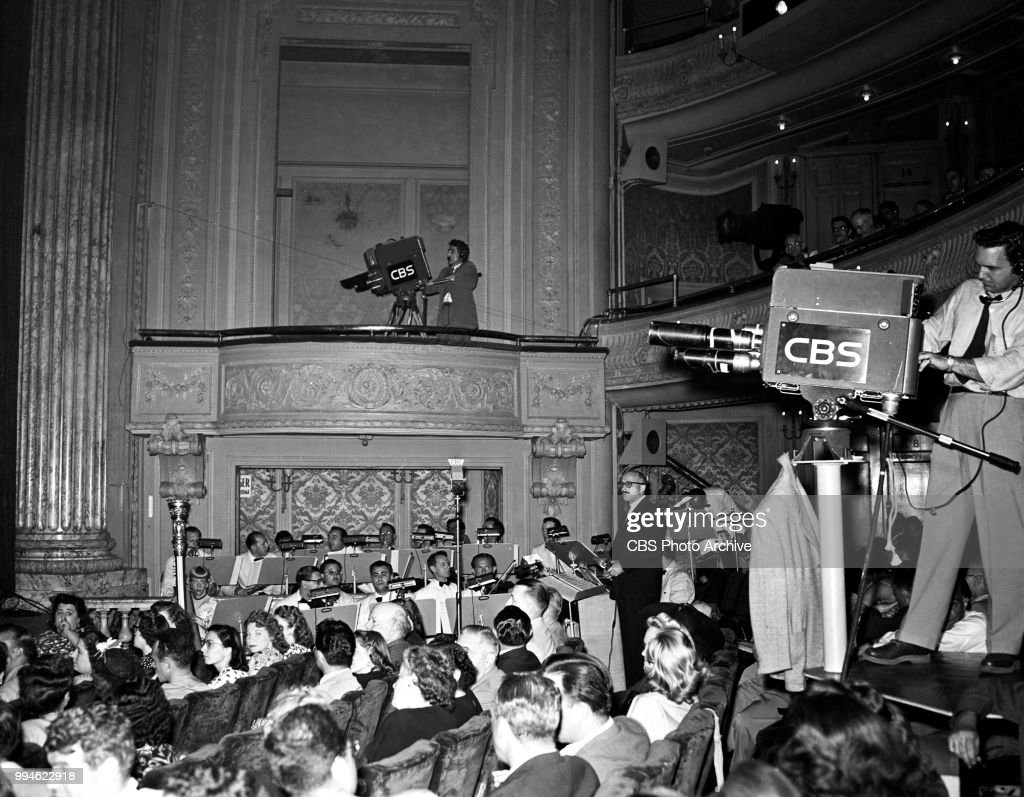
NEW YORK – JULY 2: Staff and crew members work on the broadcast of an episode of the CBS television program, Toast of the Town (The Ed Sullivan Show). Image dated: July 2, 1948 New York, NY. (Photo by CBS via Getty Images)
NEW YORK – JULY 2: Crew members work on the broadcast of an episode of the CBS television program, Toast of the Town (The Ed Sullivan Show). Image dated: July 2, 1948 New York, NY. (Photo by CBS via Getty Images)
NEW YORK – AUGUST 20,1950: Ray Bloch leads his orchestra during rehearsal for “Toast of the Town” hosted by Ed Sullivan at the Maxine Elliott Theater in New York,New York.(Photo by Steve Oroz/Michael Ochs Archives/Getty Images)
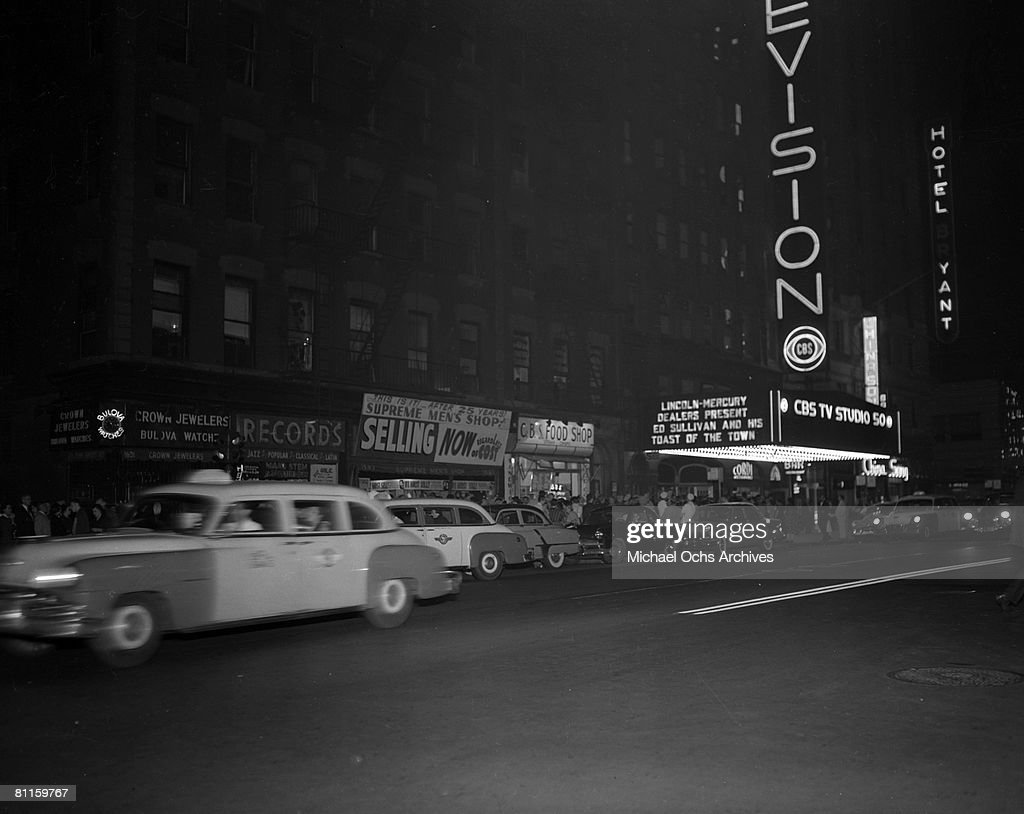
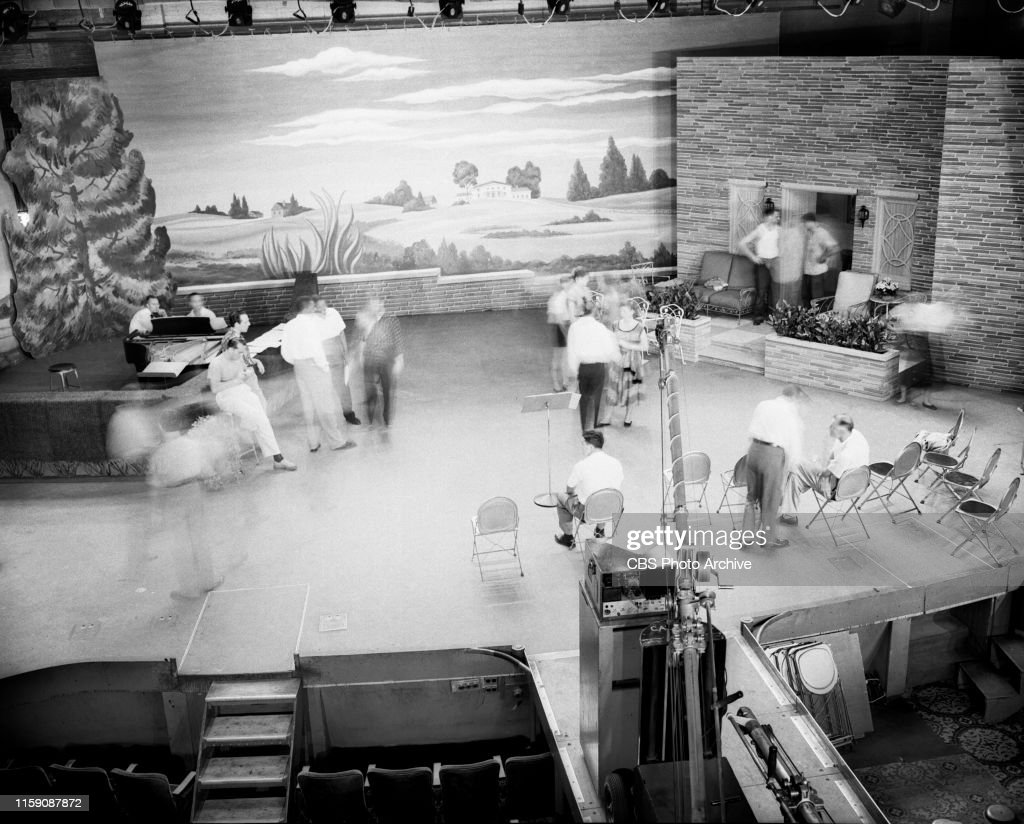
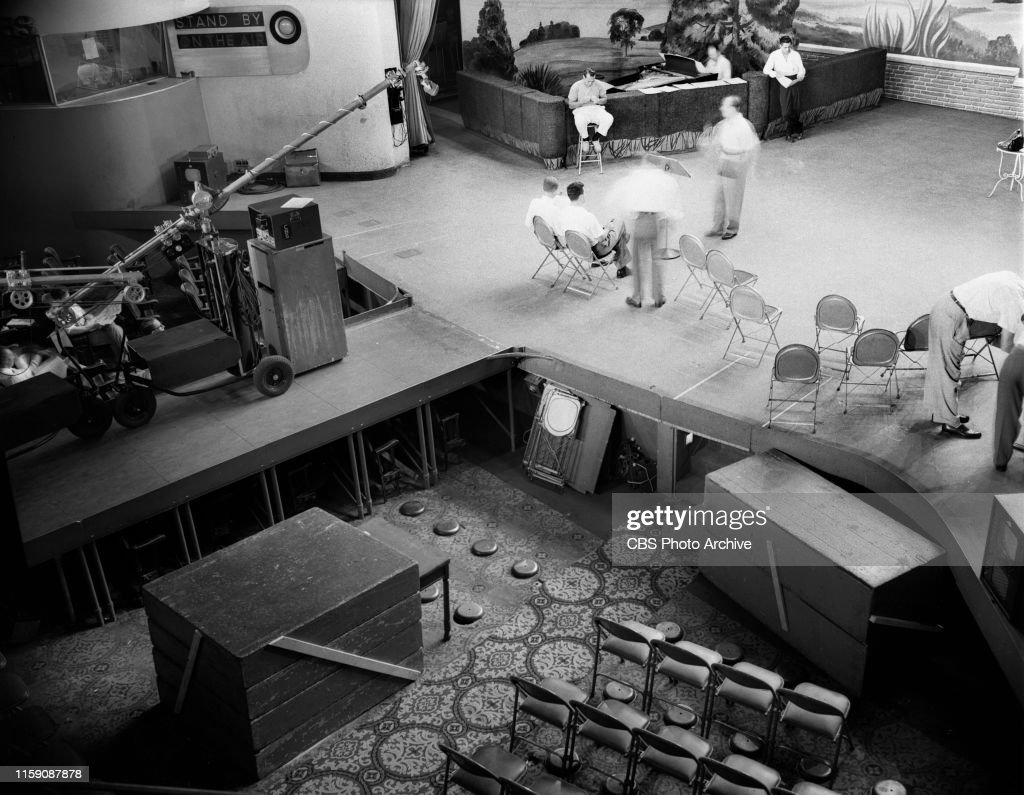
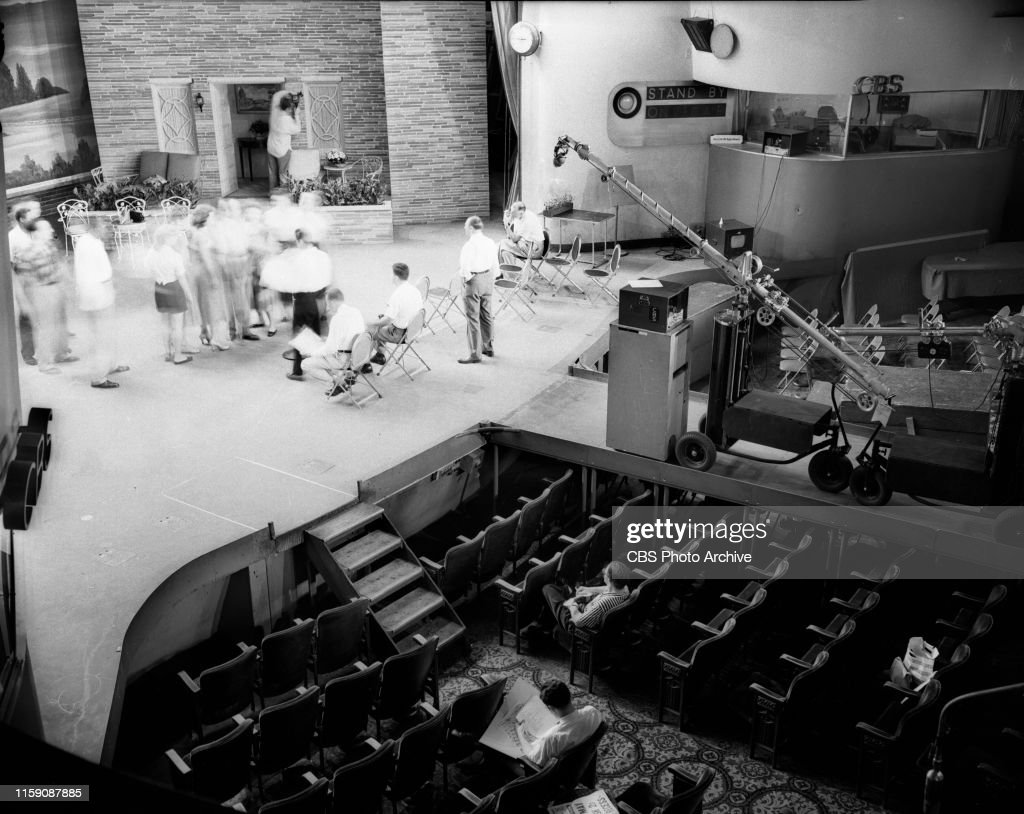
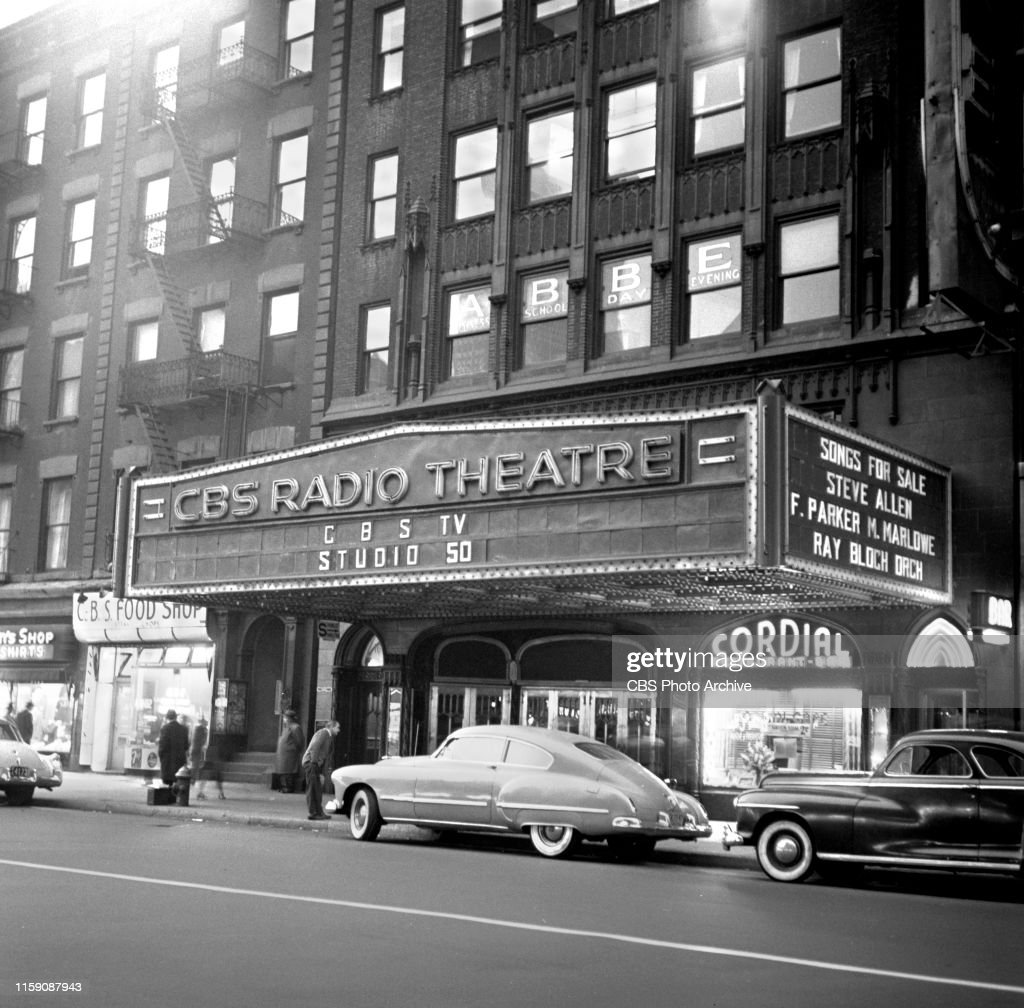
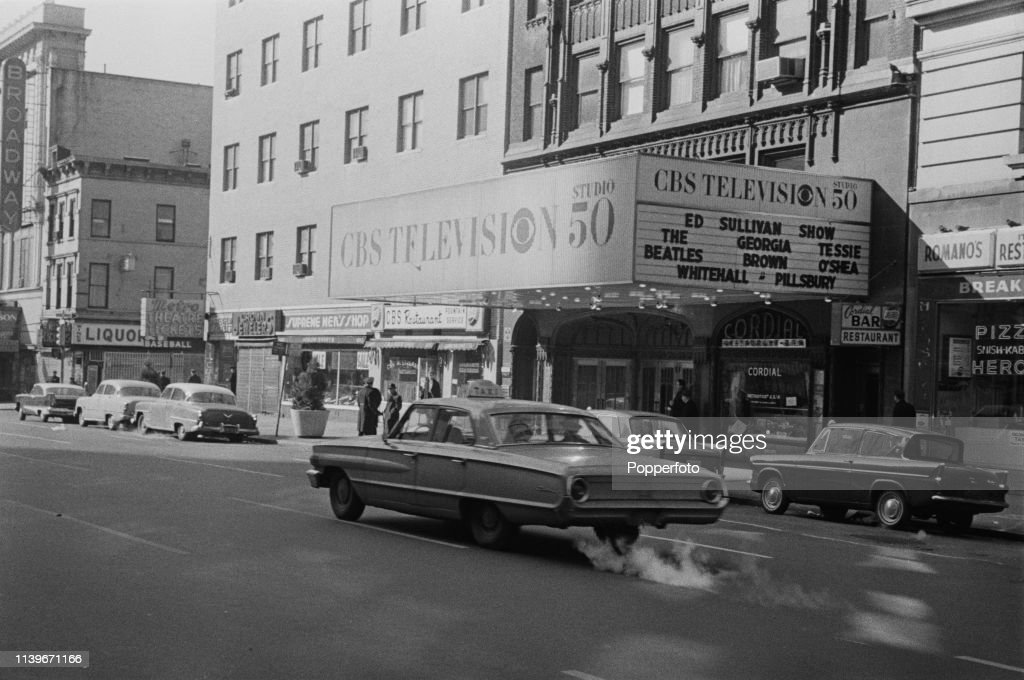
The RCA TK30 Era Extends to Studio 50: This second TK30 part is to commemorate the move from CBS Studio 51 (The Maxine Elliott Theater at 109 W. 39th Street) to CBS Studio 50 (at 1697 Broadway) in January of 1953. The cameras were still RCA TK30s but it was a much larger venue. (THE TOAST OF THE TOWN ran from 1948-1955 when the name changed to THE ED SULLIVAN SHOW).
These first 4 photos are from 2 years before Sullivan’s show moved in, but do show the first television configuration for Studio 50 and the show set seen here is what I believe is ARTHUR GODFREY AND FRIENDS.
These historical images are from the CBS Photo Archives available through Getty Images and are presented here to assist researchers and television historians in identifying the television equipment in use over the decades and is offered here in a purely educational/instructional forum.
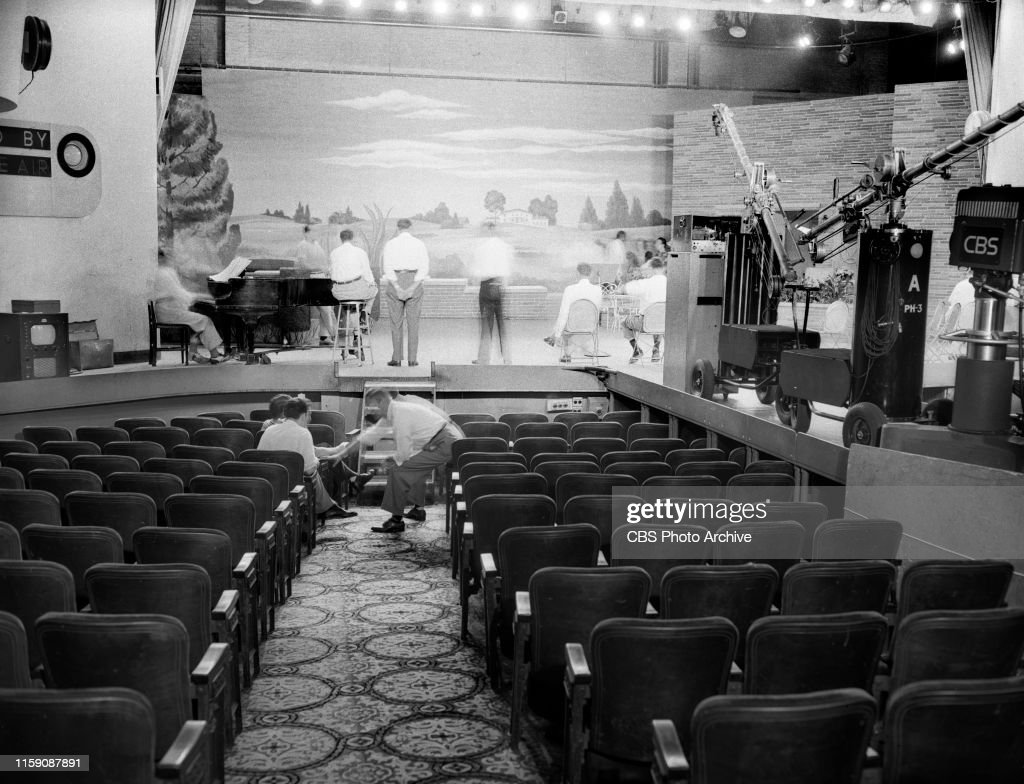
NEW YORK – JULY 31: CBS Radio Playhouse number 3. Interior view. 1697 Broadway at West 53rd Street, New York, NY. Image dated July 31, 1951. Originally known as Hammerstein’s Theater, later became the Manhattan Theater. In 1936, leased by CBS, it became CBS Radio Playhouse number 3, and later as CBS Television Studio 50. Finally, as The Ed Sullivan Theater. (Photo by CBS via Getty Images)
NEW YORK – JULY 31: CBS Radio Playhouse number 3. Interior view. 1697 Broadway at West 53rd Street, New York, NY. Image dated July 31, 1951. Originally known as Hammerstein’s Theater, later became the Manhattan Theater. In 1936, leased by CBS, it became CBS Radio Playhouse number 3, and later as CBS Television Studio 50. Finally, as The Ed Sullivan Theater. (Photo by CBS via Getty Images)
NEW YORK – JULY 31: CBS Radio Playhouse number 3. Interior view. 1697 Broadway at West 53rd Street, New York, NY. Image dated July 31, 1951. Originally known as Hammerstein’s Theater, later became the Manhattan Theater. In 1936, leased by CBS, it became CBS Radio Playhouse number 3, and later as CBS Television Studio 50. Finally, as The Ed Sullivan Theater. (Photo by CBS via Getty Images)
NEW YORK – JULY 31: CBS Radio Playhouse number 3. Interior view. 1697 Broadway at West 53rd Street, New York, NY. Image dated July 31, 1951. Originally known as Hammerstein’s Theater, later became the Manhattan Theater. In 1936, leased by CBS, it became CBS Radio Playhouse number 3, and later as CBS Television Studio 50. Finally, as The Ed Sullivan Theater. (Photo by CBS via Getty Images)
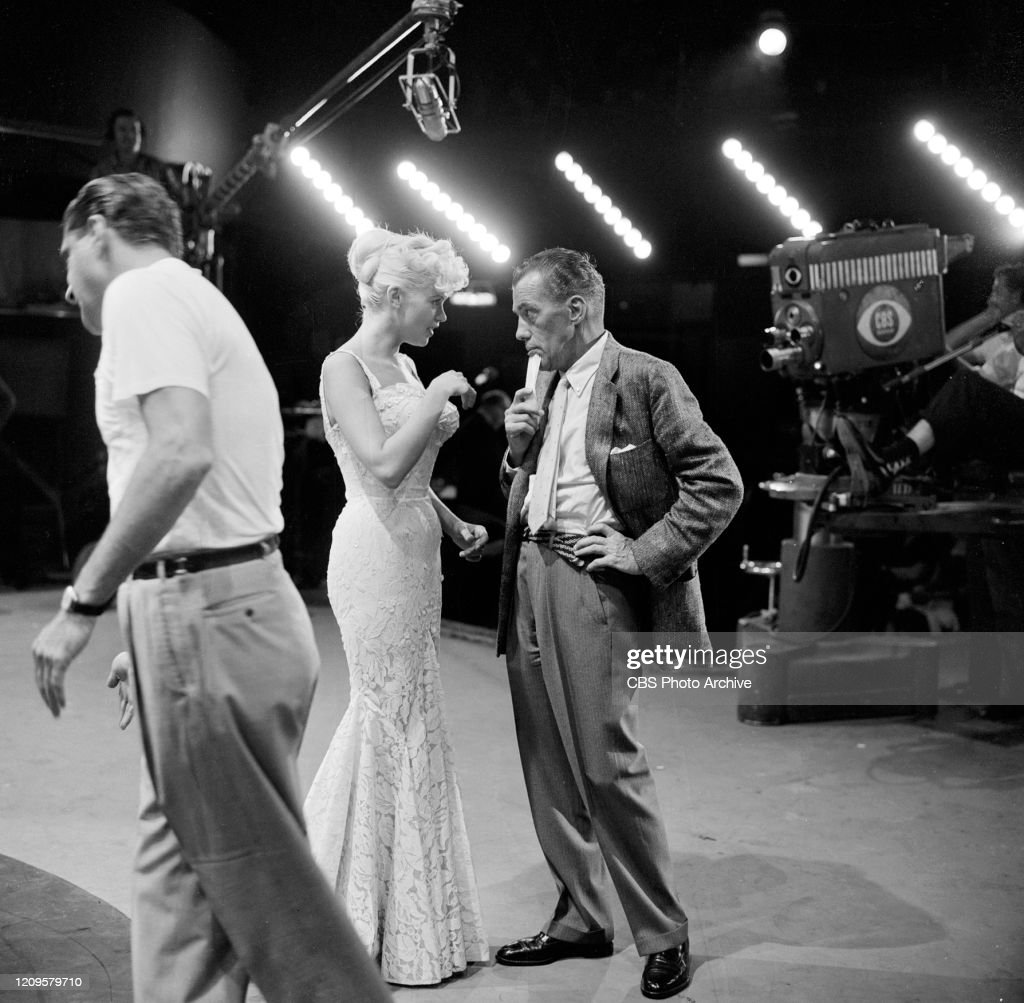
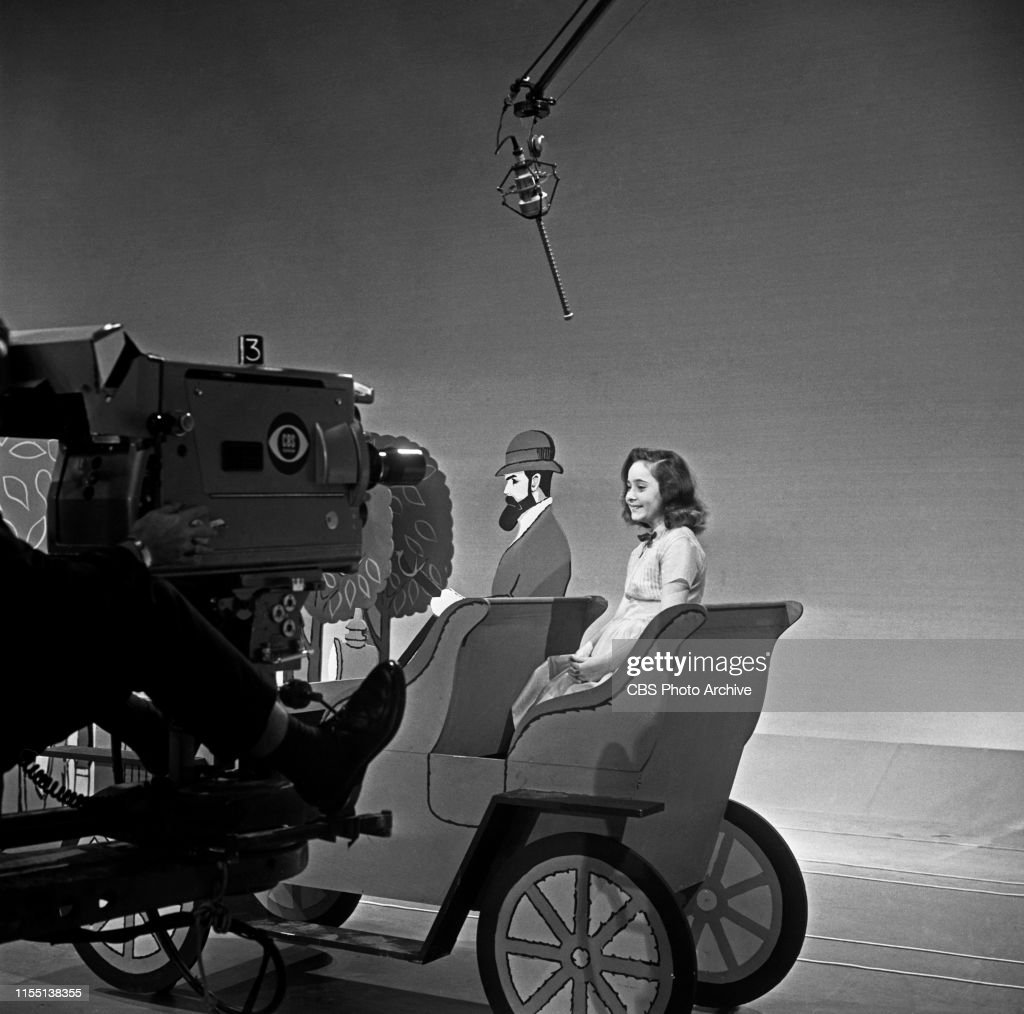
NEW YORK – AUGUST 11: Jayne Mansfield appears with Ed Sullivan on “The Ed Sullivan Show” on August 11, 1957. (Photo by CBS via Getty Images)
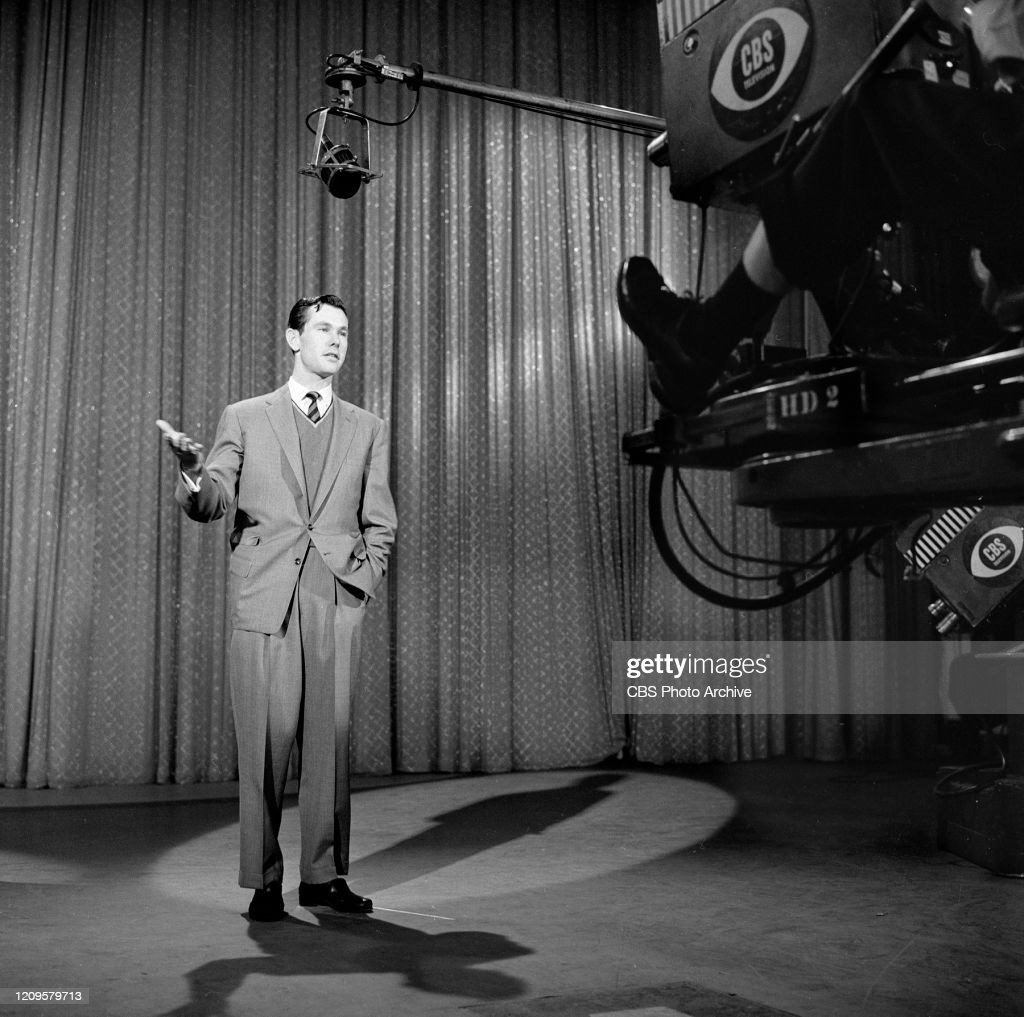
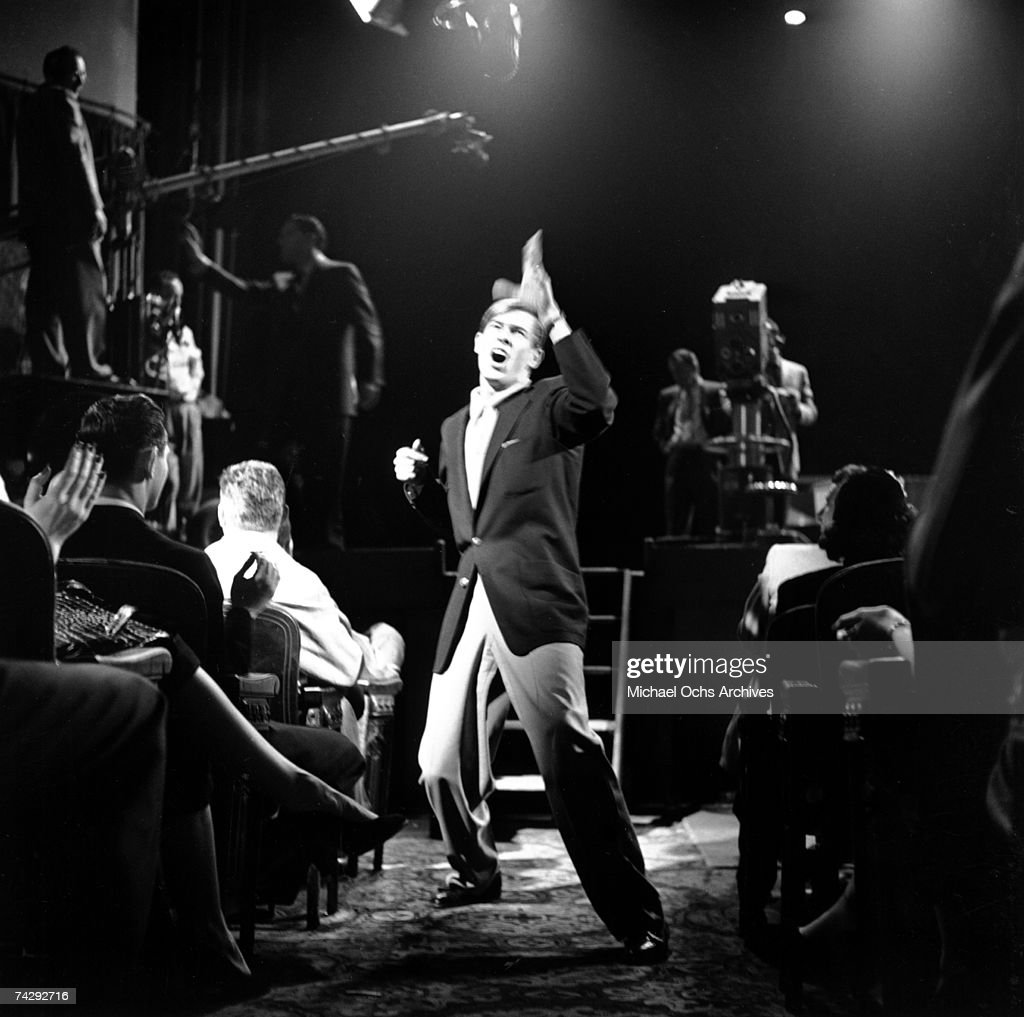
NEW YORK – FEBRUARY 10: Johnny Carson performs on “The Ed Sullivan Show” on February 10, 1957. (Photo by CBS via Getty Images)
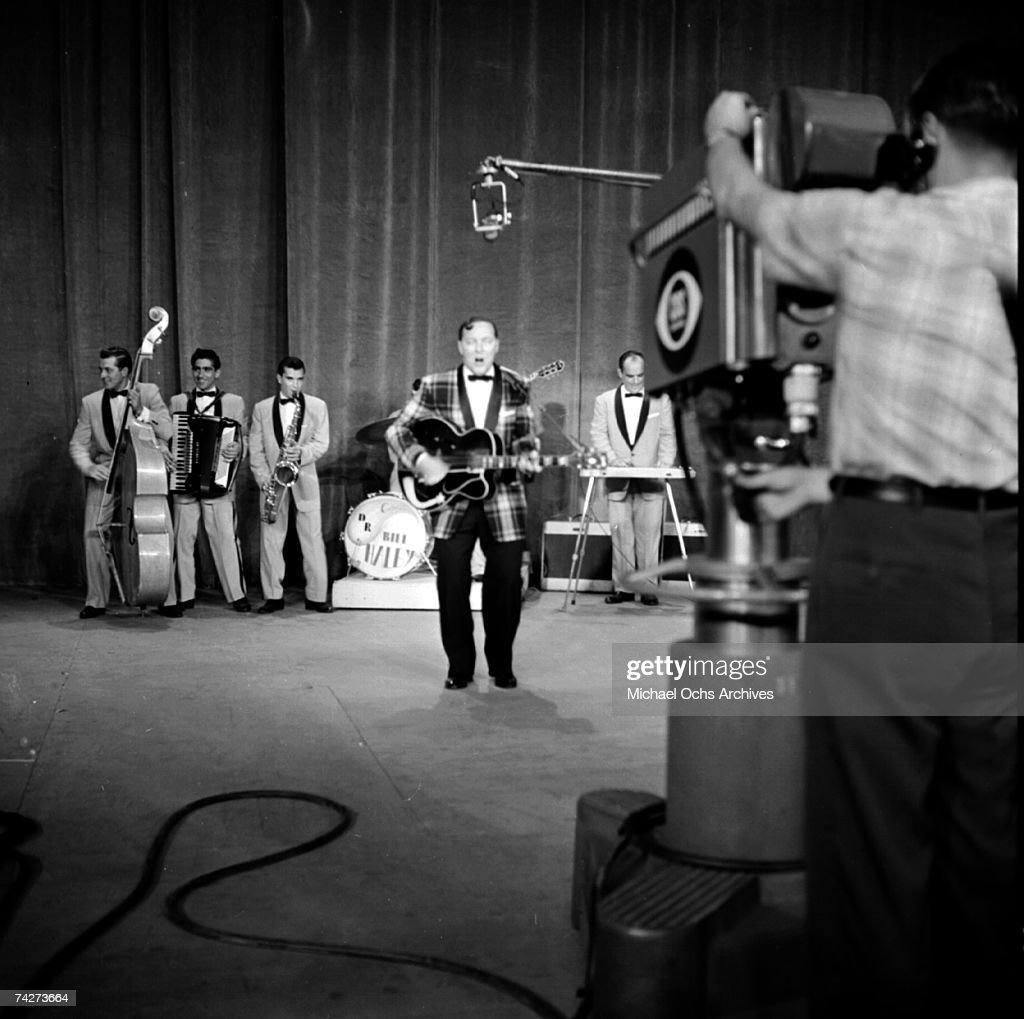
NEW YORK – AUGUST 07: Bill Haley and His Comets perform on The Ed Sullivan Show on August 7, 1955 in New York, New York City. (Photo by Steve Oroz/Michael Ochs Archives/Getty Images)
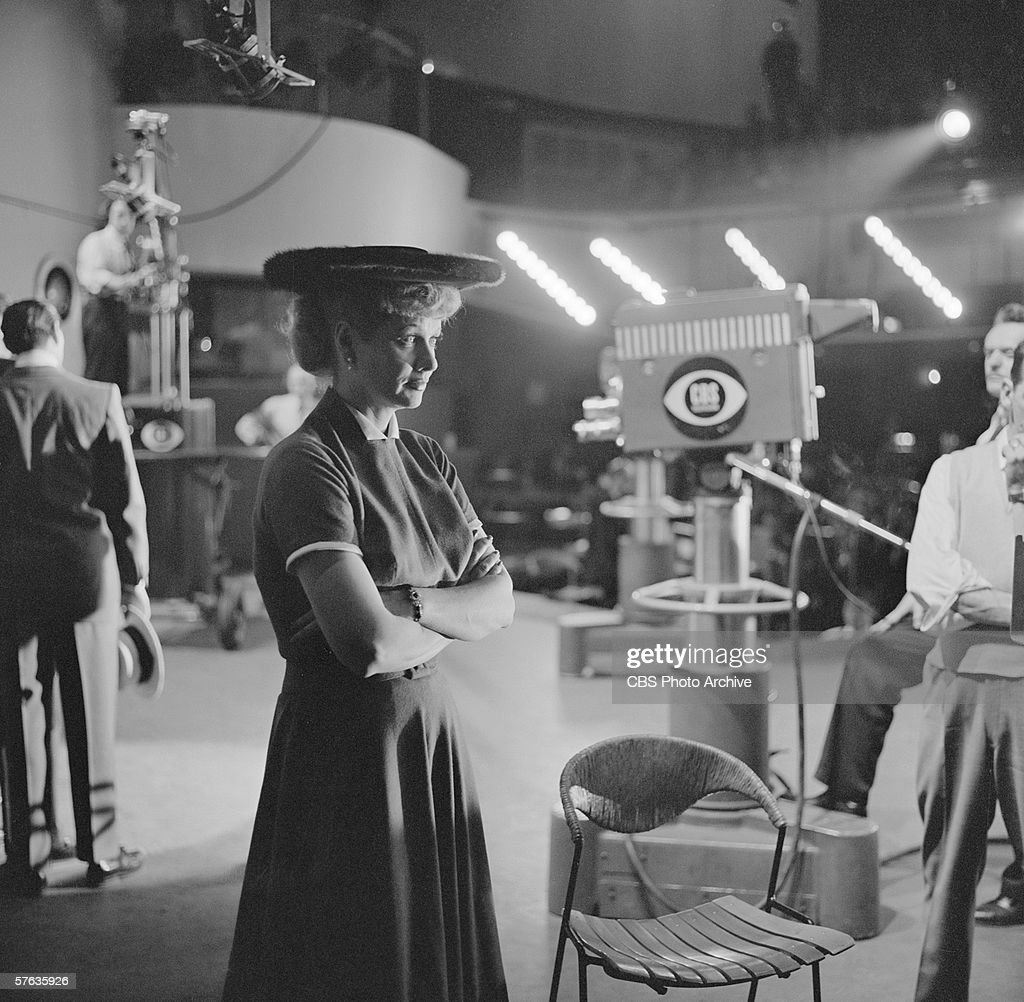
American comedian and actress Lucille Ball (1911 – 1989) stands on the side of the stage at ‘The Ed Sullivan Show,’ New York, New York, February 5, 1956. (Photo by CBS Photo Archive/Getty Images)
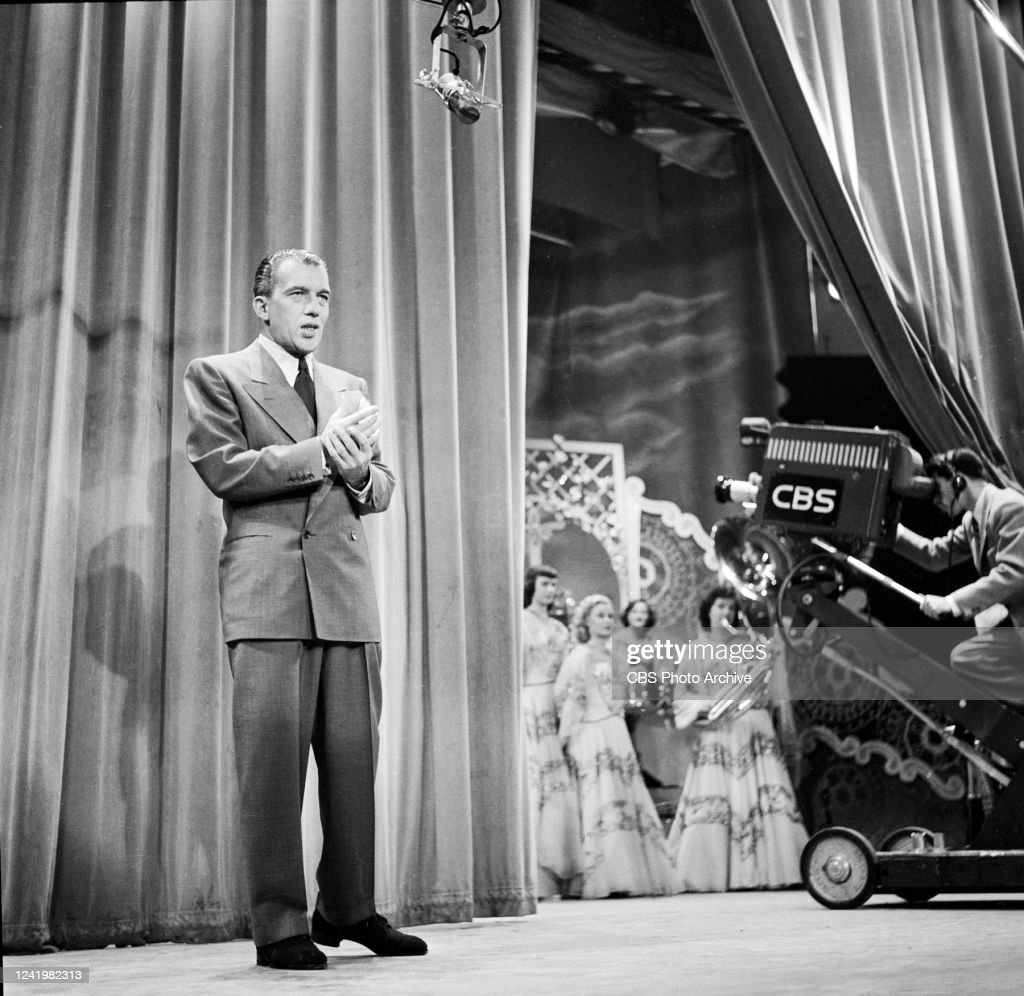
NEW YORK – JANUARY 20: Ed Sullivan hosts “Toast of the Town” on January 20, 1952. (Photo by CBS via Getty Images)
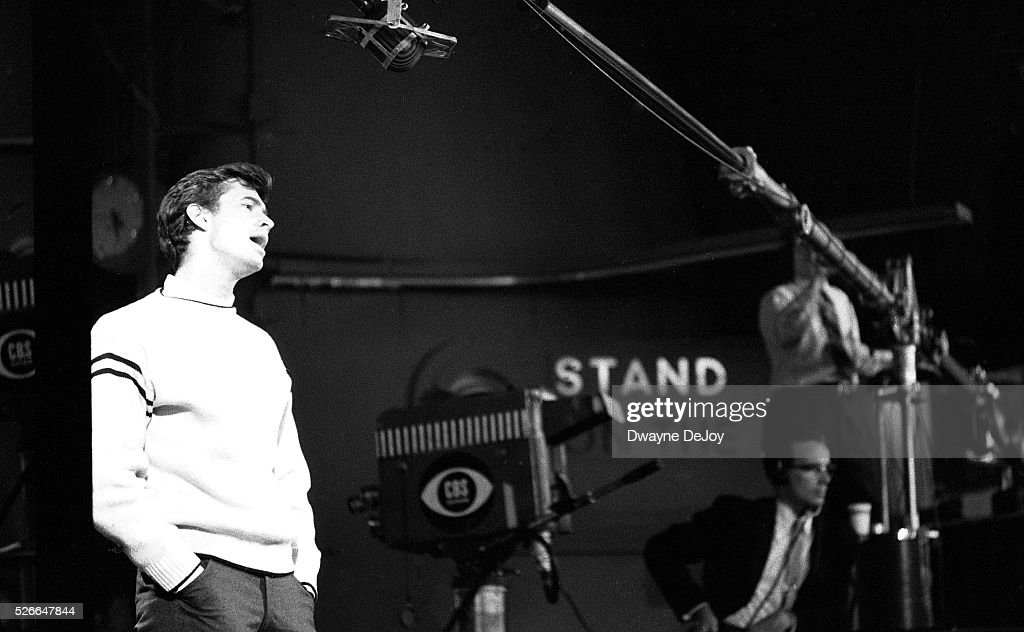
Anthony Perkins, 1957, Ed Sullivan Show at the Sullivan Theatre, NYC, NY Singing (Photo by Dwayne and Gina DeJoy/Corbis via Getty Images)
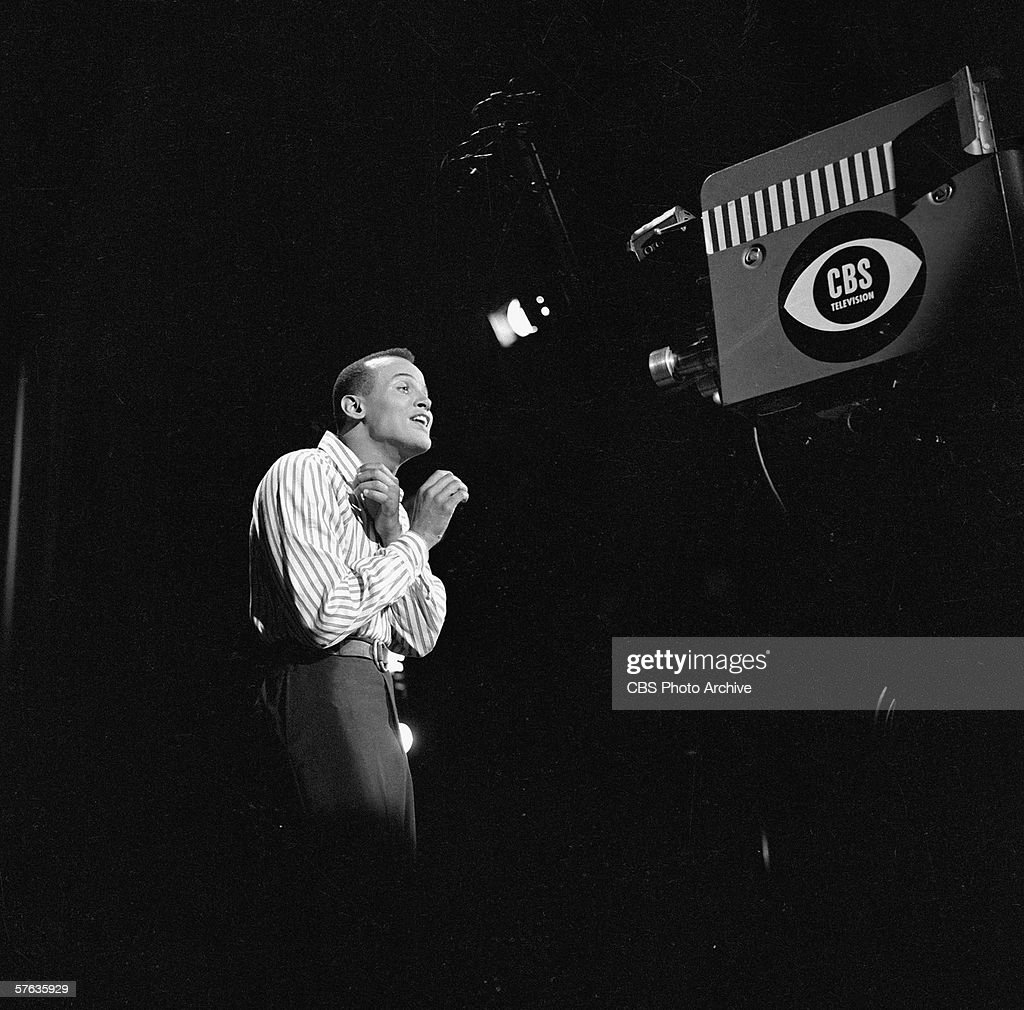
American singer and musician Harry Belafonte sings to the camera on ‘The Ed Sullivan Show,’ New York, New York, October 11, 1953. (Photo by CBS Photo Archive/Getty Images)
NEW YORK – MARCH 1: American singer-songwriter and musician Johnnie Ray (1927 – 1990) performs on the Ed Sullivan Show on March 1, 1953 in New York City, New York. (Photo by Steve Oroz/Michael Ochs Archives/Getty Images)
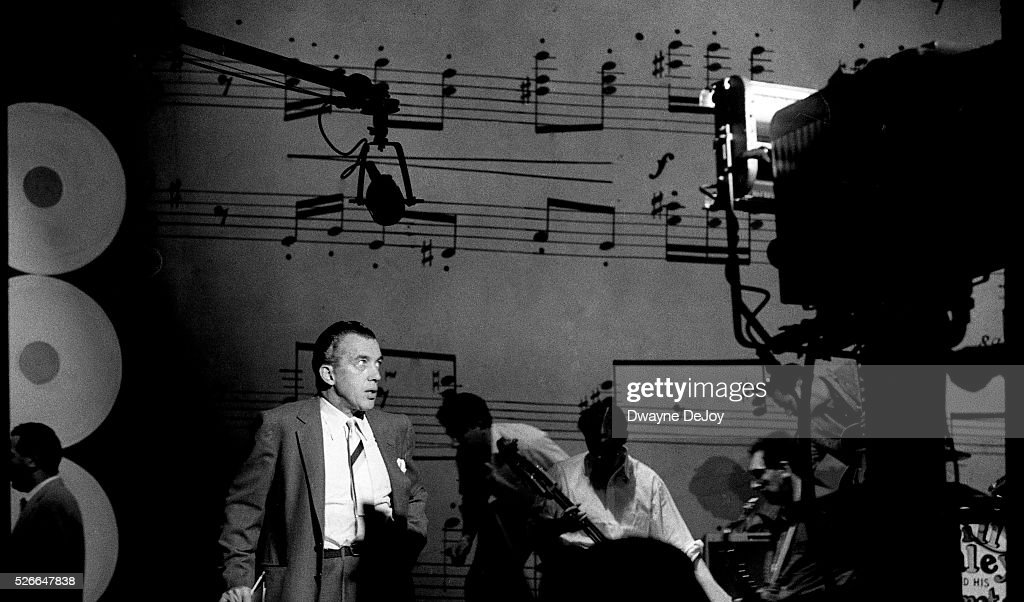
Ed Sullivan, on the Television Show, 1957 NYC, Ed Sullivan Theater (Photo by Dwayne and Gina DeJoy/Corbis via Getty Images)
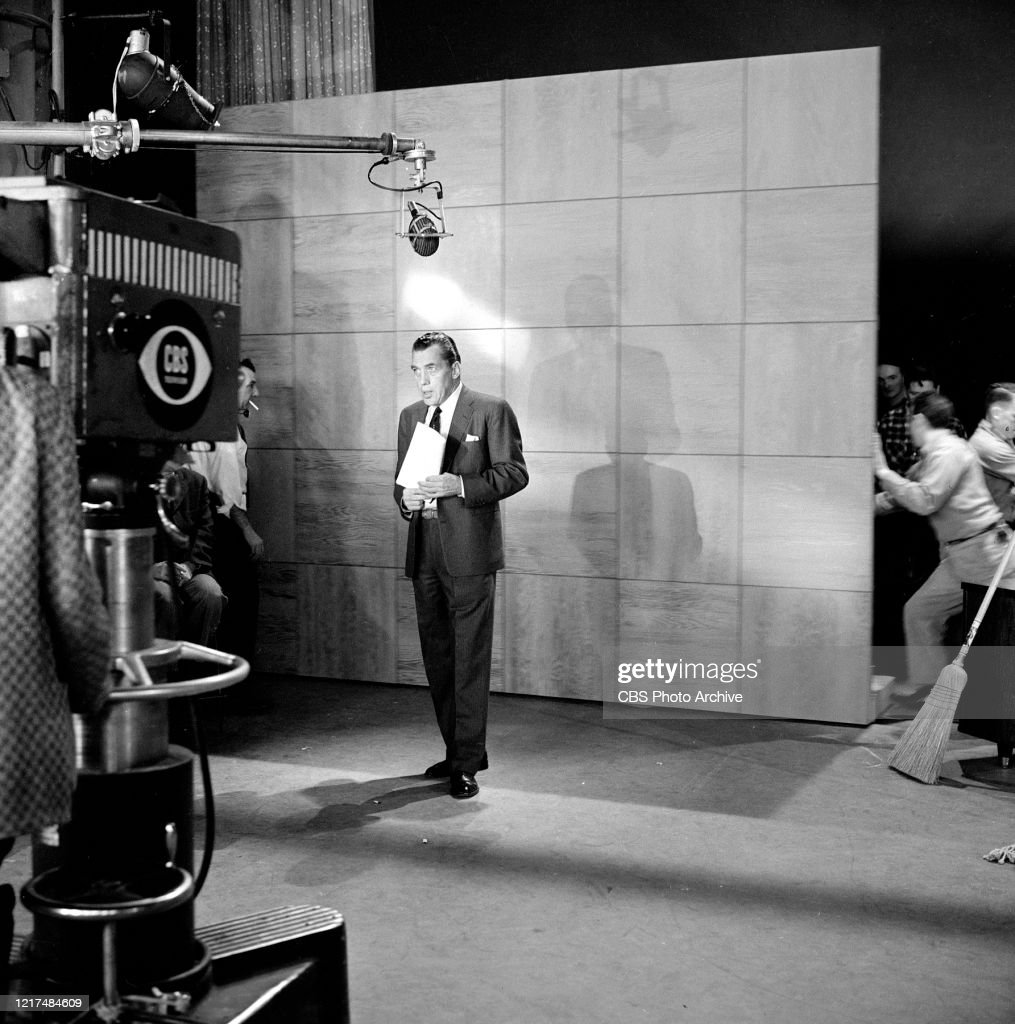
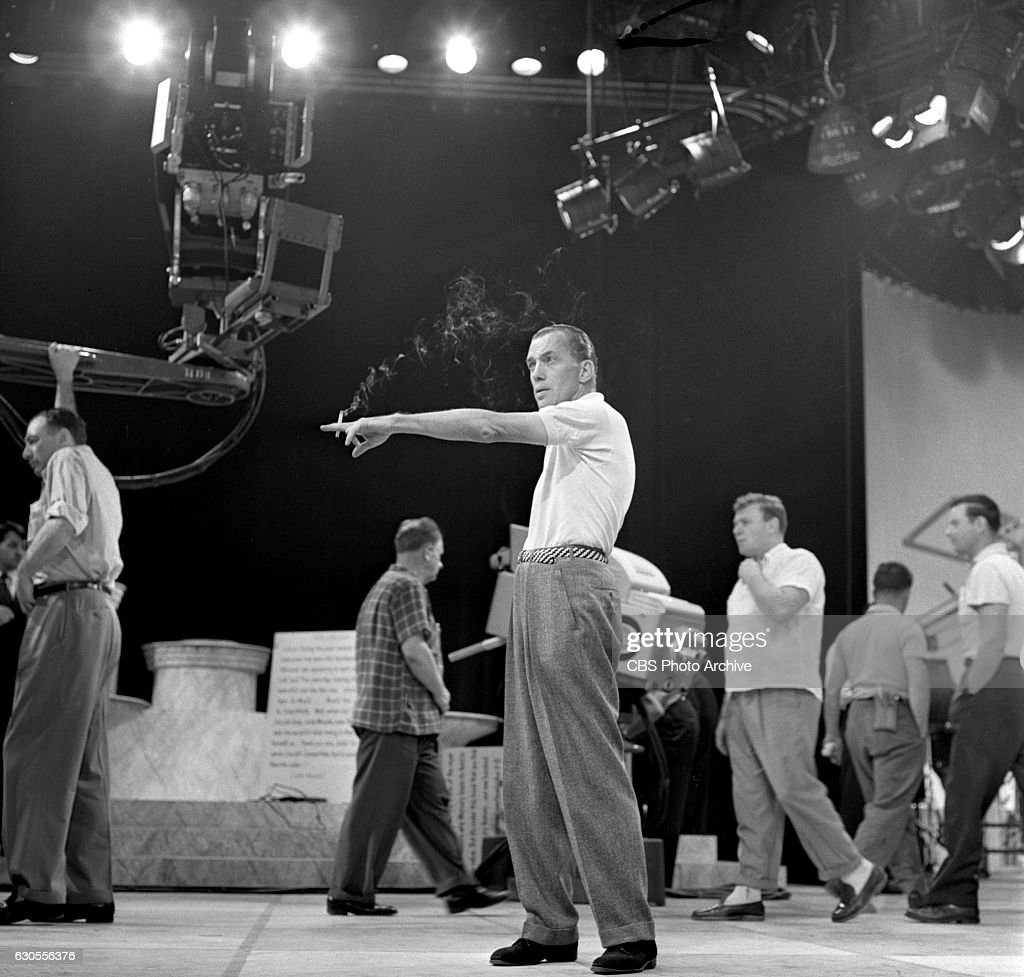
LOS ANGELES – JANUARY 14: Ed Sullivan is seen on set of “The Ed Sullivan Show” on January 14, 1957. (Photo by CBS via Getty Images)
FRANKLY, I think the photo above is mislabled and is acutally in Studio 50 as the man with the cigarette to Ed’s right is NYC Stage Manager Eddie Brinkman.
American television personality Ed Sullivan (1902 – 1974) on the set of his show ‘Talk of the Town, New York, New York, June 26, 1955. (Photo by CBS Photo Archive/Getty Images)
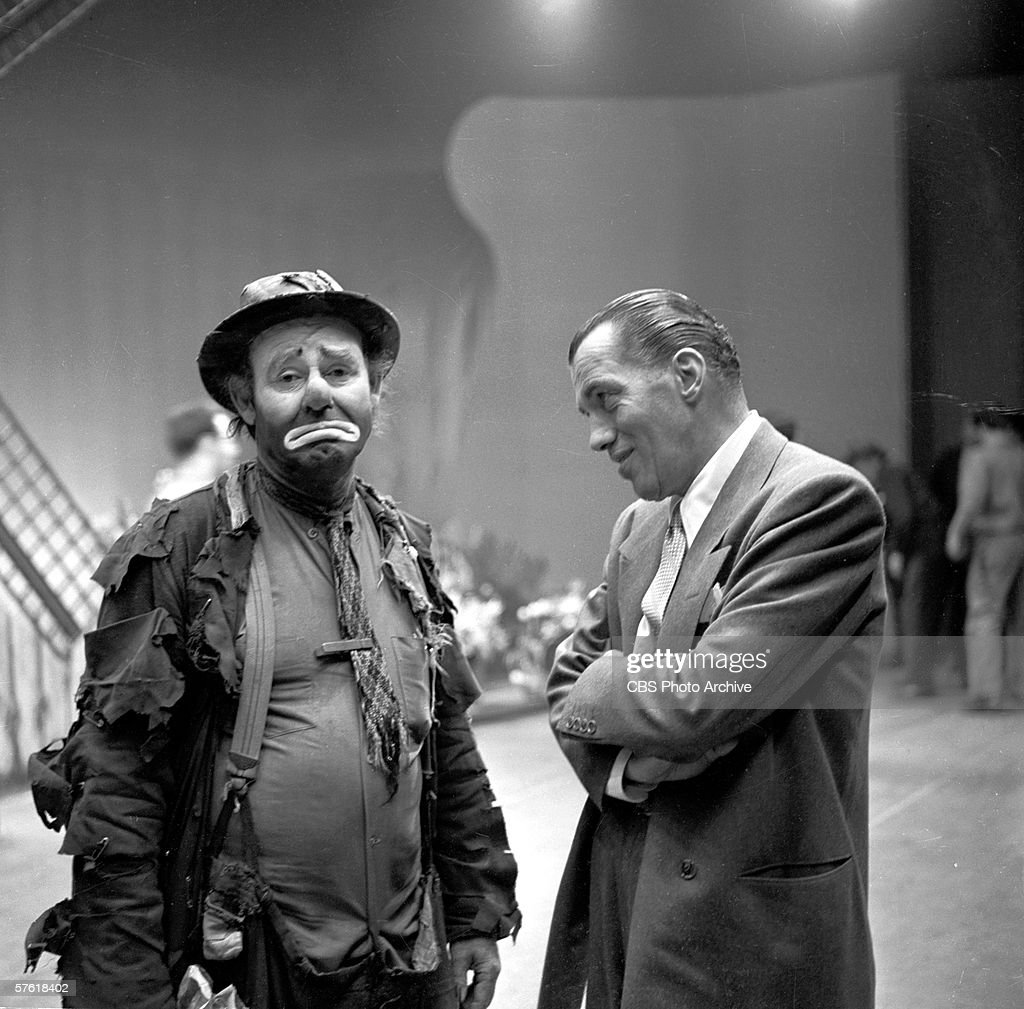
American television personality Ed Sullivan (1902 – 1974) (left) jokes with a clown from the Ringling Brothers Circus on his program, ‘The Ed Sullivan Show,’ New York, New York, April 5, 1953. (Photo by CBS Photo Archive/Getty Images)
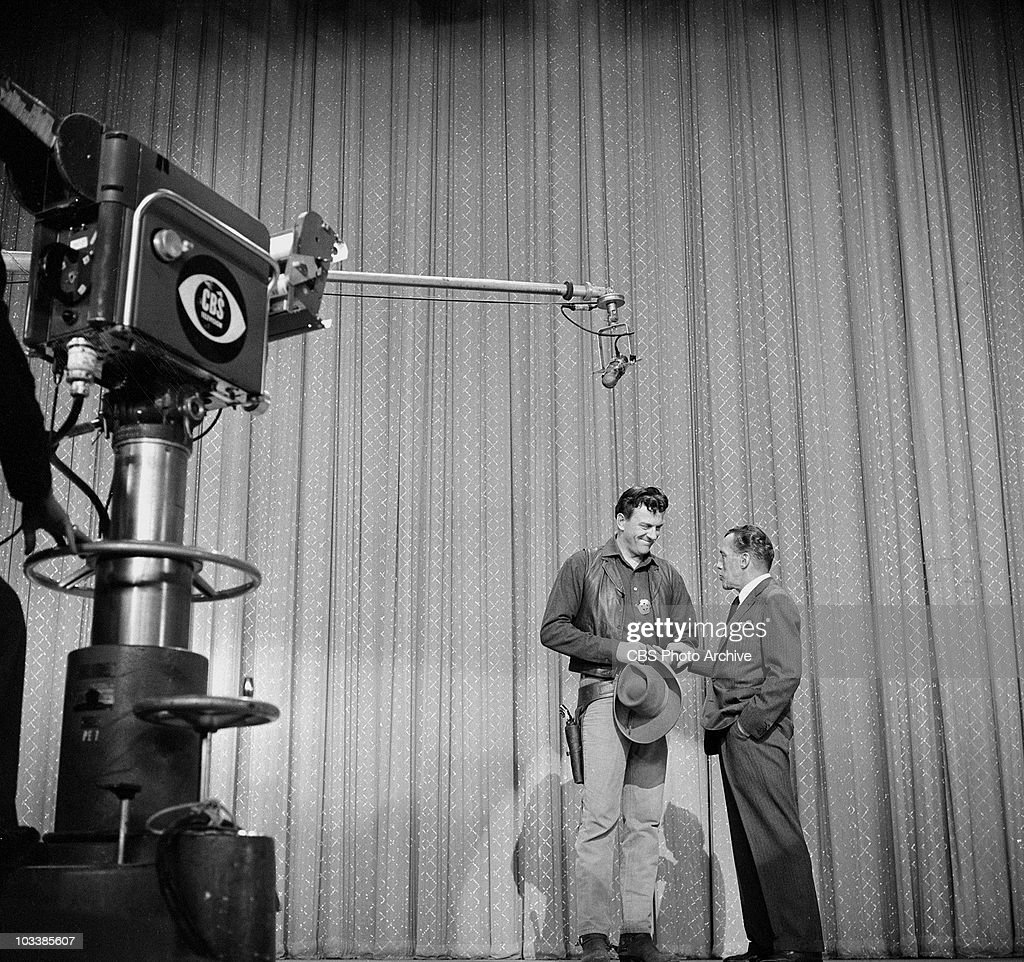
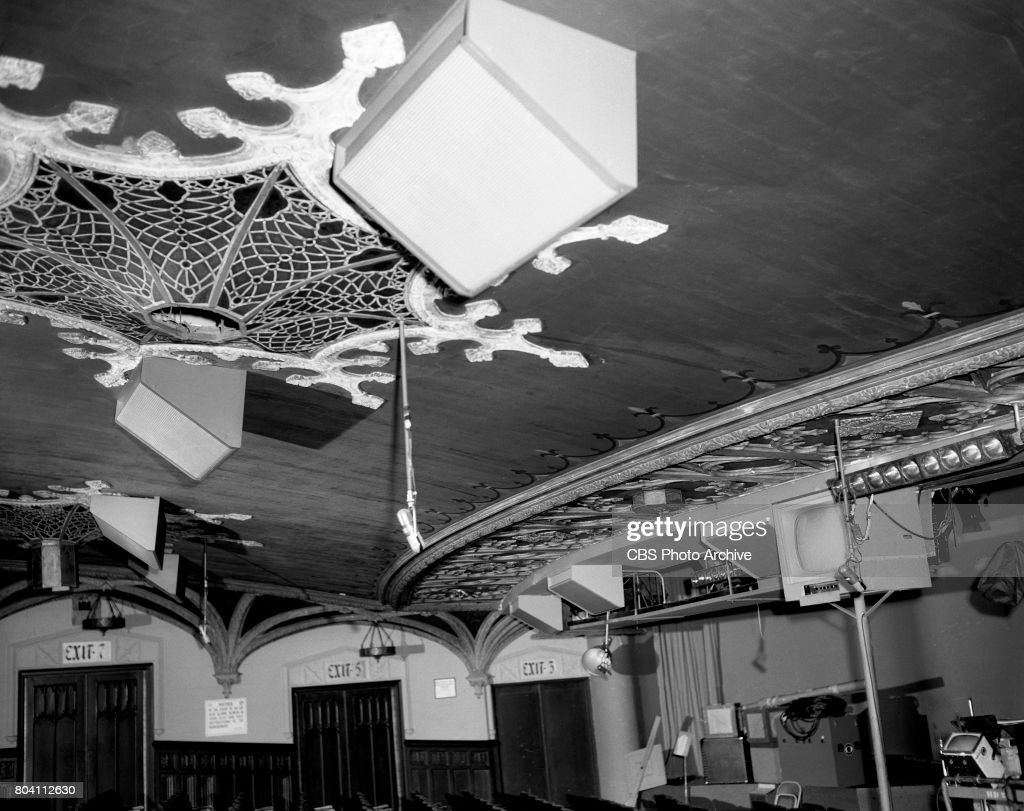
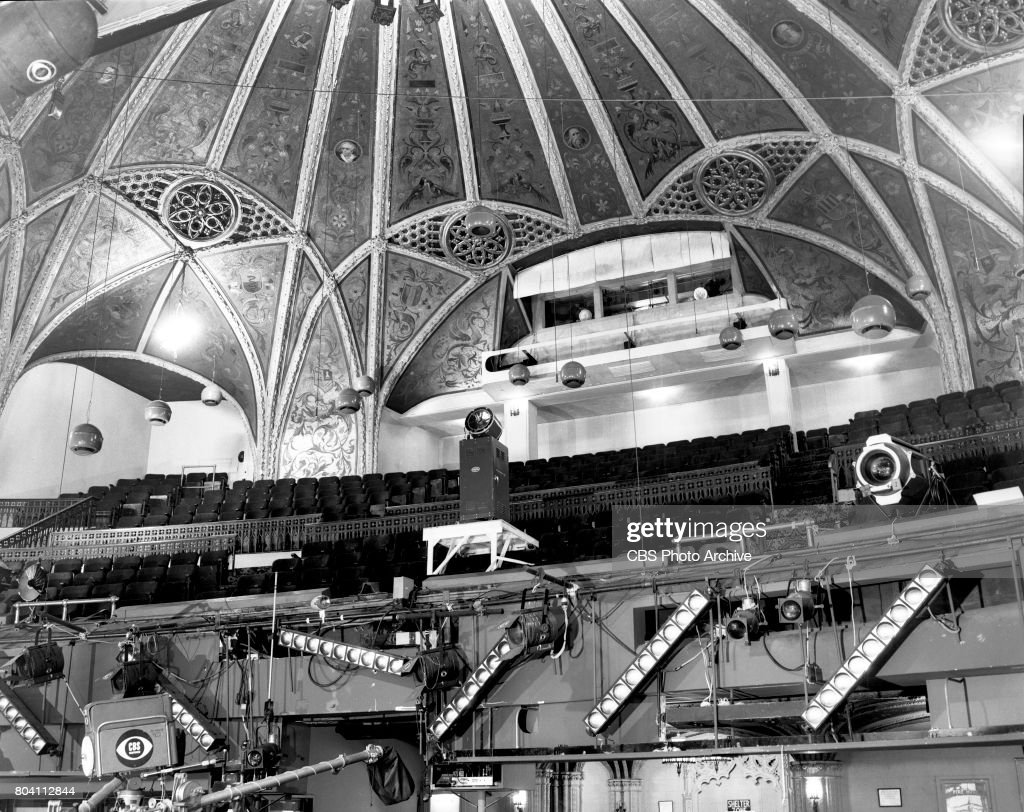
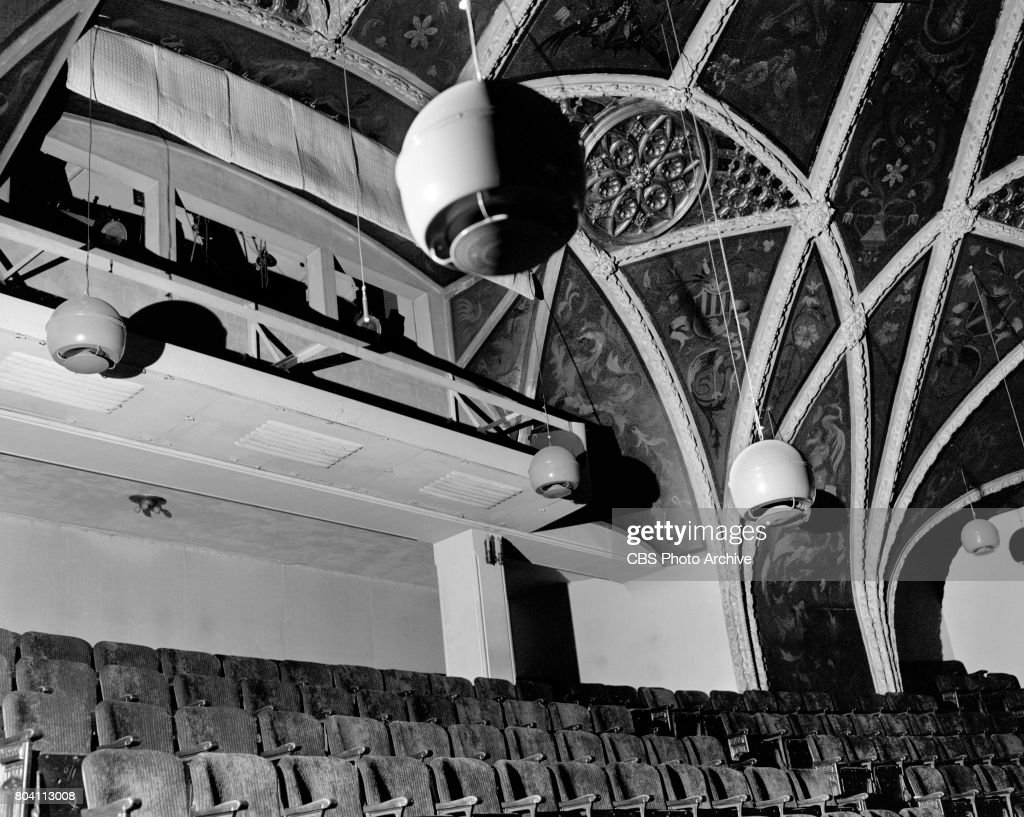
The RCA TK31 Era: This third part features the RCA TK31 Studio Cameras that came out in May of 1952. These look like TK30s with chrome handles. Most of these images are dated 1958, but CBS was using the TK31s as early as 1953 at studio 50. NOTICE…the last 3 photos here show an update to the theater including new RCA big screen projection system for the audience and new audio system. (THE TOAST OF THE TOWN ran from 1948-1955 when the name changed to THE ED SULLIVAN SHOW).
These historical images are from the CBS Photo Archives available through Getty Images and are presented here to assist researchers and television historians in identifying the television equipment in use over the decades and is offered here in a purely educational/instructional forum.
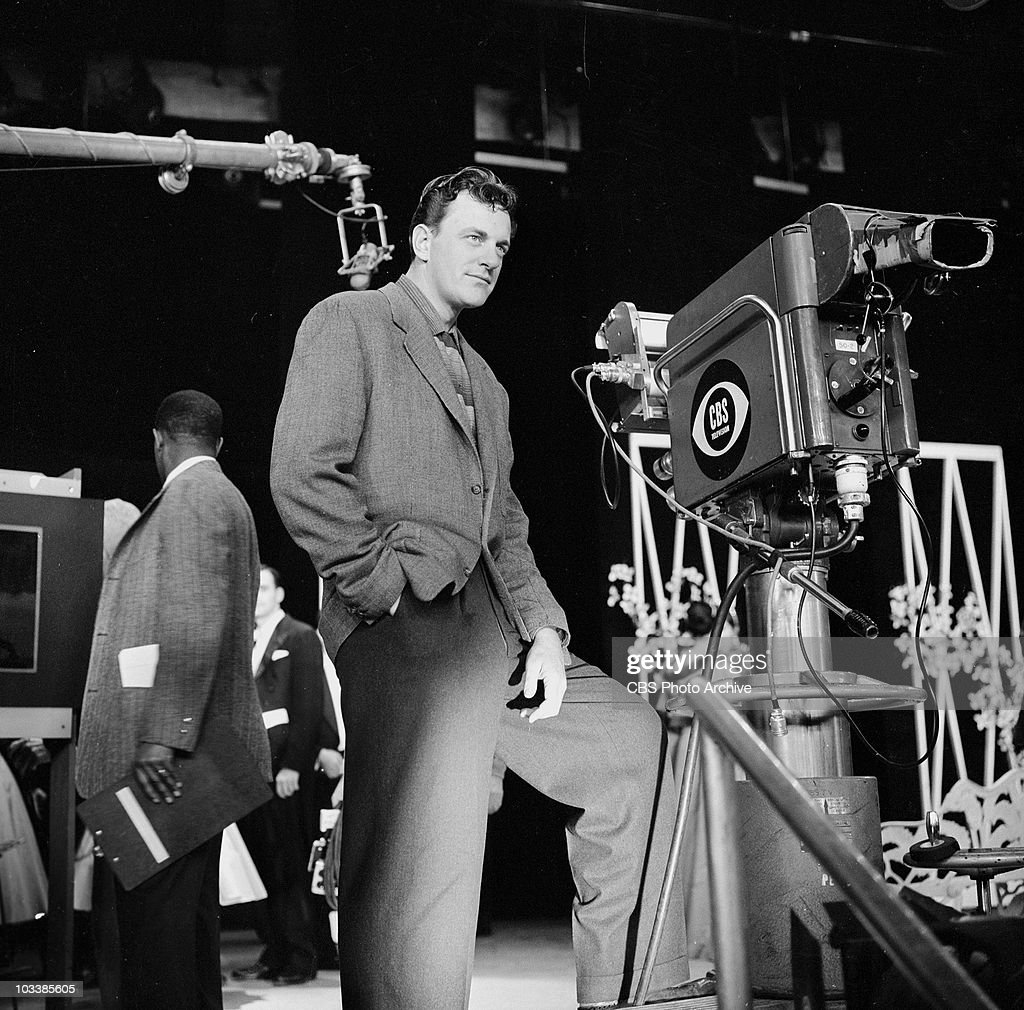
NEW YORK – JANUARY 12: January 12, 1958 James Arness on set of THE ED SULLIVAN SHOW. (Photo by CBS via Getty Images)
NEW YORK – JANUARY 12: January 12, 1958 James Arness talks with Ed Sullivan on THE ED SULLIVAN SHOW. (Photo by CBS via Getty Images)
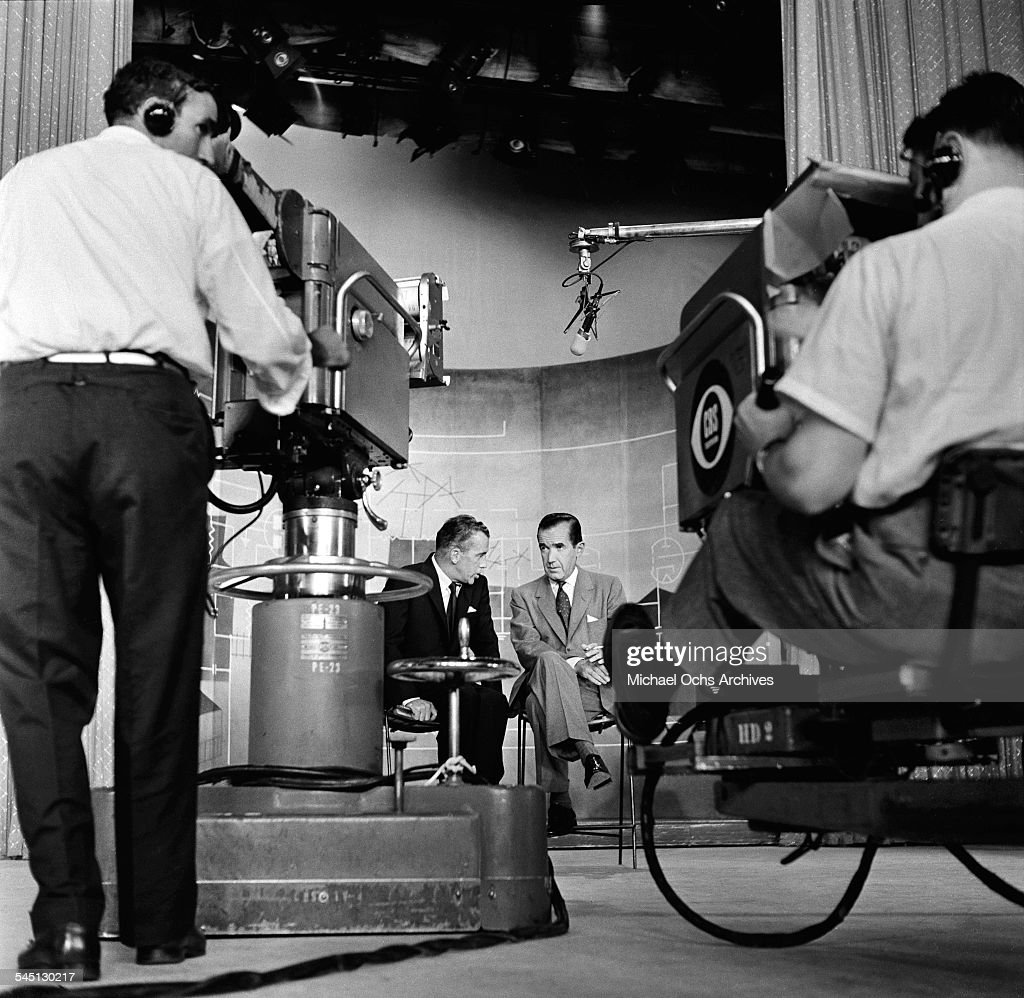
NEW YORK – SEPTEMBER 21,1958: Ed Sullivan interviews Edward R. Murrow. (Photo by Steve Oroz/Michael Ochs Archives/Getty Images)
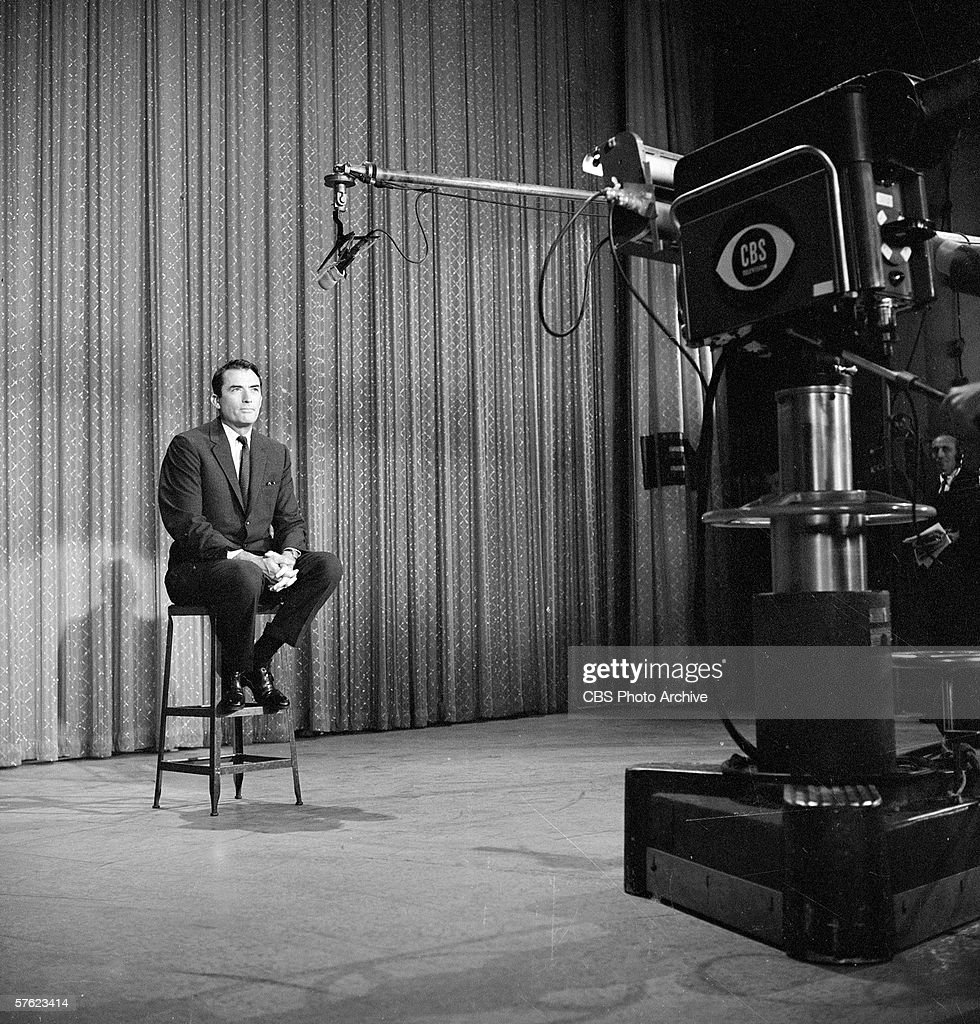
American film actor Gregory Peck (1916 – 2003) sits on a stool with his hands clasped at rehearsal on Ed Sullivan’s CBS variety show, New York, August 17, 1958. (Photo by CBS Photo Archive/Getty Images)
NEW YORK – JULY 9: CBS Television Studio 50 (1697 Broadway at West 53rd Street, New York, NY.) Photo taken after recent installation of microphones, speakers and television equipment. This space is later known as The Ed Sullivan Theater. Image dated July 9, 1958. (Photo by CBS via Getty Images)
NEW YORK – JULY 9: CBS Television Studio 50 (1697 Broadway at West 53rd Street, New York, NY.) Photo taken after recent installation of microphones, speakers and television equipment. This space is later known as The Ed Sullivan Theater. Image dated July 9, 1958. (Photo by CBS via Getty Images)
NEW YORK – JULY 9: CBS Television Studio 50 (1697 Broadway at West 53rd Street, New York, NY.) Photo taken after recent installation of microphones, speakers and television equipment. This space is later known as The Ed Sullivan Theater. Image dated July 9, 1958. (Photo by CBS via Getty Images)
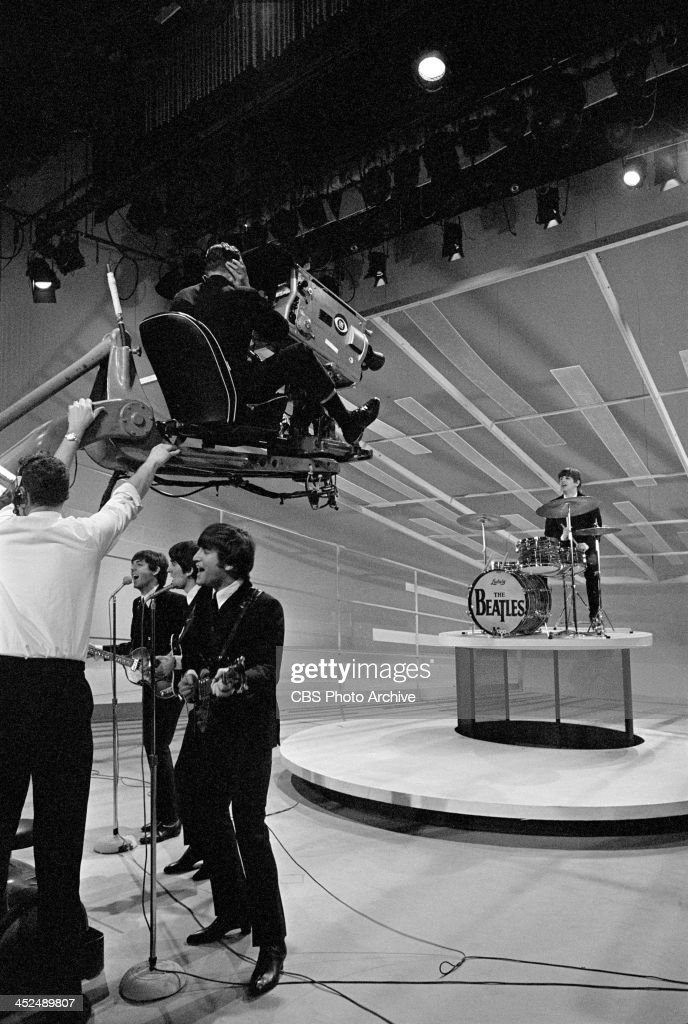
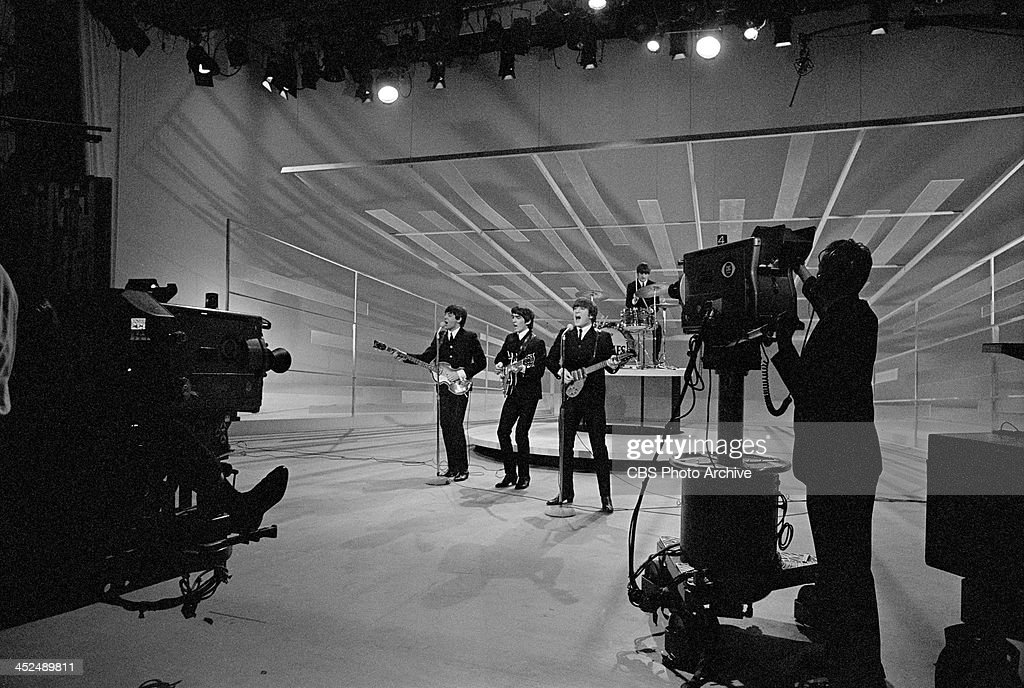
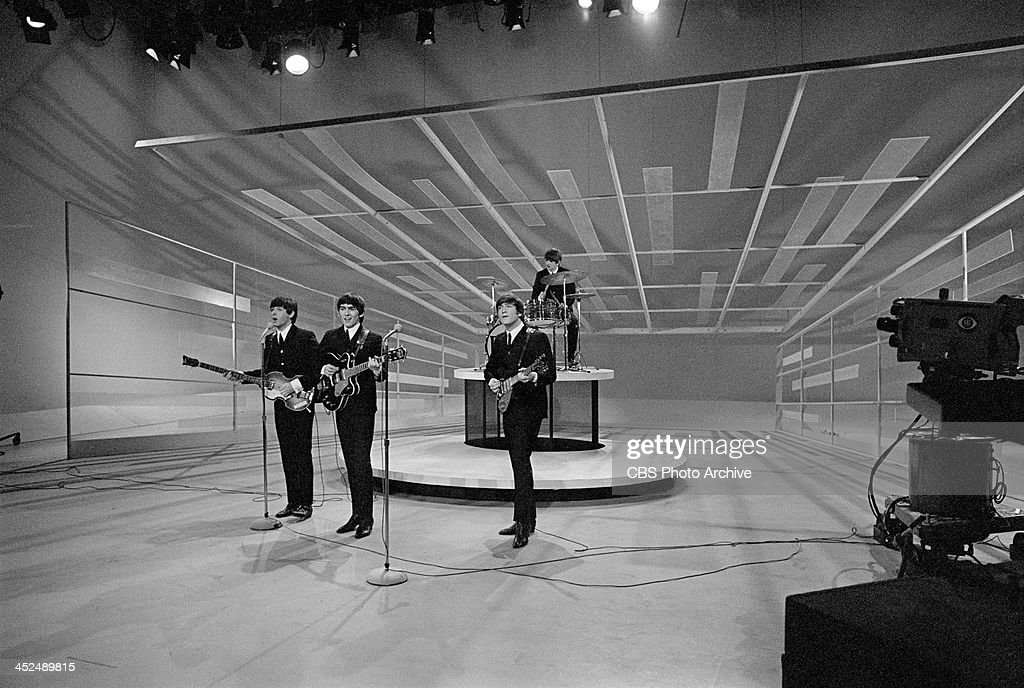
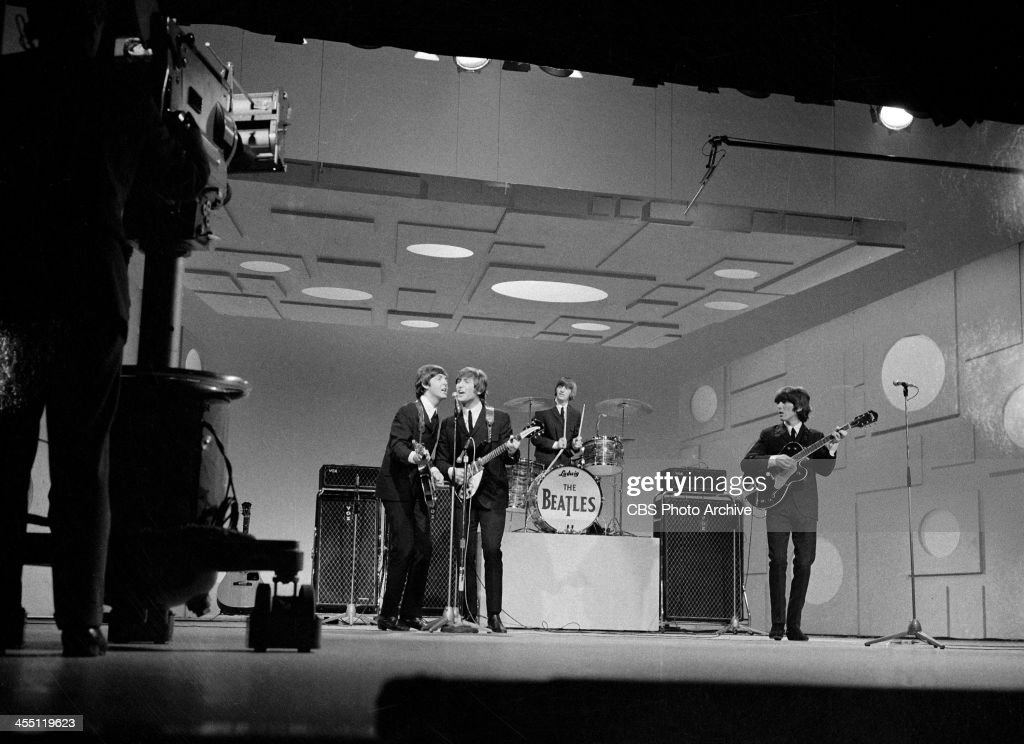
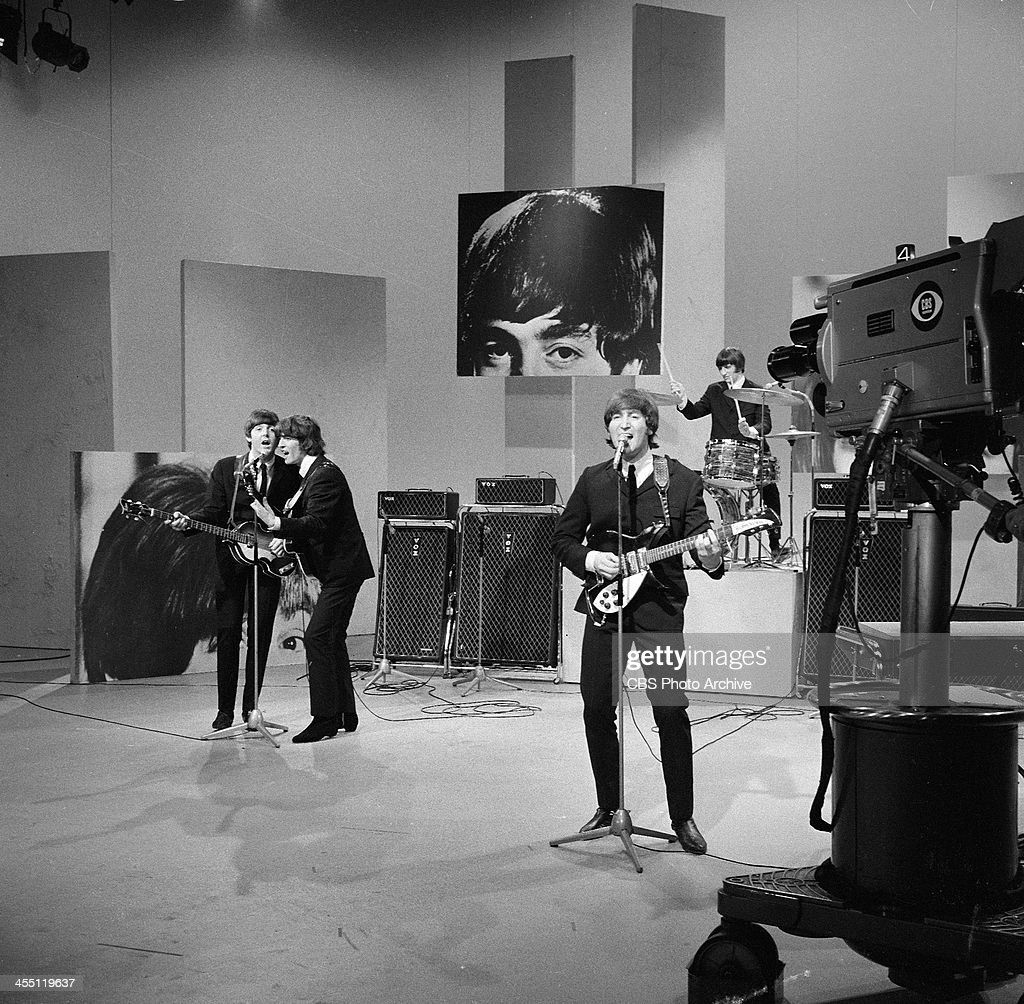
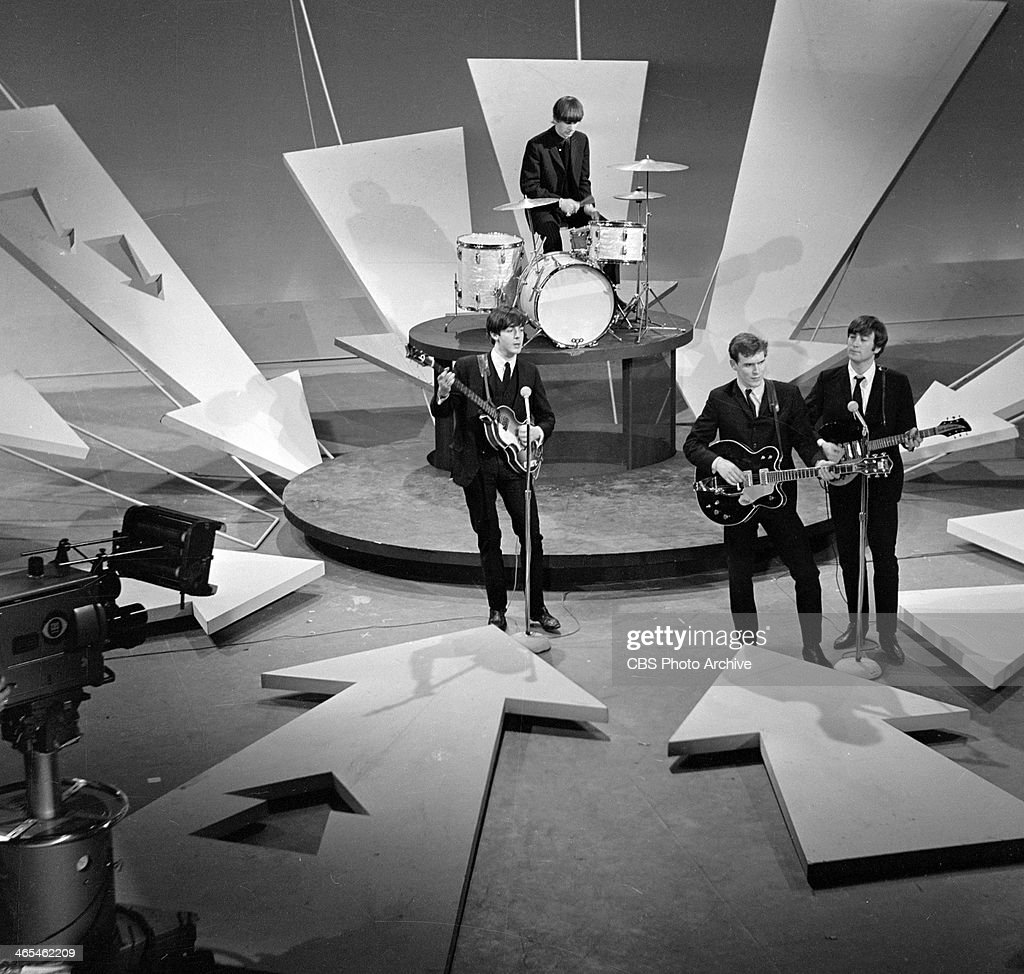
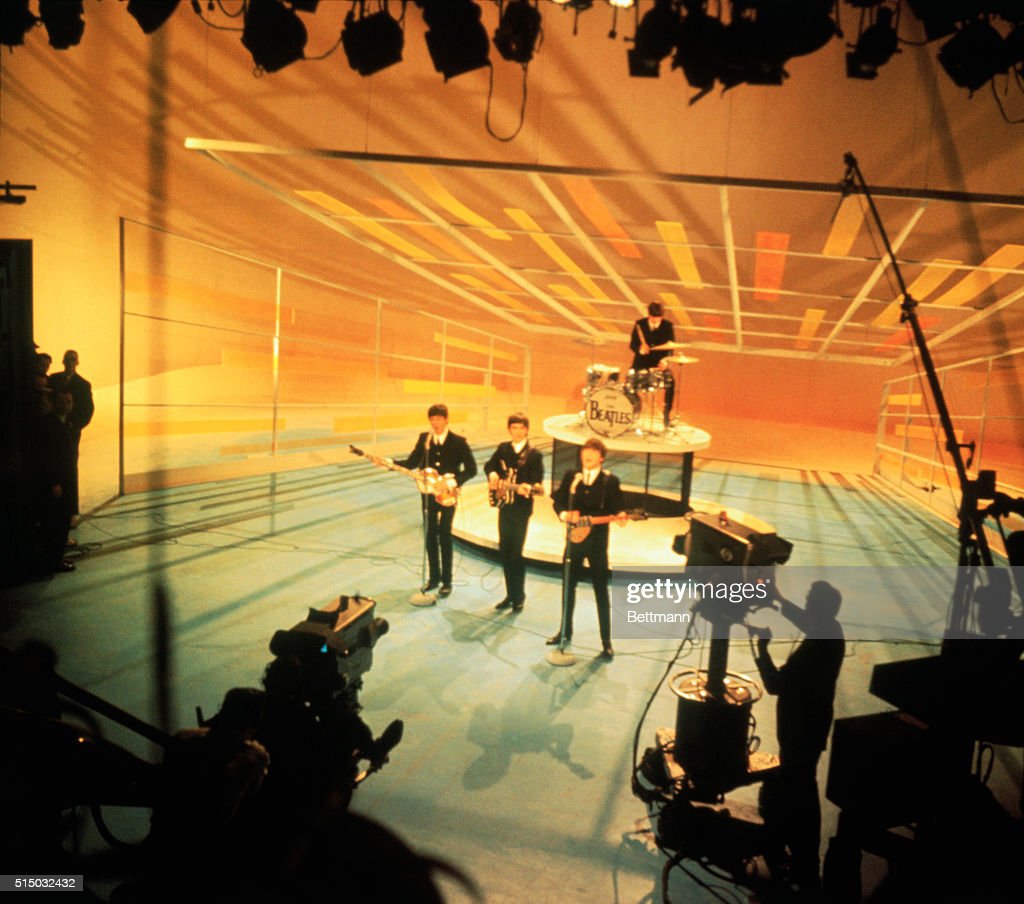
The Marconi Mark IV Era: This is the largest section as it features the era of the Marconi Mark IV black and white cameras and The Beatles and begins in 1960. The BIG difference was the picture clarity as this new camera used a 4 1/2 inch Image Orthicon tube, where as all cameras before this used a 3 inch Image Orthicon. CBS coverd the 1960 elections with new Marconi Mark IVs at their old Grand Cenetral studos so I’m sure Studio 50 had them soon after.
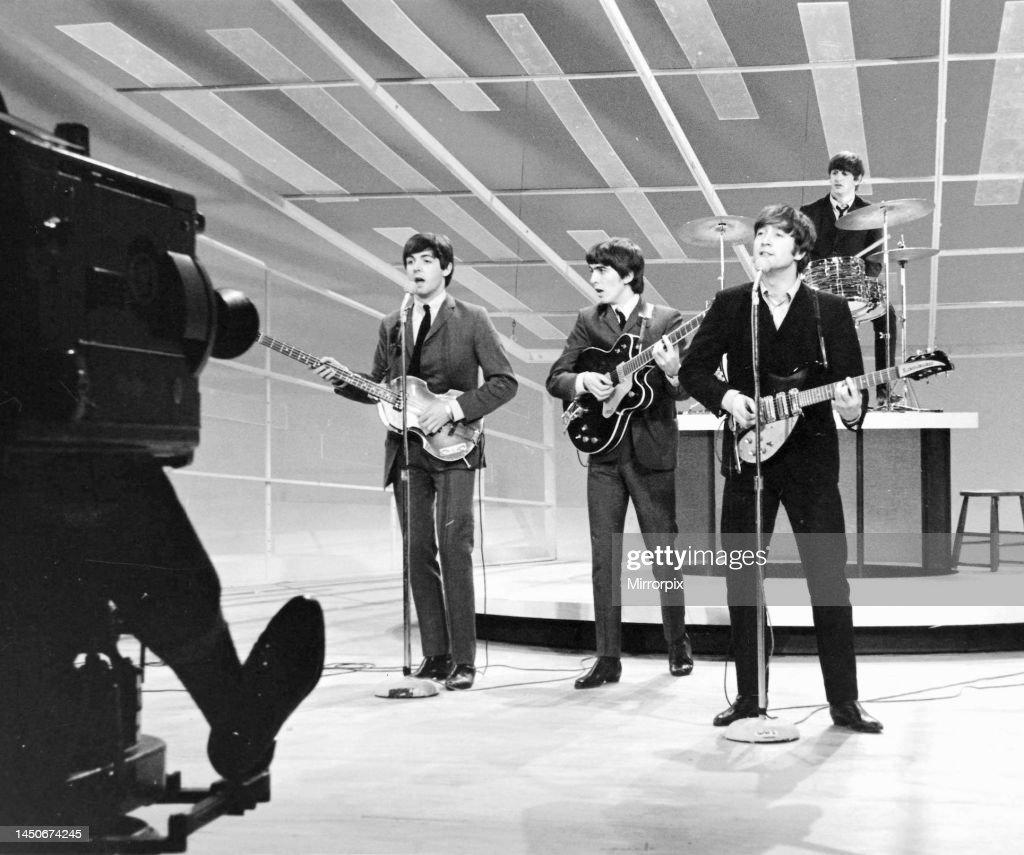
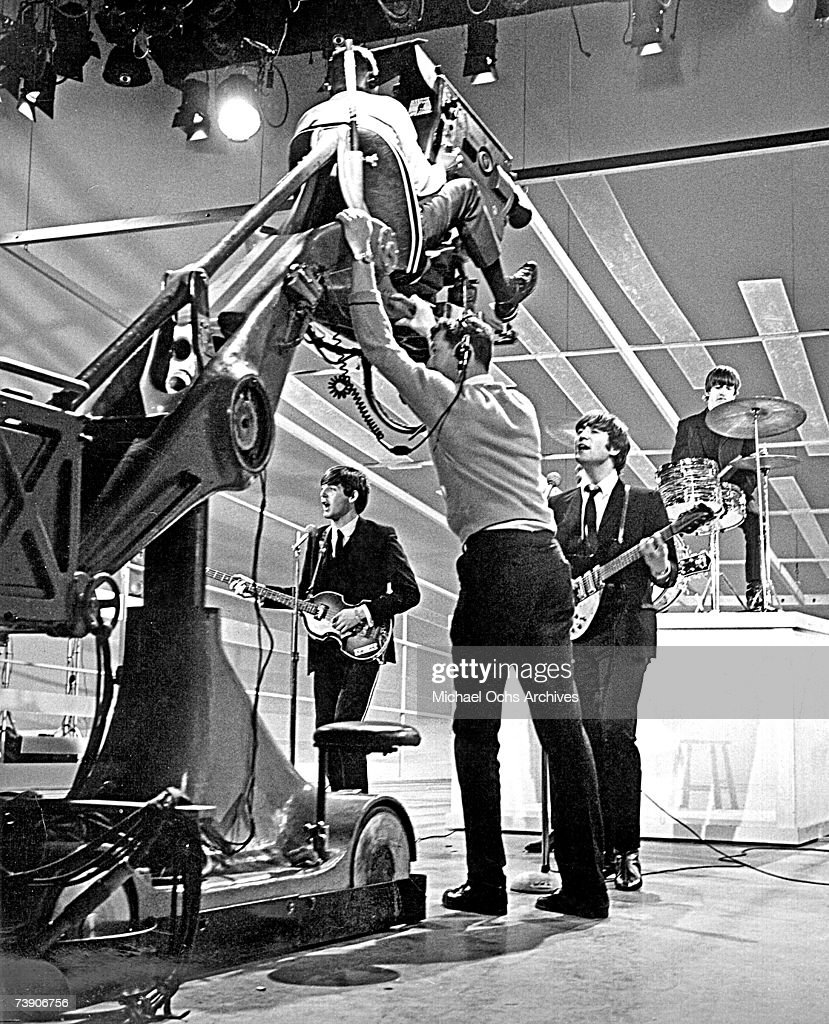
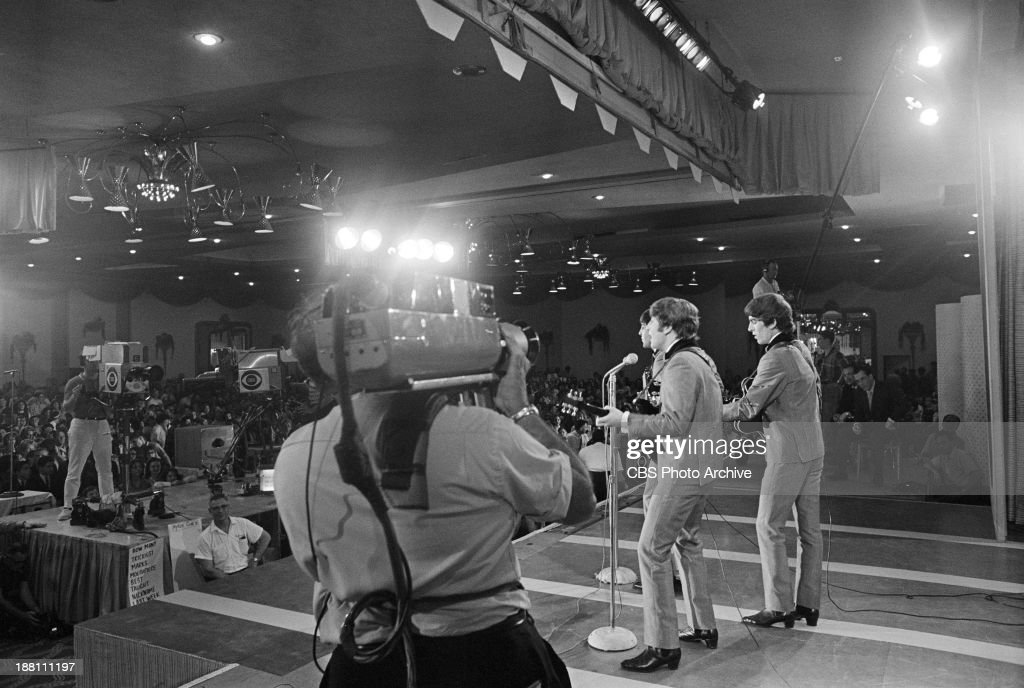
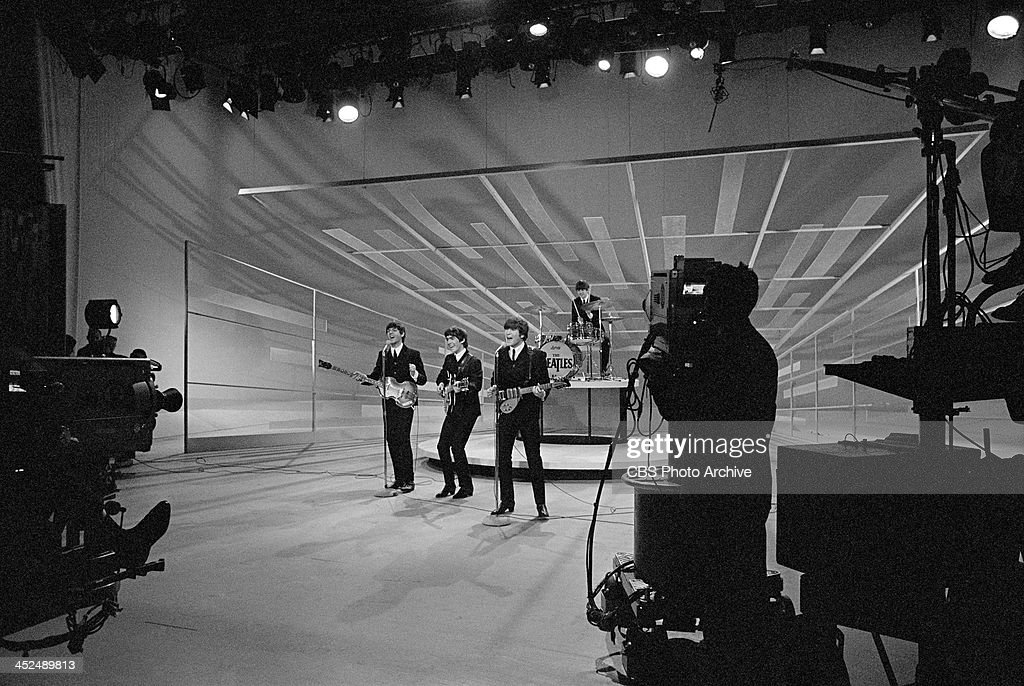
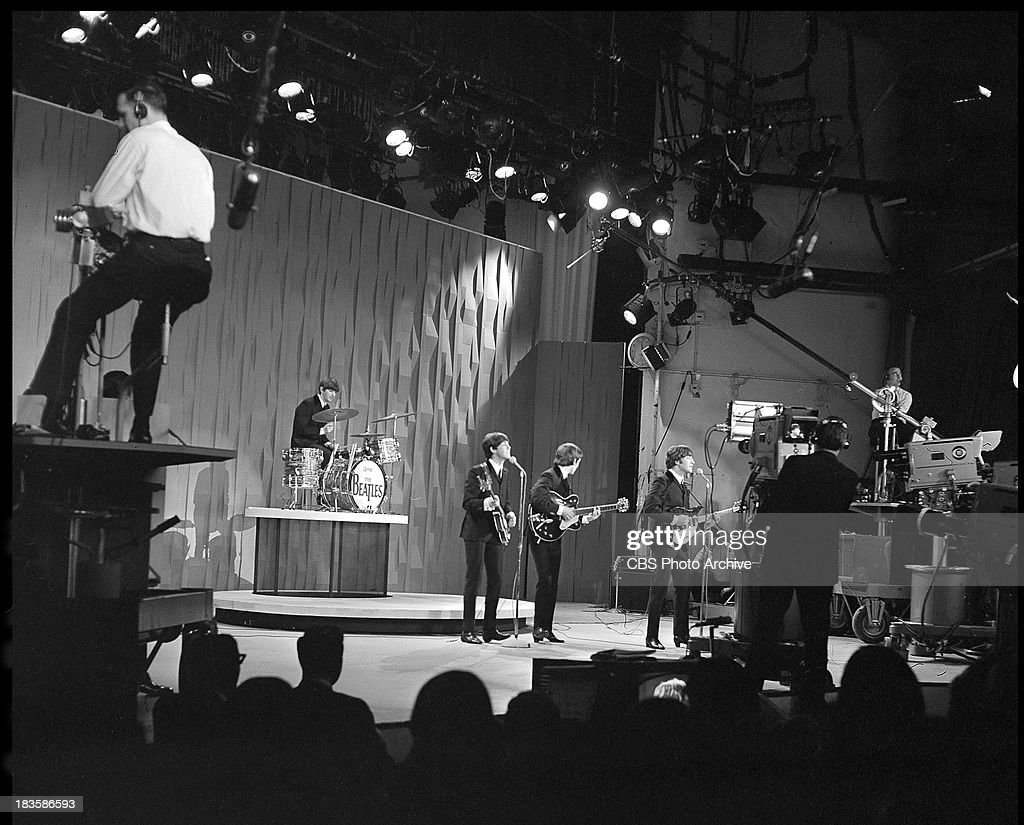
Midway down, there are about 5 or 6 photos from The Beatles Miami performance which are included to show the first ever use of a hand held camera for entertainment purposes (as opposed to news or sports), and the hand held was a special development project between CBS and Ikegami. The big cameras in Miami are RCA TK30s which belong to CBS Miami affiliate WTVJ.
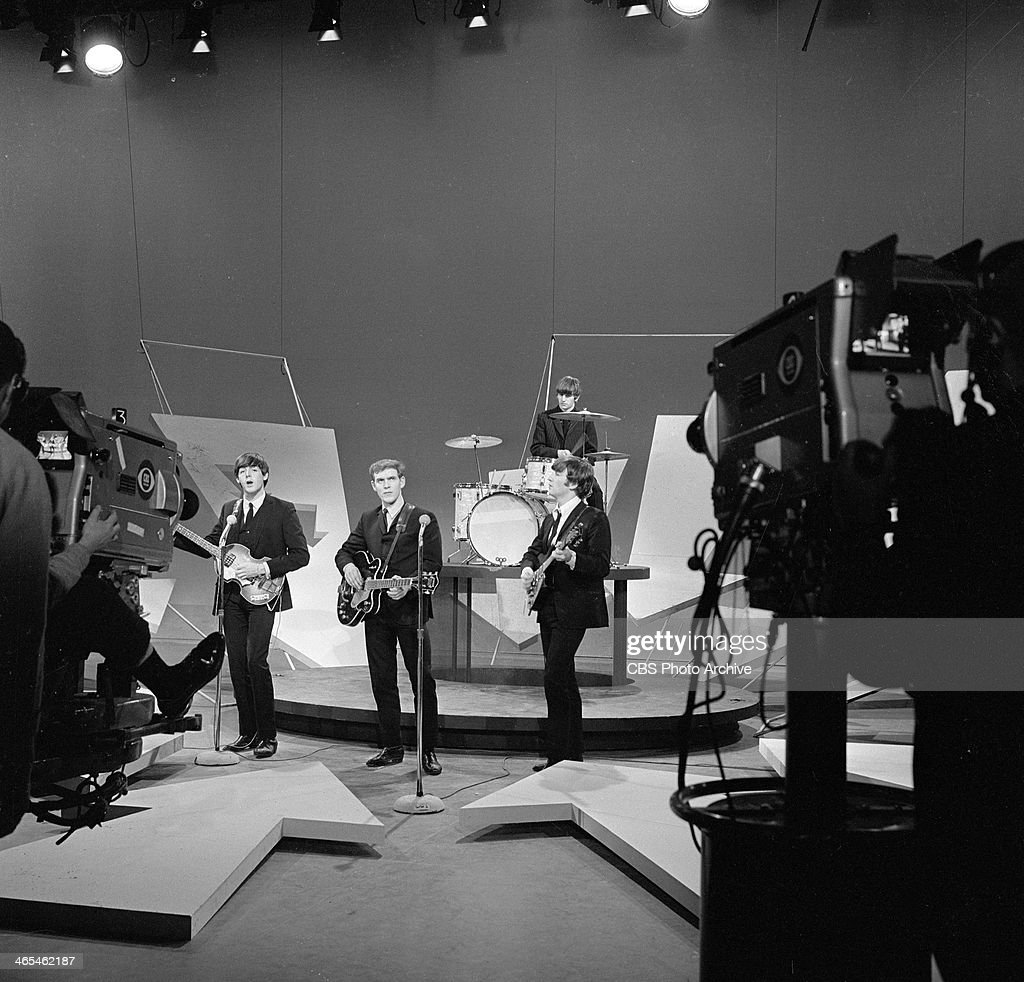
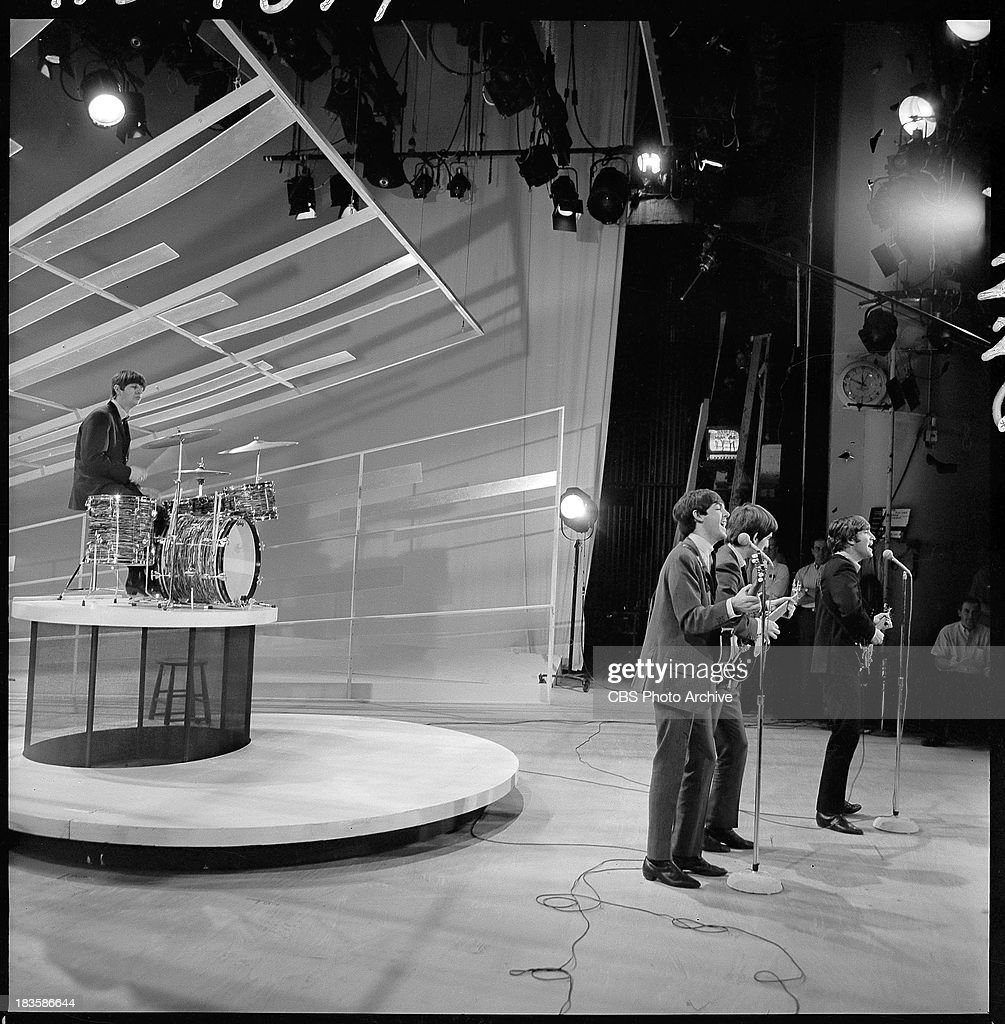
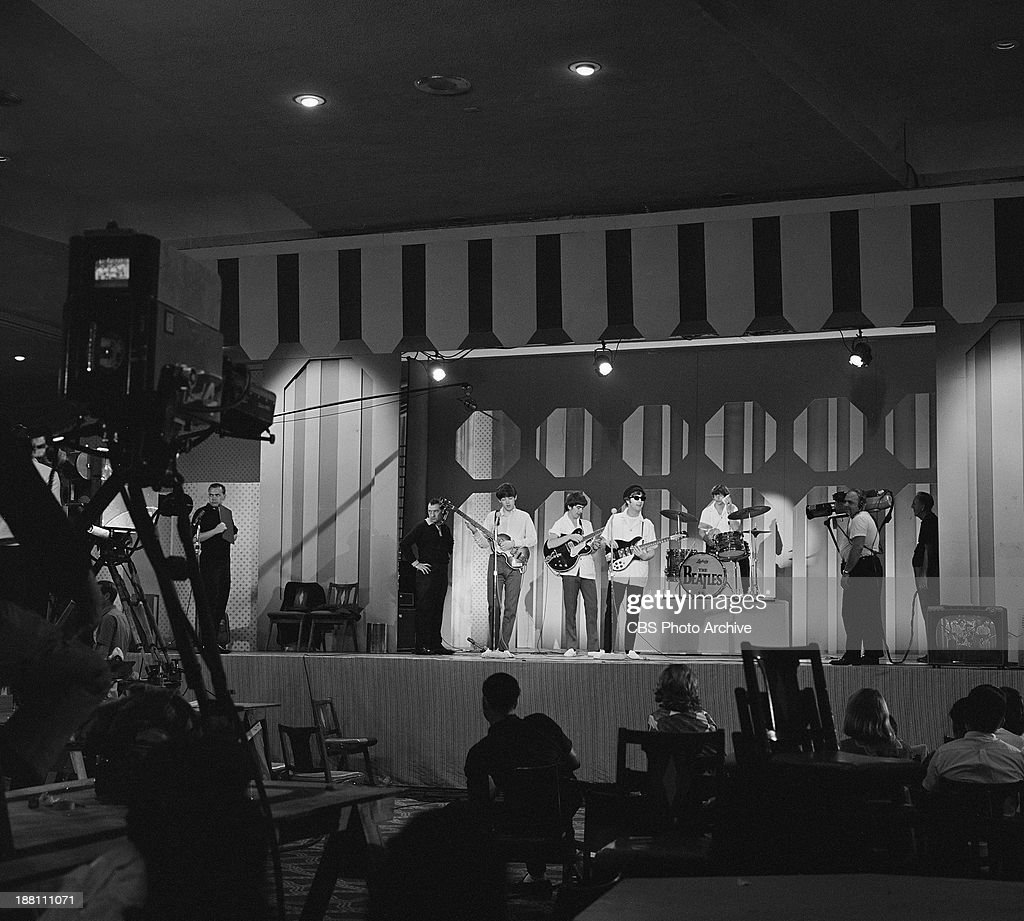
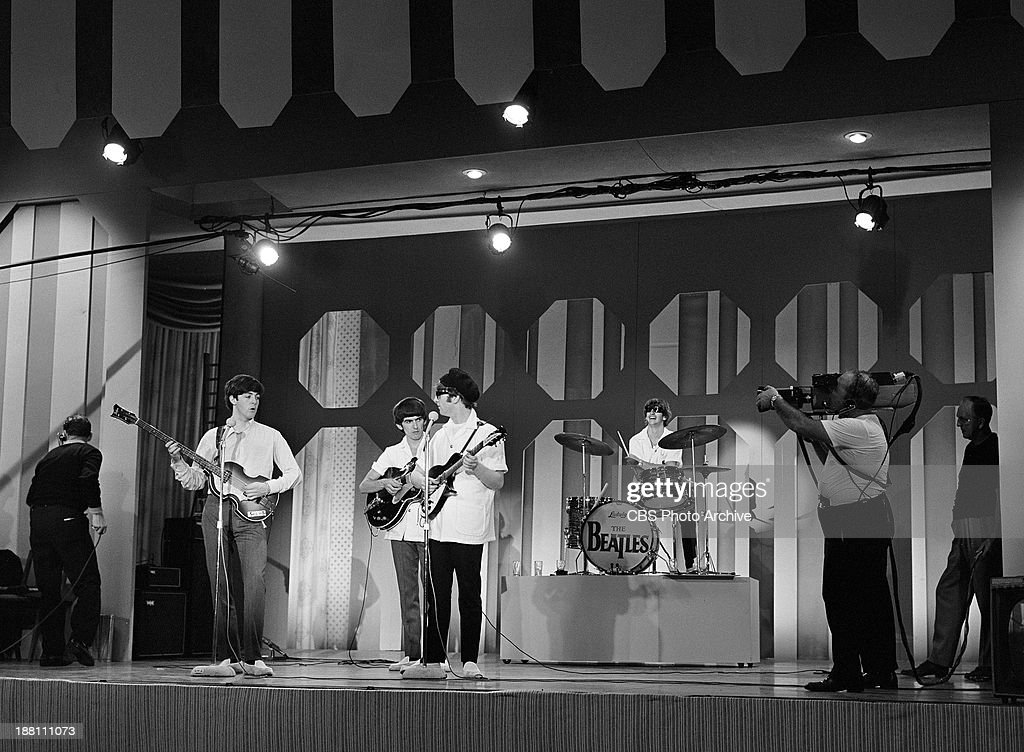
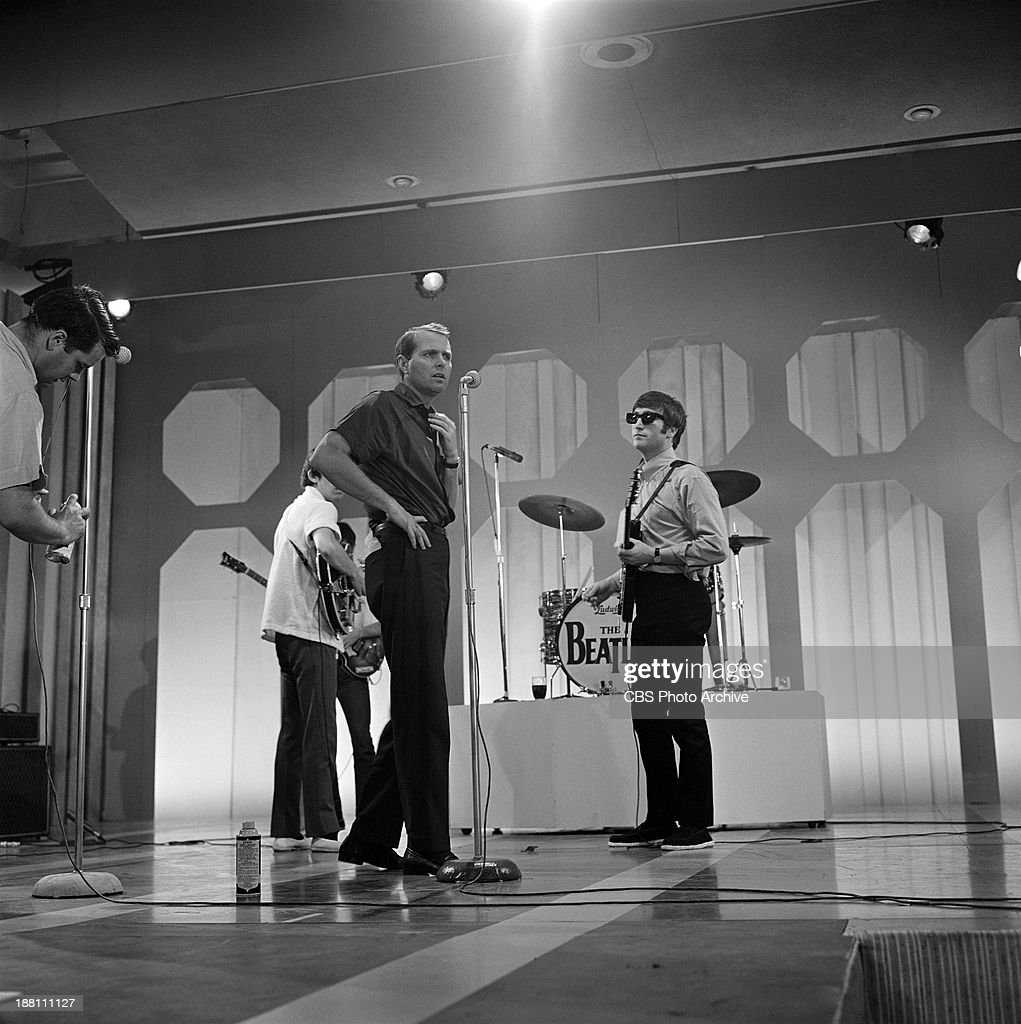
NOTICE THE VERY FIRST BEATLES PHOTO (10th one down)…IT WAS TAKEN DURING REHEARSAL WHEN GEORGE HARRISON WAS SICK AND TOUR MANAGER NEIL ASPINALL WAS STANDING IN FOR GEORGE, WHO RECOVERED IN TIME FOR THE TAPING.
These historical images are from the CBS Photo Archives available through Getty Images and are presented here to assist researchers and television historians in identifying the television equipment in use over the decades and is offered here in a purely educational/instructional forum.
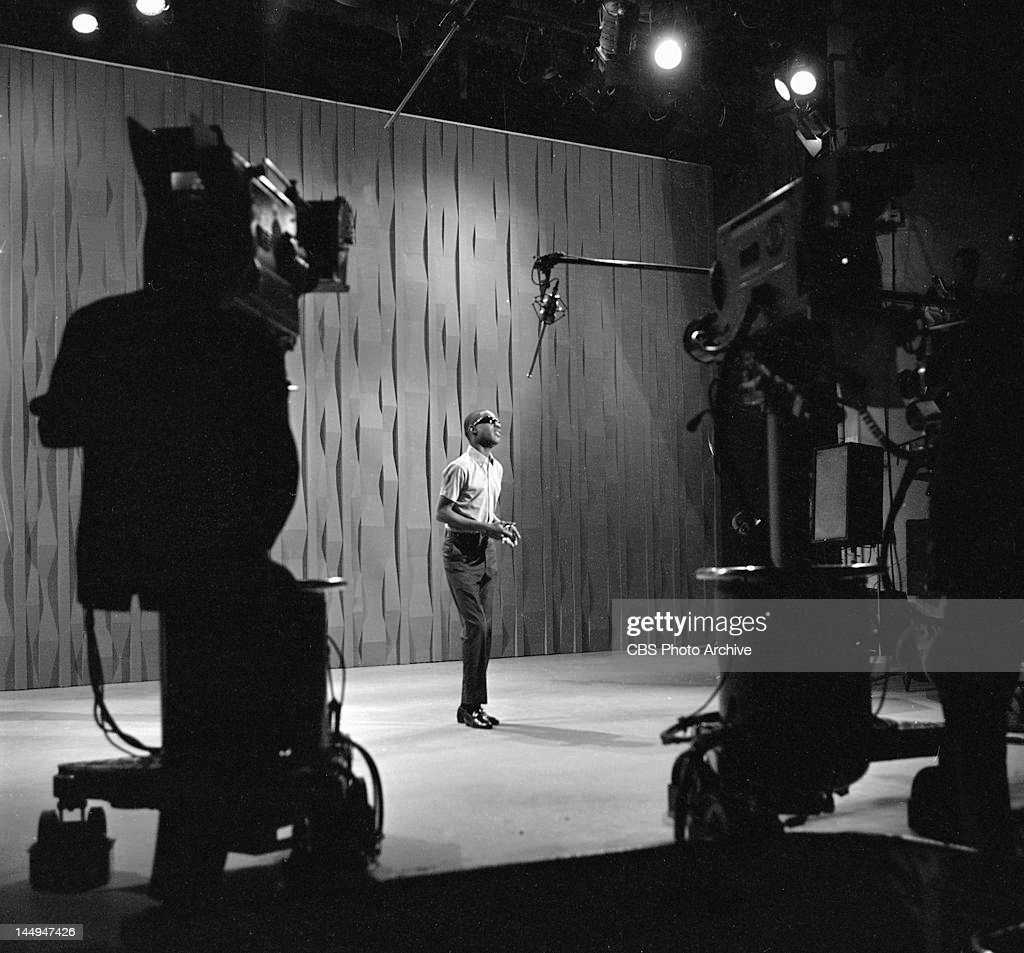
NEW YORK – MAY 3: A young Stevie Wonder during rehearsals for THE ED SULLIVAN SHOW. Image dated May 3, 1964. (Photo by CBS via Getty Images)
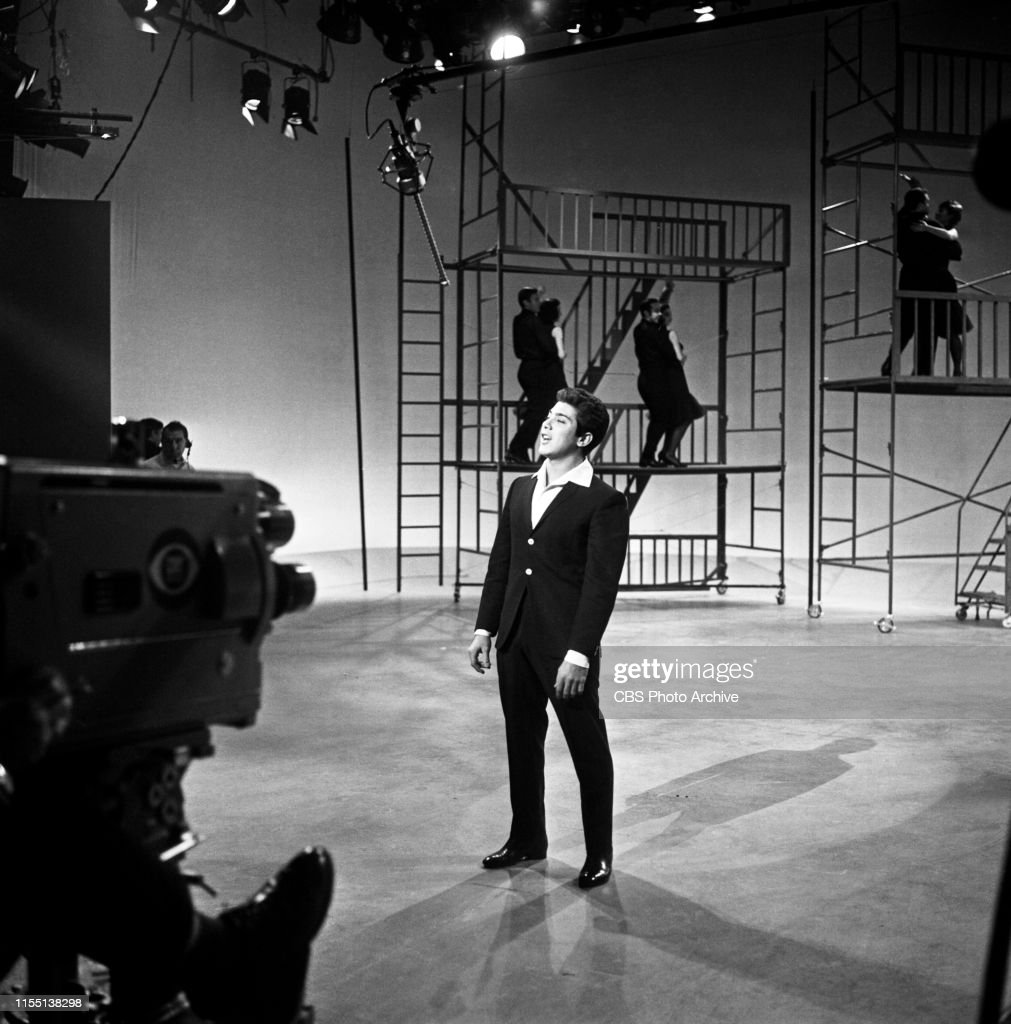
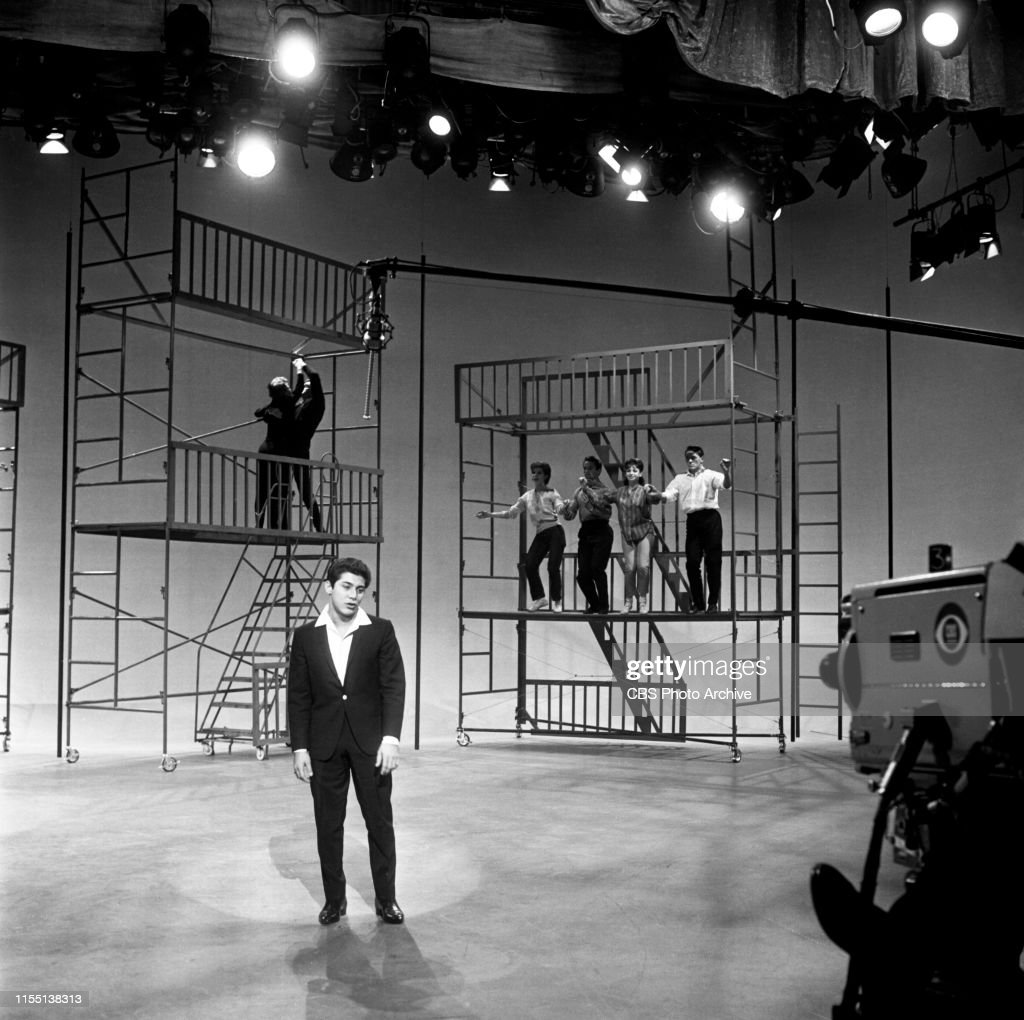
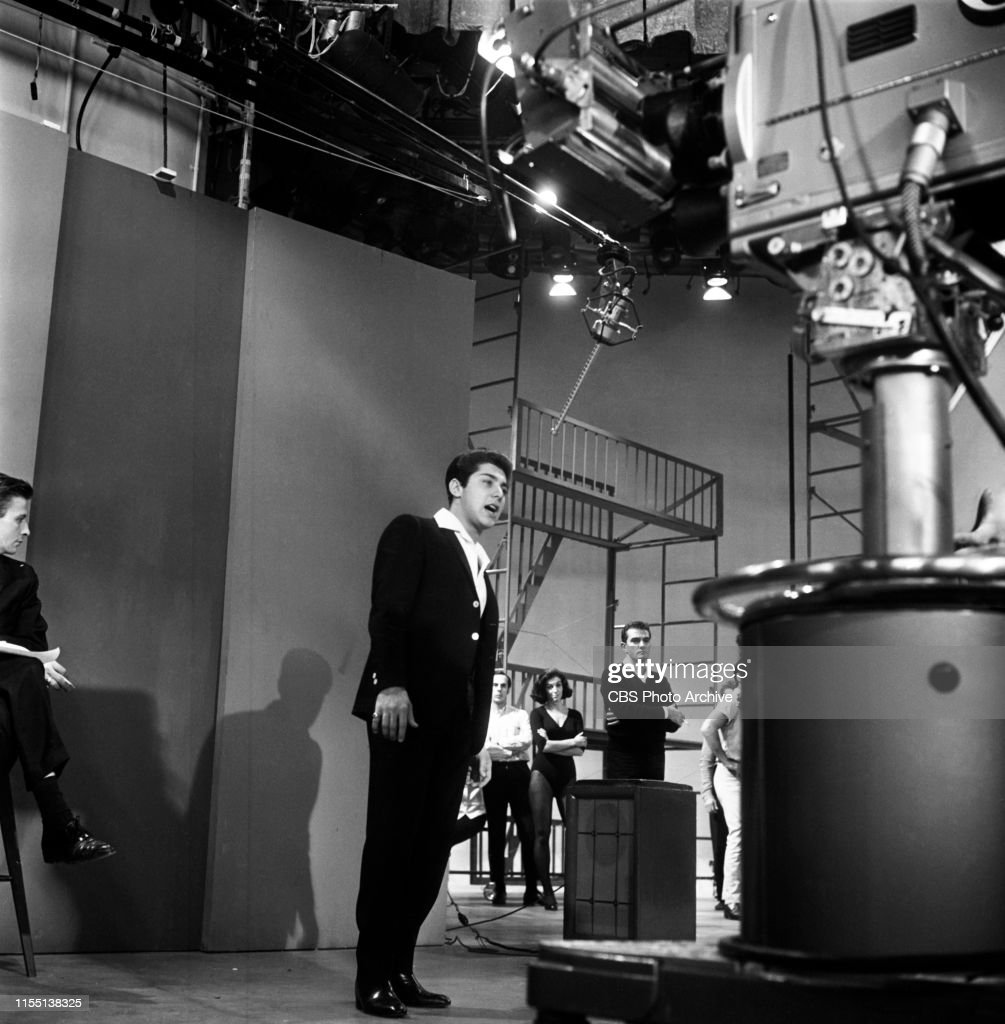
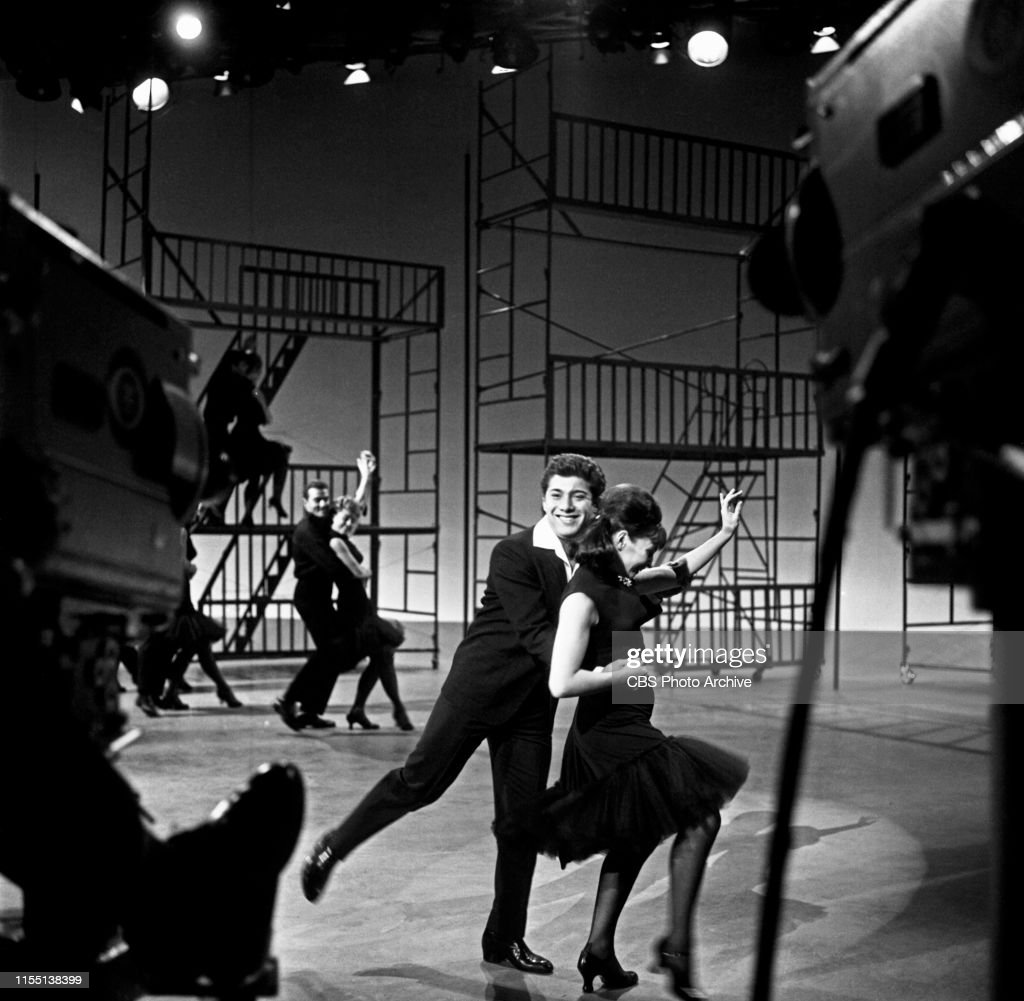
NEW YORK – OCTOBER 7: Paul Anka performs on “The Ed Sullivan Show,” a CBS television variety program. Broadcast Sunday, October 7, 1962. (Photo by CBS via Getty Images)
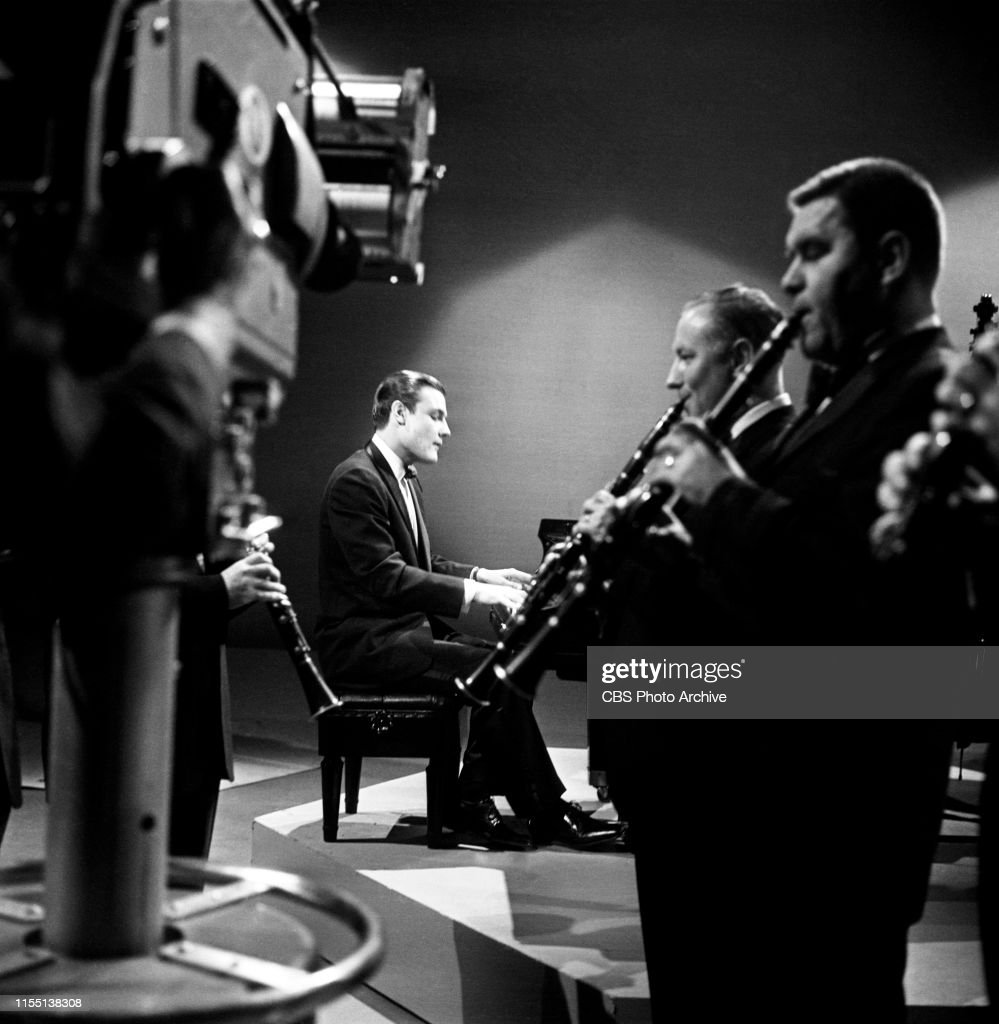
NEW YORK – OCTOBER 7: Peter Duchin and his orchestra perform on “The Ed Sullivan Show,” a CBS television variety program. Broadcast Sunday, October 7, 1962. (Photo by CBS via Getty Images)
NEW YORK – OCTOBER 7: Paul Anka performs on “The Ed Sullivan Show,” a CBS television variety program. Broadcast Sunday, October 7, 1962. (Photo by CBS via Getty Images)
NEW YORK – OCTOBER 7: Paul Anka performs on “The Ed Sullivan Show,” a CBS television variety program. Broadcast Sunday, October 7, 1962. (Photo by CBS via Getty Images)
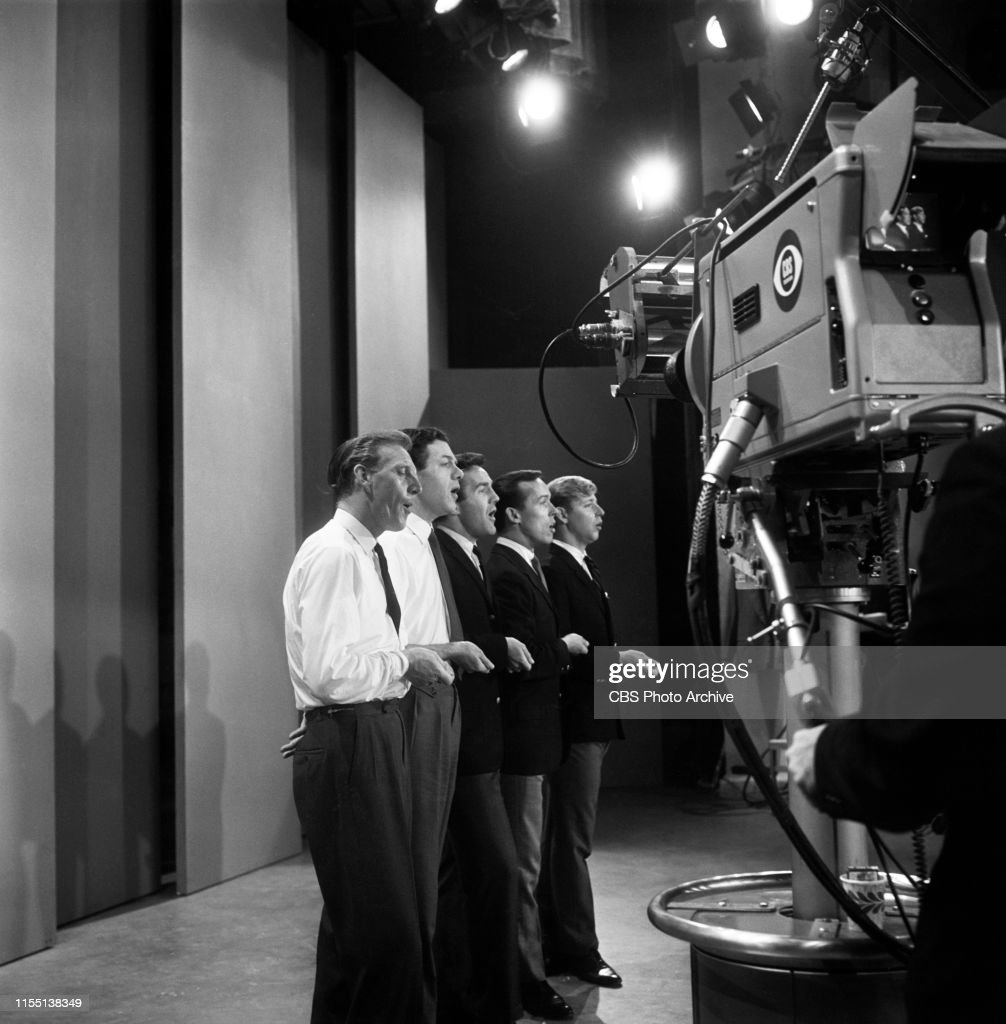
NEW YORK – OCTOBER 7: (Pictured left to right) Denny Willis and his Hunting Quartet perform on “The Ed Sullivan Show,” a CBS television variety program. Broadcast Sunday, October 7, 1962. (Photo by CBS via Getty Images)
NEW YORK – OCTOBER 7: Yolanda White performs on “The Ed Sullivan Show,” a CBS television variety program. Broadcast Sunday, October 7, 1962. (Photo by CBS via Getty Images)
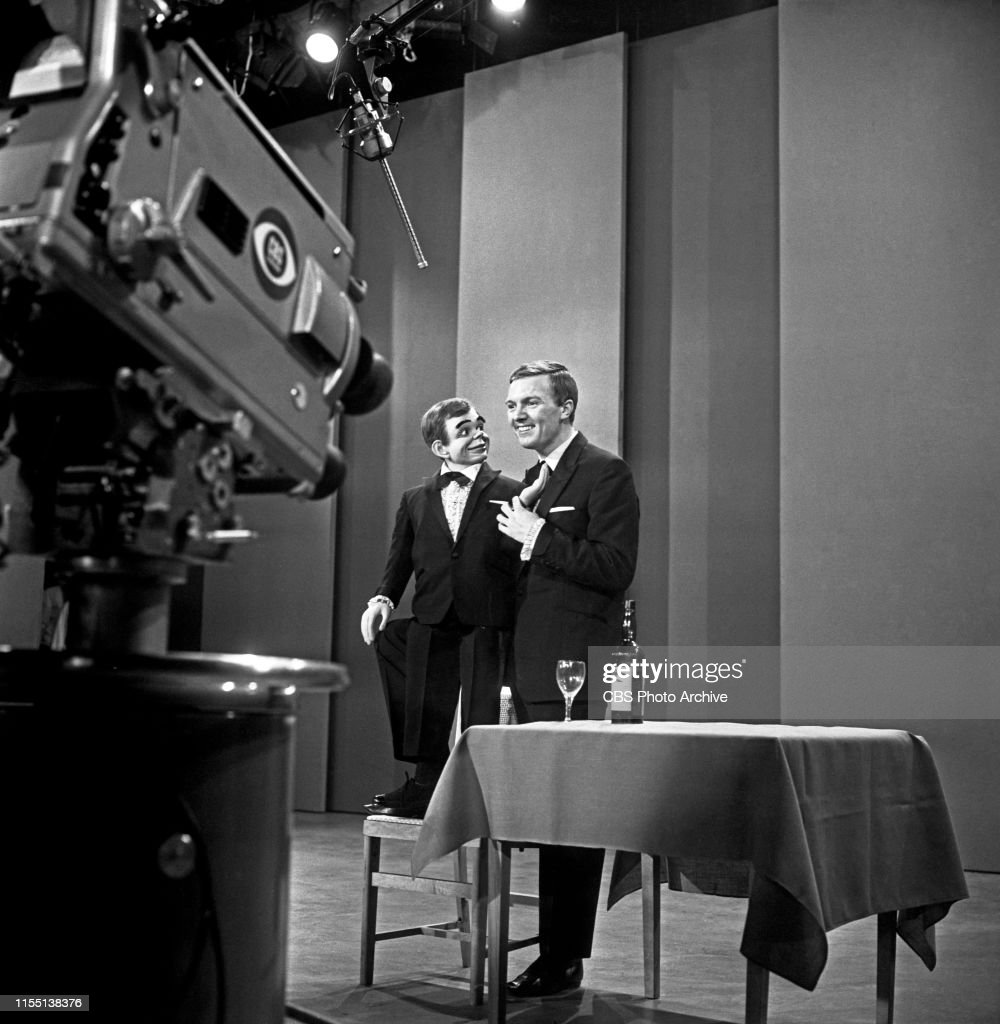
NEW YORK – OCTOBER 7: Ventriloquist Dennis Spicer and his smooth-talking dummy James Green perform on “The Ed Sullivan Show,” a CBS television variety program. Broadcast Sunday, October 7, 1962. (Photo by CBS via Getty Images)
NEW YORK – OCTOBER 7: Paul Anka performs on “The Ed Sullivan Show,” a CBS television variety program. Broadcast Sunday, October 7, 1962. (Photo by CBS via Getty Images)
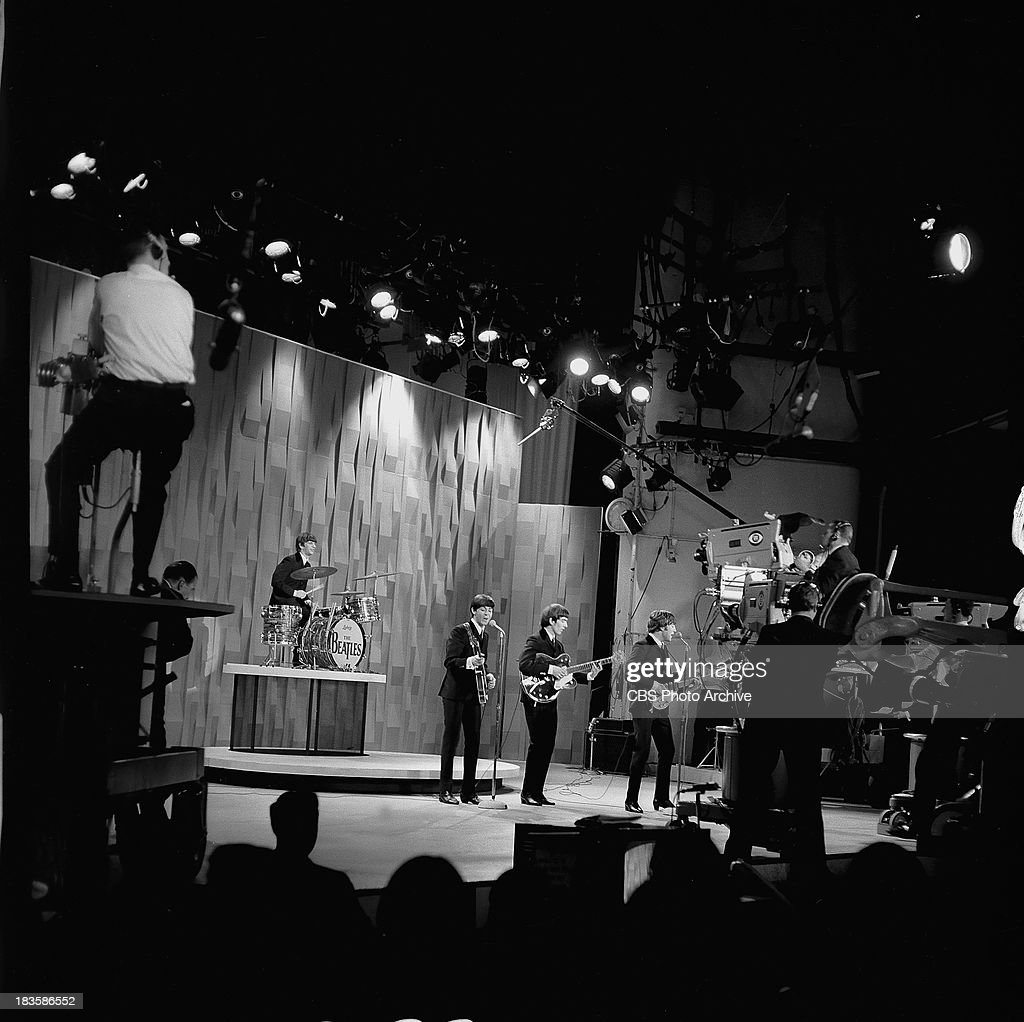
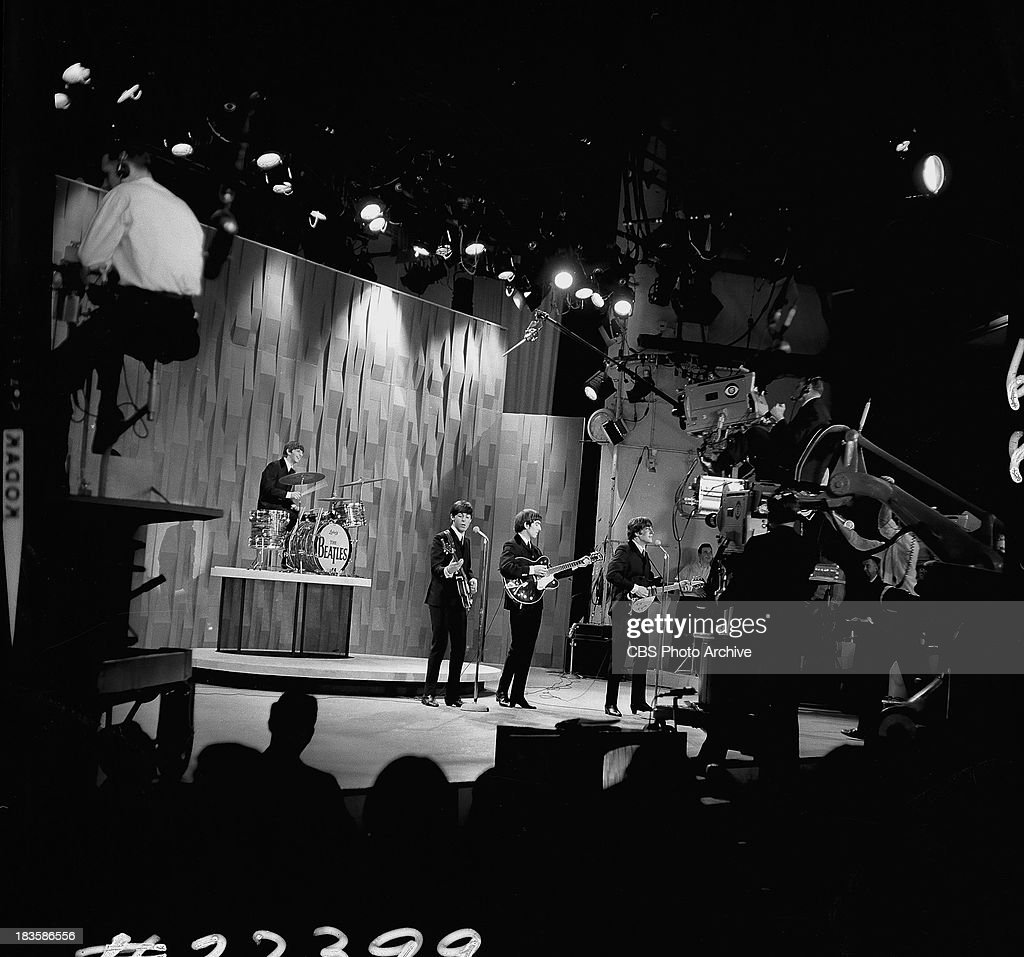
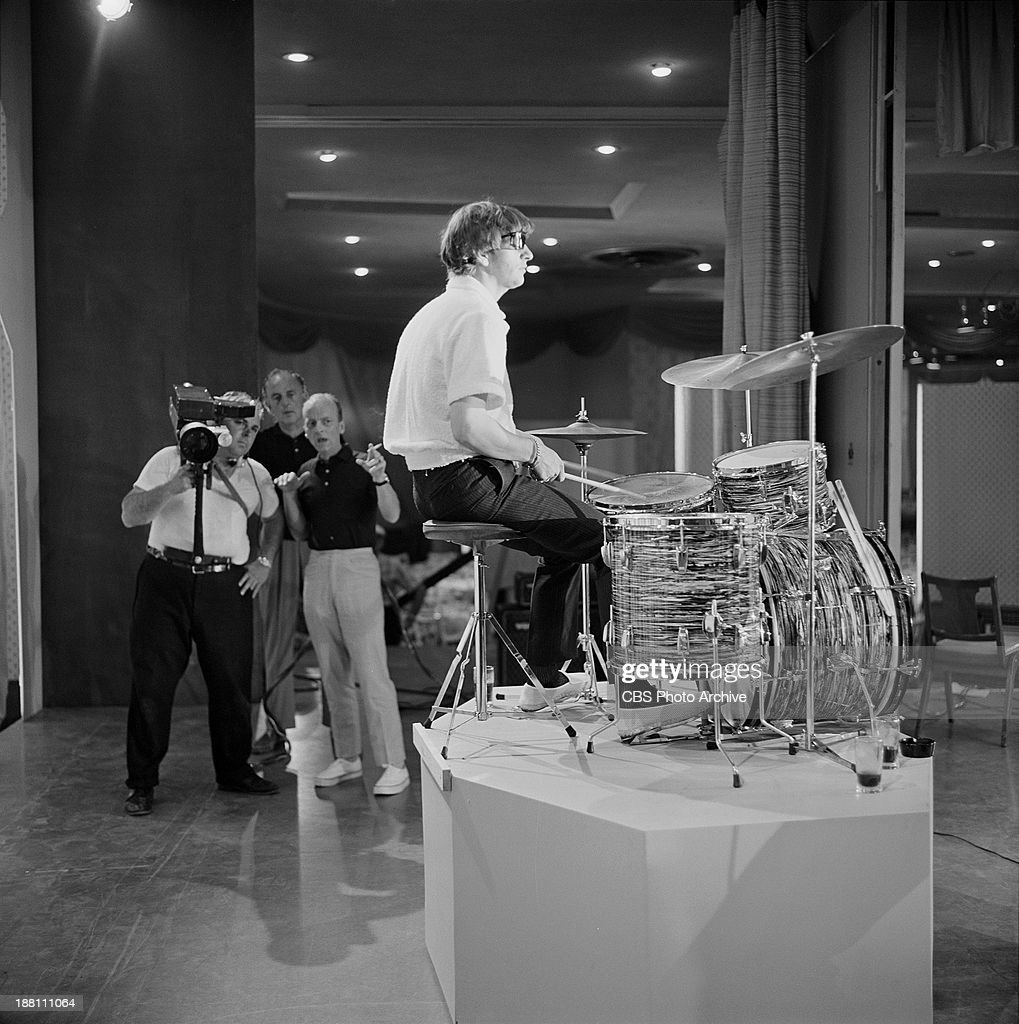
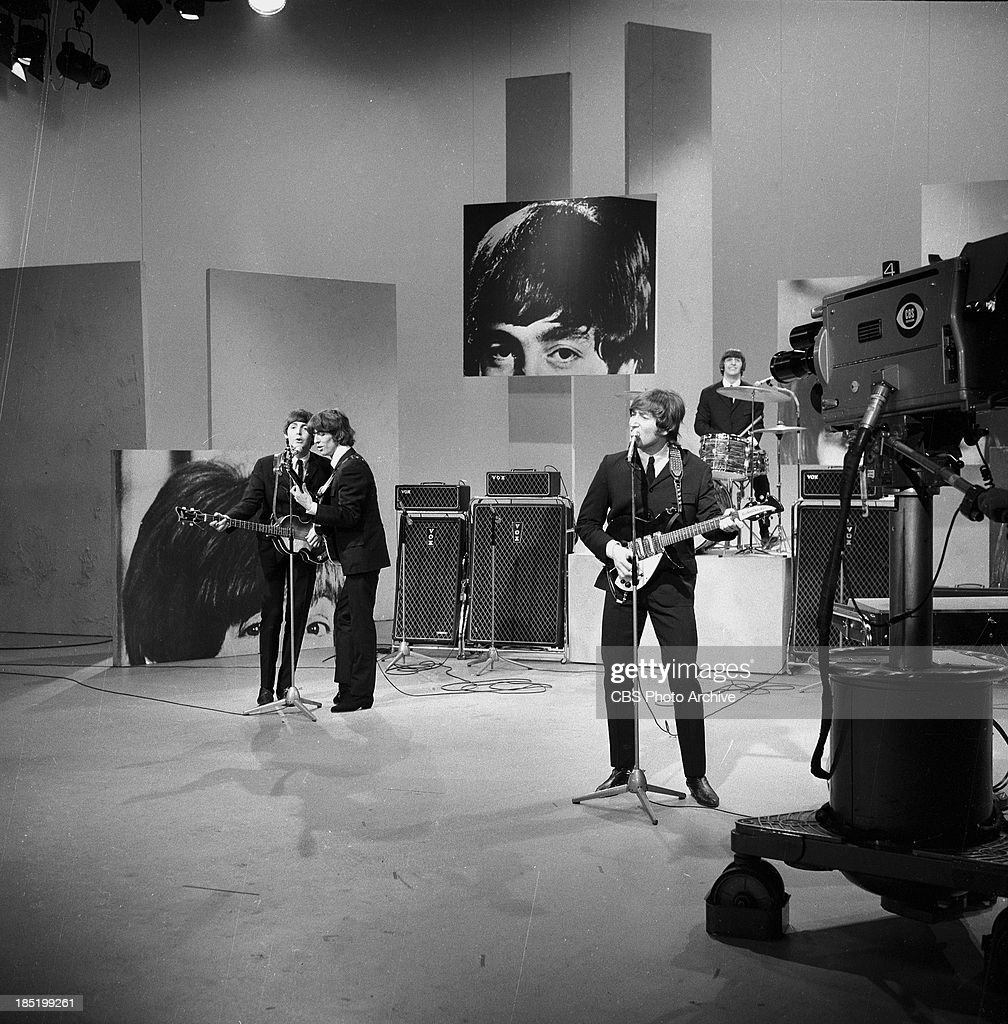
NEW YORK – FEBRUARY 8: The Beatles at rehearsal the day before their first appearance on THE ED SULLIVAN SHOW. From left: Paul McCartney, Neil Aspinall (standing in for a sick George Harrison), John Lennon and Ringo Starr on the drums. Image dated February 8, 1964. (Photo by CBS via Getty Images)
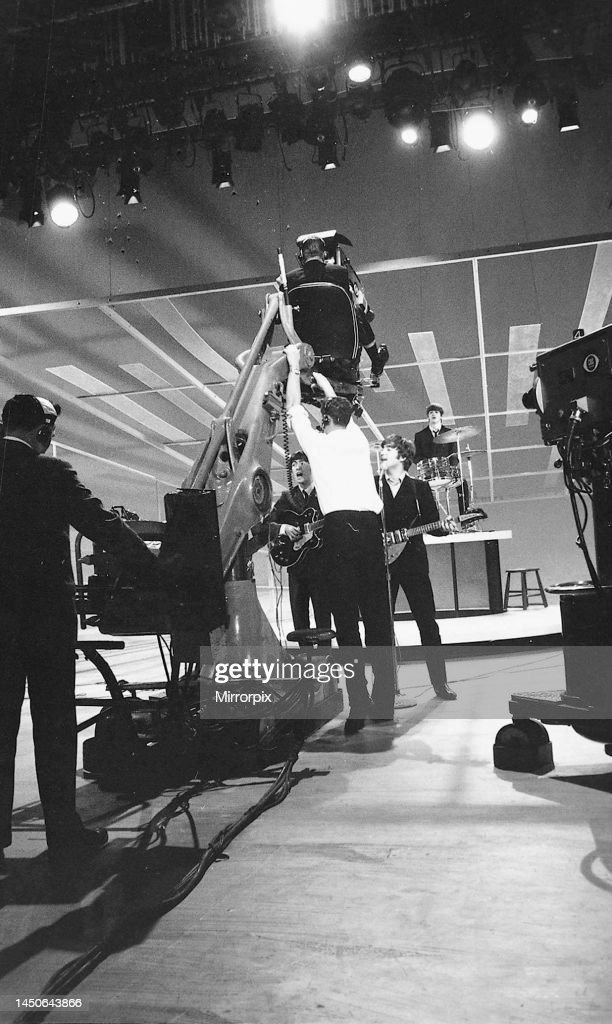
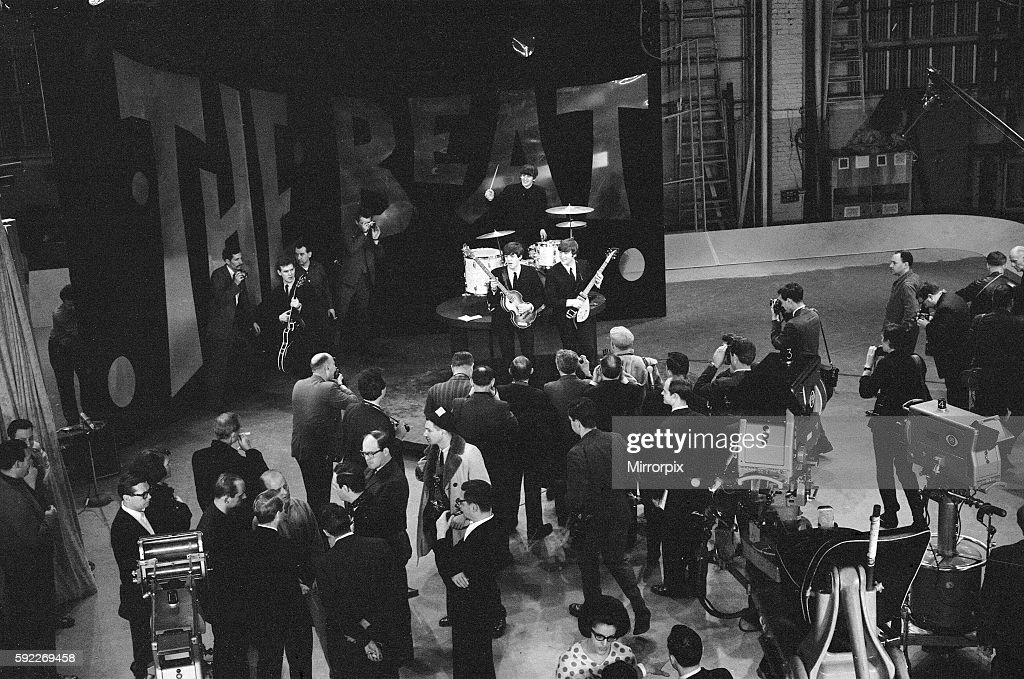
The Beatles rehearse their appearance on the Ed Sullivan Show. 8th February 1964. (Photo by Daily Mirror/Daily Mirror/Mirrorpix via Getty Images)
Camera rehearsals for the Beatles first appearance on ‘The Ed Sullivan Show’, CBS Studio 50, New York City. 9th February 1964. (Photo by Daily Mirror/Daily Mirror/Mirrorpix via Getty Images)
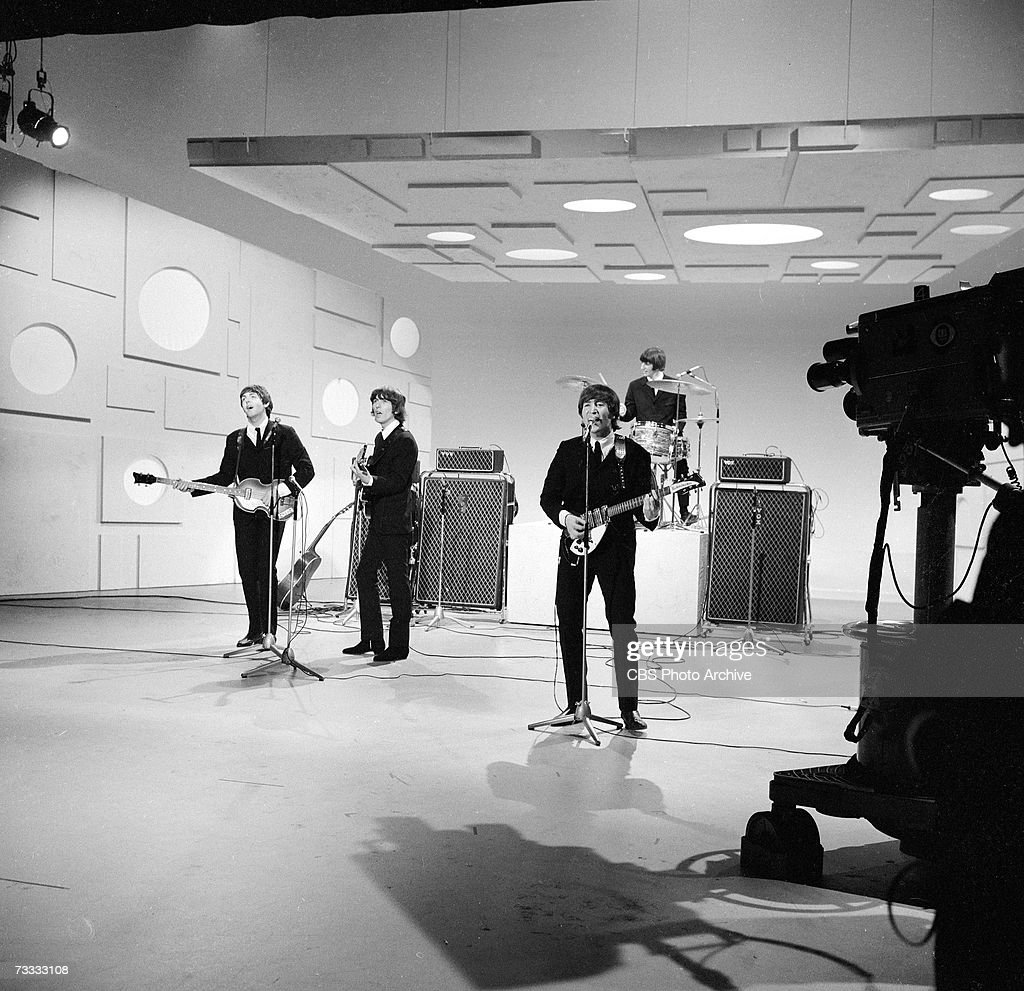
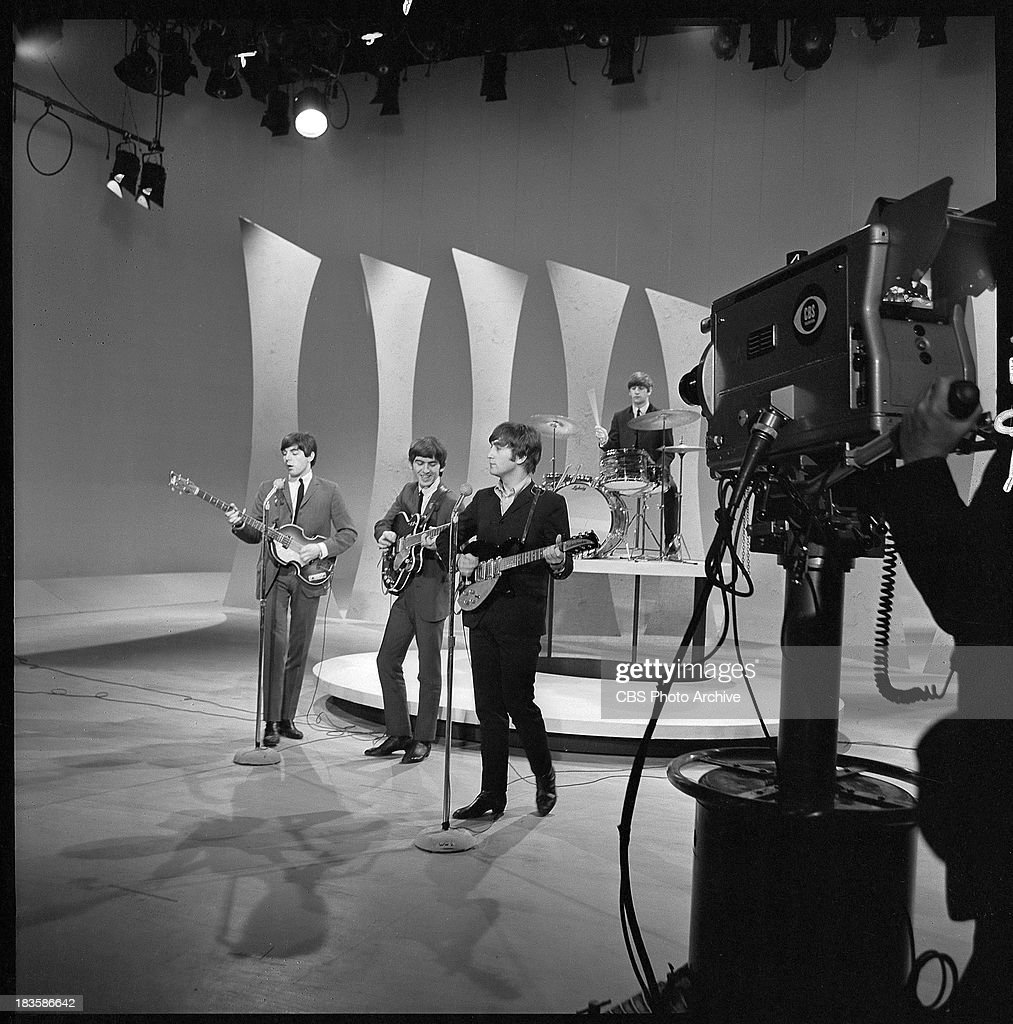
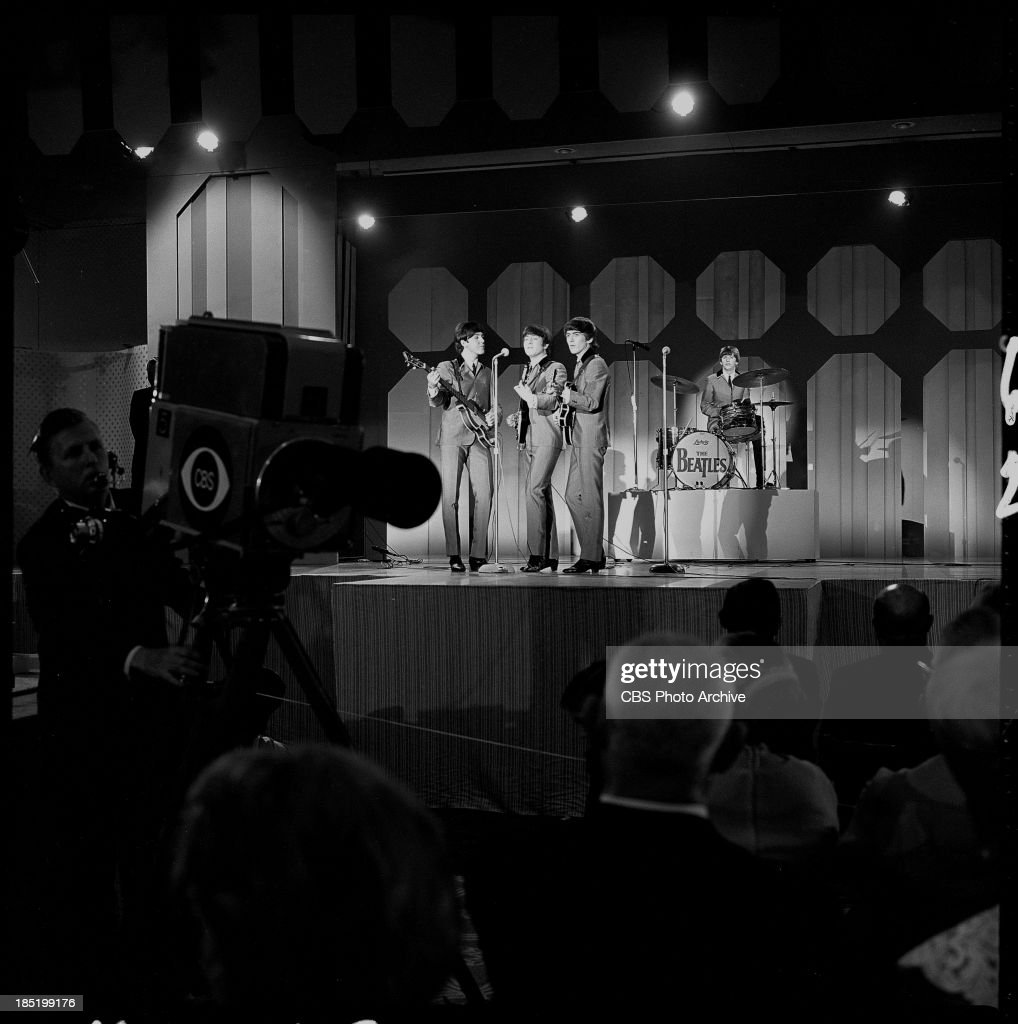
Members of the British rock band The Beatles, (left to right) Paul McCartney, George Harrison (1943 – 2001), Ringo Starr, and John Lennon (1940 – 1980), sing into microphones as they play their instruments at the taping of a segment for ‘Toast of the Town,’ the CBS variety program hosted by Ed Sullivan, New York, August 14, 1965. The segment aired as part of Sullivan’s 19th season opener on September 12, 1965. (Photo by CBS Photo Archive/Getty Images)
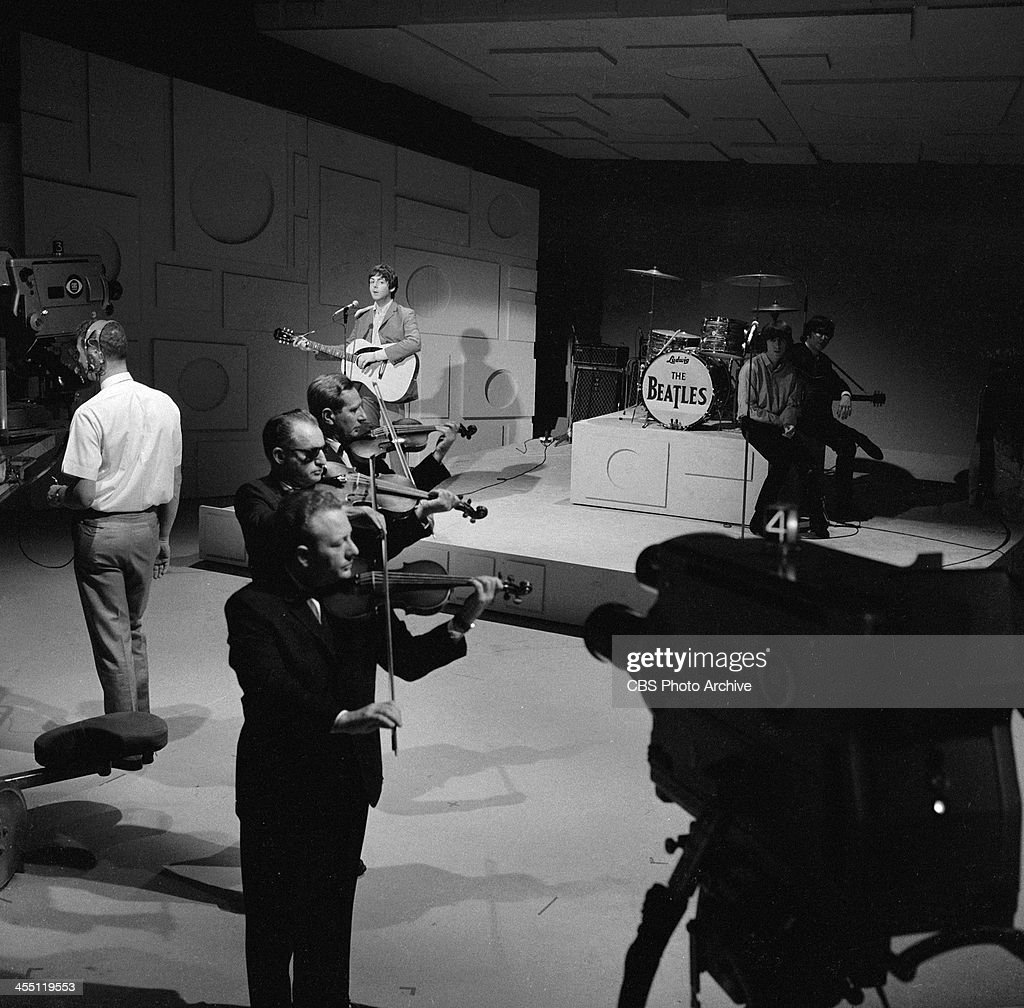
NEW YORK – AUGUST 14: The Beatles at rehearsal for their final performance on THE ED SULLIVAN SHOW. Image dated August 14, 1965. Paul McCartney playing with violins while George Harrison and John Lennon watch from the side. (Photo by CBS via Getty Images)
NEW YORK – FEBRUARY 9: Bassist Paul McCartney, guitarist John Lennon and Drummer Ringo Starr of the rock and roll band “The Beatles” prepare for their performance on “The Ed Sullivan Show” on February 9, 1964 in New York City, New York. (Photo by Michael Ochs Archives/Getty Images)
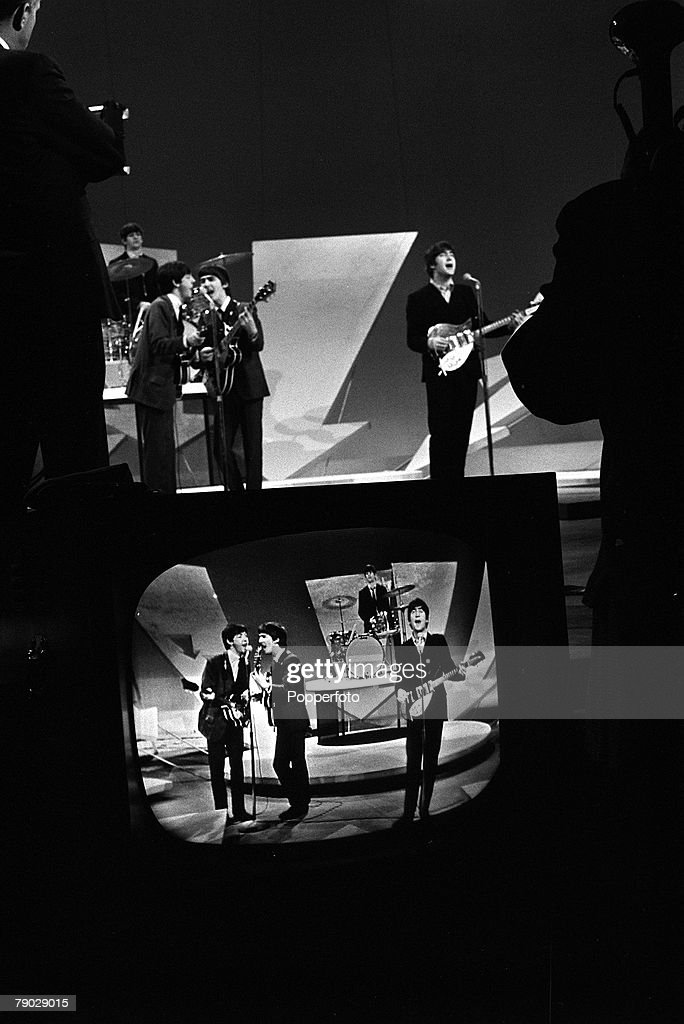
10th February 1964, New York, USA, British pop group The Beatles play live on The Ed Sullivan Show (Photo by Popperfoto via Getty Images/Getty Images)
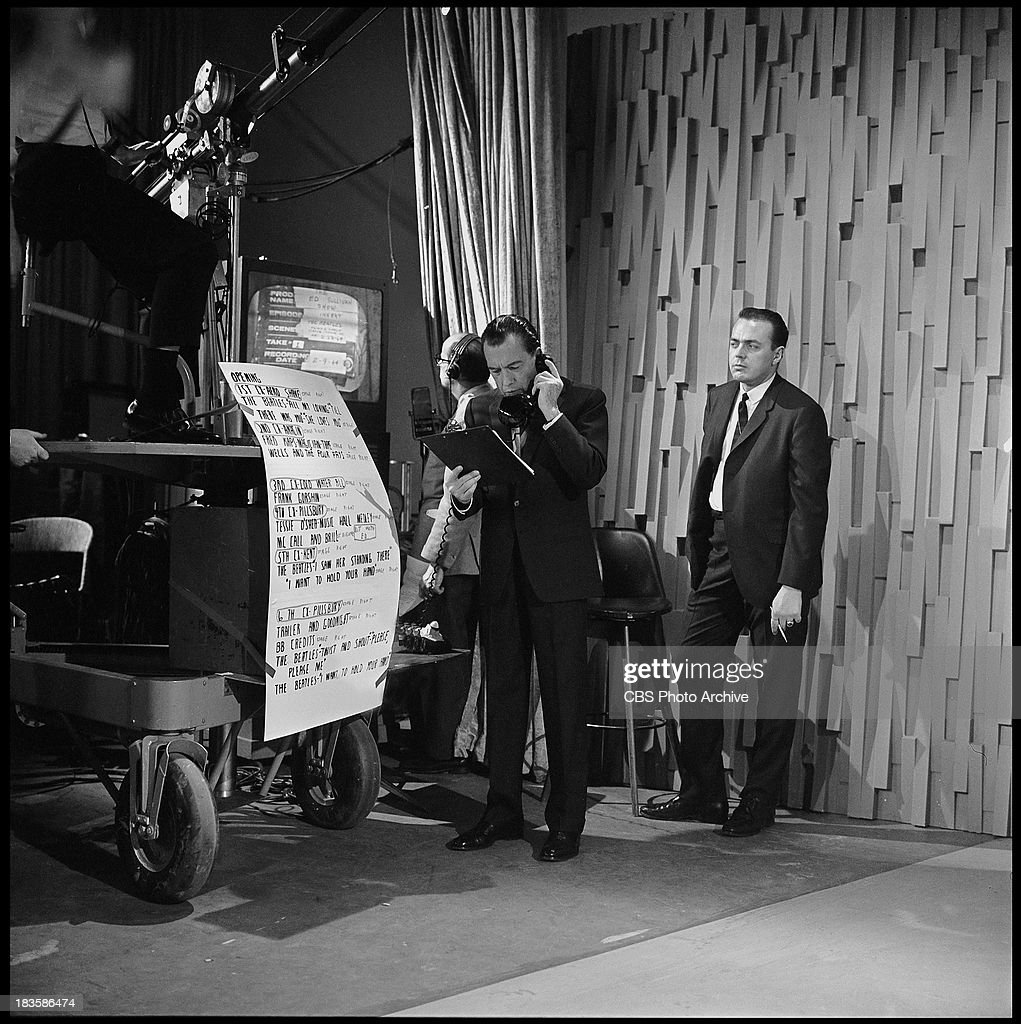
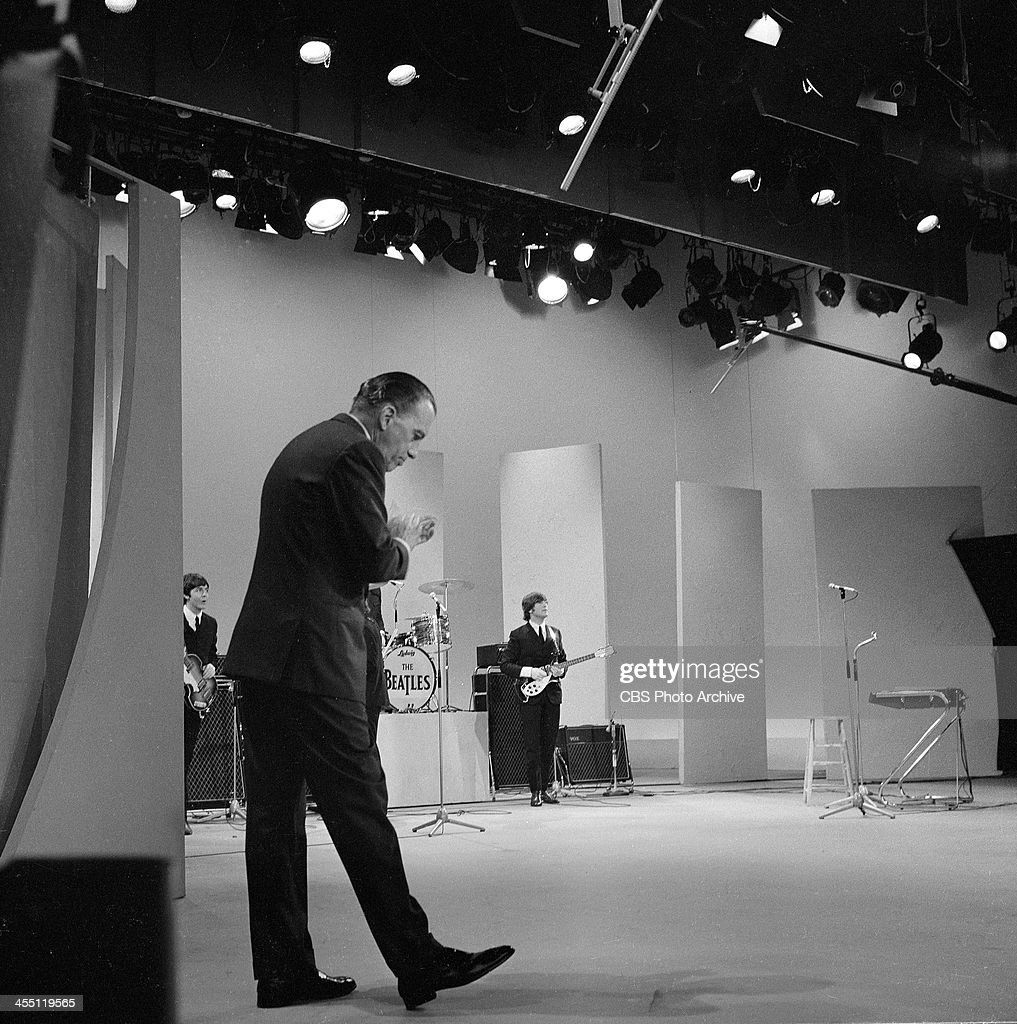
NEW YORK – FEBRUARY 9: THE ED SULLIVAN SHOW featuring The Beatles, performed on Sunday, February 9, 1964, from CBS’s Studio 50 in New York City. Show host Ed Sullivan reviewing the teleprompter notes. (Photo by CBS via Getty Images)
SPECIAL NOTE ON THE PHOTO ABOVE: Meet Sullivan Associate Producer, Jacques Andre
On Sunday nights, between 8 and 9 PM, Jacques was the “middle man” on ‘The Ed Sullivan Show’. During the week, he worked for producer Bob Precht, but on show night, he stood with Ed at the side of the stage keeping the show’s running time and was the hub between the control room, stage manager Eddie Brinkmann and Sullivan. Although quite capable, he would always feel the need throw up before each show.
NEW YORK – AUGUST 14: The Beatles third appearance on The Ed Sullivan Show. Image dated August 14, 1965. From left: Paul McCartney, George Harrison, John Lennon, Ringo Starr. (Photo by CBS via Getty Images)
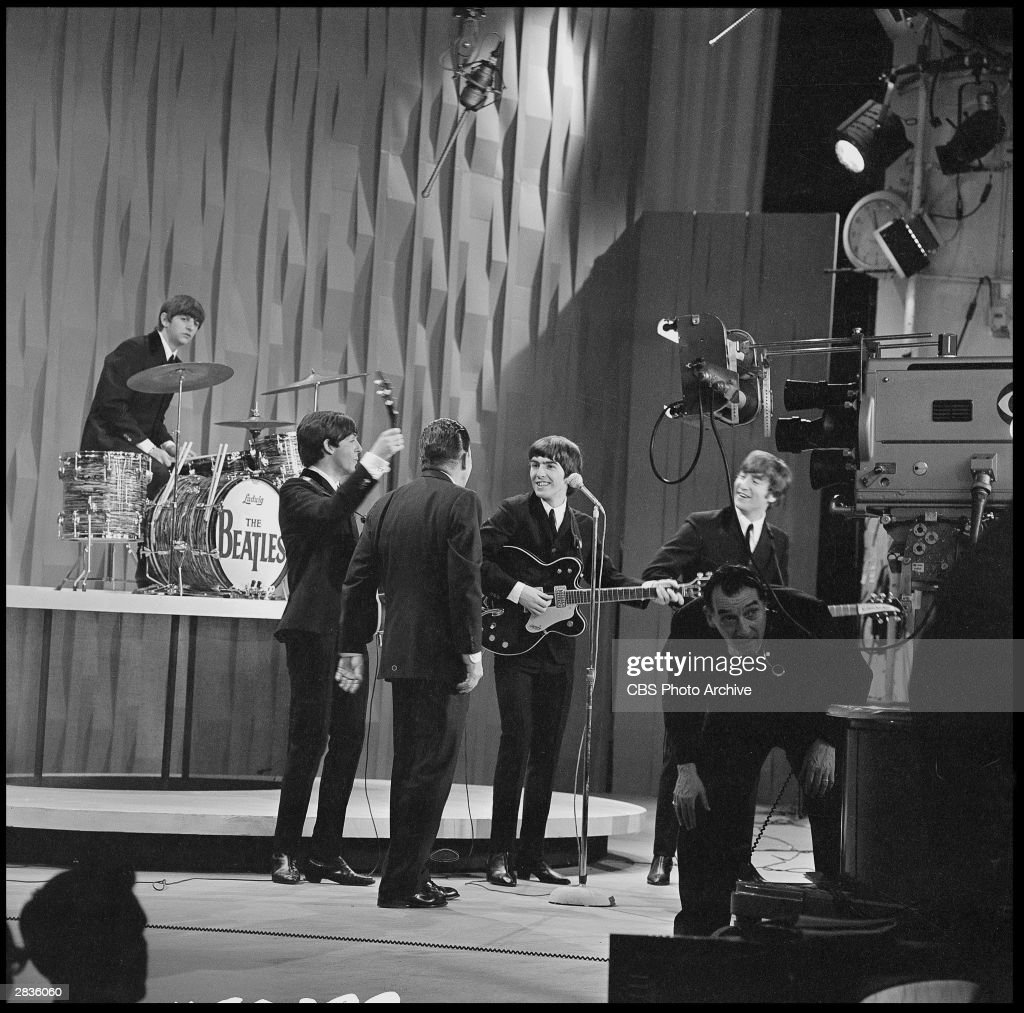
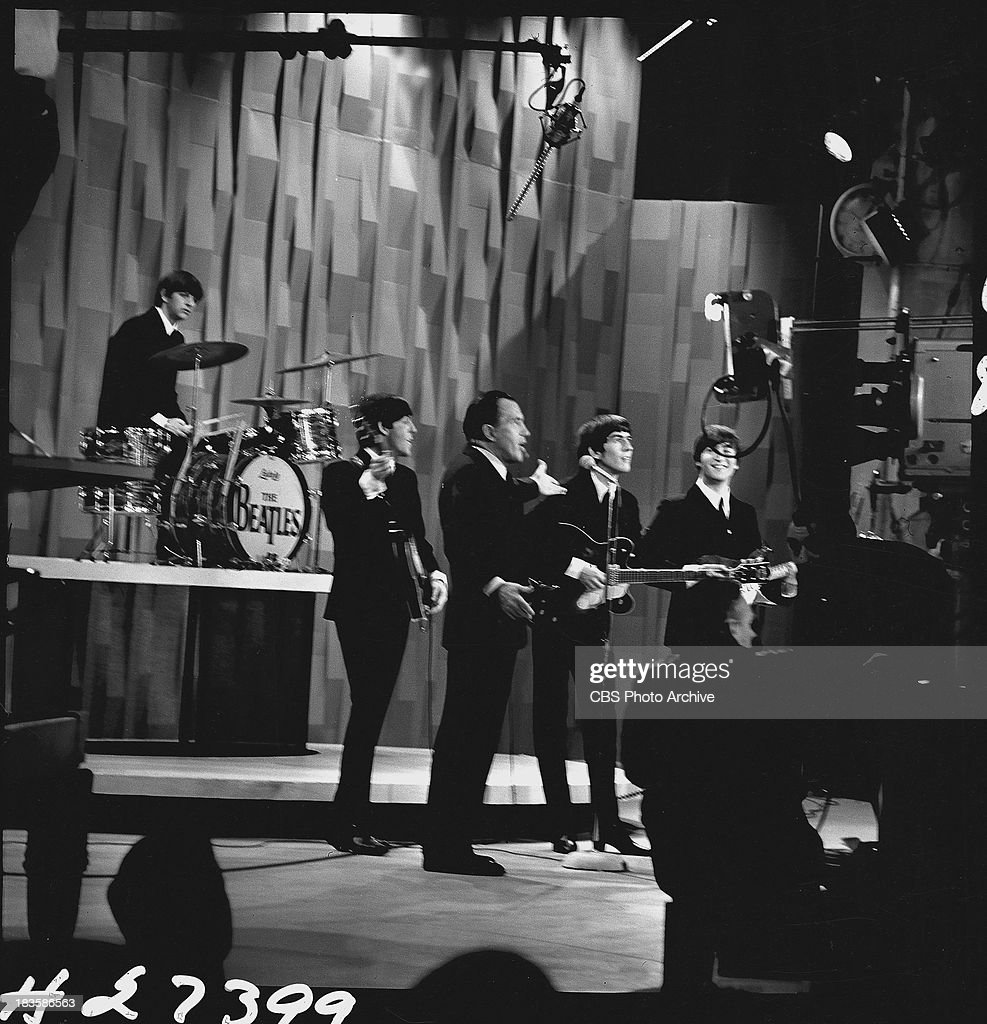
T’The Ed Sullivan Show’ featuring The Beatles, performed on Sunday, February 9, 1964, from CBS’s Studio 50 in New York City. Band members (from left) Ringo Starr (drummer), Paul McCartney, show host: Ed Sullivan, George Harrison and John Lennon. (Photo by CBS Photo Archive/Getty Images)
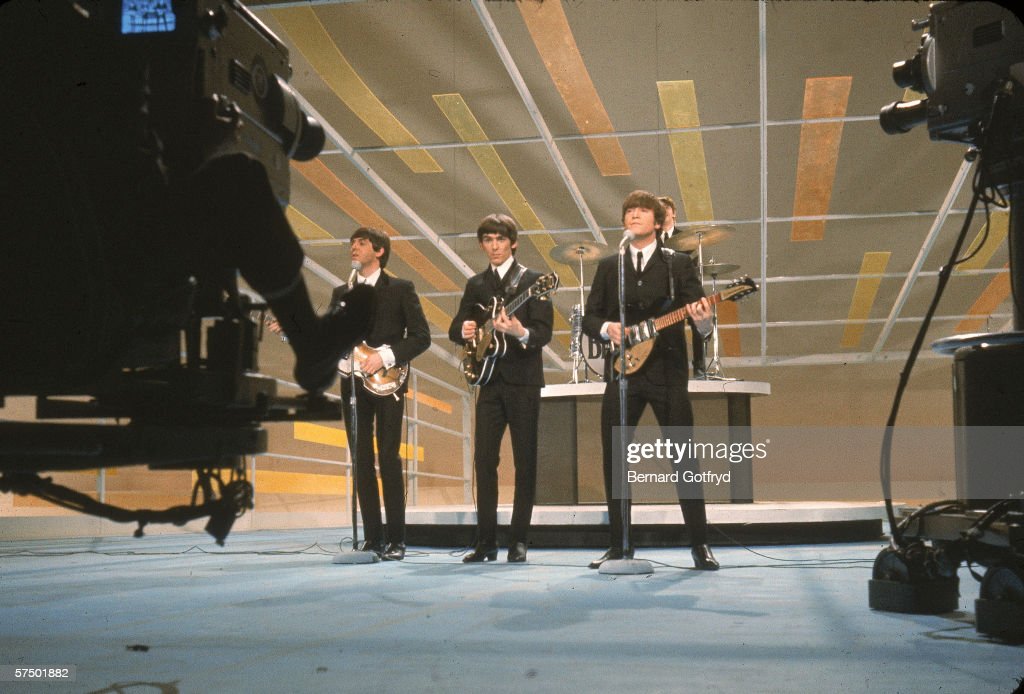
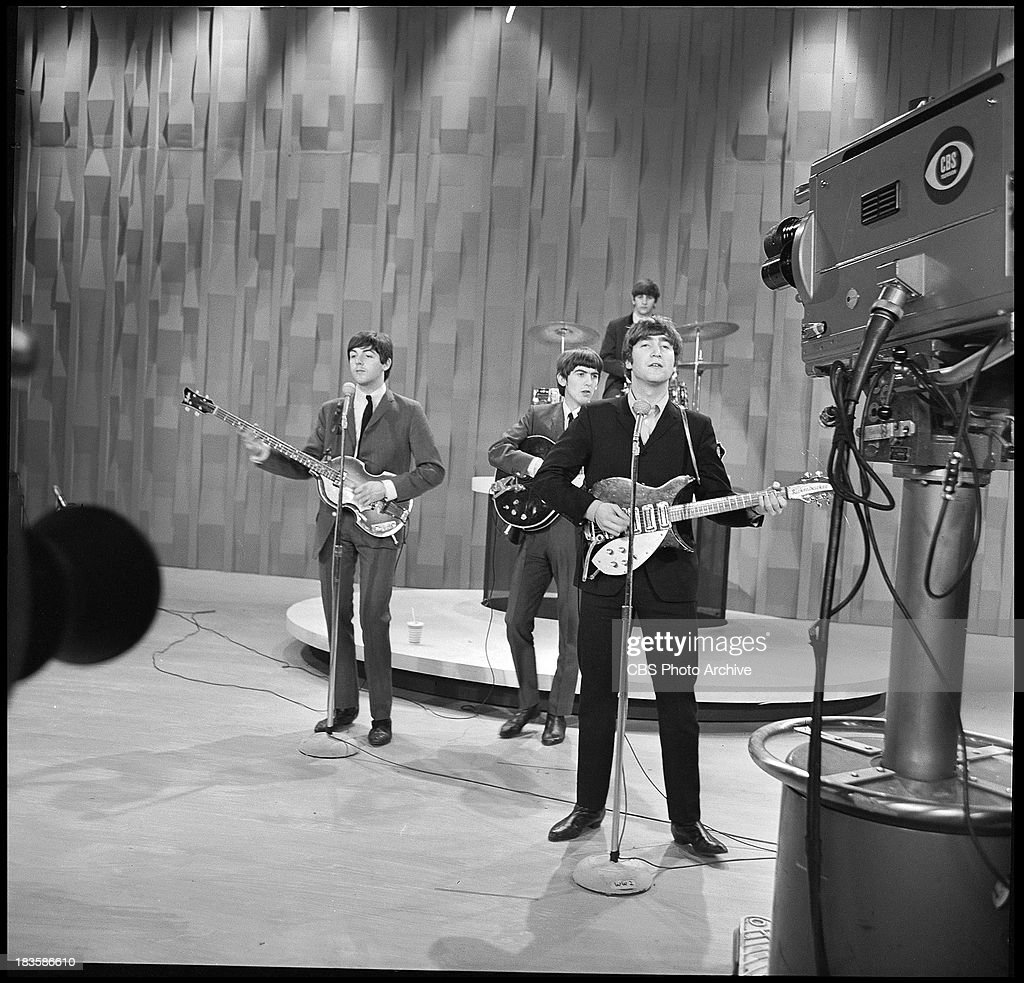
British pop and rock music group the Beatles perform on the television variety program, ‘The Ed Sullivan Show,’ New York, New York, February 9, 1964. From left, Paul McCartney, George Harrison (1943 – 2001), and John Lennon (1940 – 1980). Drummer Ringo Starr is obscured behind Lennon. (Photo by Bernard Gotfryd/Getty Images)
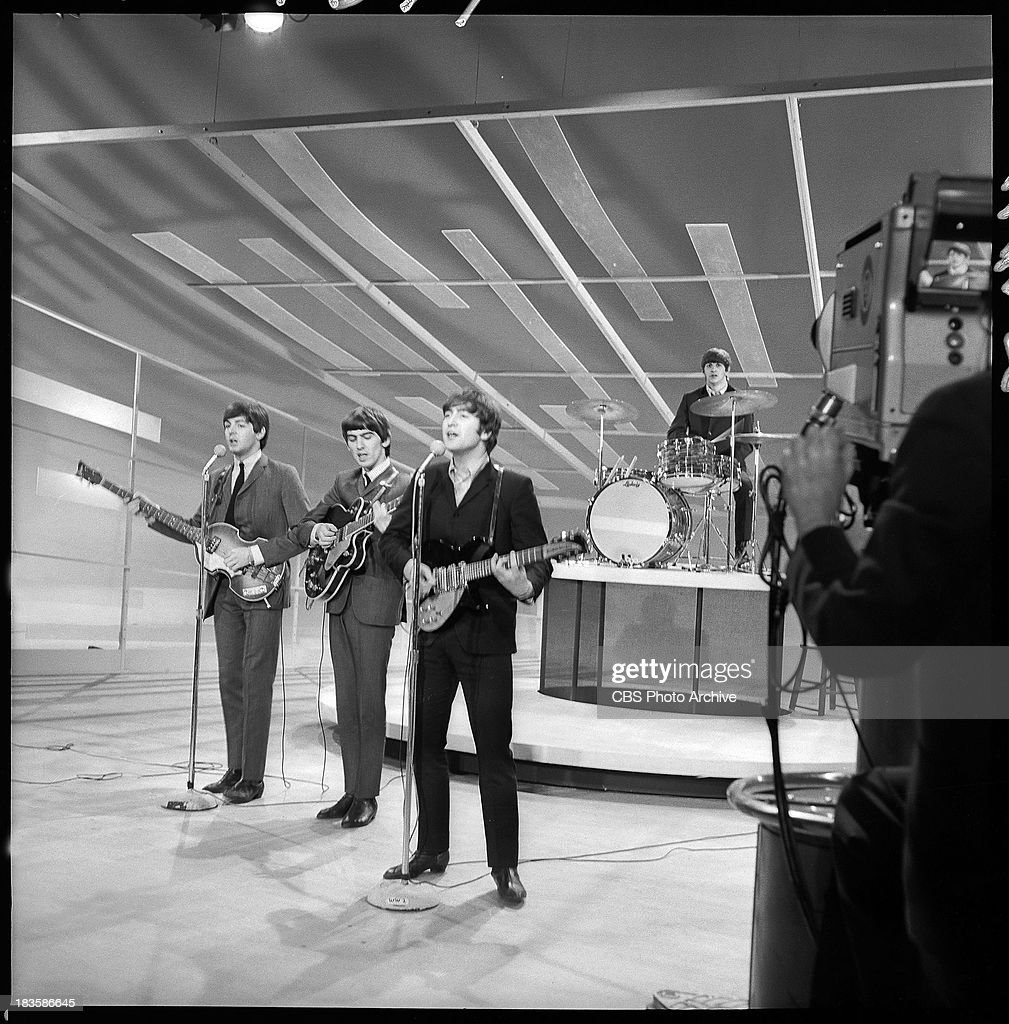
NEW YORK – FEBRUARY 9: THE ED SULLIVAN SHOW featuring The Beatles, performing on Sunday, February 9, 1964, from CBS’s Studio 50 in New York City. Band members (from left) Ringo Starr (drummer), Paul McCartney, George Harrison and John Lennon. (Photo by CBS via Getty Images)
NEW YORK – FEBRUARY 9: THE ED SULLIVAN SHOW featuring The Beatles, performing on Sunday, February 9, 1964, from CBS’s Studio 50 in New York City. Band members (from left) Ringo Starr (drummer), Paul McCartney, George Harrison and John Lennon. (Photo by CBS via Getty Images)
NEW YORK – FEBRUARY 9: THE ED SULLIVAN SHOW featuring The Beatles, performing on Sunday, February 9, 1964, from CBS’s Studio 50 in New York City. Band members (from left), Paul McCartney, George Harrison, John Lennon and Ringo Starr (drummer). (Photo by CBS via Getty Images)
NEW YORK – FEBRUARY 9: THE ED SULLIVAN SHOW featuring The Beatles, performing on Sunday, February 9, 1964, from CBS’s Studio 50 in New York City. Band members (from left) Ringo Starr (drummer), Paul McCartney, George Harrison and John Lennon. (Photo by CBS via Getty Images)
NEW YORK – FEBRUARY 9: THE ED SULLIVAN SHOW featuring The Beatles, performing on Sunday, February 9, 1964, from CBS’s Studio 50 in New York City. Band members (from left), Paul McCartney, George Harrison, John Lennon and Ringo Starr (drummer). (Photo by CBS via Getty Images)
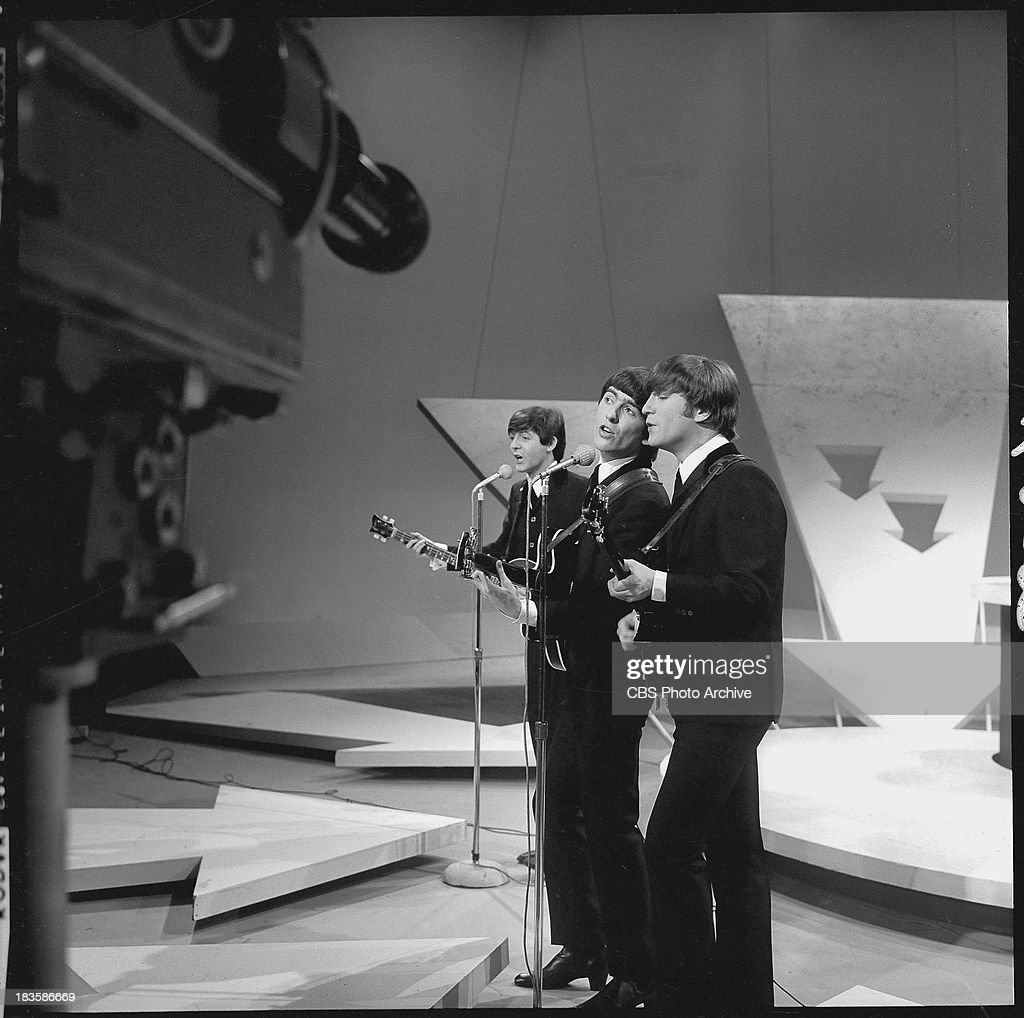
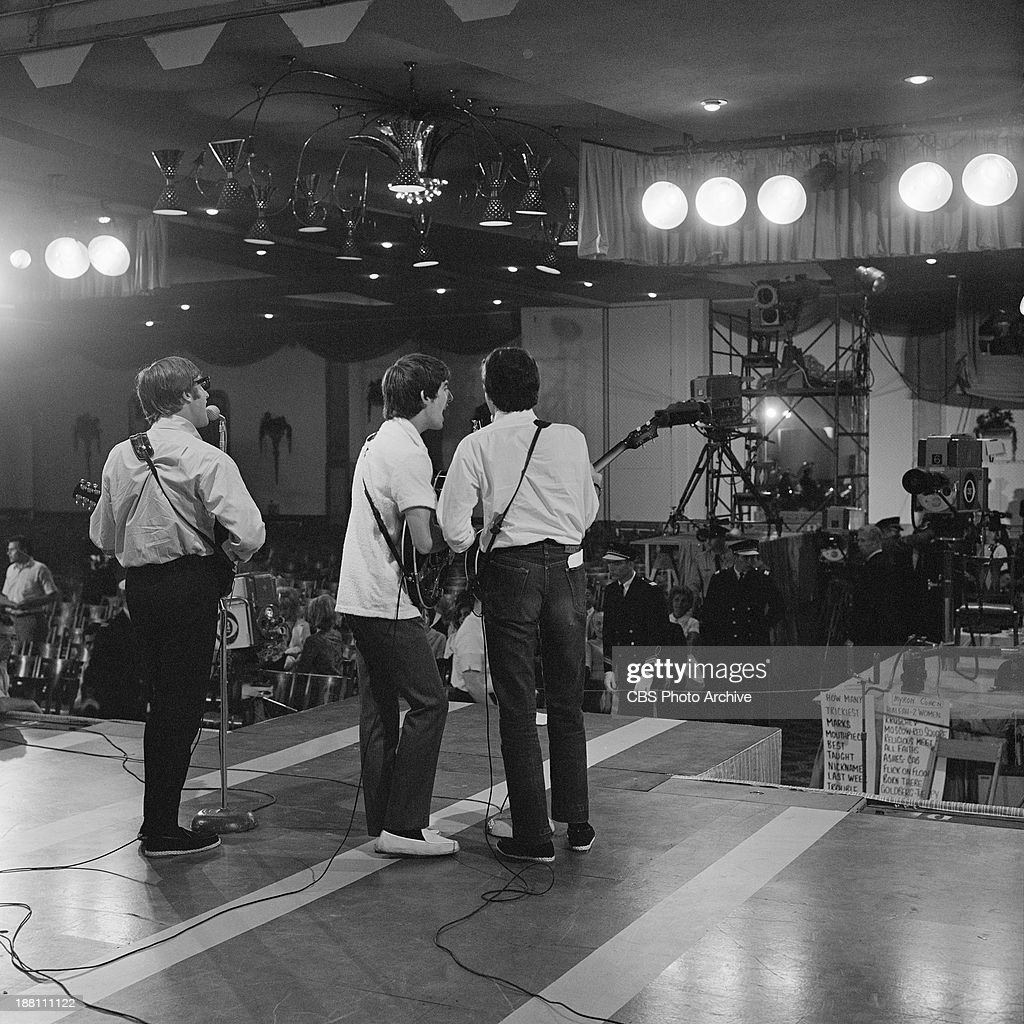
NEW YORK – FEBRUARY 9: THE ED SULLIVAN SHOW featuring The Beatles, performing on Sunday, February 9, 1964, from CBS’s Studio 50 in New York City. 3 of the 4 band members (from left), Paul McCartney, George Harrison and John Lennon. (Photo by CBS via Getty Images)
MIAMI BEACH – FEBRUARY 16: THE ED SULLIVAN SHOW. Deauville Hotel, Miami Beach, Florida. The Beatles’ second appearance. From left: Paul McCartney, George Harrison, John Lennon and Ringo Starr. Image dated February, 16, 1964. (Photo by CBS via Getty Images)
NEW YORK – FEBRUARY 16: The Beatles rehearse at the Deauville Hotel, Miami Beach, Florida for THE ED SULLIVAN SHOW. Pictured is drummer, Ringo Starr. Image dated February 16, 1964. (Photo by CBS via Getty Images)
NEW YORK – FEBRUARY 16: The Beatles rehearse at the Deauville Hotel, Miami Beach, Florida for THE ED SULLIVAN SHOW. From left: Paul McCartney, George Harrison, John Lennon, and Ringo Starr. Image dated February 16, 1964. (Photo by CBS via Getty Images)
NEW YORK – FEBRUARY 16: The Beatles rehearse at the Deauville Hotel, Miami Beach, Florida for THE ED SULLIVAN SHOW. From left: Paul McCartney, George Harrison, John Lennon, and Ringo Starr. Image dated February 16, 1964. (Photo by CBS via Getty Images)
NEW YORK – FEBRUARY 16: The Beatles rehearse at the Deauville Hotel, Miami Beach, Florida for THE ED SULLIVAN SHOW. From left: John Lennon, George Harrison, Paul McCartney. Image dated February 16, 1964. (Photo by CBS via Getty Images)
NEW YORK – FEBRUARY 16: The Beatles rehearse at the Deauville Hotel, Miami Beach, Florida for THE ED SULLIVAN SHOW. From left: Producer, Bob Precht and John Lennon. Image dated February 16, 1964. (Photo by CBS via Getty Images)
NEW YORK – FEBRUARY 16: The Beatles perform in the Deauville Hotel, Miami Beach, Florida for THE ED SULLIVAN SHOW. From left: John Lennon, Paul McCartney and George Harrison. Image dated February 16, 1964. (Photo by CBS via Getty Images)
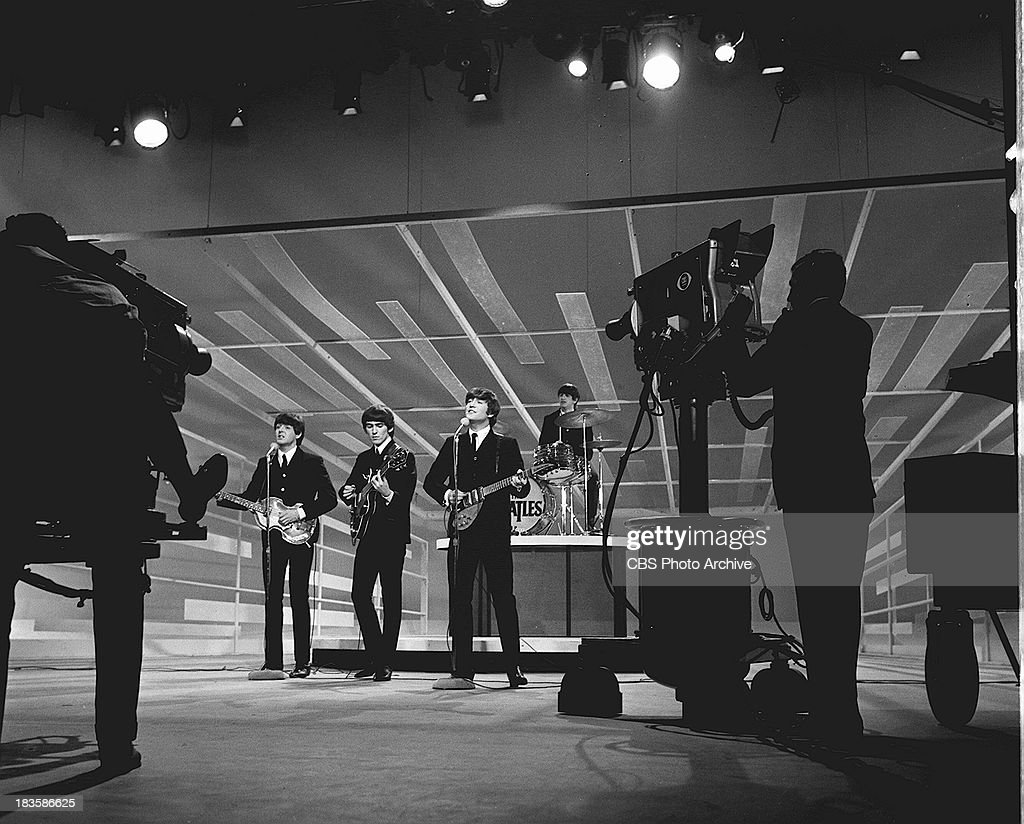
NEW YORK – FEBRUARY 9: The Beatles perform during their first appearance on THE ED SULLIVAN SHOW, February 9, 1964. Paul McCartney, George Harrison, John Lennon and Ringo Starr are shown. (Photo by CBS via Getty Images)
NEW YORK – FEBRUARY 9: The Beatles perform during their first appearance on THE ED SULLIVAN SHOW, February 9, 1964. Paul McCartney, George Harrison, John Lennon and Ringo Starr are shown. (Photo by CBS via Getty Images)
NEW YORK – FEBRUARY 9: The Beatles perform during their first appearance on THE ED SULLIVAN SHOW, February 9, 1964. Paul McCartney, George Harrison, John Lennon and Ringo Starr are shown. (Photo by CBS via Getty Images)
NEW YORK – FEBRUARY 9: The Beatles perform during their first appearance on THE ED SULLIVAN SHOW, February 9, 1964. Paul McCartney, George Harrison, John Lennon and Ringo Starr are shown. (Photo by CBS via Getty Images)
NEW YORK – FEBRUARY 9: Ed Sullivan speaking into the camera on THE ED SULLIVAN SHOW. Image dated February 9, 1964. (Photo by CBS via Getty Images)
NEW YORK – AUGUST 14: The Beatles final performance on THE ED SULLIVAN SHOW. Image dated August 14, 1965. Paul McCartney, Ed Sullivan and John Lennon. (Photo by CBS via Getty Images)
NEW YORK – AUGUST 14: The Beatles final performance on THE ED SULLIVAN SHOW. Image dated August 14, 1965. From left: Paul McCartney, George Harrison, Ringo Starr, John Lennon. (Photo by CBS via Getty Images)
NEW YORK – AUGUST 14: The Beatles final performance on THE ED SULLIVAN SHOW. Image dated August 14, 1965. From left: Paul McCartney, George Harrison, John Lennon, Ringo Starr. (Photo by CBS via Getty Images)
NEW YORK – FEBRUARY 8: The Beatles at rehearsal the day before their first appearance on THE ED SULLIVAN SHOW. From left in front: Paul McCartney, Neil Aspinall (standing in for a sick George Harrison), John Lennon and Ringo Starr on the drums. Image dated February 8, 1964. (Photo by CBS via Getty Images)
The Beatles during a performance taping for the Ed Sullivan Show in 1964.
NEW YORK – FEBRUARY 9: THE ED SULLIVAN SHOW featuring The Beatles, performed on Sunday, February 9, 1964, from CBS’s Studio 50 in New York City. Band members (from left) Ringo Starr (drummer), Paul McCartney, show host: Ed Sullivan, George Harrison and John Lennon. (Photo by CBS via Getty Images)
NEW YORK – FEBRUARY 9: THE ED SULLIVAN SHOW featuring The Beatles, performing on Sunday, February 9, 1964, from CBS’s Studio 50 in New York City. Band members (from left) Ringo Starr (drummer), Paul McCartney, George Harrison and John Lennon. (Photo by CBS via Getty Images)
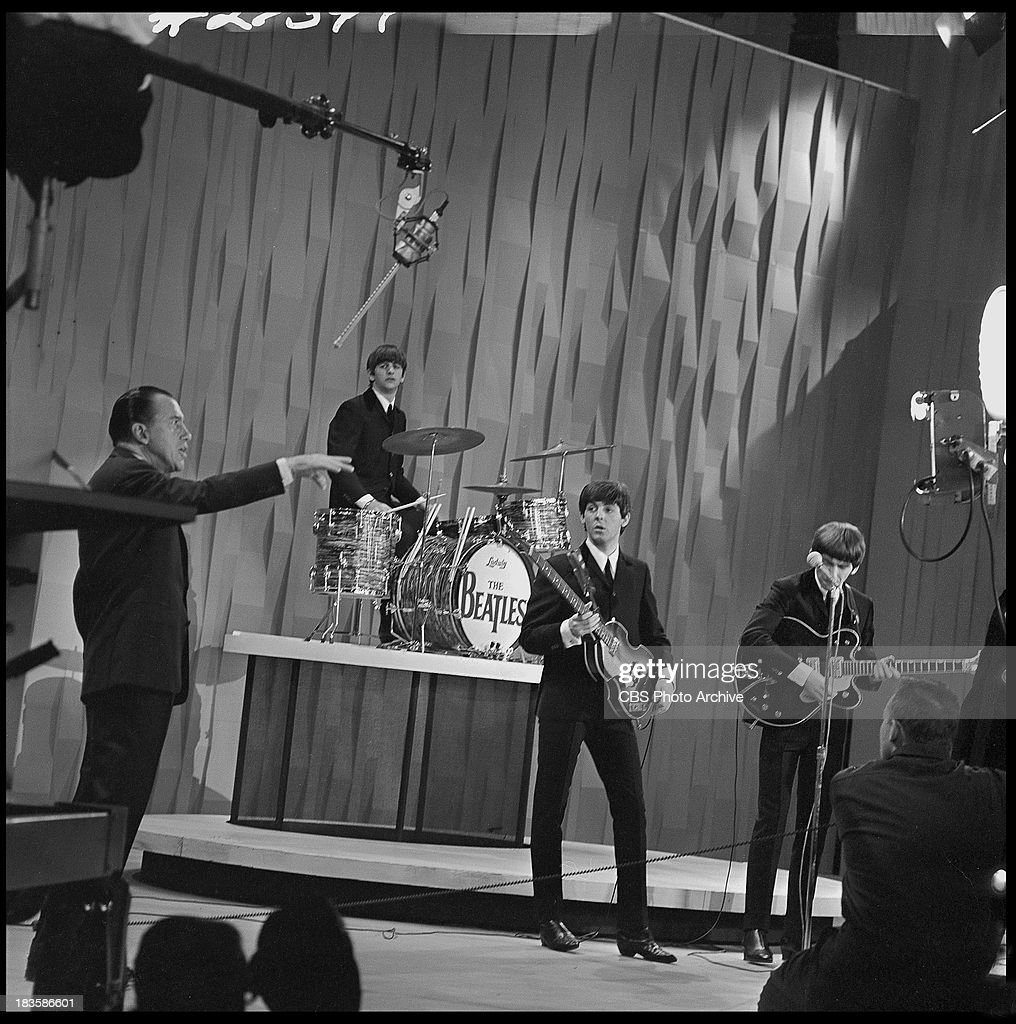
NEW YORK – FEBRUARY 9: THE ED SULLIVAN SHOW featuring The Beatles, performing on Sunday, February 9, 1964, from CBS’s Studio 50 in New York City. Show host: Ed Sulliavn at far left. Three of the four band members (from left) Ringo Starr (drummer), Paul McCartney and George Harrison. (Photo by CBS via Getty Images)
NEW YORK – FEBRUARY 9: THE ED SULLIVAN SHOW featuring The Beatles, performing on Sunday, February 9, 1964, from CBS’s Studio 50 in New York City. Band members (from left): Paul McCartney, George Harrison, Ringo Starr (drummer) and John Lennon. (Photo by CBS via Getty Images)
NEW YORK – FEBRUARY 9: THE ED SULLIVAN SHOW featuring The Beatles, performing on Sunday, February 9, 1964, from CBS’s Studio 50 in New York City. Band members (from left) Ringo Starr (drummer), Paul McCartney, George Harrison and John Lennon. (Photo by CBS via Getty Images)
British pop group The Beatles rehearsing for their performance on the Ed Sullivan television programme during the band’s visit to the United States. 9th February 1964. (Photo by Daily Mirror/Mirrorpix/Mirrorpix via Getty Images)
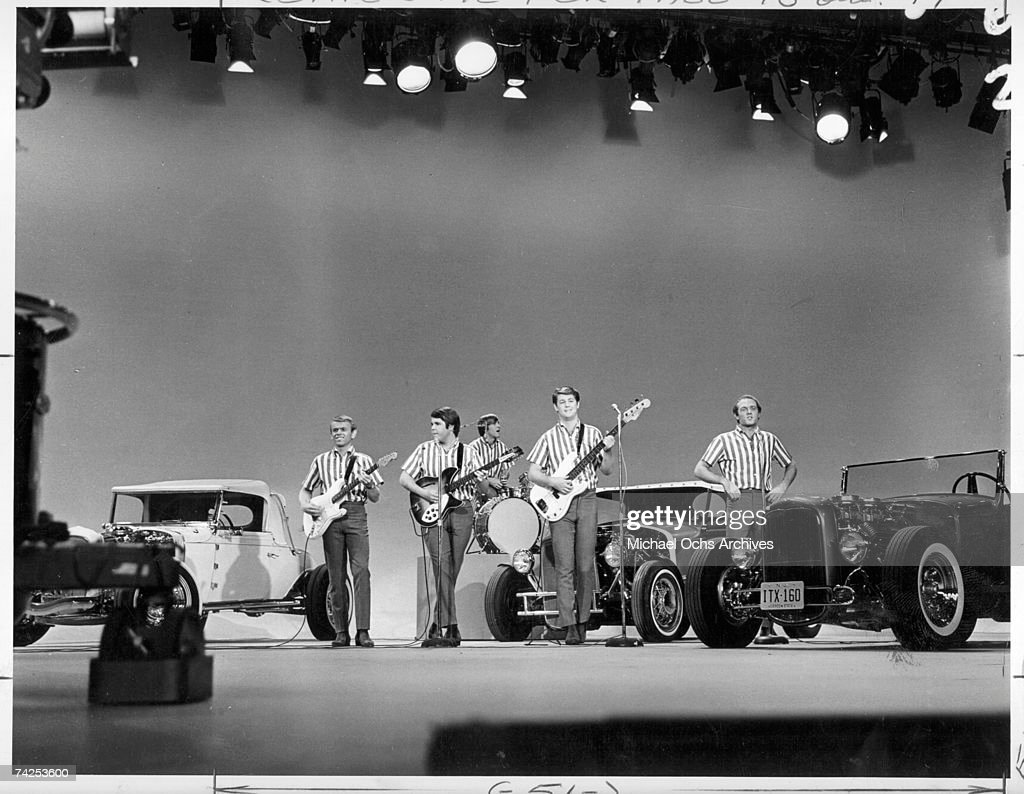
NEW YORK – 1964: Al Jardine, Carl Wilson, Dennis Wilson, Brian Wilson and Mike Love of the rock and roll band “The Beach Boys” perform the song “I Get Around” onstage on “The Ed Sullivan Show” in front of vintage hot rod cars 1964 in New York City, New York. (Photo by Michael Ochs Archives/Getty Images)
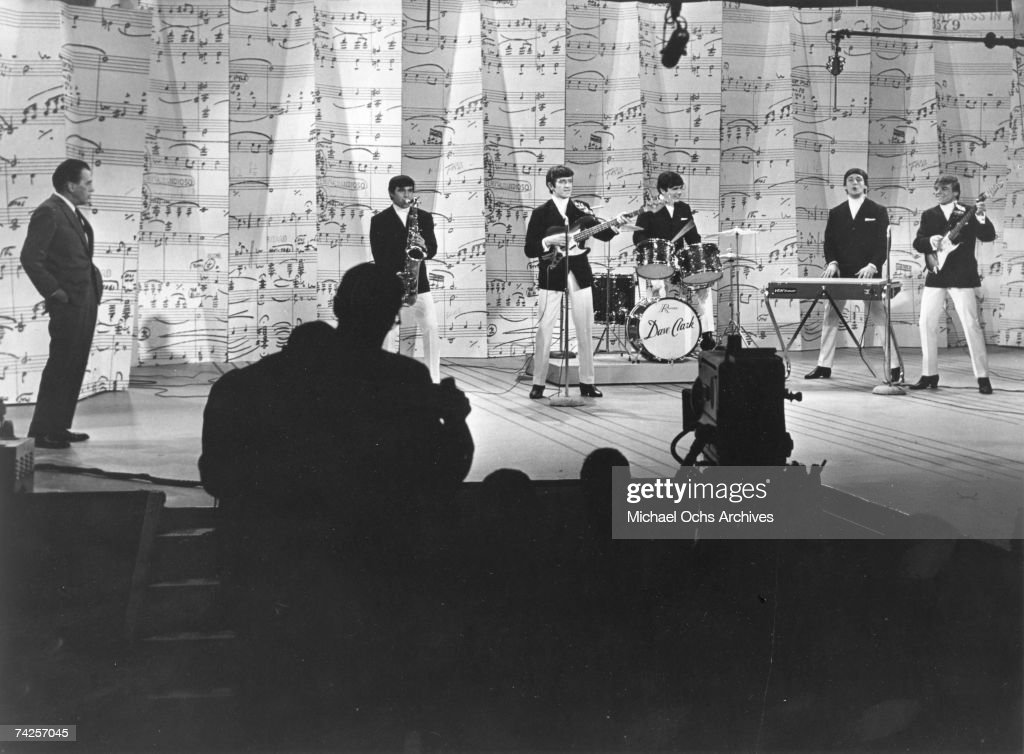
NEW YORK – 1965: The Dave Clark Five perform on the Ed Sullivan TV show in 1965 in New York City, New York. (L-R) Ed Sullivan, Denis ‘Denny’ Payton, Rick Huxley, Dave Clark, Mike Smith, Lenny Davidson. (Photo by Michael Ochs Archive/Getty Images)
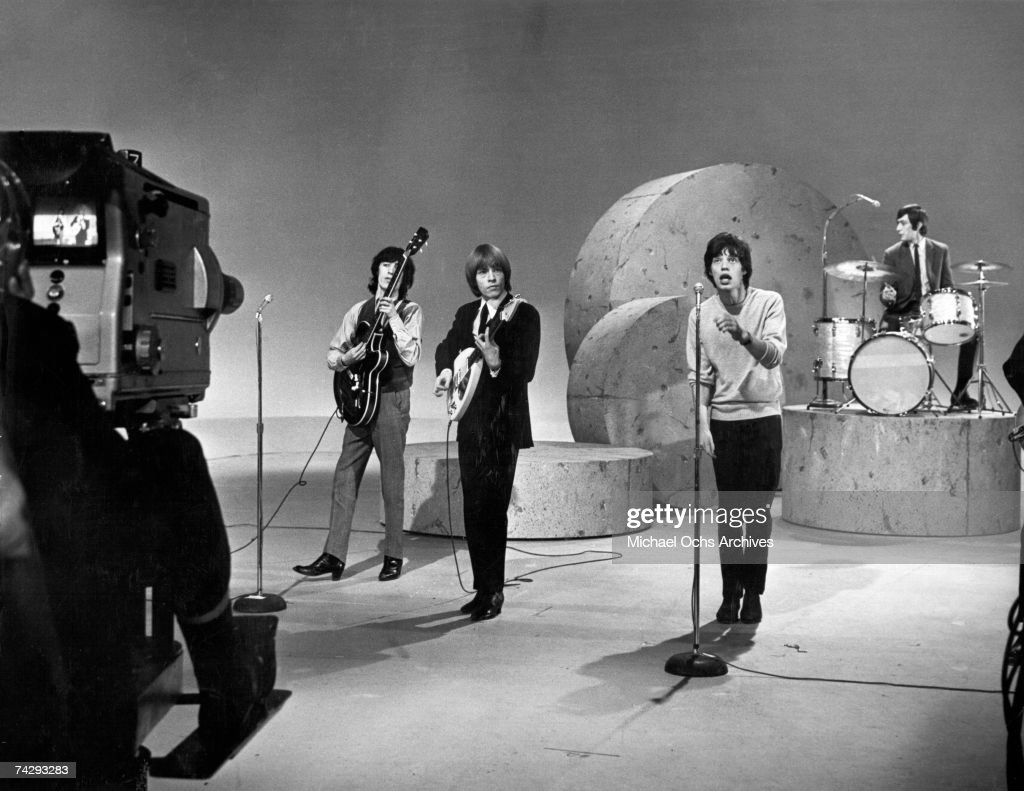
NEW YORK – OCTOBER 25: Rock and roll band “The Rolling Stones” perform on the Ed Sullivan Show on October 25, 1964 in New York City, New York. (L-R) Bill Wyman, Brian Jones, Mick Jagger, Charlie Watts, Keith Richards. (Photo by Michael Ochs Archives/Getty Images)
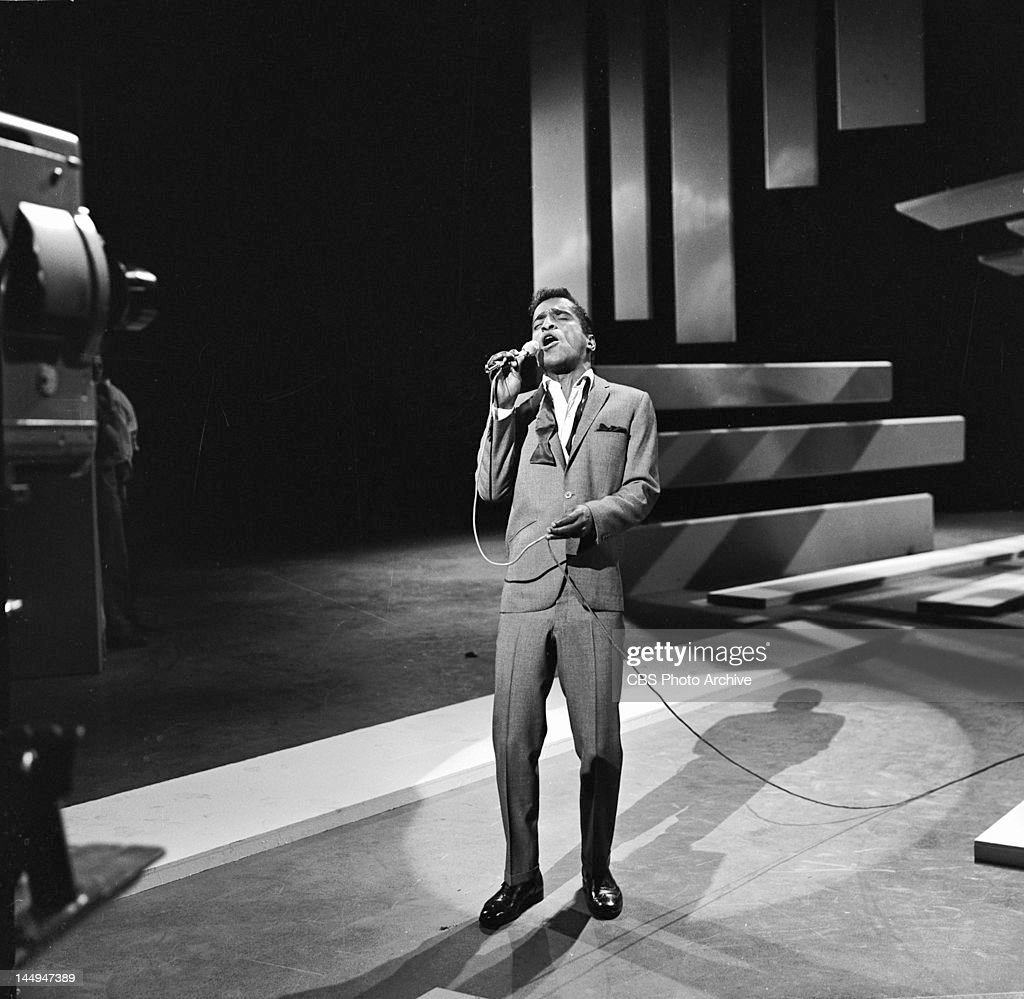
NEW YORK – NOVEMBER 15: Sammy Davis, Jr. performs on THE ED SULLIVAN SHOW. Image dated November 15, 1964. (Photo by CBS via Getty Images)
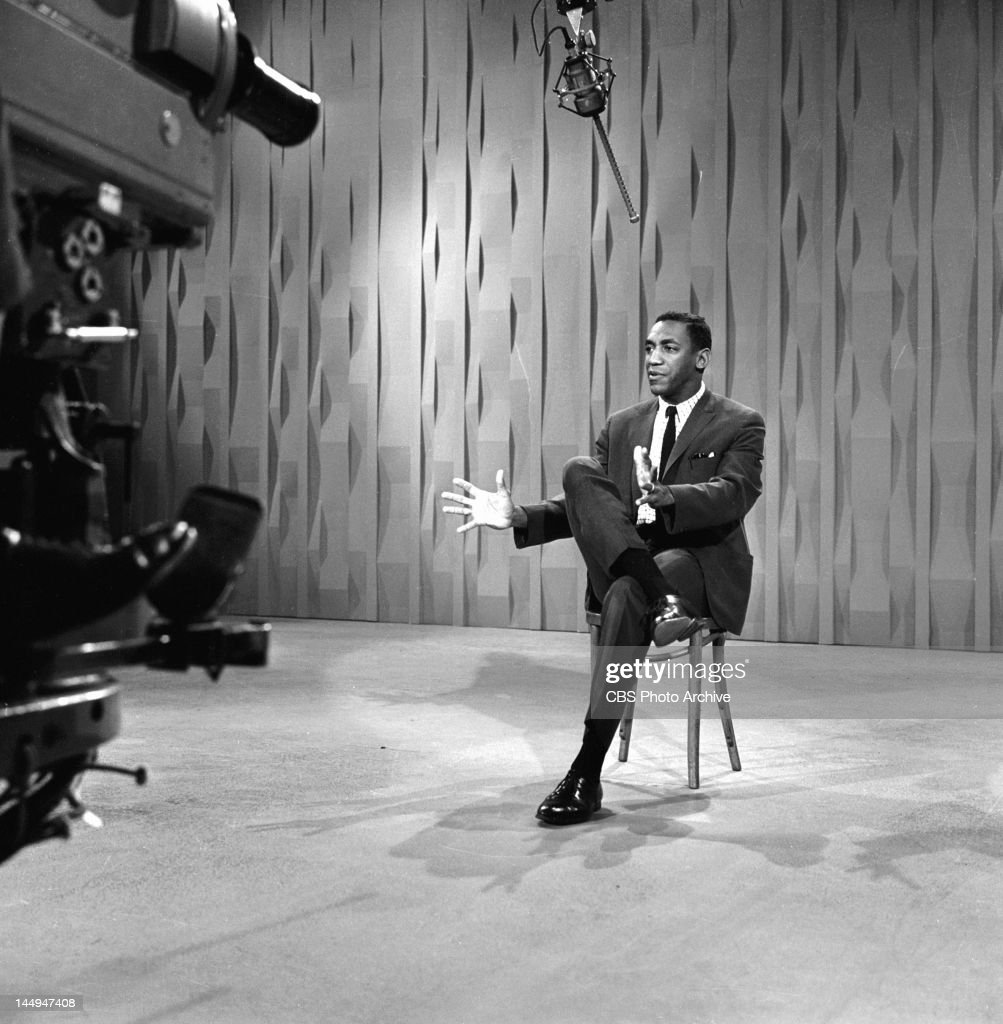
NEW YORK – MAY 31: Bill Cosby performs on THE ED SULLIVAN SHOW. Image dated May 31, 1964. (Photo by CBS via Getty Images)
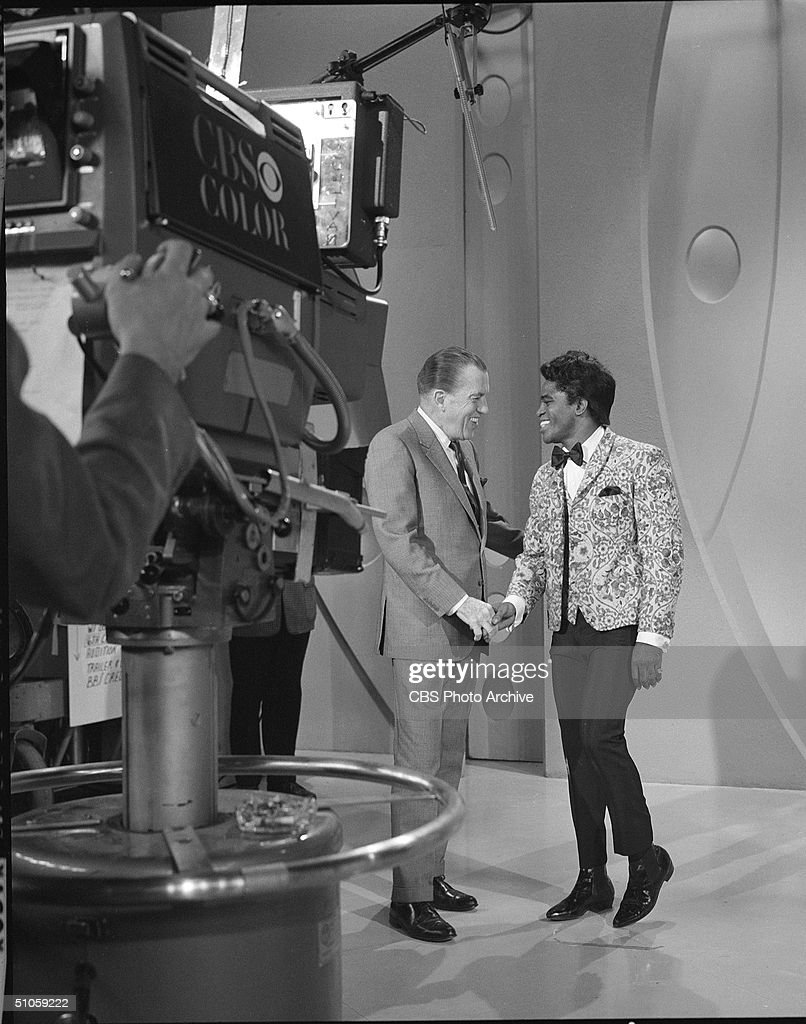
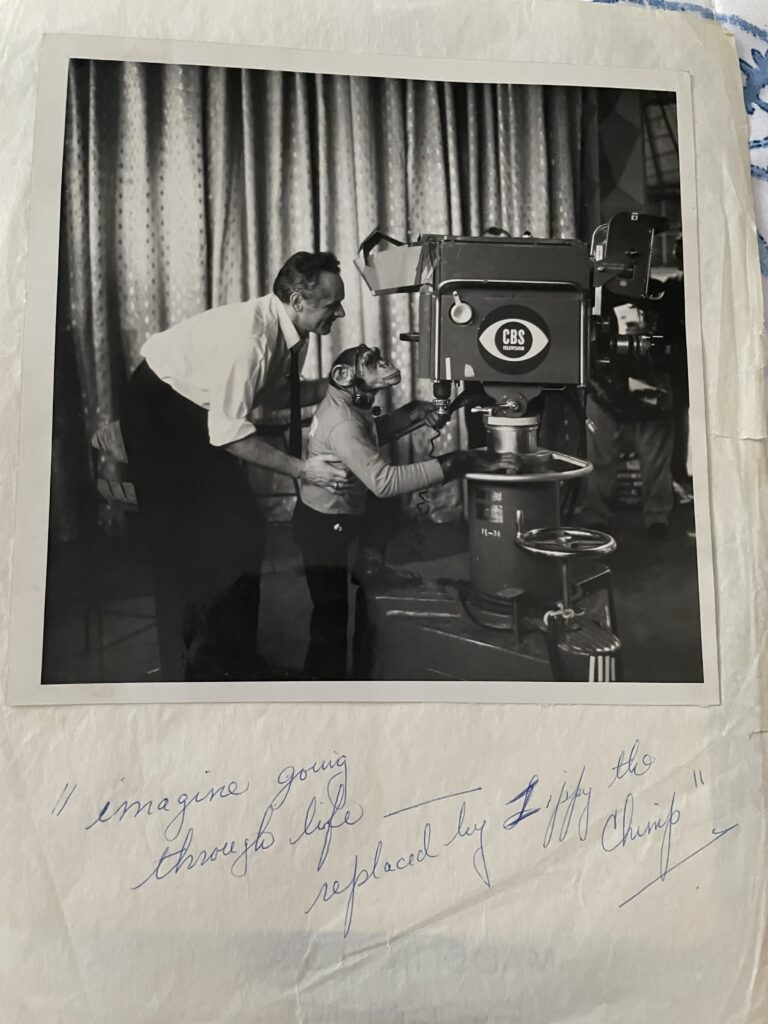
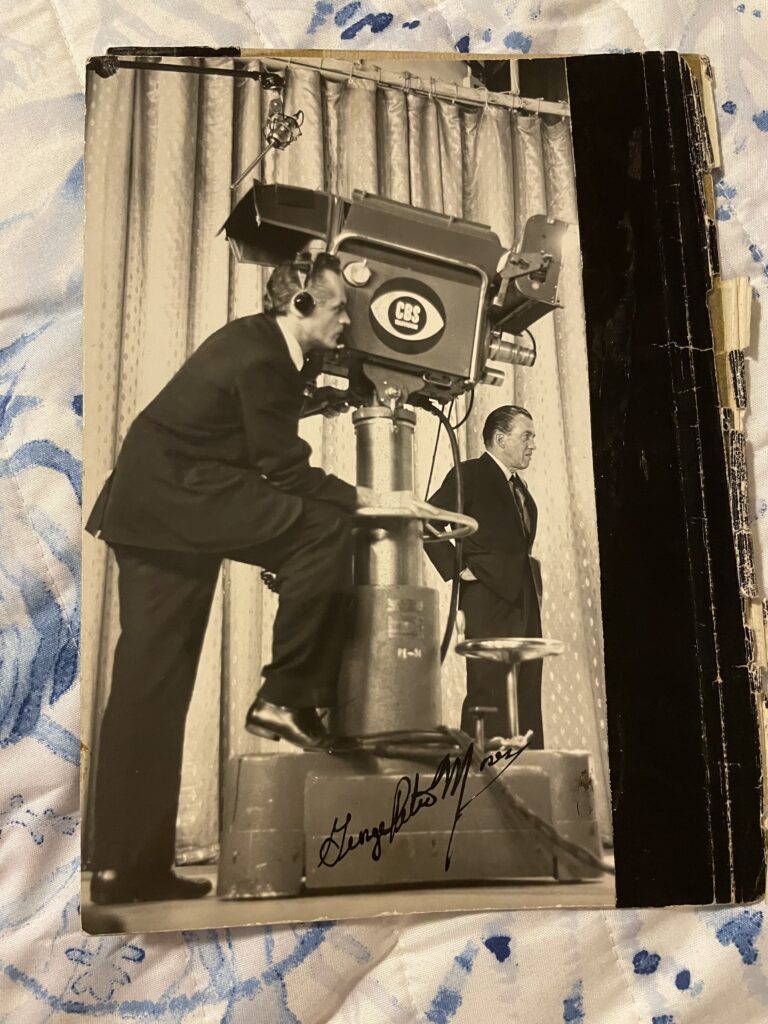
The Norelco Era: Before we talk about the cameras, let’s talk about Ed’s “personal cameraman”, Mr. George Moses who whe see above shooting the boss with a new Norelco PC71. Stage Manager Eddie Brinkman was with Ed from the first show till the last one and George was there for 21 of the 23 years!
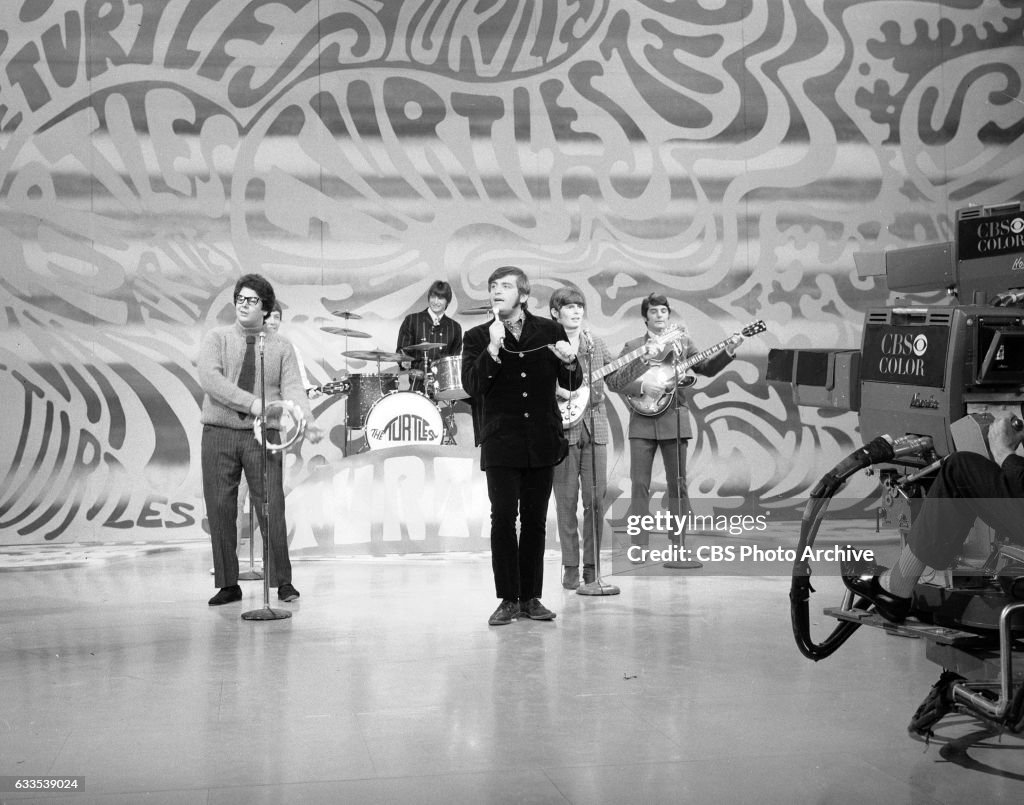
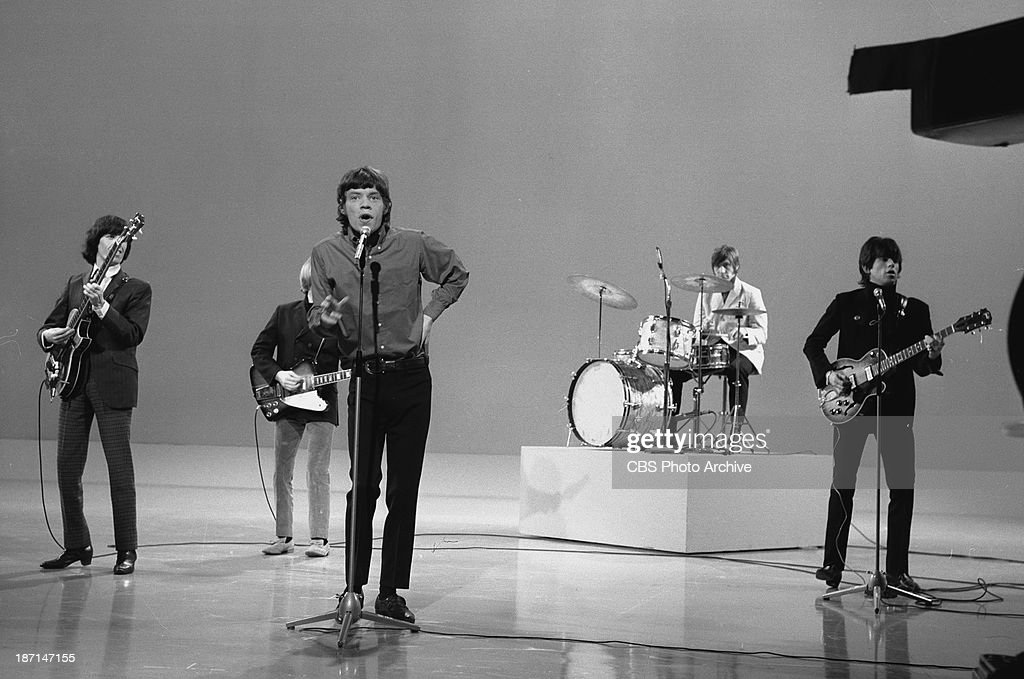
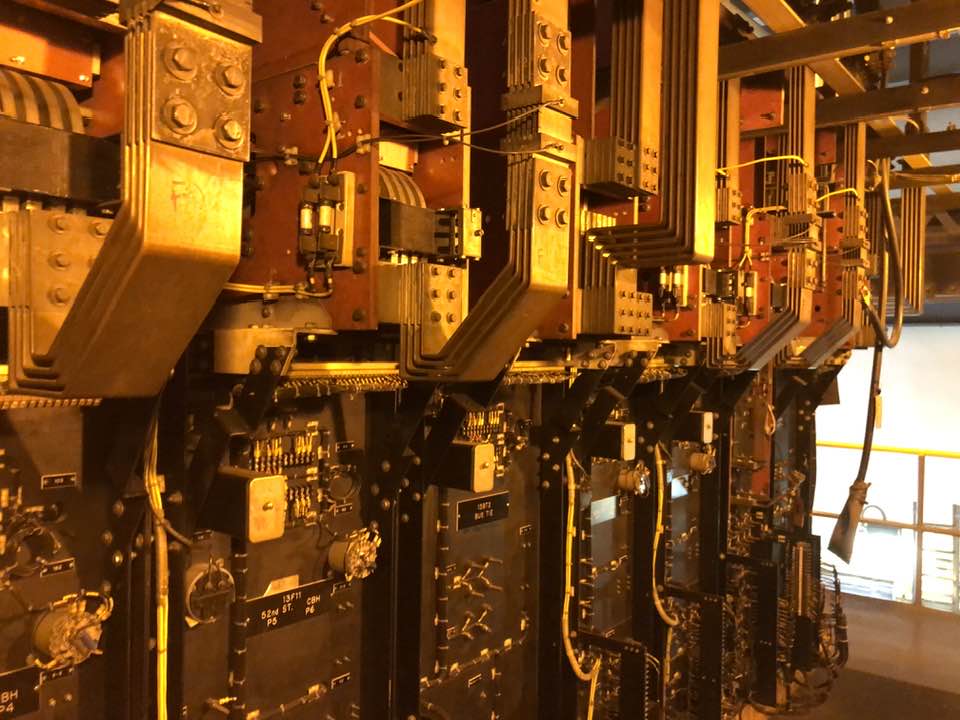
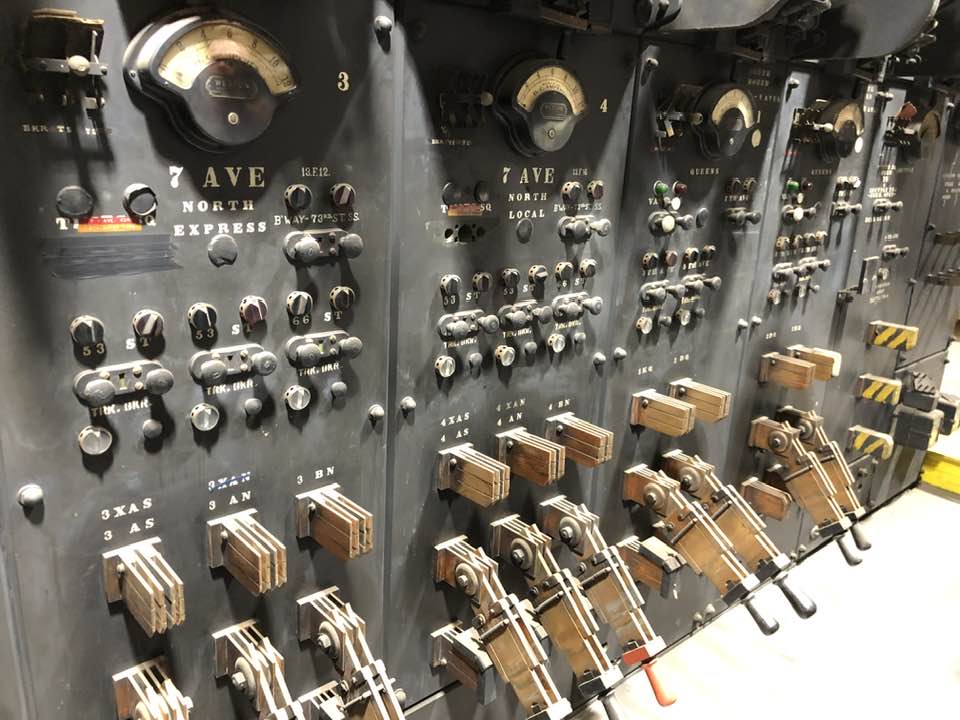
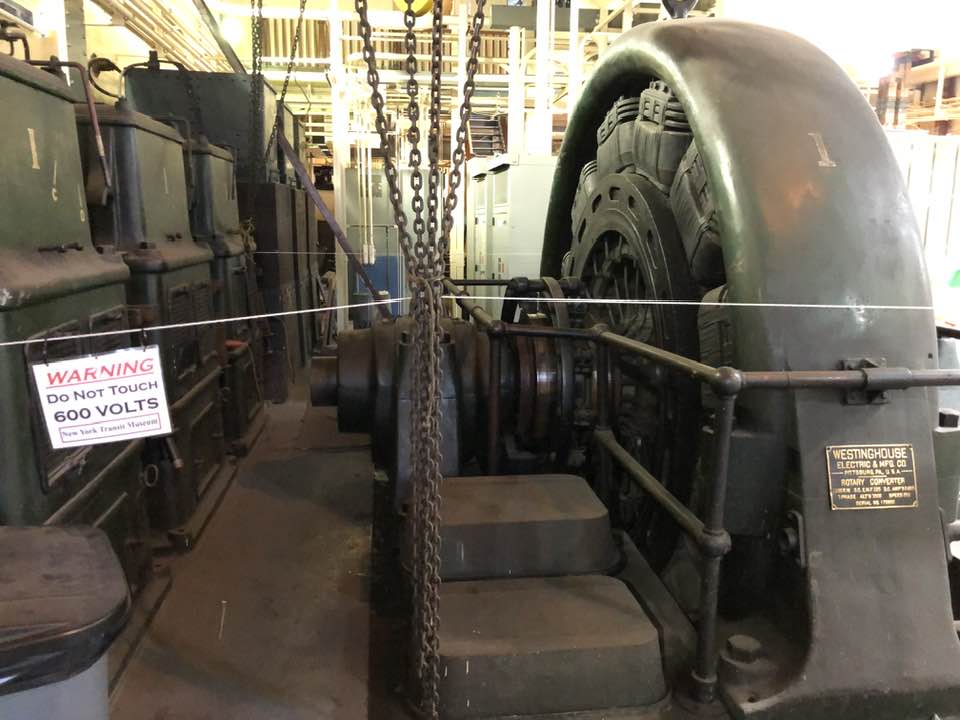
This will be a short but INFORMATIVE section as we deal with the first color in Studio 50, so be sure to see the video clip at the end of this article! In August, Seprember and some of October of 1965, Ed’s show moved to Los Angeles to air new shows as Studi0 50 was outfitted for color with new lights, sets and Norelco PC71 cameras. The cameras were specially outfitted with mu-metal to protect the electronics from the mamoth magnetic field that plagued the theater since day one. Most people never knew that just behind the backstage wall is Transit Substation 13 on West 53rd Street that had huge 600 volt rotary converters used to generate DC from AC. I have included actual photos of these “humming devils” below.
The reason I bring this up is because even thought the Norelcos were great cameras, they just did not quite hit the mark there at Studio 50 where great color was critical for all the shows that came from here. On October 31, 1965, the Norelco PC71s took the Sullivan show to color at Studio 50. BUT, one year later, CBS announced it had just bought 39 new Marconi Mark VII color cameras and by the summer of 1967, they were in Studio 50 with NO modifications needed to “fight the power” behind the wall.
These historical images are from the CBS Photo Archives available through Getty Images and are presented here to assist researchers and television historians in identifying the television equipment in use over the decades and is offered here in a purely educational/instructional forum.
American television host Ed Sullivan (1902 – 1974) (left) shakes hands with Soul singer James Brown (1933 – 2006) on the set of ‘The Ed Sullivan Show’ where Brown was the musical guest, New York, New York, October 30, 1966. A camera and boom microphone are visible. (Photo by CBS Photo Archive/Getty Images)
NEW YORK – MAY 14: Music group The Turtles perform on The Ed Sullivan Show on Sunday, May 14, 1967. The Turtles are led by Mark Volman (at left with tambourine) and Howard Kaylan (wearing dark suit, center). Also seen: John Barbata (on drums); Al Nichol (guitar, second from right) and Jim Tucker (guitar, far right). (Photo by CBS via Getty Images)
NEW YORK – FEBRUARY 13: The Rolling Stones are photographed during a rehearsal for “The Ed Sullivan Show” in New York, New York on February 13, 1966. (Photo by CBS via Getty Images)
This is the machinery that wreaked havock since the days of radio at The Sullivan Theater. These rotalry converters (from AC to DC) generated thousands of volts of electricity for the subways below but blew up huge magnetic fields that went through the brick wall behind the stage, like water through bread.
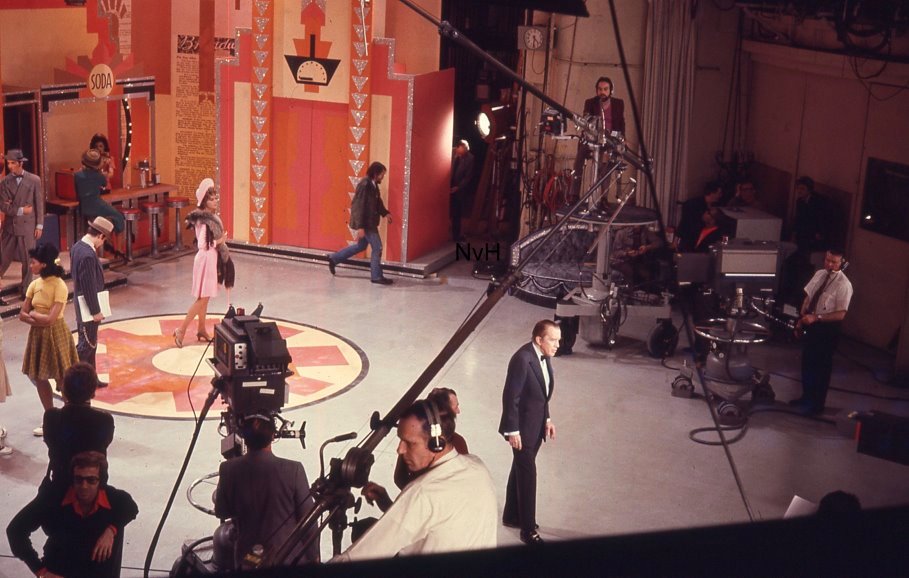
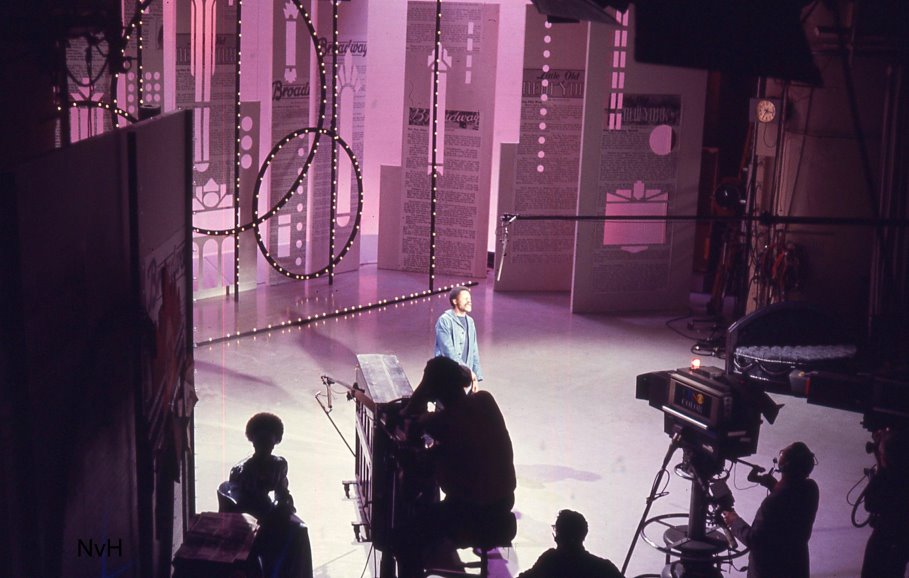
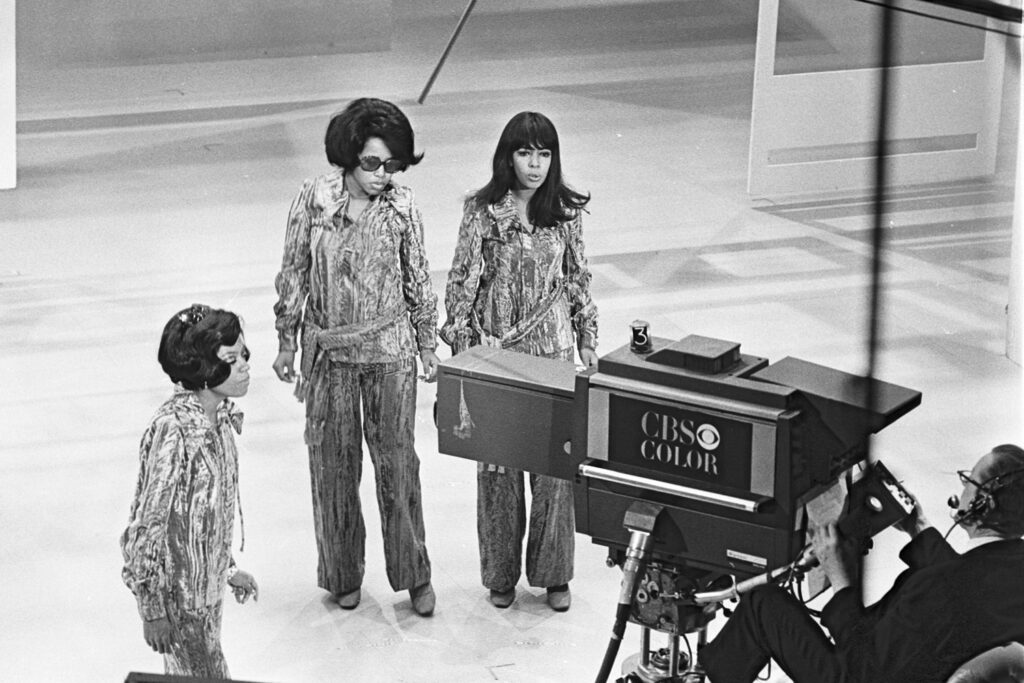
The Marconi Mark VII Era: In the summer of 1967, the Marconi Mark VII color cameras went into service at CBS Studio 50 and were the go to cameras for many years at the network. The color photo above the last color photo were taken by our friend and author Nick Van Hoogstraten in 1973 when Ed was hosting “Ed Sullivan’s Broadway” which was one of his specials after the show’s weekly version had ended.
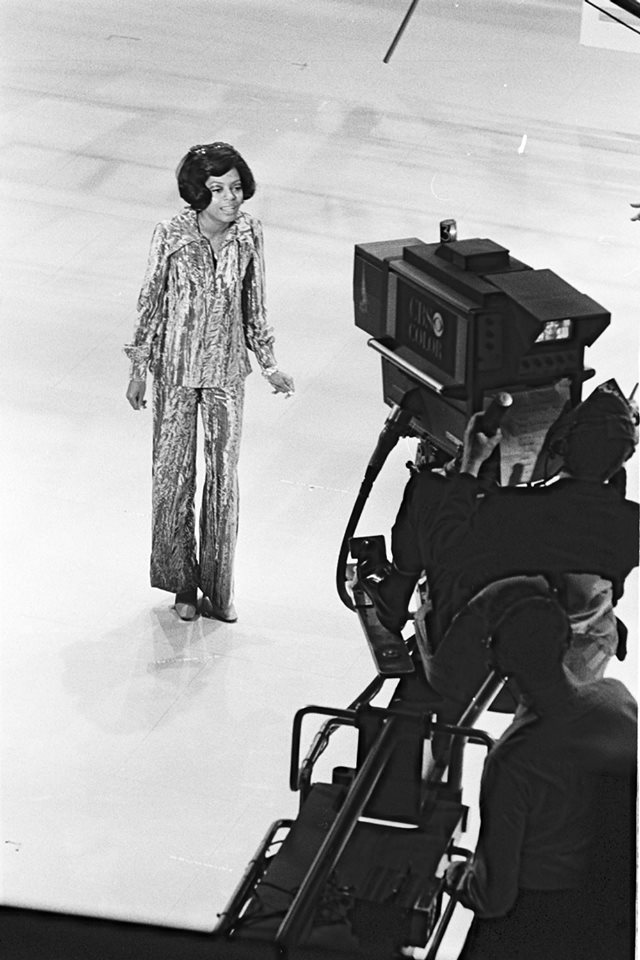
These top two black and white photos were taken by our friend Charles Chin (who worked as a CBS page) on December 12, 1969 when THE SUPREMES were in dress rehearsal for their very last appearance, which I’ve chosen to add here.
These historical images are from the CBS Photo Archives available through Getty Images and are presented here to assist researchers and television historians in identifying the television equipment in use over the decades and is offered here in a purely educational/instructional forum.
Dress Rehearsal for the final performance of THE SURPREMES on The Ed Sullivan Show December 12, 1969 with the video of the performance just below.
Cameraman Bobby Heller and Chapman crane arm-man Kevin Slattery shoot Dianna Ross in dress rehersal of their last performance as THE SUPREMES. I watched it live and I was sad.
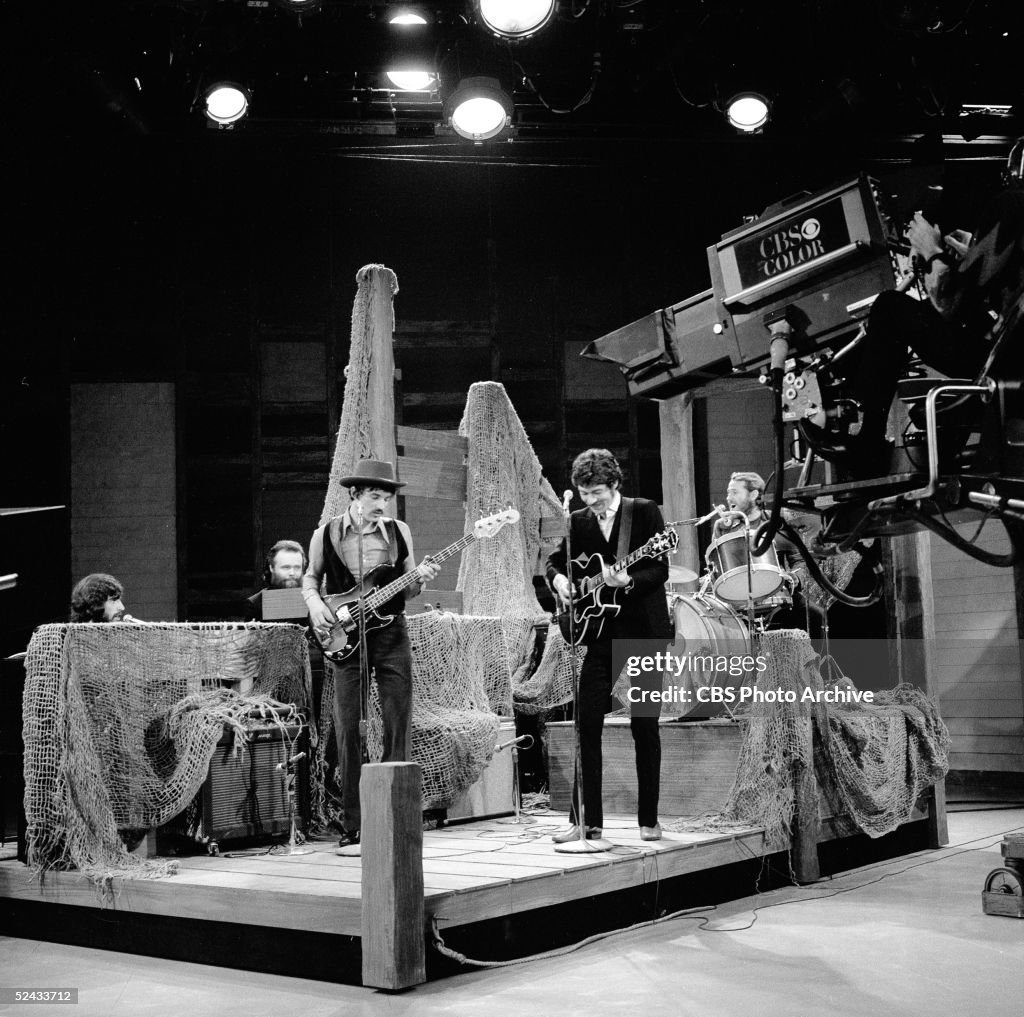
The original members of Southern-style rock and roll combo The Band, (from left) Canadians Richard Manuel at piano, Garth Hudson at piano, Rick Danko, Robbie Robertson and American Levon Helm on drums, perform on the Ed Sullivan Show, New York, November 2, 1969. (Photo by CBS Photo Archive/Getty Images)
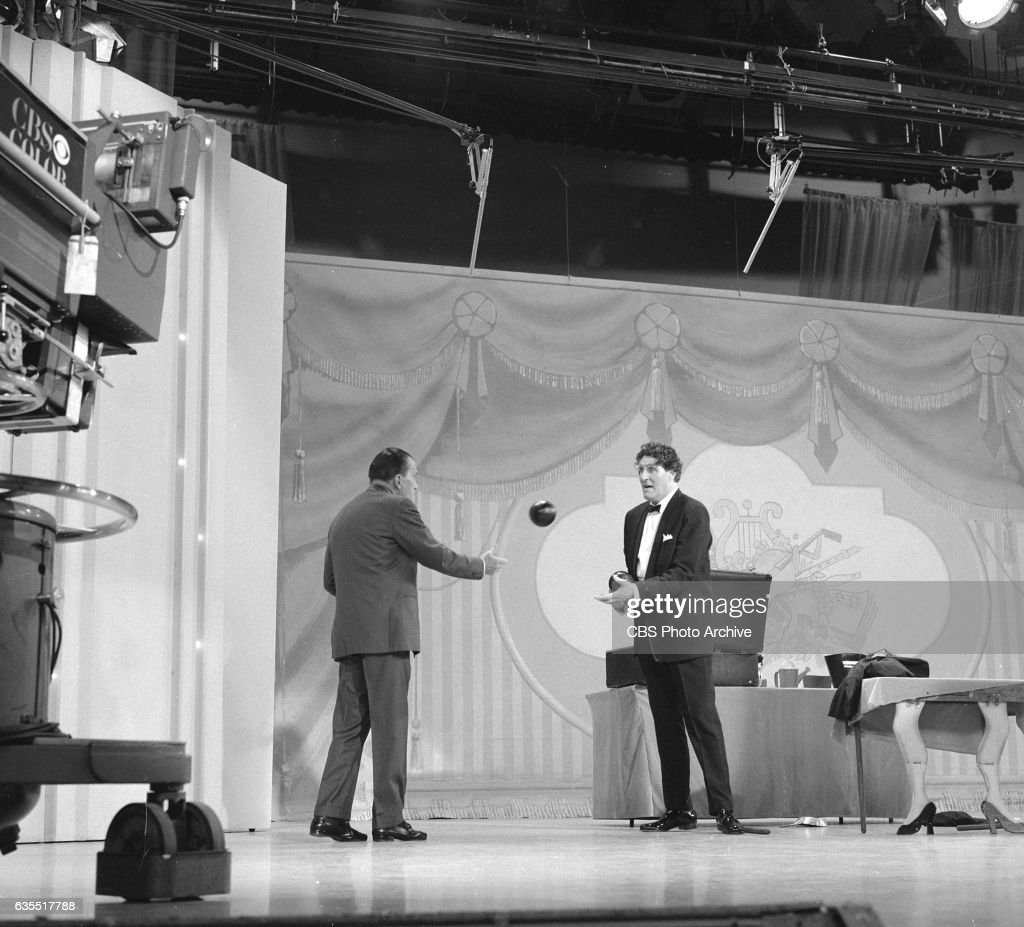
NEW YORK – OCTOBER 15: The Ed Sullivan Show, with host Sullivan (at left) and guest Tommy Cooper, a magician and comic from England. Image dated Sunday, October 15, 1967. (Photo by CBS via Getty Images)
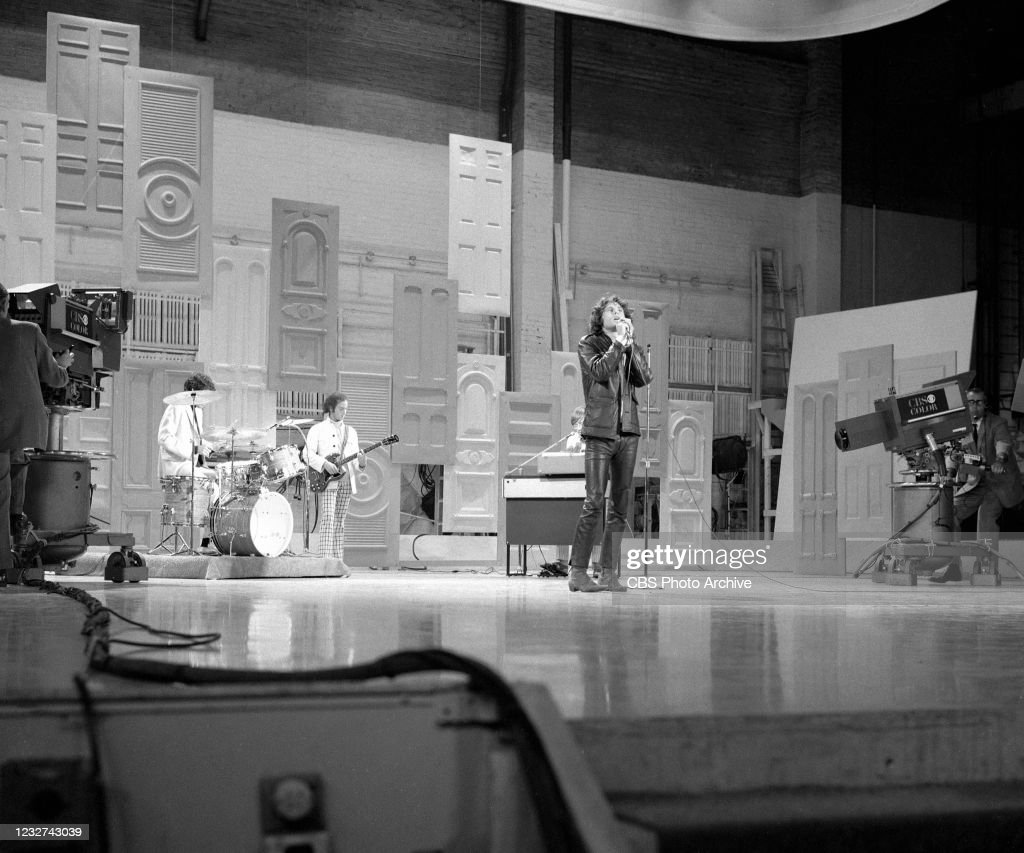
NEW YORK – SEPTEMBER 17: The Doors, featuring Jim Morrison, perform on THE ED SULLIVAN SHOW. September 17, 1967 (Photo by CBS via Getty Images)
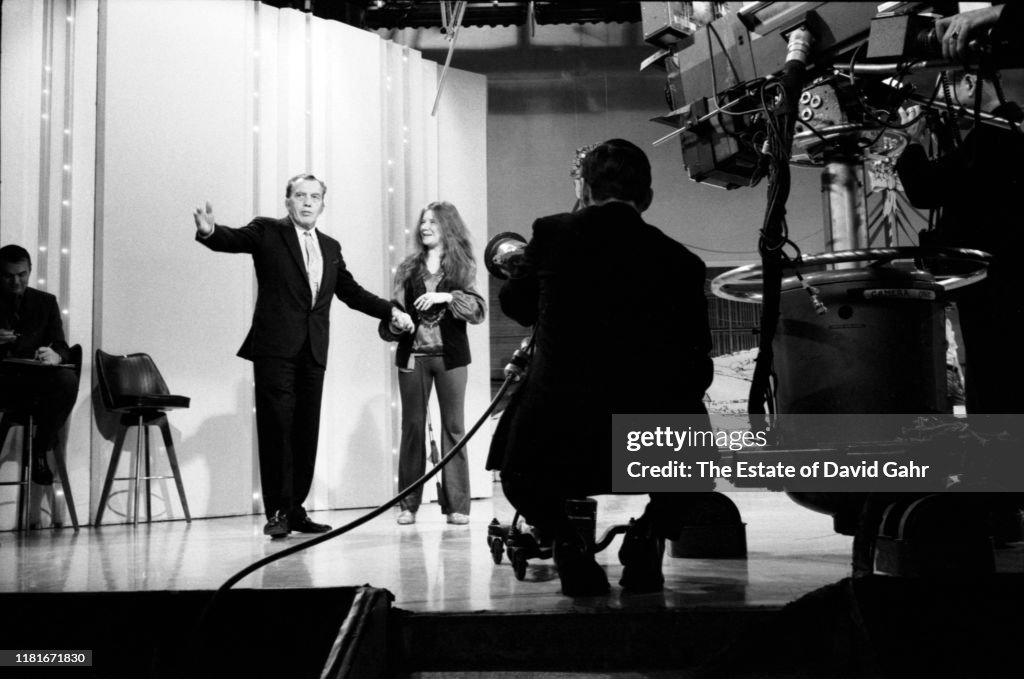
NEW YORK – MARCH 16: Television variety host Ed Sullivan (l) introduces rock and blues singer Janis Joplin (r) and the Kozmic Blues Band before a performance on the Ed Sullivan Show on March 16, 1969 in New York City, New York. (Photo by David Gahr/Getty Images)
Melvin Van Peeples performing at Studio 50 dress rehersal for “Ed Sullivan’s Broadway” special.
SPECIAL COLOR BONUS PAGE: Before October 31, 1965…the day CBS Studio 50 was color capable via their new Norelco PC71 cameras, Sullivan’s show had been broacast in color only a handful of times and all but one of those color shows had originated at CBS Television City in Hollywood.
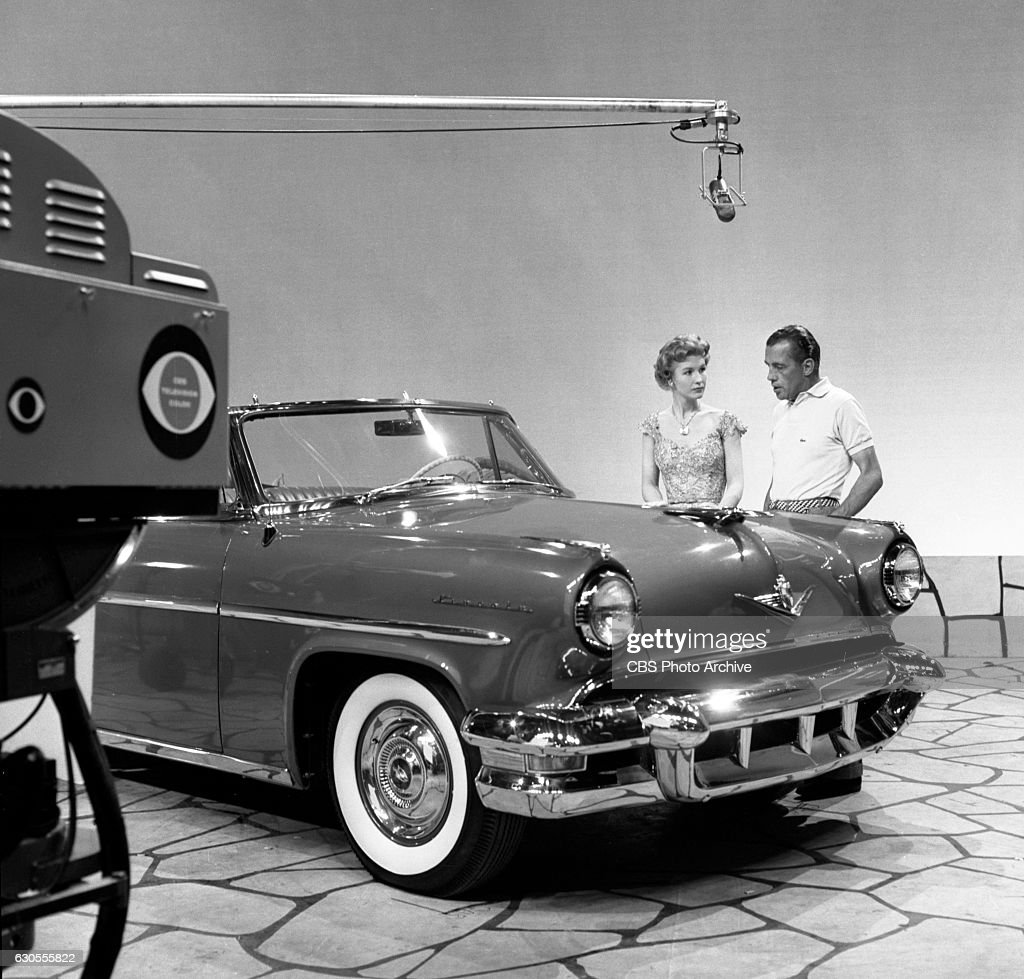
This is the one time that the show was done in color from NYC before October of ’65. It was 1954 and the show was still called TOAST OF THE TOWN when, for a week in the late summer, CBS Color Studio 72 became the stage for that week’s live show. Studio 72 was CBS’s only color studio on the east coast and was equipped with RCA TK41 cameras. Here are some still shots of that weeks rehearsals, BUT ALSO, an amazing 14 minutes of color film that captures the event. Click the special box below to see it.
These historical images are from the CBS Photo Archives available through Getty Images and are presented here to assist researchers and television historians in identifying the television equipment in use over the decades and is offered here in a purely educational/instructional forum.
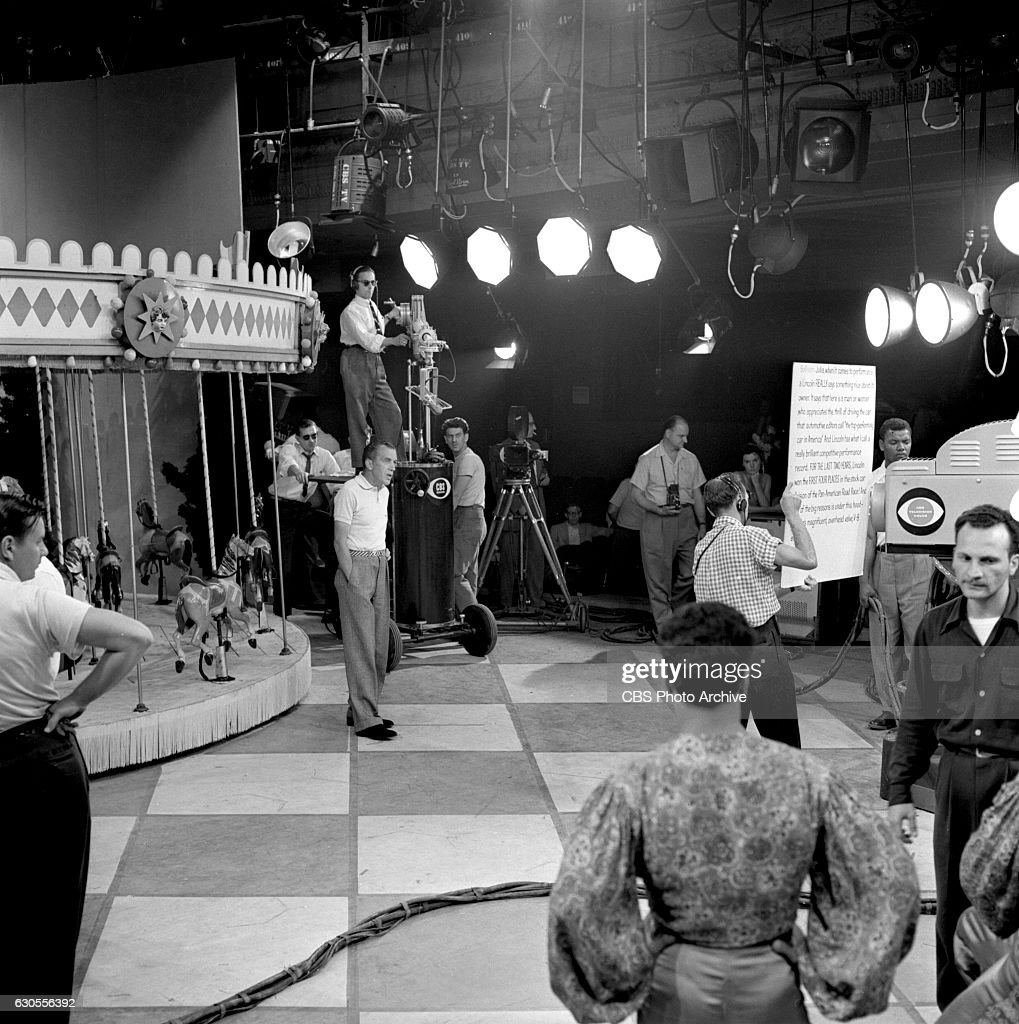
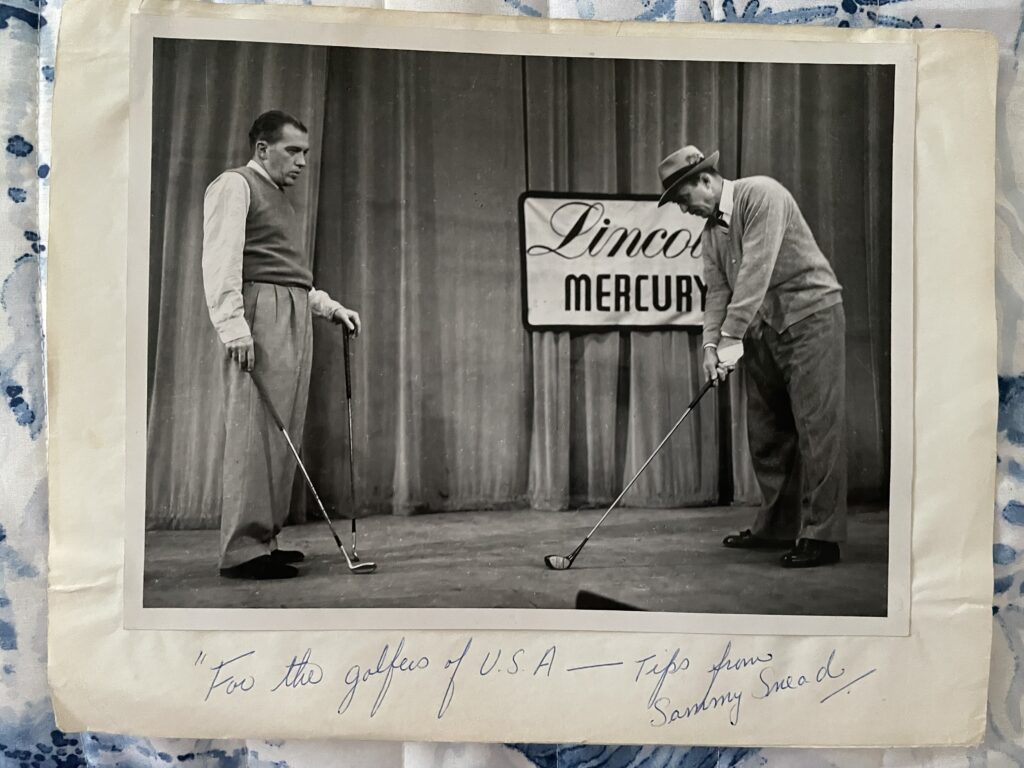
NEW YORK – AUGUST 22: Ed Sullivans Toast of the Town and its debut color television broadcast of the variety show. Pictured is a model and Ed Sullivan with a Lincoln-Mercury automobile, the show’s sponsor. Broadcast from CBS Color Television Studio 72. Broadway at 81st Street, New York, NY. Image dated August 22, 1954. (Photo by CBS via Getty Images)
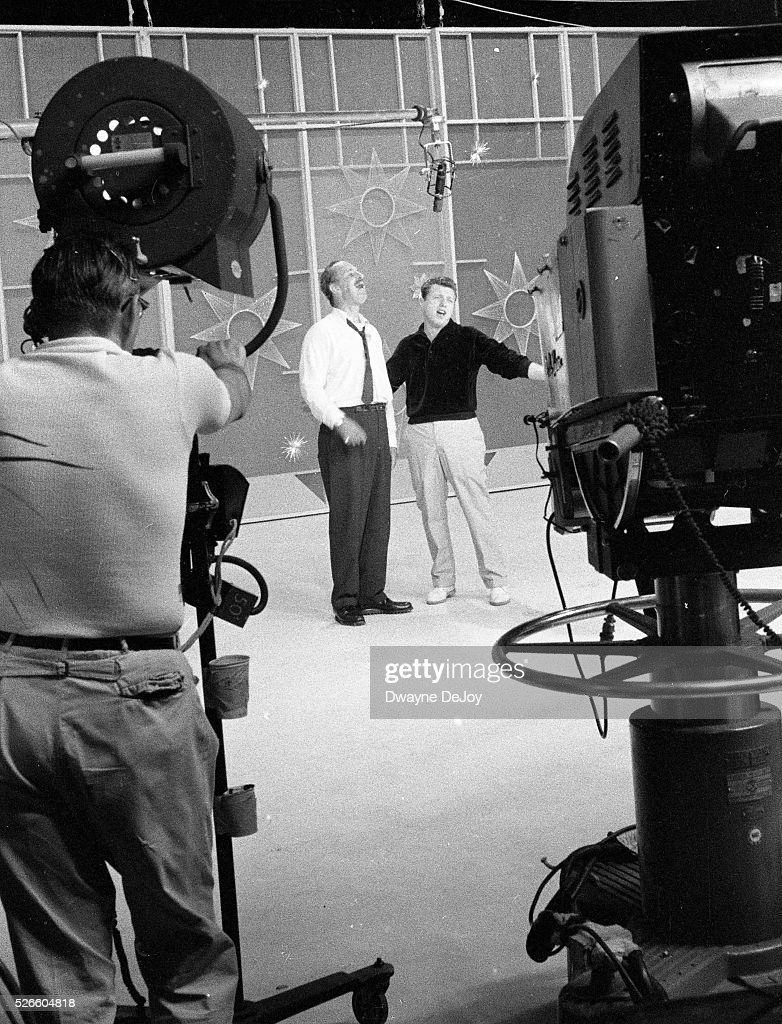
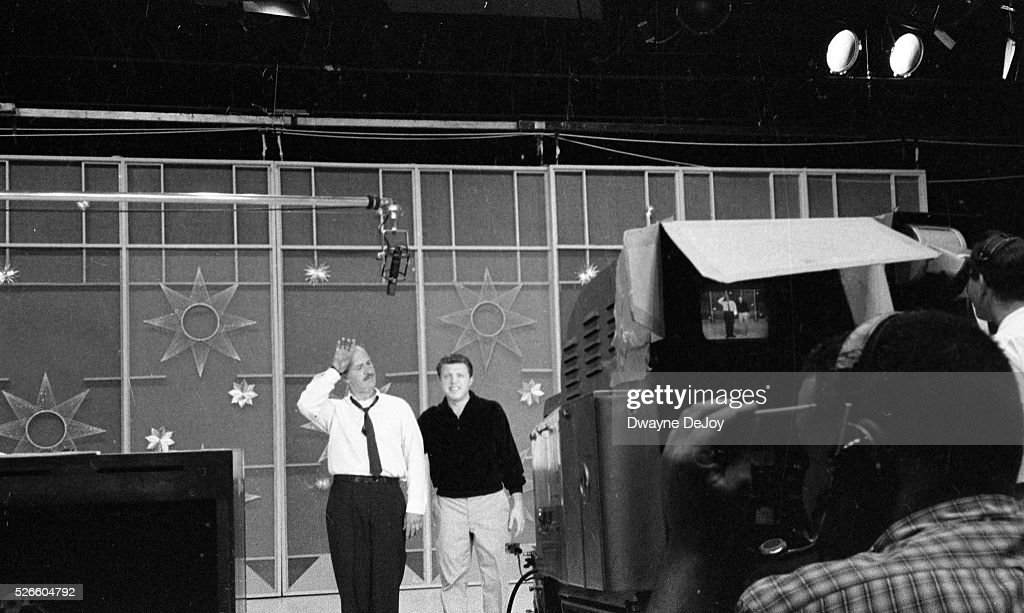
Keenan Wynn and Steve Lawrence on the Ed Sullivan show. (Photo by Dwayne and Gina DeJoy/Corbis via Getty Images)
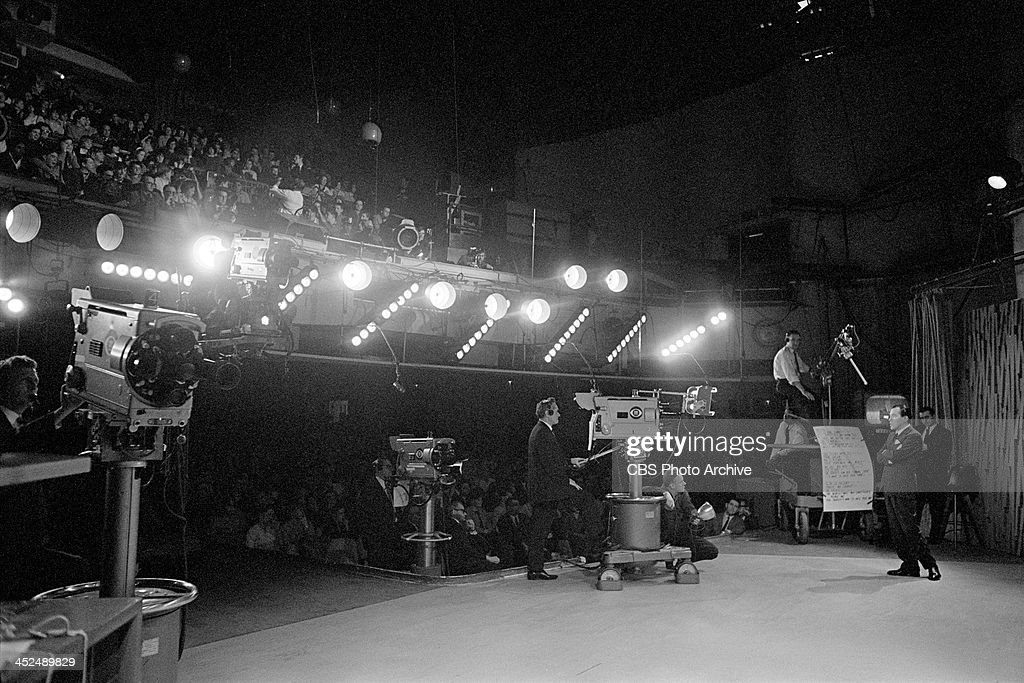
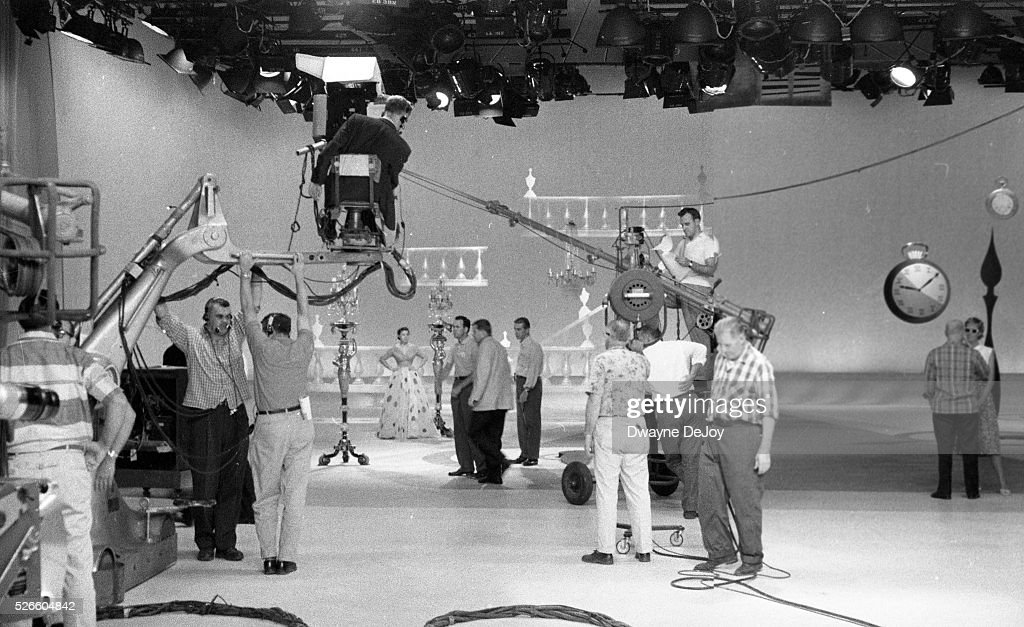
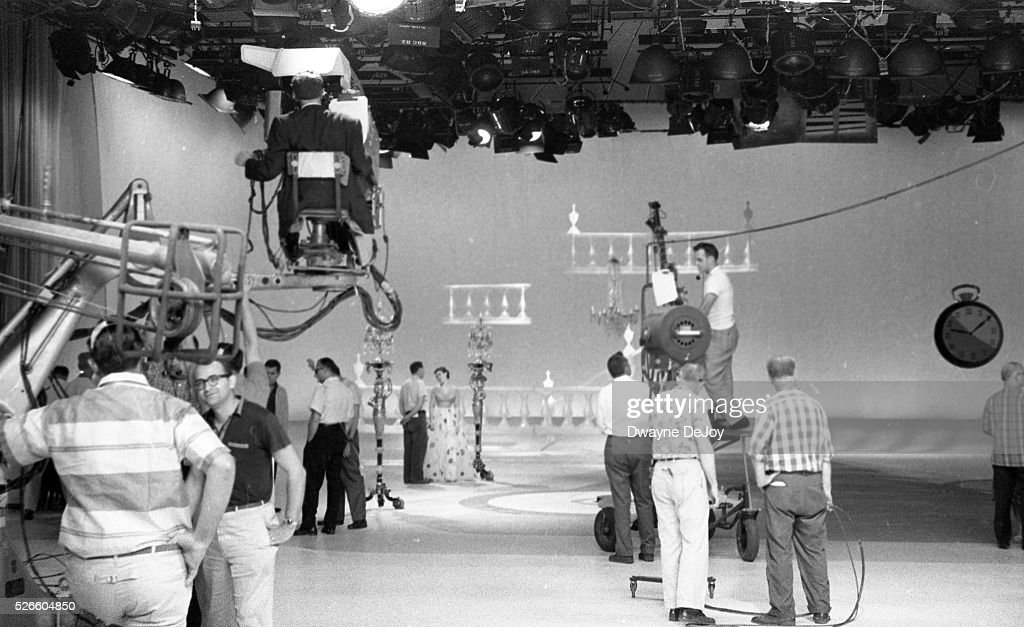
Cameras and full set of Ed Sullivan show on CBS, NYC 1960 (Photo by Dwayne and Gina DeJoy/Corbis via Getty Images)
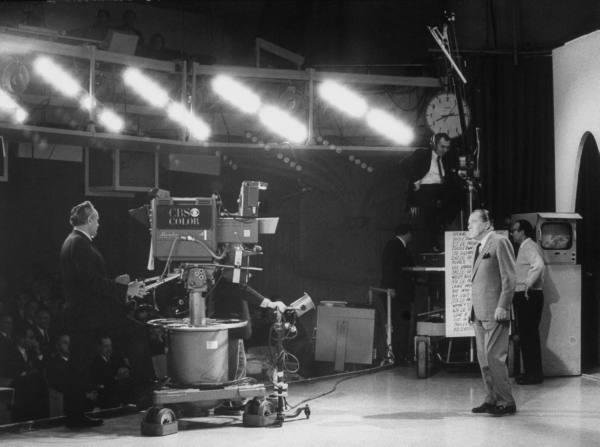
Set and Crew of the Ed Sullivan Show, CBS, NYC, 1960 (Photo by Dwayne and Gina DeJoy/Corbis via Getty Images)
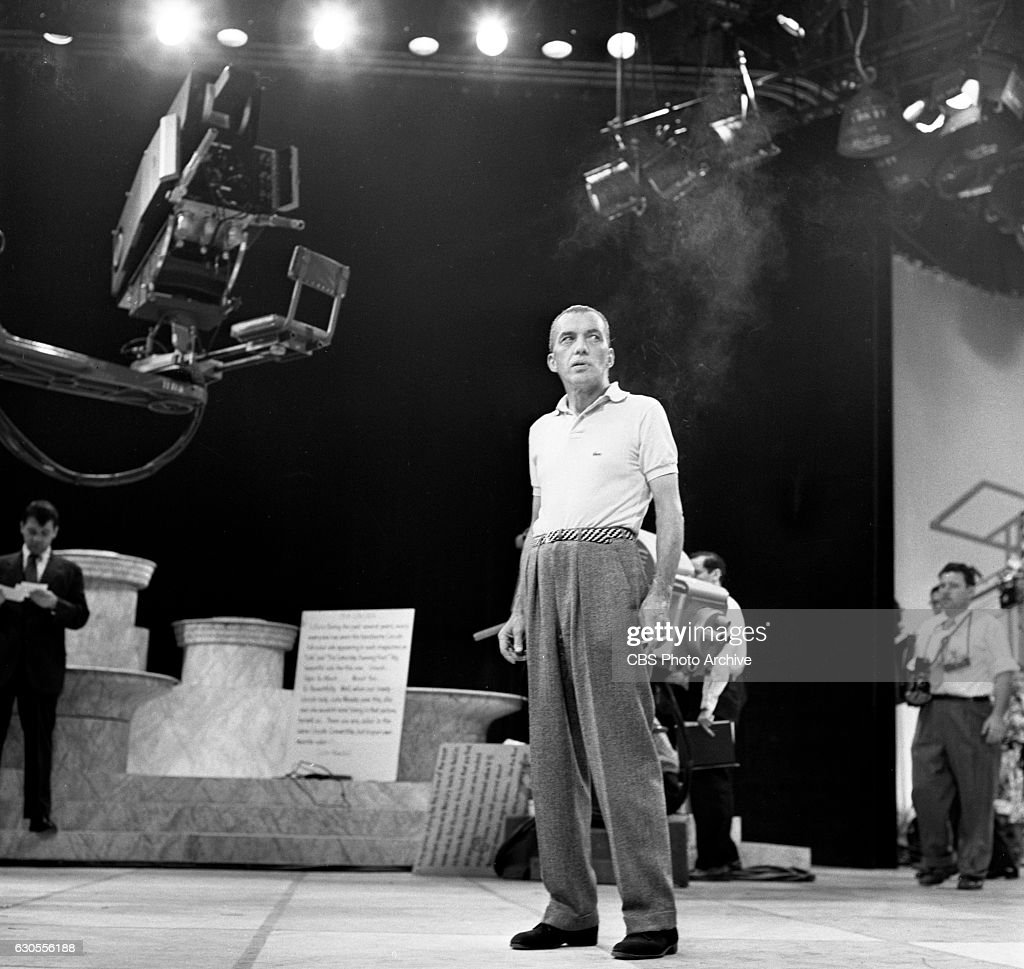
NEW YORK – AUGUST 22: Ed Sullivans Toast of the Town and its debut color television broadcast of the variety show. Pictured is Ed Sullivan. Broadcast from CBS Color Television Studio 72. Broadway at 81st Street, New York, NY. Image dated August 22, 1954. (Photo by CBS via Getty Images)
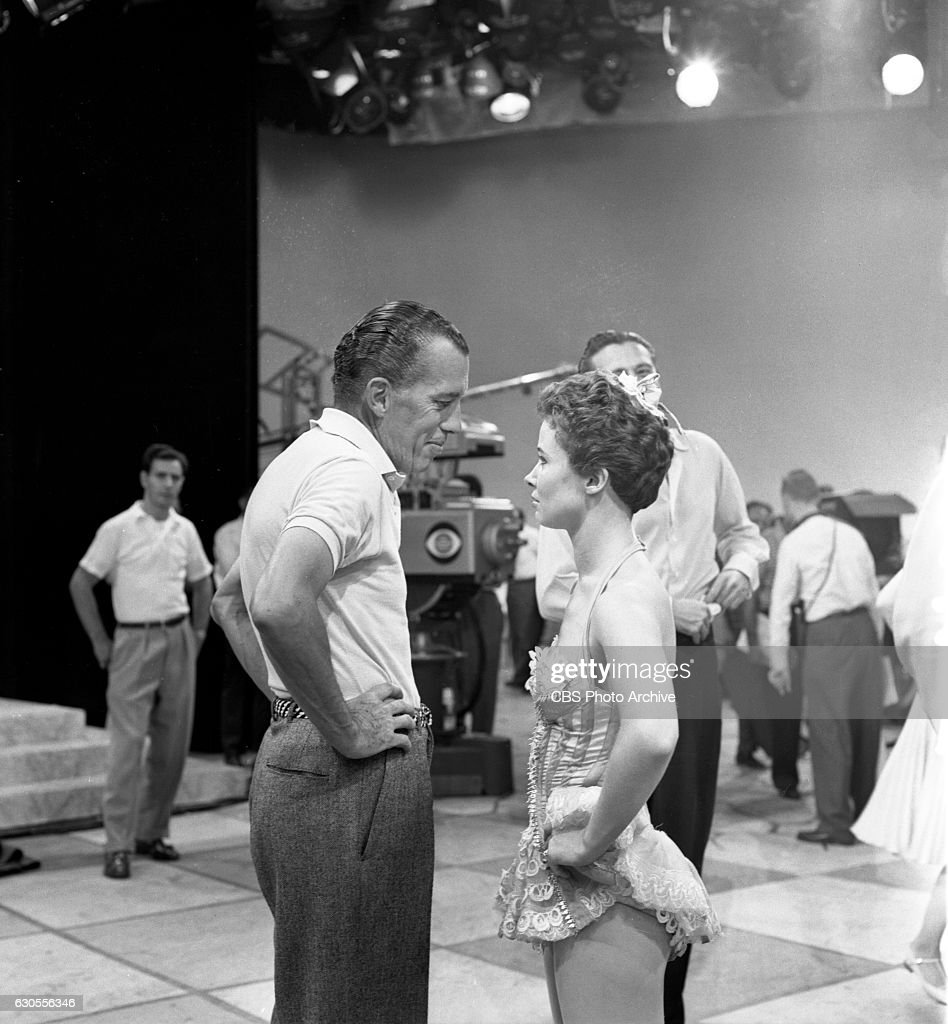
NEW YORK – AUGUST 22: Ed Sullivans Toast of the Town and its debut color television broadcast of the variety show. Pictured is Ed Sullivan talking to a dancer. Broadcast from CBS Color Television Studio 72. Broadway at 81st Street, New York, NY. Image dated August 22, 1954. (Photo by CBS via Getty Images)
NEW YORK – AUGUST 22: Ed Sullivans Toast of the Town and its debut color television broadcast of the variety show. Pictured is Ed Sullivan. Broadcast from CBS Color Television Studio 72. Broadway at 81st Street, New York, NY. Image dated August 22, 1954. (Photo by CBS via Getty Images)
NEW YORK – AUGUST 22: Ed Sullivans Toast of the Town and its debut color television broadcast of the variety show. Pictured is Ed Sullivan, center, looking at cue cards. Broadcast from CBS Color Television Studio 72. Broadway at 81st Street, New York, NY. Image dated August 22, 1954. (Photo by CBS via Getty Images)
Keenan Wynn and Steve Lawrence on the Ed Sullivan show. (Photo by Dwayne and Gina DeJoy/Corbis via Getty Images)
This is an ongoing project, and from time to time, we will add audio interviews to this list, but here are the first of the series with a short, one line bio on each but their full story is in these hour long sessions. Enjoy!
1. George Sunga: Producer of Smothers Brothers, All In The Family, Good Times, The Jeffersons, Three’s Company and the first Production Director at CBS Television City. He handled all the Edward R. Murrow’s Person To Person live interviews from the west coast.
2 .Lou Bazin: His entire carrier as one of RCA’s top broadcast engineers includes development of the TK44-45-46, TK76, TKP 45 and much more
3.. Don Kennedy: As “Officer Don”, he was one of the nation’s top kid show host, as Don Kennedy he was an owner/operator of TV and Radio stations
4. Arch Luther: Chief Engineer of RCA’s Commercial Communications Systems Division and later, Vice President of Engineering for the RCA Broadcast Division
5. Jay Ballard: One of Television’s most respected engineering historians. Veteran NBC and ABC Labs, engineer extraordinaire and former associate of NBC/RCA engineering legend Fred Himelfarb.
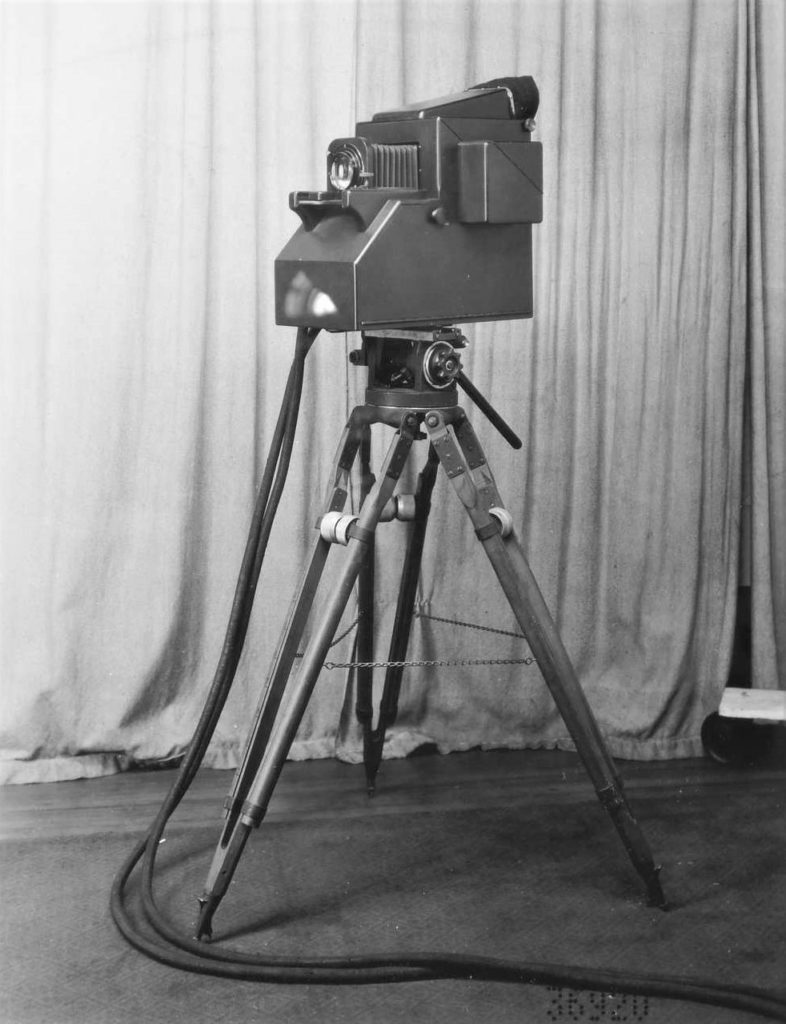
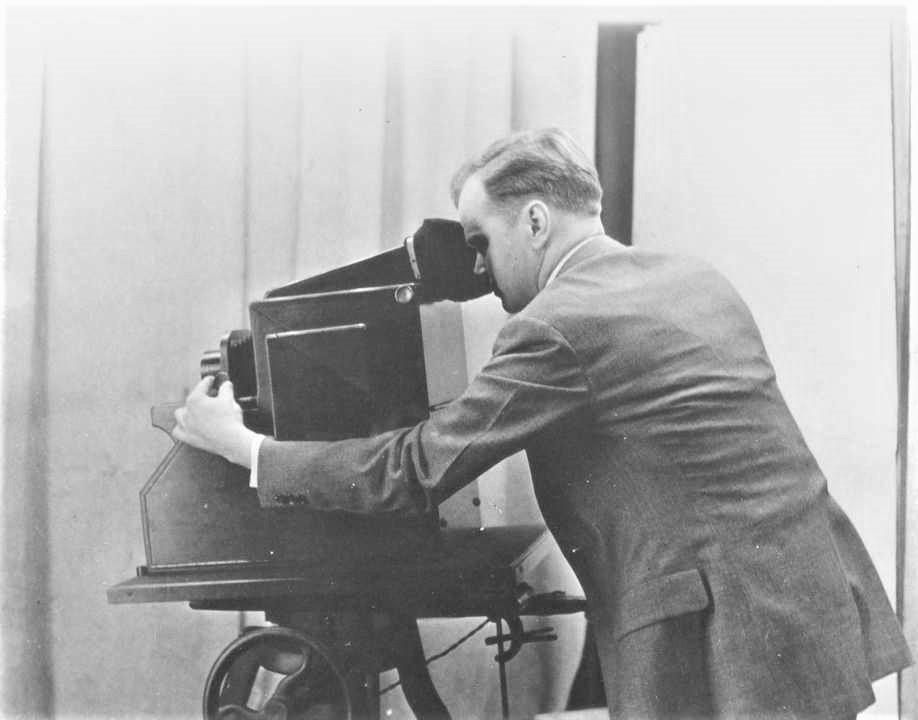
We will see three different Iconoscope cameras here…the first three all electronic cameras made by RCA at their Camden N.J. labs. These images are from the David Sarnoff Library Collection and are quite rare these days.
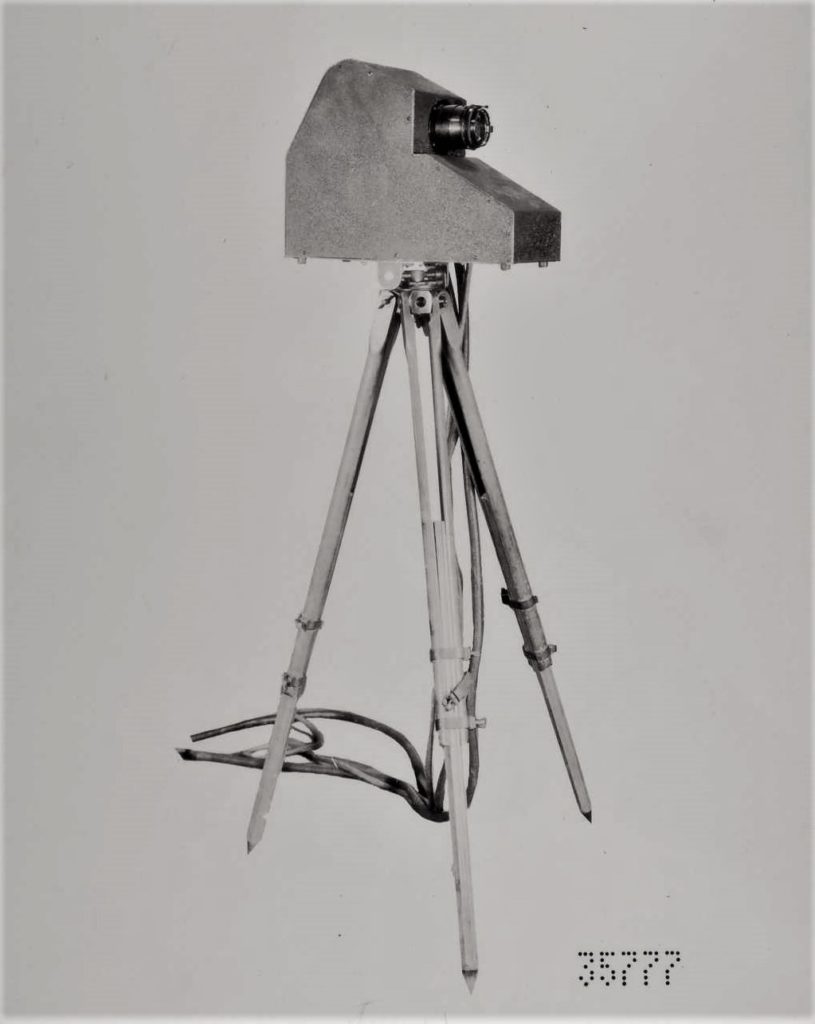
The first we’ll see will be the prototype camera developed by Dr. Zworykin around 1932. The second is a more sophisticated model that RCA introduced in 1934 and the last camera is the “icon” of early cameras, the one some refer to as the A500, which was first used in RCA/NBC experimental Studio 3H at Rockefeller Plaza. I would like to suggest that from here on out, we all refer to those hard-bodied cameras as the Studio 3H Iconoscope cameras.
RCA ICONOSCOPE PROTOTYPE CAMERA
If you look closely at the bottom of the camera, notice the rubber feet…items that suggest this sits on ‘something’ and we’ll see that something a few images down.
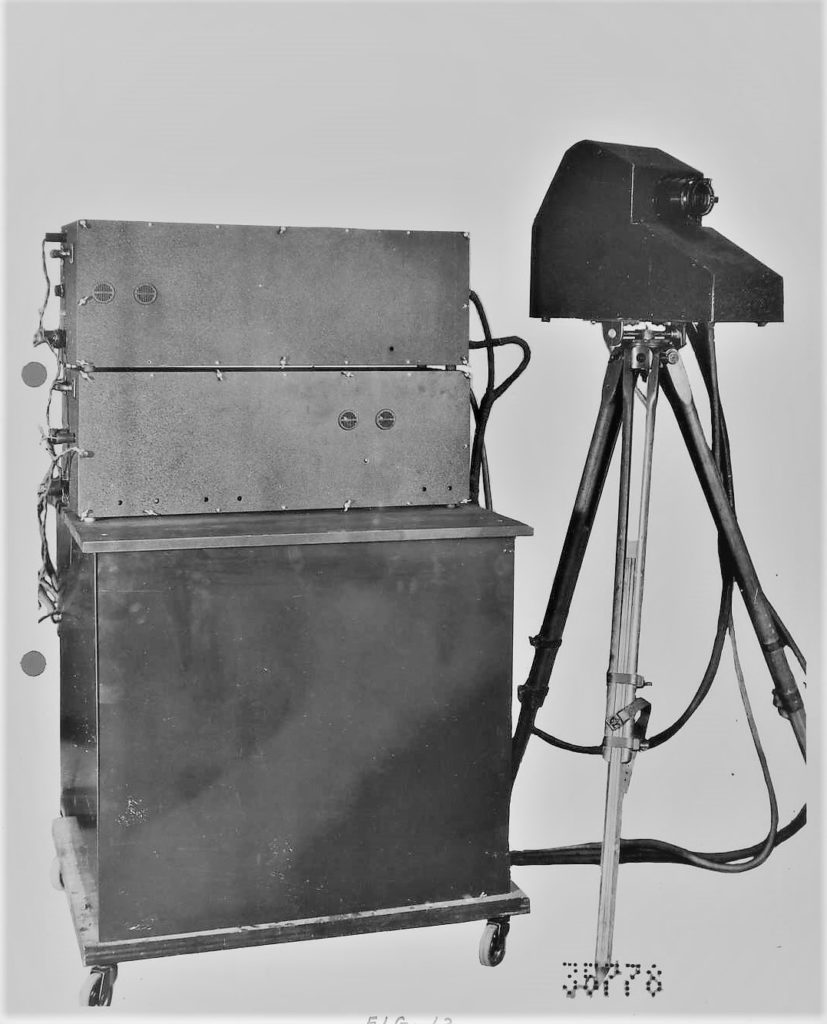
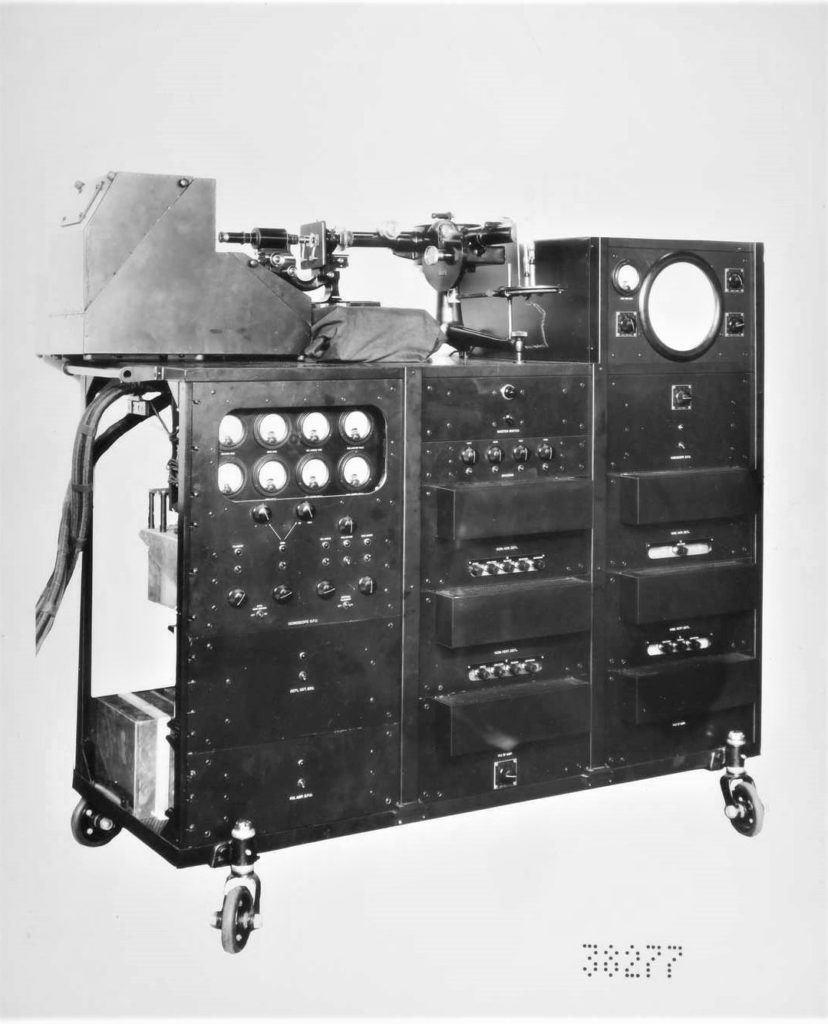
Below is the first ever shot of an electronic RCA TV camera with it’s camera control unit
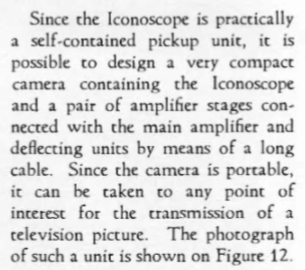
Below is the paragraph from the RCA Broadcast News article (you’ll soon see) which describes the camera and configuration above, which is the original image that was photographed for the magazine article by Dr. Zworykin.
Here is the ‘something’ the camera sits on and the camera we see above is on the left. The unit it is sitting on is basically ‘the control room’ with all the components neatly packed together on this convenient rolling rack, so it is also a ‘remote unit’ of sorts since they can take it from lab to lab to experiment. Up top, in front of the camera there seems to be an experiment in progress as the prototype is shooting into a microscope with a light source shooting from the other side of the microscope’s slide table. It would be interesting to see the result of this experiment, which is possibly being conducted to see if there is a medical use for the new apparatus.
Before we move to the second camera, here is the August 1933 edition of the RCA Broadcast News magazine I mentioned with an 8 page paper on the new Iconoscope Tube by Dr. Vladimir Zworykin. On pages 6 – 14 he describes the technology in detail and the image of the camera above is shown here on page 13 with it’s description on page 12.
THE FIRST RCA ICONOSCOPE CAMERAS
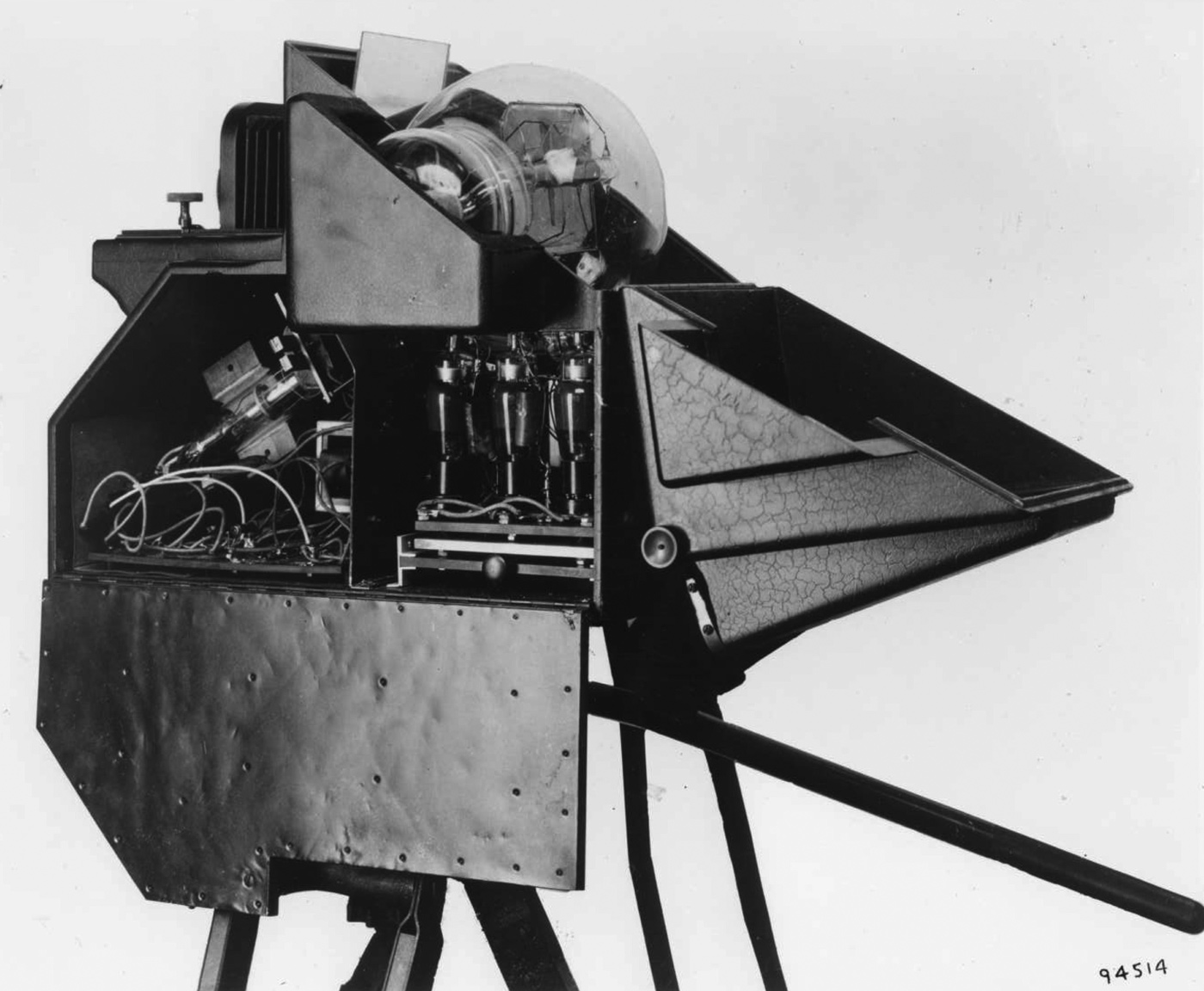
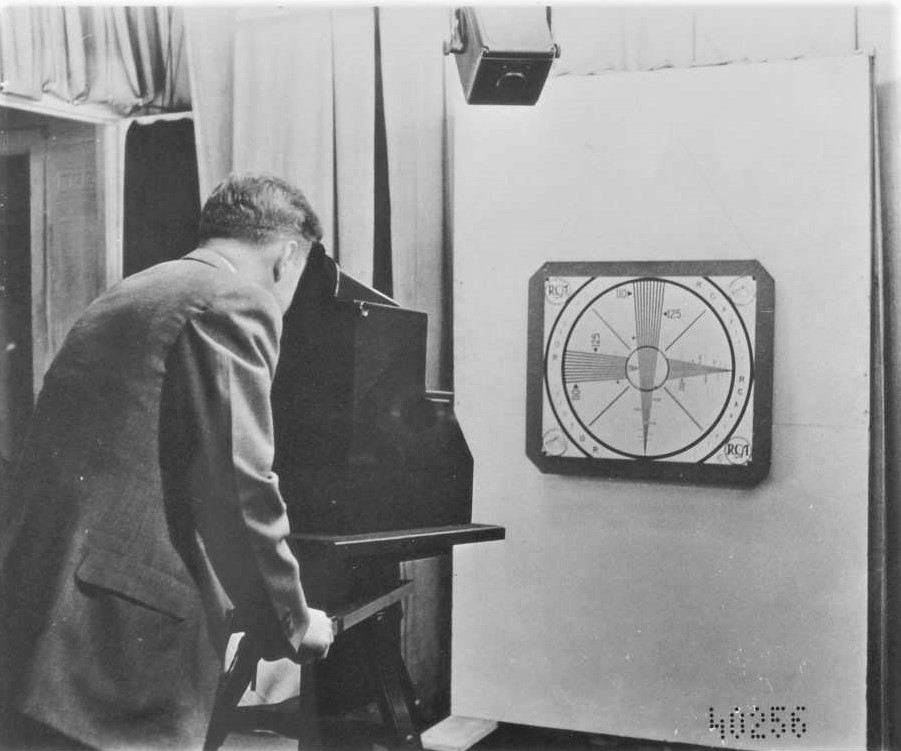
Above are two shots of the camera in testing at RCA’s Camden N.J. labs. Notice there is viewfinder on this model very similar to the kind you find on photographic cameras which is an optical viewfinder made of ground glass which captures the image from the lens.
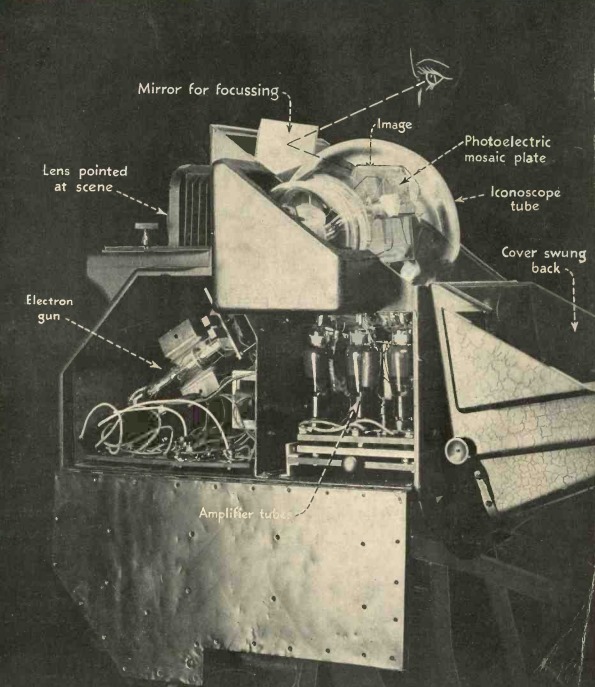
Above left we see the interior in a nice clear shot and on the right a helpful labeling of the parts. We know the date of this camera because of the date on this photo from Dr. Zworykin’s photo albums that he kept at work to record events. This is RCA’s Lesley Florey in early tests to the camera in 1934 at Camden, but we think this was in use in 1933 too. Notice the tube is bubble shaped, but as resolution increased the tube became more drum like.
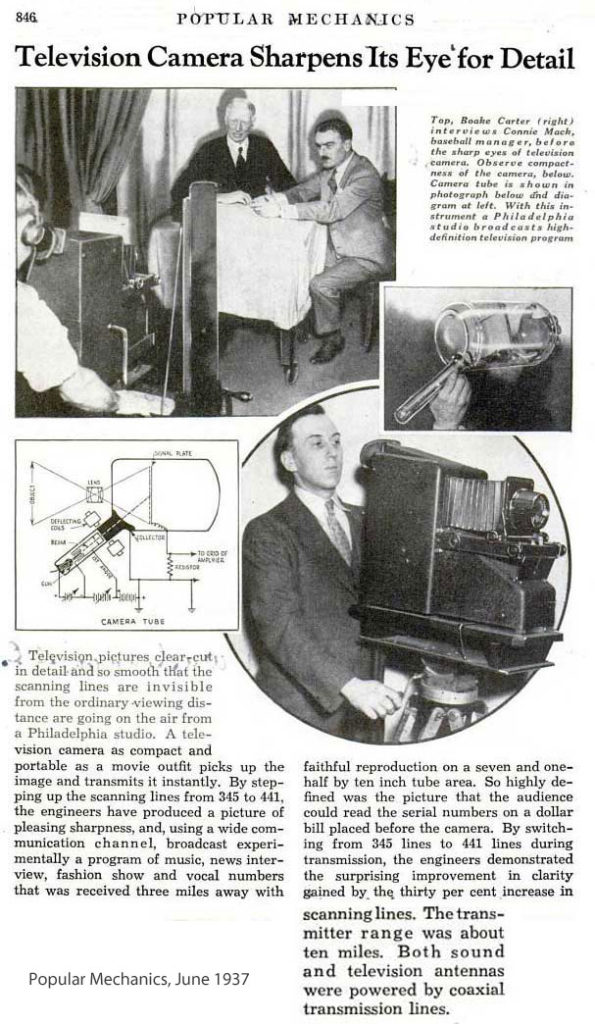
Below is a 1937 article that shows this same camera at Philadelphia experimental station W3XE which was owned by Philco. Philo Farnsworth was there in the mid 1930s, but competition was fierce and trade secrets were held close to the vest. Some former RCA engineers had come to work there in the early 1930s when RCA refused to sell any of their iconoscope tubes, and they began making their own tubes.
When RCA set up their experimental Studio 3H at Radio City in the spring of 1935, they had an all new camera design (which we’ll see next) and once 3H had been in operation for a while, Philco convinced RCA to sell them their bellows lens cameras (of which I believe there were two) to use in their W3XE station. Below is an article from 1937 that shows the RCA camera in use there. I included this image and info to help with any confusion with seeing the same camera at two different places.
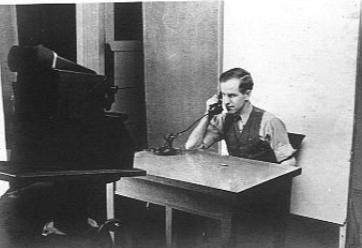
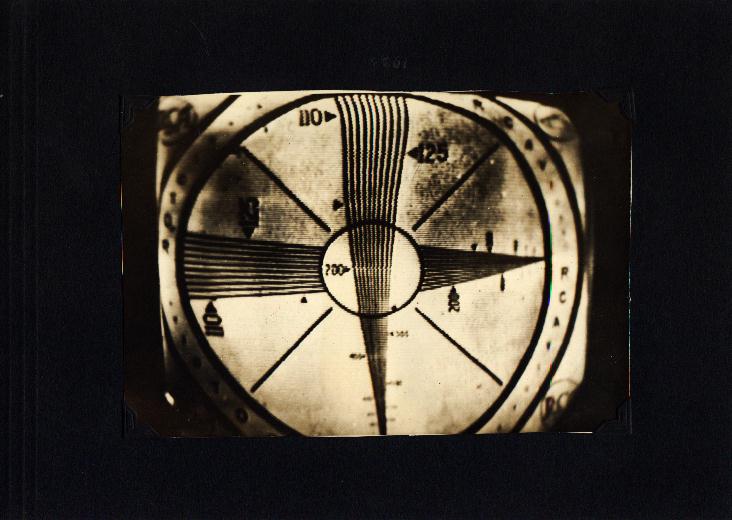
Above we see the camera shooting a test pattern in Camden and below, a transmitted image of this pattern in 1933.
THE 1935 RCA STUDIO 3H ICONOSCOPE CAMERA
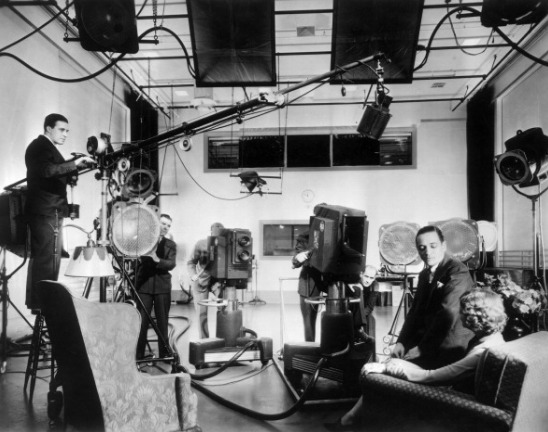
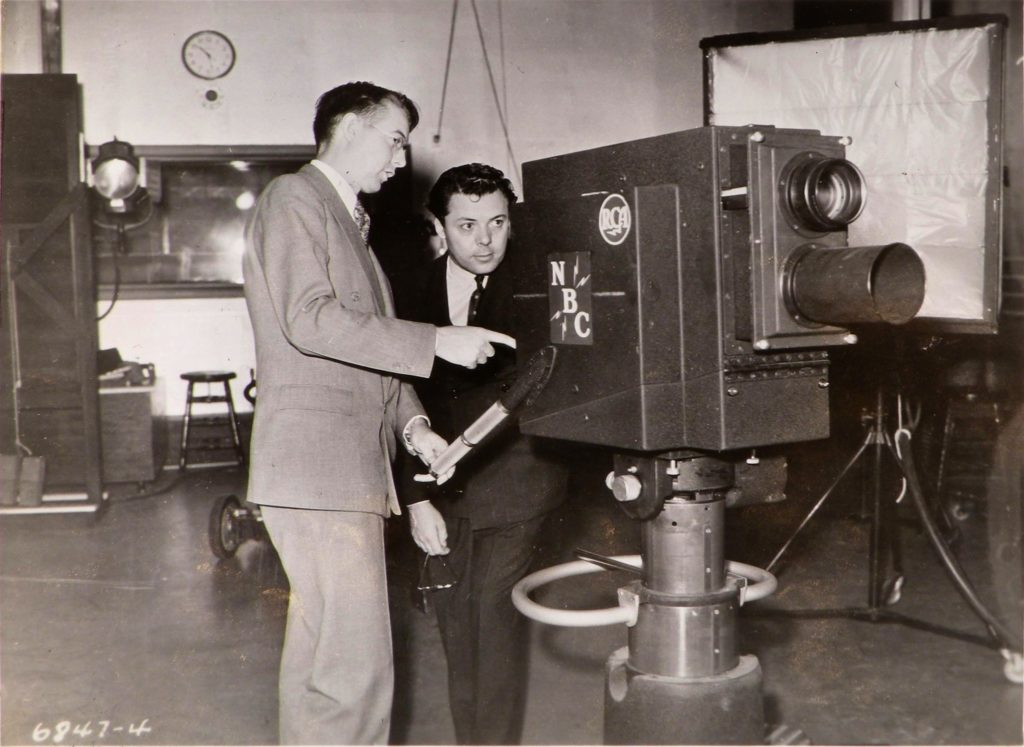
Above, the very first all electronic television studio…RCA Studio 3H at NBC’s 30 Rockefeller Plaza. In 1937, RCA transferred control of the studio to NBC Television, but until the mid 50s, there was usually some kind of testing going on in this space, along with programs originating here like Howdy Doody. As a matter of fact, when Howdy started December 27, 1947 the show was shot with these very cameras. Only after Studio 8G opened in June of ’48 did Studio 3H get three new RCA TK30 Image Orthicon cameras.
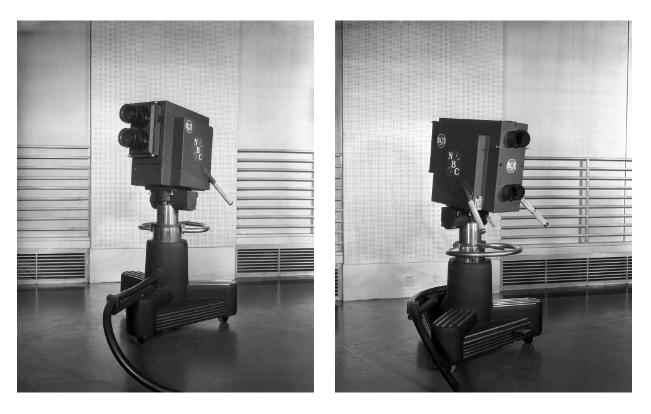
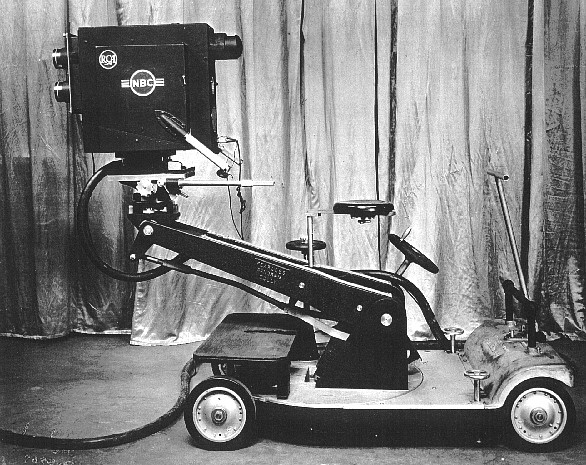
There were three of these hard bodied camera in Studio 3H and most of the time, at least one of the cameras was mounted on a Panoram dolly. In-fact the one shown here in the second image down may be a prototype as it has a nice wooden footrest/step up for the cameraman, the wheel base is longer and the rotating section is more centered in the chassis than the versions we see in the late ’40s and ’50s.
NOTICE AS WE GO! This is a “dating” trick of mine that gives me an idea when photos were taken. NOTICE on the photos above, there is a round RCA decal and below it is a square NBC decal, which are the original markings of these cameras. When you see that you know the photo was from about 1935 till 1937. After ’37, the round NBC decal was there and many times the second (or low viewfinder port) is sealed as in the image below.
Keep in mind, the camera bodies are the same three that were built in 1935…even the silver versions. All that changed was the internal workings and especially the Iconoscope tube’s resolution. These cameras started with 345 lines of resolution with their original dressing, then when they went to 441 lines, the camera art changed to the round NBC logo and the bottom viewfinder port was sealed. The silver on these cameras at NBC (and the ones they sold to CBS) occurred when the 525 line tubes came along on July 1, 1941.
The next image shows you the removeable lens plates that snap on and off for quick changes in the studio when a close up or wide shot is needed.
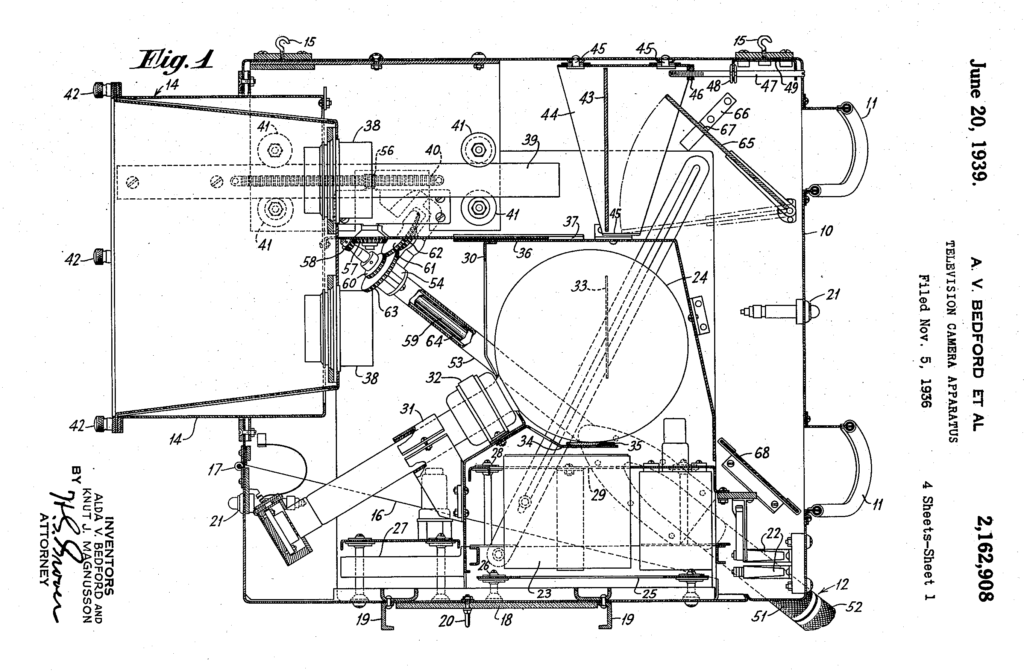
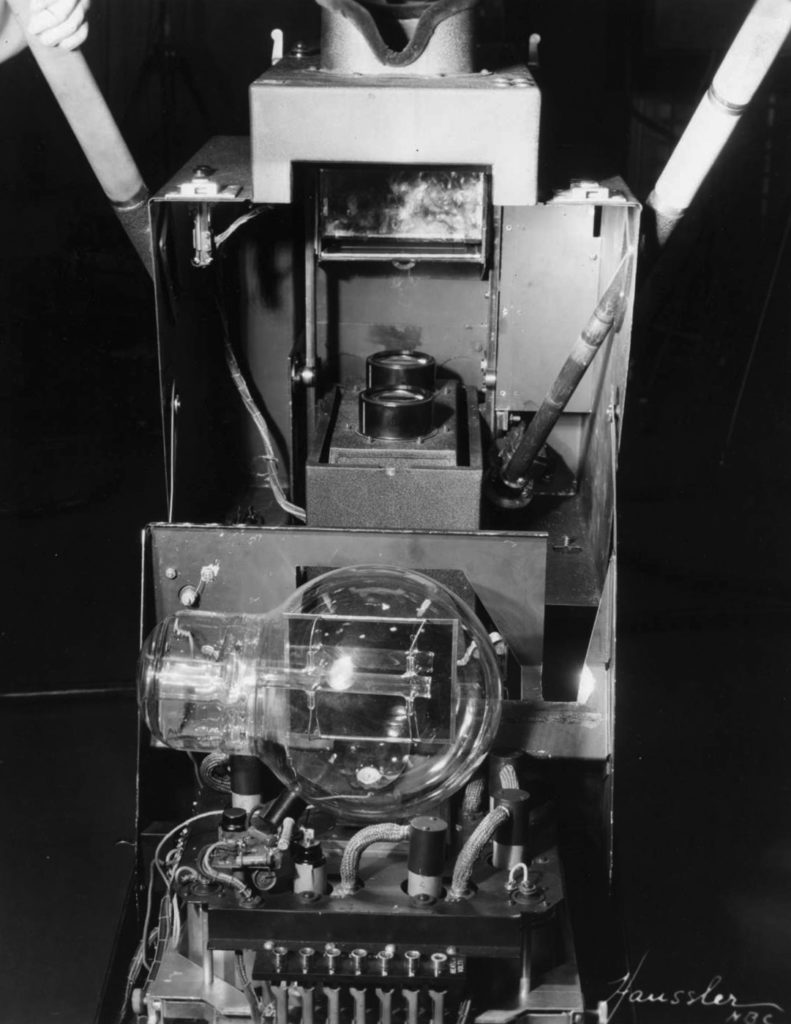
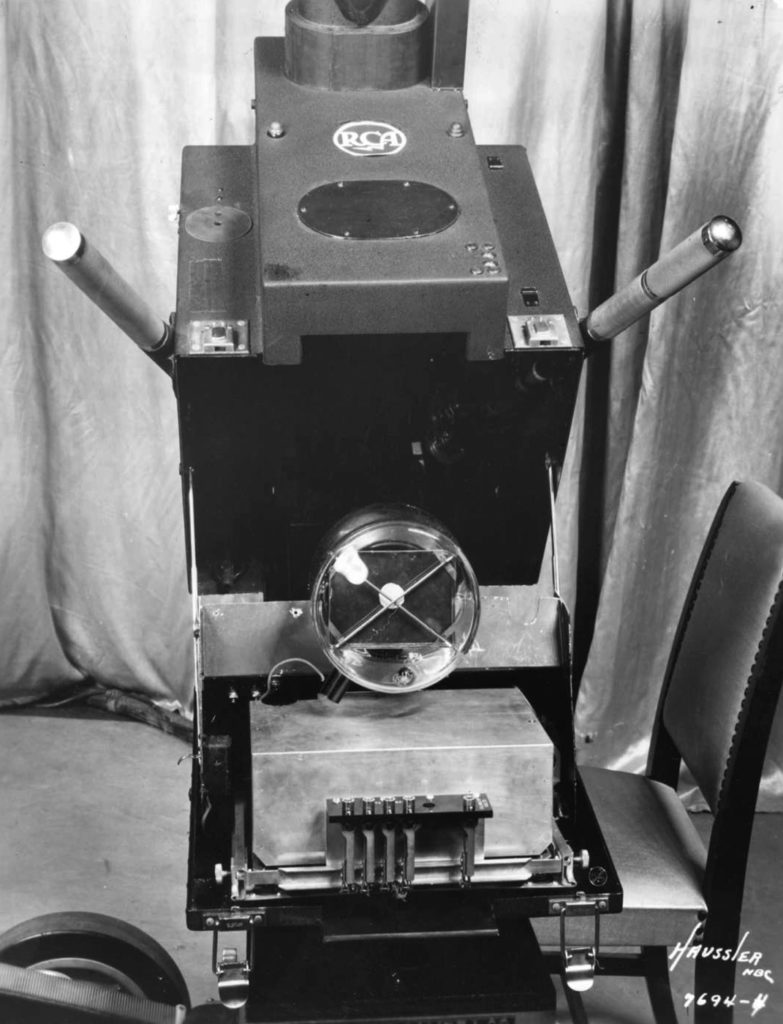
Here is the interior of the camera that shows you just how the optical (ground glass) viewfinder worked and where the tube was.
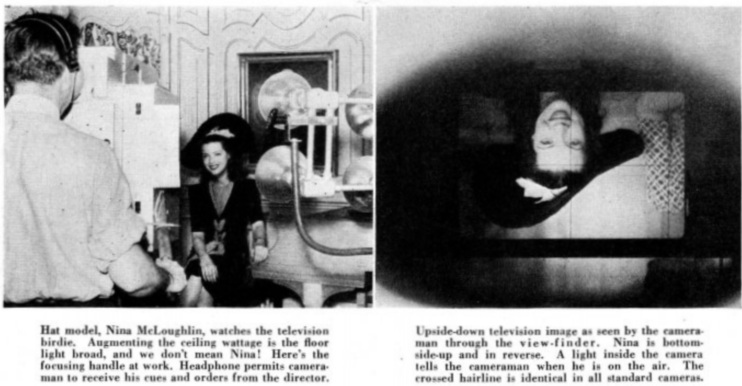
One of the big drawbacks to the optical viewfinder was the impossible upside down and backward image the cameraman had to deal with. To him, the voice command of left, meant right and up meant down!
In this image below, notice the 345 line Iconoscope tube is very bubble like which marks this as the original tube style in these cameras. If you are confused, these opened from the back and tilted up to get to the interior components.
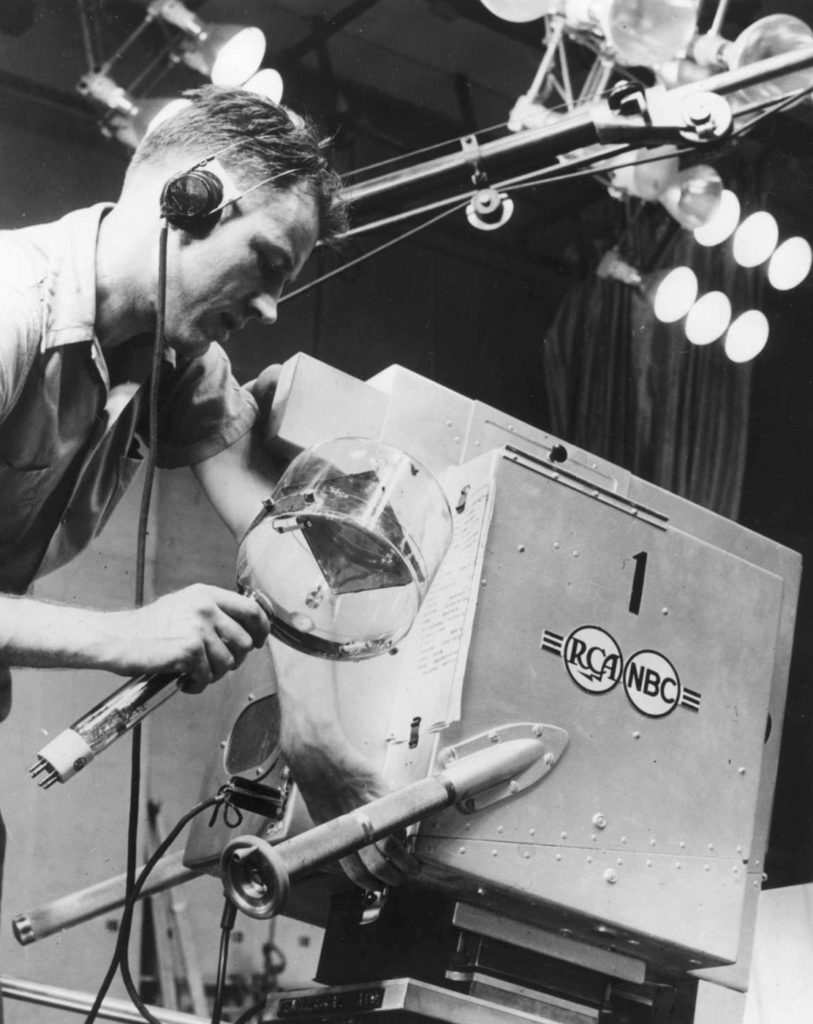
Notice in the image below, the bottom viewfinder port is gone and the Iconoscope tube is now the very familiar drum shaped tube we think of as the “normal” shape for these instruments. This image may be from around 1939 and shows a 441 line resolution setup.
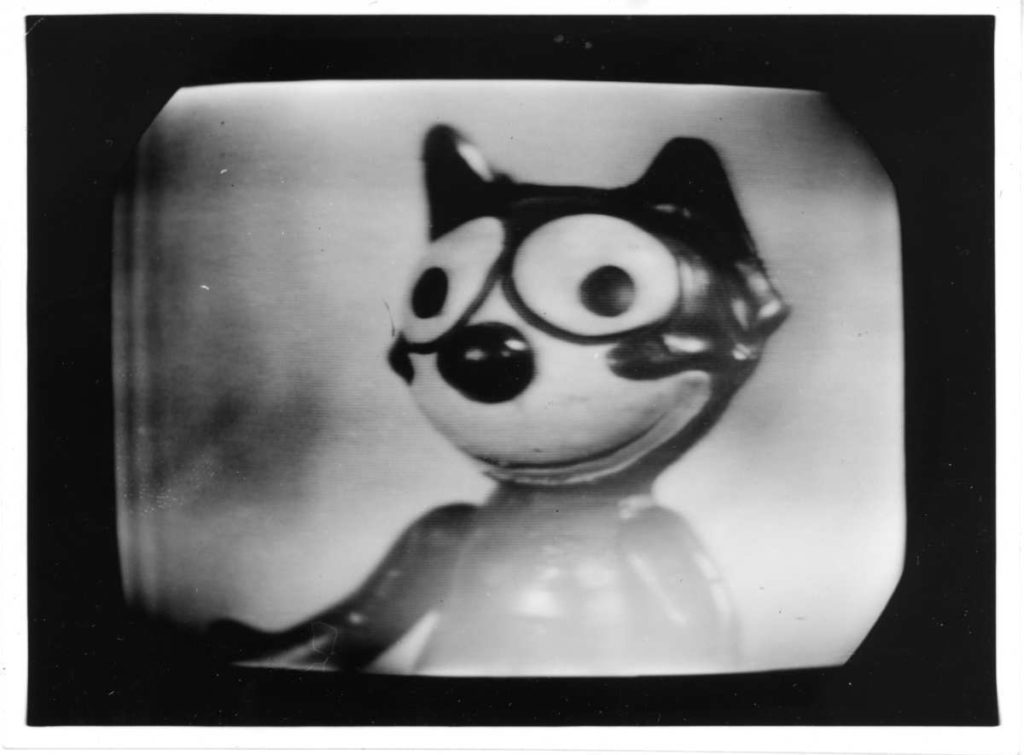
If you thought Felix The Cat camera models went out with mechanical television, think again! Here is a photo shot off the monitor in Studio 3H on February 5, 1937 showing how he looked with the new 441 lines of resolution.
Below, the final step as the camera bodies are painted silver to denote the upgrade in resolution to 525 lines of resolution and this is a good look at the 1850A style six inch iconoscope tube.
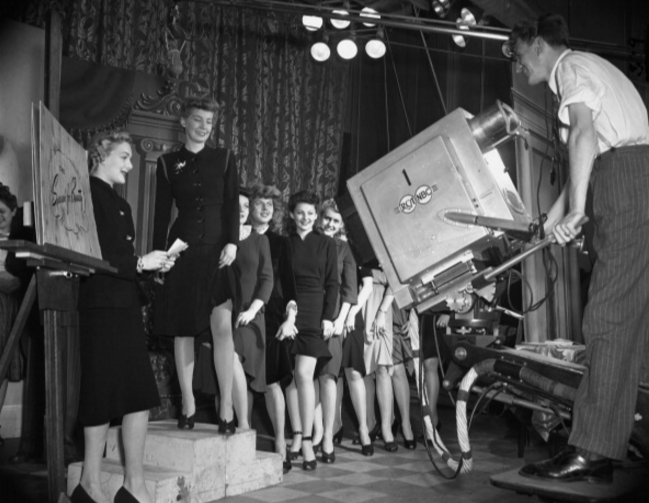
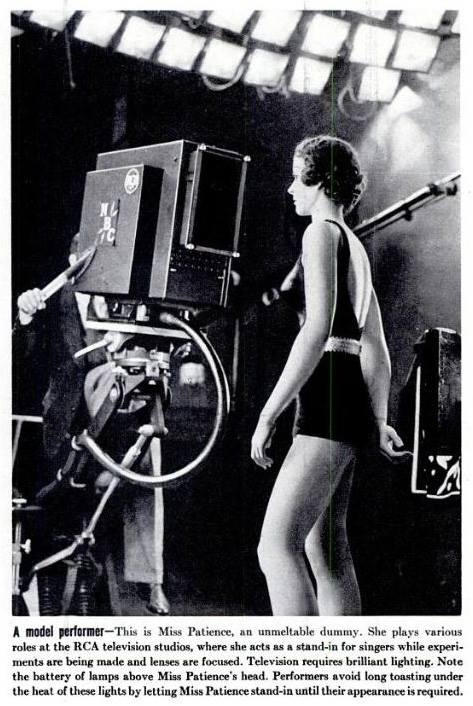
Here are our last images which show up top, a 1941 “Miss Legs” contest and below, an early necessity in Studio 3H…Miss Patience, a mannequin that acts as a stand in under the blistering light needed for the iconoscope.
Below this 1953 SMPTE article written by Karl Freund is a copy of his biography by IMBD writer John Hopwood. In the article Freund tells how he shot I Love Lucy and describes how he overcame unique new problems.
Karl Freund was born in Germany in 1890; by age 15 was working as a projectionist and by age 17, he had become a newsreel photographer. By 1926, he had earned a reputation for his skills in cinematography and his work on the classic Metropolis was his last job there before leaving for America.
Now possessing an international reputation, Freund emigrated to the U.S. in 1929, where he was employed by the Technicolor Co. to help perfect its color process. Subsequently, he was hired as a cinematographer and director by Universal Studios, where he cut his teeth, uncredited, as a cinematographer on the great anti-war classic All Quiet on the Western Front (1930), Universal’s first Oscar winner as Best Picture.
Universal’s bread and butter in the early 1930s were its horror films, and Freund was involved in the production of several classics. Among his Universal assignments, Freund shot Dracula (1931) and Murders in the Rue Morgue (1932), and directed The Mummy (1932). The Mummy (1932) was Freund’s first directorial effort, and co-star Zita Johann, who disliked Freund, claimed he was incompetent, which is unfair, seeing as how the film is now considered a classic of its genre. The film uses the undead sorcerer Imhotep’s pool with which he can impose his will over the living by spreading some tana leaves on the water, as a visual metaphor for the subconscious. The film is arresting visually due to Freund’s cinematic eye that created a sense of “otherness.” The film is infused with a dream-like state that seems rooted in the subconscious mind. Freund’s other directorial efforts at Universal proved less satisfying.
MGM wanted Freund for his genius at camera work. He shot the rooftop numbers for The Great Ziegfeld (1936), another Best Picture Oscar winner, and worked with William H. Daniels, Garbo’s favorite cameraman, on “Camille” (1936). He shot Greta Garbo’s Conquest (1937) solo, though he never worked with Garbo again. That same year, he was the director of photography on The Good Earth (1937), for which he won an Academy Award for Best Cinematography.
Other major MGM pictures he shot were Pride and Prejudice (1940), for which he received an Academy Award nomination, Tortilla Flat (1942), and A Guy Named Joe (1943). He also worked for other studios, shooting Golden Boy (1939) for Columbia. In 1942, he pulled off a rare double: he was nominated for Best Cinematography in both the black and white and color categories, for The Chocolate Soldier (1941) and Blossoms in the Dust (1941), respectively.
One of the last films he shot for MGM was Two Smart People (1946), starring Lucille Ball. In 1947, he moved on to Warner Bros, where he shot the classic Key Largo (1948) for John Huston. His last film as a director of photography was Michael Curtiz’ Montana (1950), which starred Gary Cooper.
Always the technical innovator, Freund founded the Photo Research Corp. in 1944, a laboratory for the development of new cinematographic techniques and equipment. His technical work culminated in his receipt of a Class II Technical Award in 1955 from the Motion Pictures Arts & Sciences for the design of a direct-reading light meter which is seen in the PDF article on this page. That same year, he had the honor of representing his adopted country at the International Conference on Illumination in Zurich, Switzerland.
It was perhaps inevitable that the technical and innovation-minded Freund would get to work for a brand new visual medium, television. Lucille Ball, whom he had photographed when she was a contract player at MGM, became his boss when he was hired as the director of photography at Desilu Productions, owned by Ball and her husband, Desi Arnaz. Desilu hired the great Freund as its owners were determined to shoot the show I Love Lucy (1951) on film rather than produce the show live, as was standard in the early 1950s. Most shows were shot live, while a film of the program was simultaneously shot from a monitor, a process that created a “kinescope.” The kinescope would be shown in other time zones on the network’s affiliates. Desilu’s owners disliked the quality of kinescopes, and needed Freund to come up with a solution to their problem of how to maintain the intimacy of a live show on film.
Freund agreed that the show should be shot on film rather than live, as film enabled thorough planning and allowed for cutting, which was impossible with live TV. Freud knew that film would allow Desilu to eliminate the fluffs which were a staple of early television, and would allow the producers to re-shoot scenes to improve the show, if needed.
I Love Lucy had to be filmed before an audience to retain the immediacy of a live TV show, which meant that the traditional, time-consuming methods of studio production with one camera would not work. Freund decided to shoot I Love Lucy with three 35mm Mitchell BNC cameras, one of each to simultaneously shoot long shots, medium shots and close-ups. Thus, the editor would have adequate coverage to create the 22 minutes of footage needed for a half-hour commercial network show.
The then-innovative, now-standard technique of simultaneously shooting a situation comedy with three 35mm cameras cut the production time needed to produce a 22-minute program to one-hour. The cameras were mounted on dollies, with the center camera outfitted with a 40mm wide-angle lens, and the side cameras outfitted with 3- and 4-inch lenses. The resulting shots were edited on a Movieola. A script girl in a booth overlooking the stage cued the camera operators. Due to extensive rehearsal time before the show was shot live, the camera operators had floor marks to guide them, but Freund’s system was enabled by the script girl overseeing their actions via a 2-way intercom. The system made the shooting, breaking-down, and setting-up process for the next scenes on the three sets of the I Love Lucy (1951) stage very economical in terms of time, averaging one and one-half minutes between shots.
Freund worked out the lighting during the rehearsal period. Almost all of the lighting was overhead, except for portable fill lights mounted above the matte box on each camera. In Freund’s system, there were no lighting changes during shooting, other than the use of a dimming board. Since the lighting was mounted overhead on catwalks, power cables were kept off the floor, which facilitated the dollying that was essential for making the system work fluidly.
Freund’s solution to the problem of shooting a show on film economically was to make lighting as uniform as possible, taking advantage of adding highlights whenever possible, since a comedy show required high-key illumination. Due to the high contrast of the tubes in the image pickup systems at the television stations, contrast was a potential problem, as any contrast in the film would be exaggerated upon transmission of the film. To keep the film contrast to what Freund called a “fine medium,” the sets were painted in various shades of gray. Props and costumes also were gray to promote a uniformity of color and tone that would not defeat Freund’s carefully devised illumination scheme.
In a typical workweek, the I Love Lucy (1951) company engaged in pre-production planning and rehearsals on Monday through Thursday. I Love Lucy (1951) was filmed before a live audience at 8:00 o’clock PM on Friday evenings, and Freund’s camera crew worked only on that Friday and the preceding Thursday. Freund, however, attended the Wednesday afternoon rehearsal of the cast to study the movements of the players around the sets, noting the blocking and their entrances and exits, in order to plan his lighting and camera work. Thursday morning at 8:00 o’clock AM, Freund and the gaffers would begin lighting the sets, which typically would be done by noon, the time the camera crew was required to report on set to be briefed on camera movements. Then, Freund would rehearse the camera action in order to make necessary changes in the lighting and the dollying of the cameras.
It was during the Thursday full-crew rehearsal that the cues for the dimmer operator were set, and the floor was marked to indicate the cameras’ positions for various shots. For each shot, the focus was pre-measured and noted for each camera position with chalk marks on the stage floor. Another rehearsal was held at 4:30 PM with the full production crew. Though a full-dress rehearsal was held at 7:30 PM, with the attendance of the full crew, the cameras were not brought onto the set. The director would take the opportunity to discuss the plan of the show and solicit input from the cast and crew on how to tighten the show and improve its pacing.
The next call for the entire company was at 1:00 PM on Friday to discuss any major changes that were discussed the previous night. After this meeting, the cameras would be brought out onto the stage, and at 4:30 PM, there would be a final dress rehearsal during which Freund would check his lighting and make any required changes.
After a dinner break, the cast and production crew would hold a “talk through” of the show to solicit further suggestions and solve any remaining problems. At 8:00 PM, the cast and production crew were ready to start filming the show before a live audience. Before shooting, one of the cast or a member of the company had briefed the audience on the filming procedure, emphasizing the need for the audience’s reactions to be spontaneous and natural.
Shooting was over in about an hour due to the rapid set-ups and break-downs of the crew, which shot the show in chronological order. Due to the thorough planning and rehearsals, retakes were seldom necessary. Camera operators in Freund’s system had to make each take the right way the first time, every time, to keep the system working smoothly, and they did. An average of 7,500 feet of film was shot for each show at a cost that was significantly less than a comparable major studio production.
Freund also served as the cinematographer on the TV series Our Miss Brooks (1952), which was shot at Desilu Studios, and Desilu’s own December Bride (1954). It was no accident that Desilu productions turned to Karl Freund to realize their dream of creating a high-quality show on film. Freund had the broadest experience of any cameraman of his stature, starting in silent pictures, and then excelling in both B&W and color in the sound era. With his penchant for technical innovation, he was the ideal man to develop solutions for filming a television show. Freund met the challenge of creating high quality filmed images in a young medium still handicapped by its primitive technology.
Freund became the dean of cinematographers in a new medium, with Desilu’s I Love Lucy and its other shows recognized as the gold standard for TV production. His work ensured the fortunes of Desilu Productions, and the personal fortunes of Desilu owners Desi Arnaz and Lucille Ball, as he provided them with quality films of each show that could be easily syndicated into perpetuity, whereas the live shows filmed secondarily off of flickering TV monitors as kinescopes could not.
After retiring as a cinematographer, Freund continued his research at the Photo Research Corp. He died on May 3, 1969.
A trip down memory lane when 4 heads were better than one, and quad editing was just getting started. Here is the 83 page catalog with prices on the last few pages.
Going back to 1931, the names Farnsworth and Zworykin ring out as the editors of BROADCASTING MAGAZINE present a special 320 page, 1981 edition that takes in an amazing array of “firsts” in broadcasting!
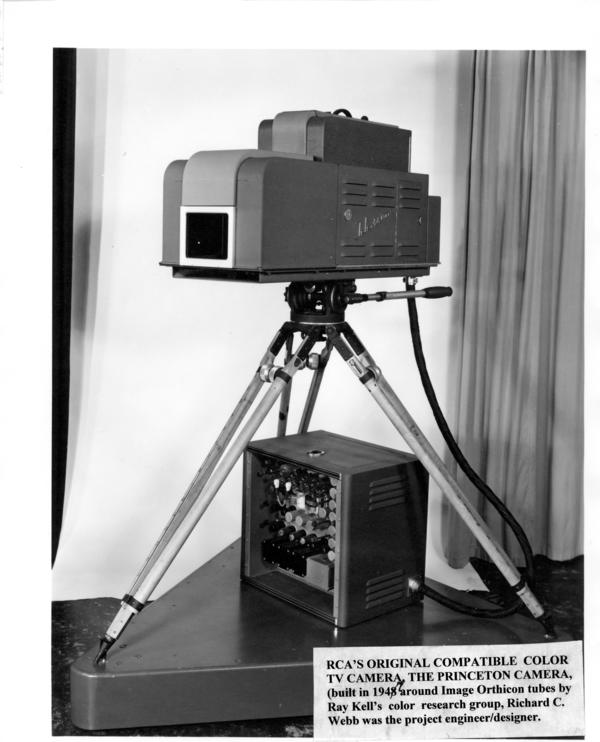
I’ve just recently been able see these stunning in-house marketing photos that reveal some news about the first three sets of RCA’s compatible color prototype cameras. We now know the “name” of the first set of color compatible prototype cameras.
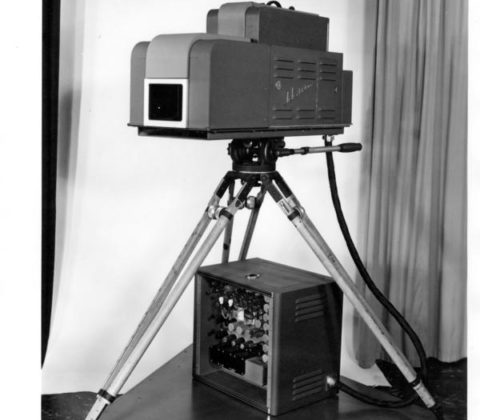
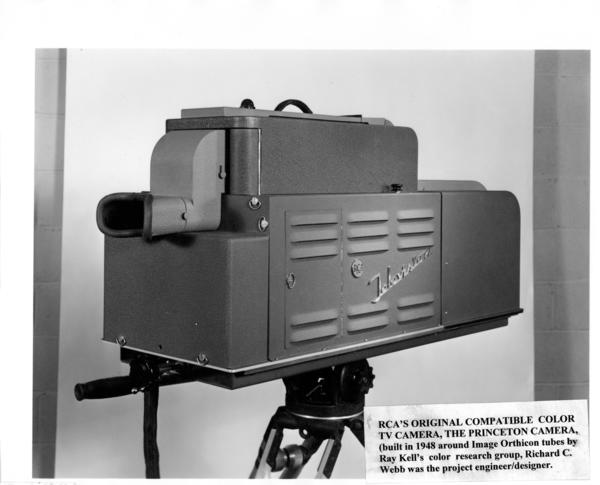
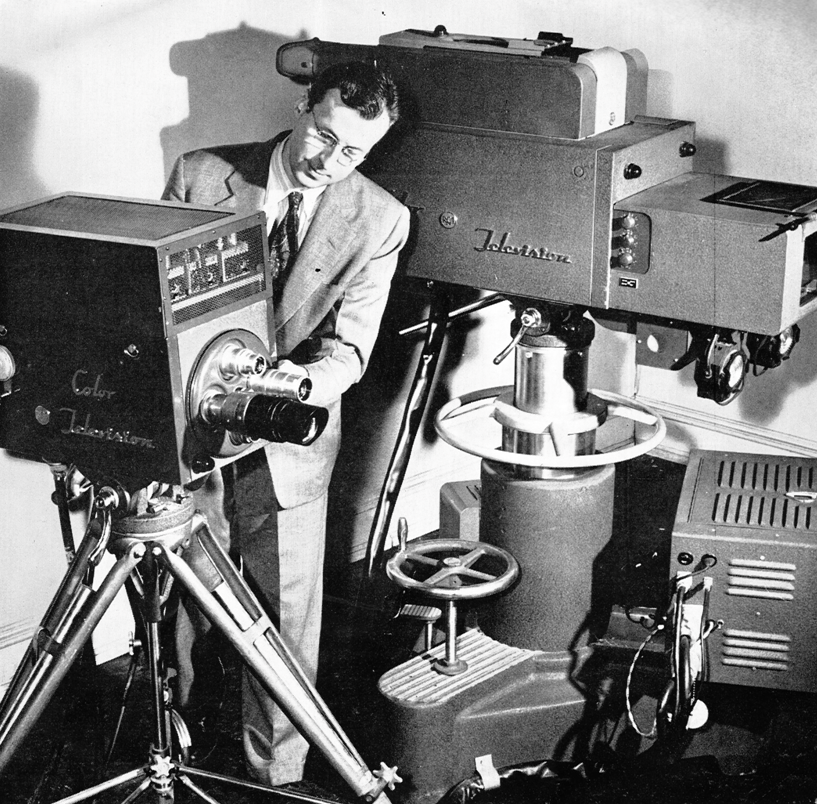
These are the Princeton Cameras. There were two of these and after being built in Princeton NJ at RCA Labs, they were sent to NBC’s Wardman Park Hotel studios in Washington DC where they were put through their paces for the FCC, members of congress and of course the engineers in Princeton that saw everything on a closed circuit feed, while still developing support equipment. The other two camera types we’ll see here are thethree Coffin Cameras and the four TK40 Prototype cameras.
If you look closely at the date in the photo label at the bottom right (top photo) notice that the photo is dated 1948, but the 8 is struck through to give us a date of 1947! Also, notice “additions” as we go and note that these first few images are most likely the first pictures as there are not any exhaust fans on top yet, AND…notice the big boxes that each camera is connected to. Chuck Pharis and I have come to the conclusion that these are what he calls an, “intermediate or auxiliary box”, which is just a place for components which were as of yet, unable to be included inside the camera head. As we go, you will see that at first there is a single cable from the camera to the box, but later these Princeton Cameras will have 3 cables to the box. The early DuMont cameras had these aux boxes too.
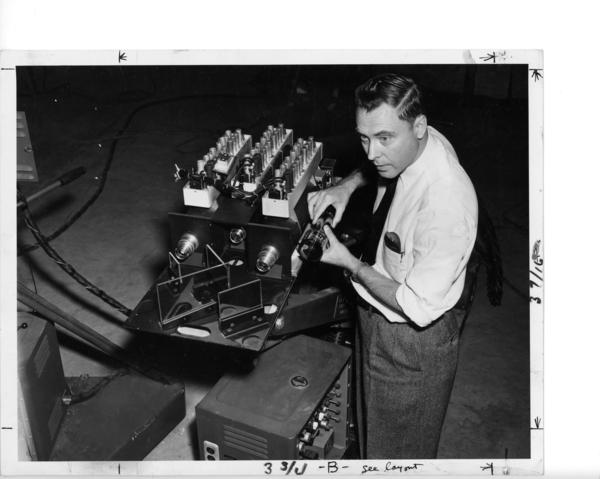
Below is Dr. Richard C Webb with his invention with the cowling off so we can see the optical system which uses what look like three 90mm lenses behind the dichroic mirrors. The preamps are on top, but notice the intermediate box underneath. You may have seen this image before, but this is the original uncropped image as you notice the crop marks for the smaller images.
The image below shows a bit of the inside with the rear door removed BUT, in the two images below, notice the cameraman seems to be gripping a rod (like a Zoomar rod) which now answers the question of just how focus was handled on this early model, which still depends on moving the camera in and out to achieve close ups as there is yet a zoom or turret lens system.
In the final two images (above) of the Princeton Cameras we see the final refinement that shows us a newly configured optical system box which is now in a separate enclosure with a cowl cover of it’s own. FYI, the smaller camera is the experimental Tri Color camera. Oh…and if you thought the viewfinder looked familiar, it is the same one RCA used for the TK10 and TK30 models.
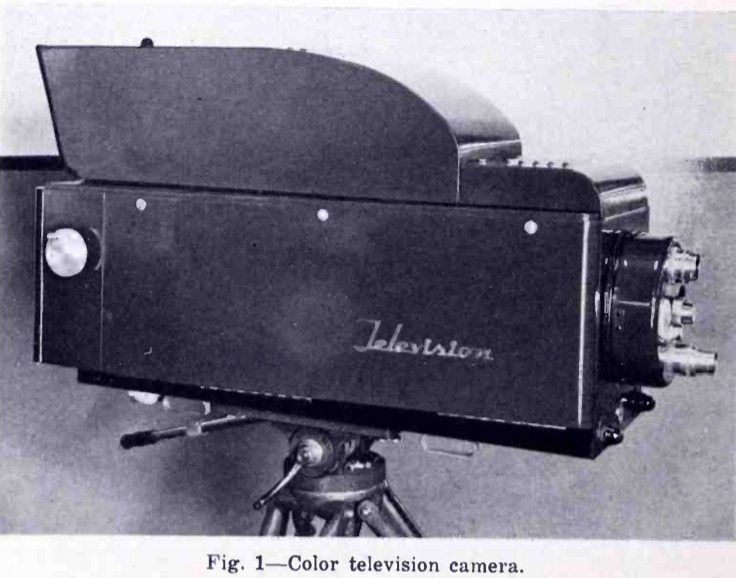
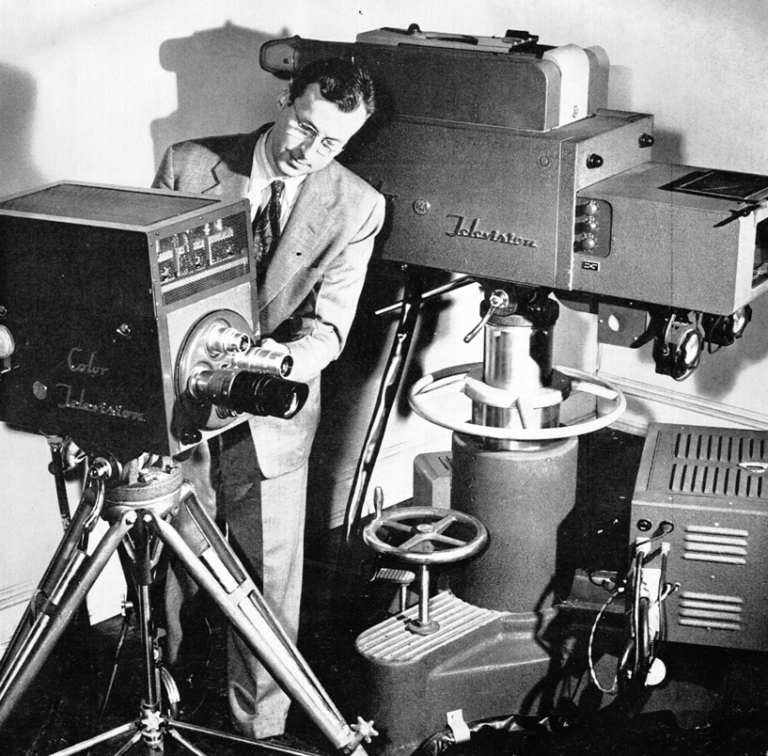
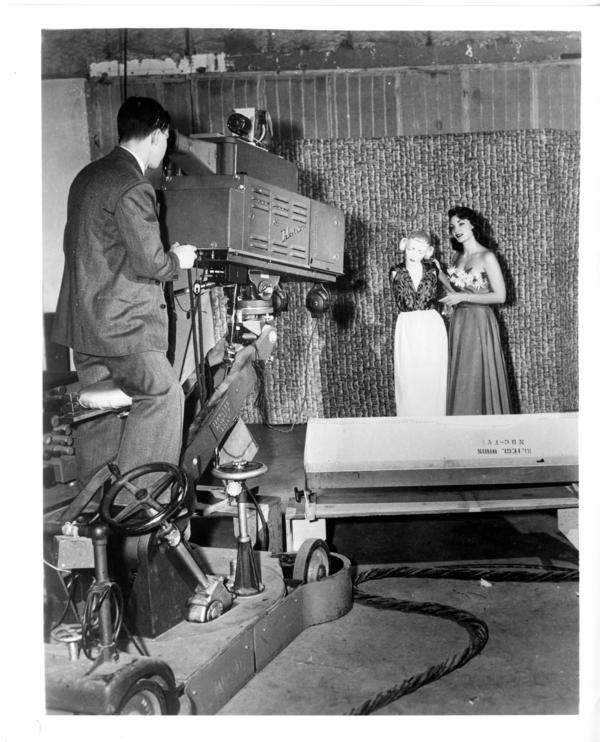
The Three RCA Coffin Cameras were the immediate successors to the Princeton Cameras and were also built in Princeton. When the Princeton Cameras were retired, they went back to RCA Labs there where they were bench tested a lot but compatible color trials had moved onward and “upward”…from NBC’s Wardman Park studio to Studio 3H at 30 Rockefeller Plaza. These black cameras were said to be big enough to be buried in so their nick name caught on…the Coffin Cameras.
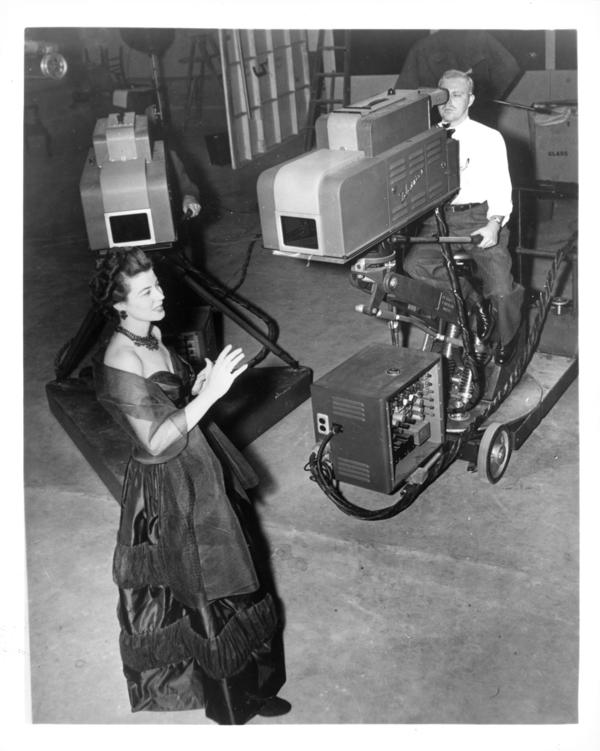
Notice these cameras have the new turret mounted lenses and a side focus just like their black and white brothers, the TK10 and TK30. In the middle image is NBC Color Girl Marie McNamara in Studio 3H and at the bottom, is Nanette Fabre performing in the daily close circuit show that was shown to the engineers at 30 Rock, Princeton and in the RCA Exhibit Hall just across from NBC on 49th Street. These were in use for testing from about 1949 till 1952.
RCA TK40 PROTOTYPES
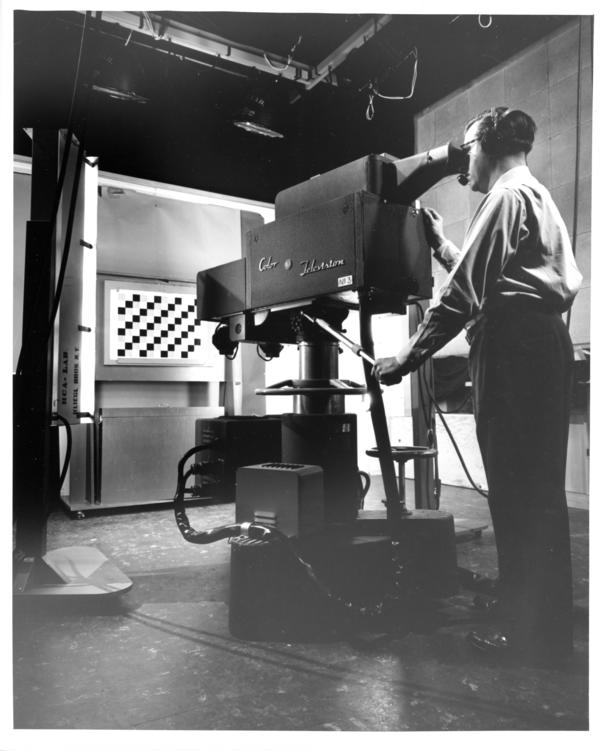
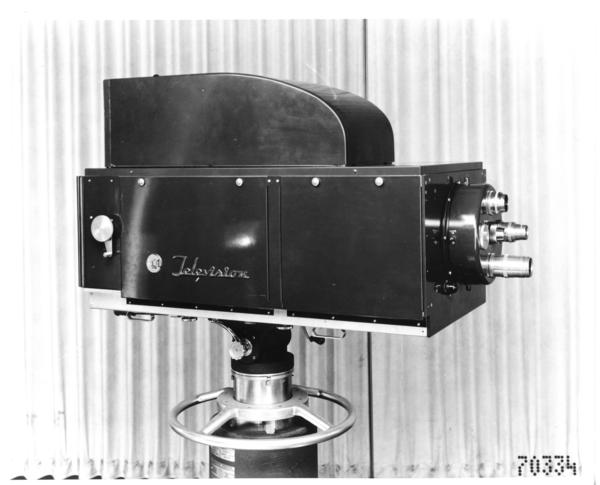
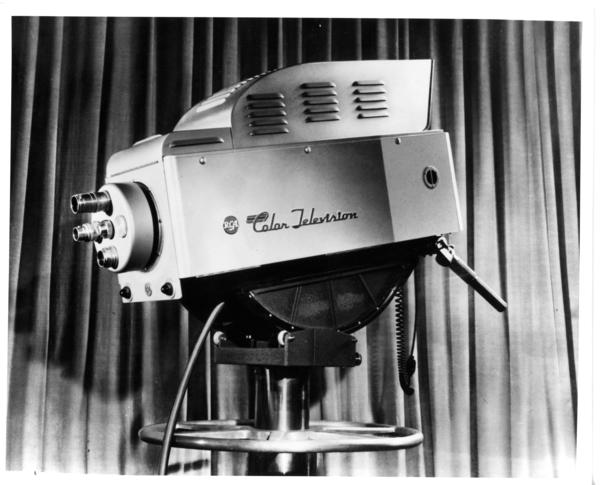
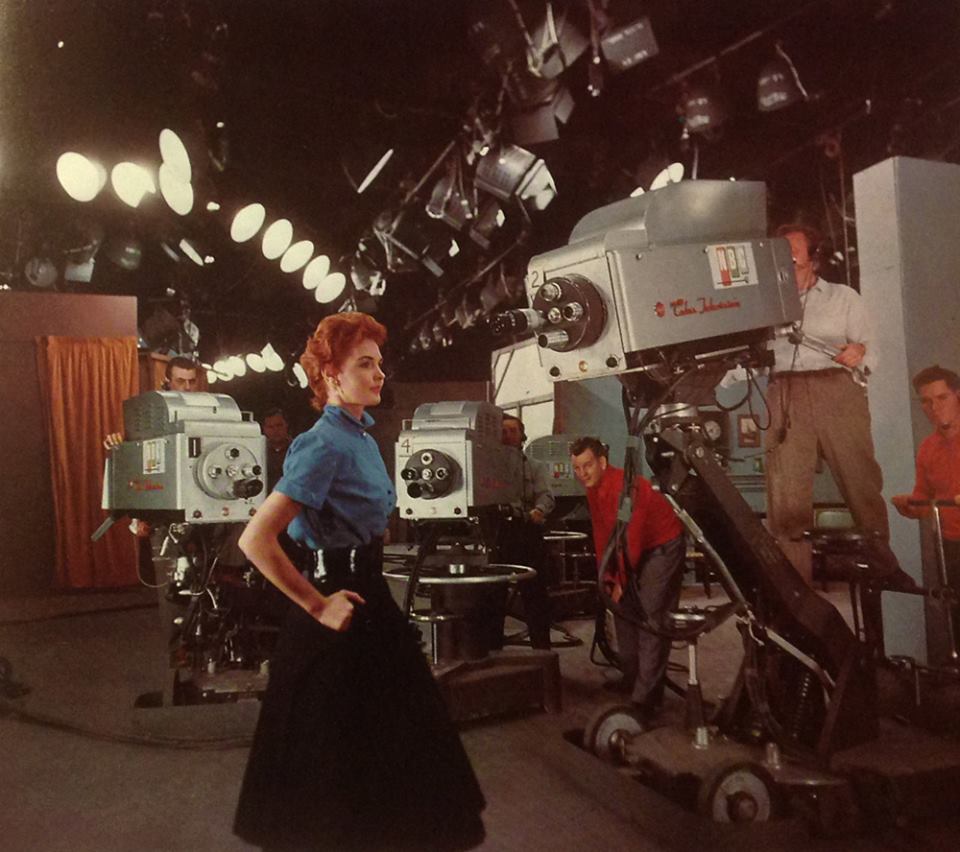
There were four of these cameras made and were used only at NBC’s first color studio at The Colonial Theater in New York which began testing in 1952. The hand of RCA’s top industrial designer John Vasos is evident in the now smooth lines of this classic look.
NBC’s 1938 vintage mobile units were retrofitted for color when Coffin Cameras were still in use and broadcast live from Palisades Park for one of the first color remote tests. One on the Colonial’s TK40 prototypes was also occasionally kidnapped for color field tests, and in 1954 when the Rose Parade was broadcast in color from Los Angeles, the new NBC Color Unit stopped by The Colonial to “borrow” all the cameras for a week.
The top two images show the TK40 prototypes with no vents on the viewfinder hood and that was the way ALL TK40s were made…all 28 of them, until the TK41 debuted in 1954. All except for one of the Colonial’s TK40s were retrofitted with vented VF covers as is seen in the final photo. Also, in that color image, notice the turrets on the two cameras on the right…those are salvaged from their Coffin Camera predecessors. I’ll bet the turret on Camera 3 (in the background) is glossy black too. -Bobby Ellerbee