- Home
- TV History
- Network Studios History
- Cameras
- Archives
- Viewseum
- About
Skip to content
Posts in Category: Archives
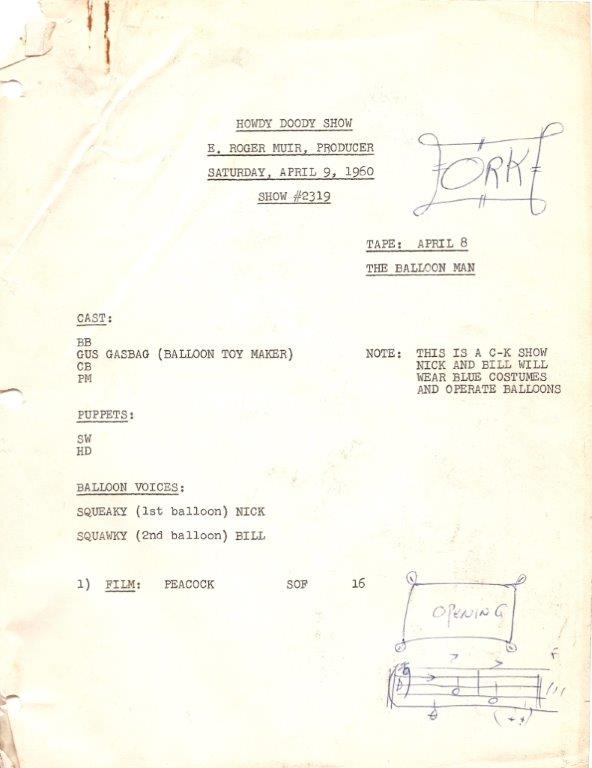
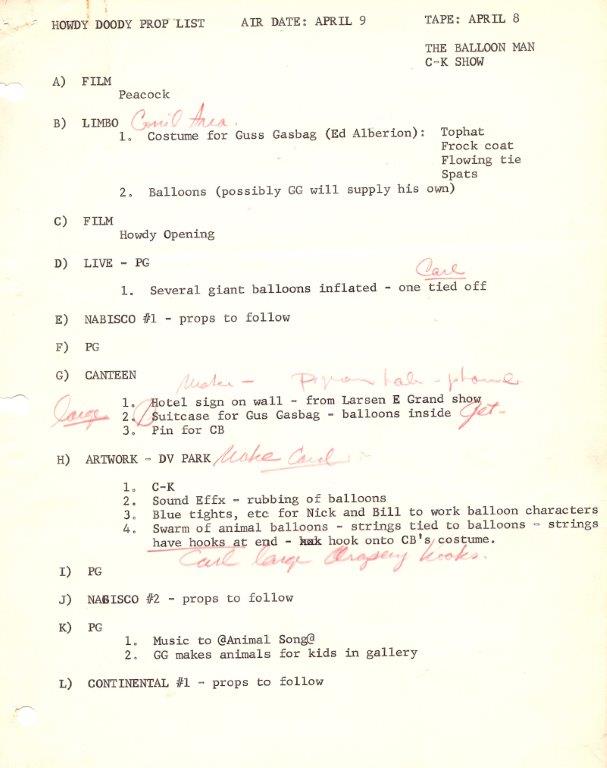
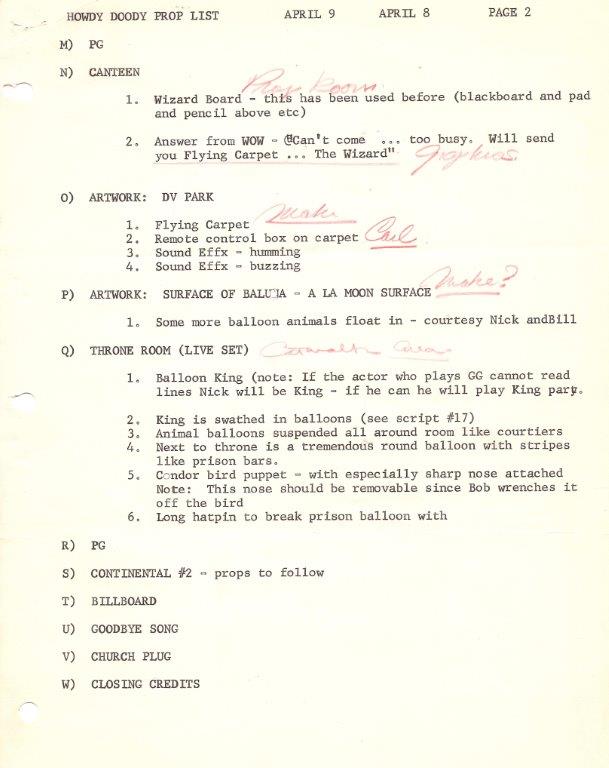
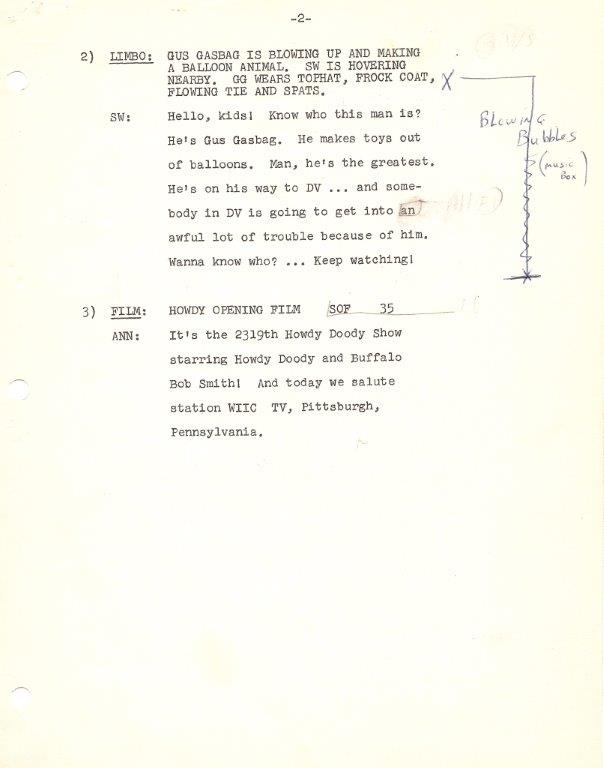
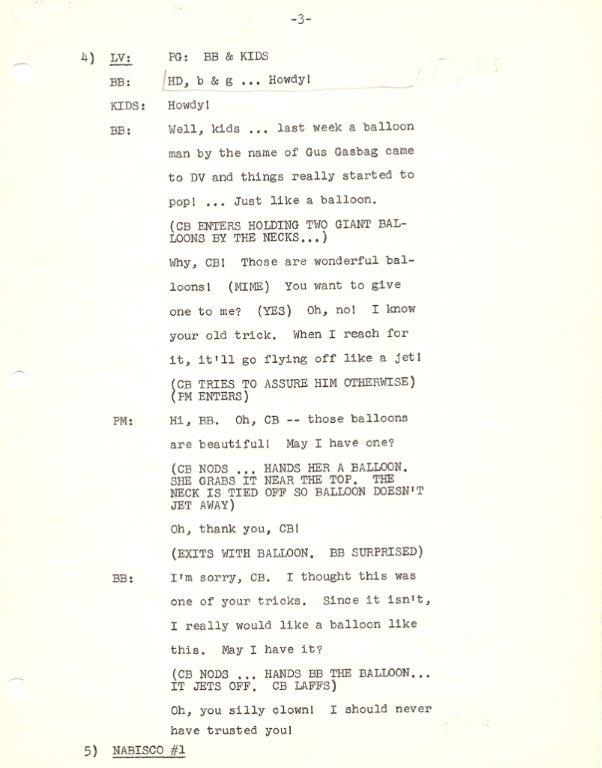
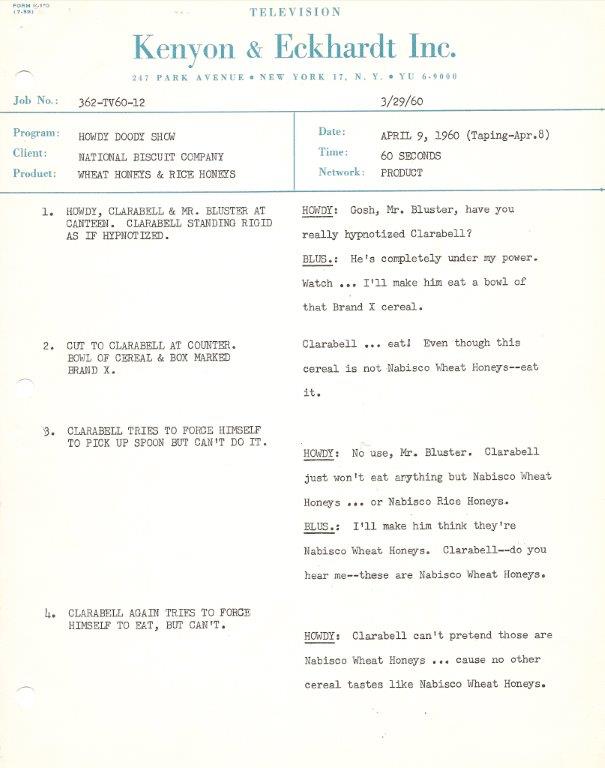
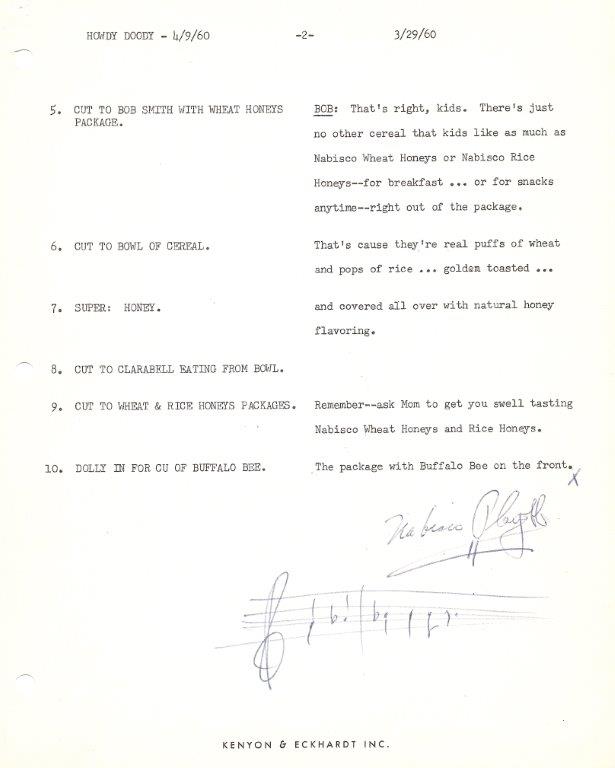
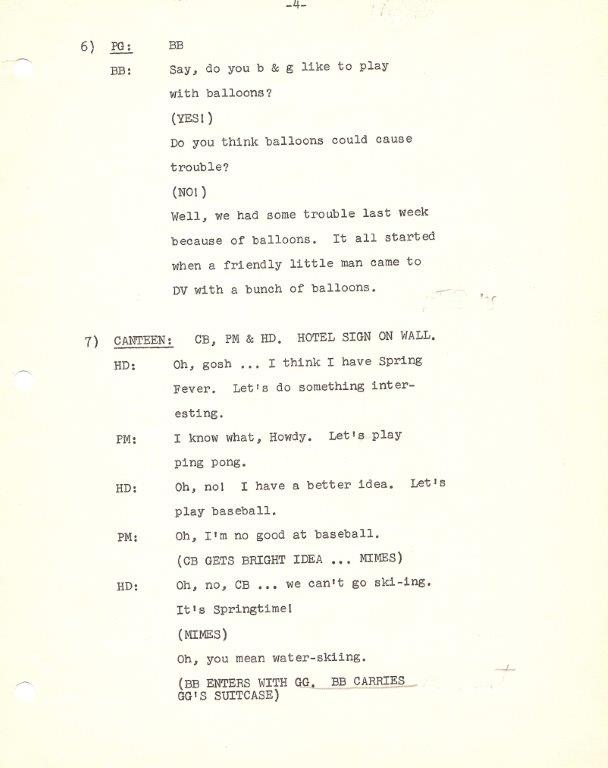
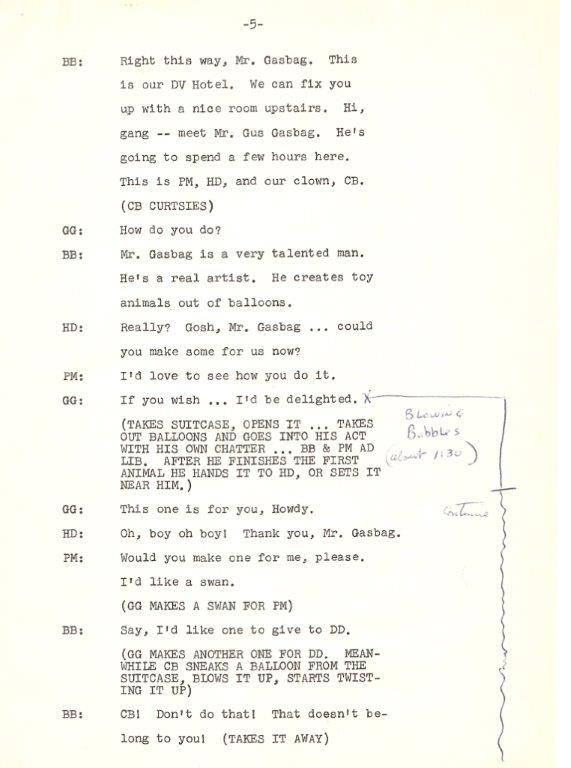
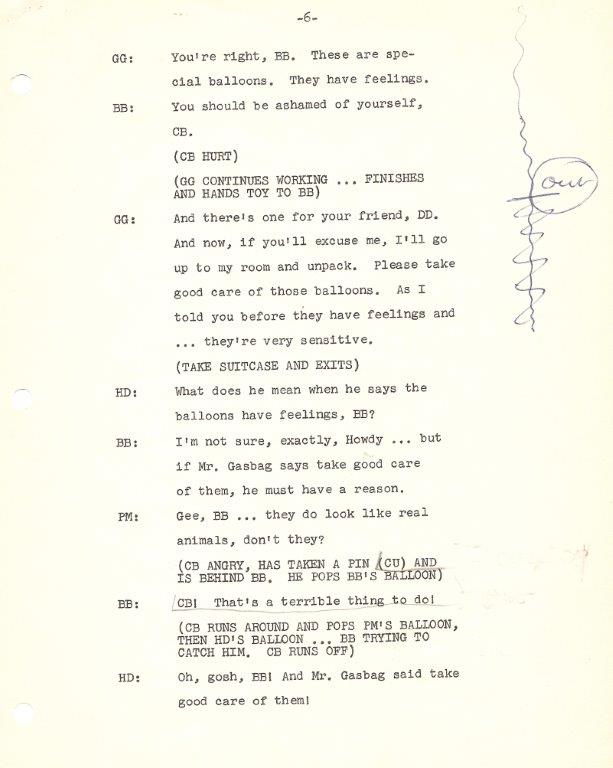
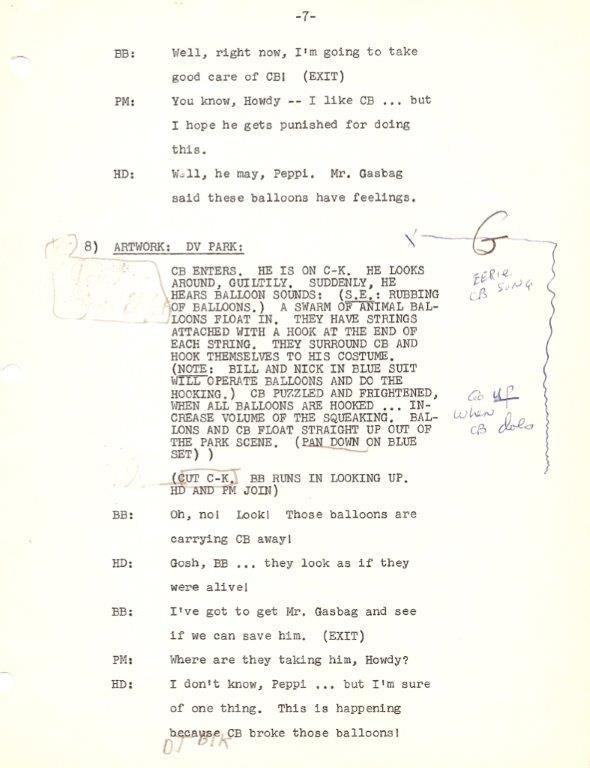
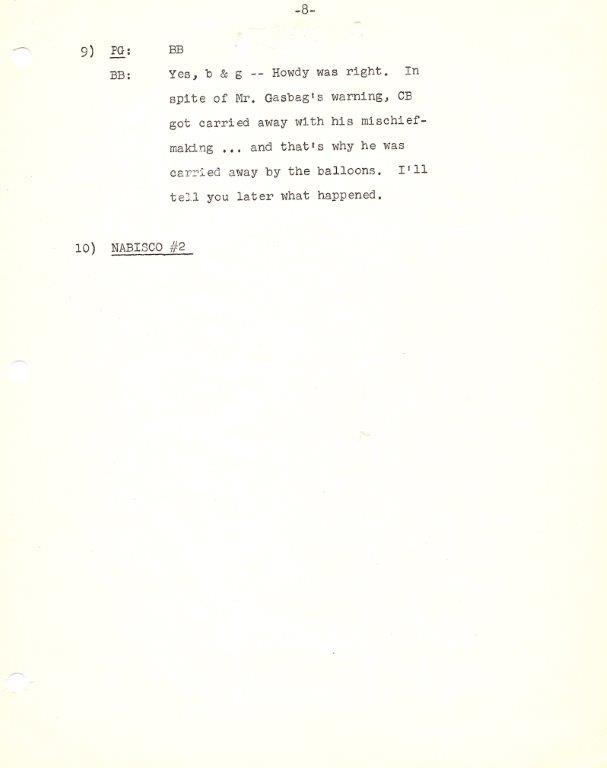
“Howdy Doody” Script, 1960
On October 15, 2016
- Archives
Thanks to our good friend Gady Reinhold at the CBS Broadcast Center, here is one of the many treasures from his personal archives…a real script from The Howdy Doody Show, Notice on the first page, C-K in the top right, which denotes a Chroma Key shot, with actors dressed in all blue, for the “invisible effect”. Enjoy this rare look at a script from the iconic children’s program.
1935: “The House That Radio Built”
On October 15, 2016
- Archives
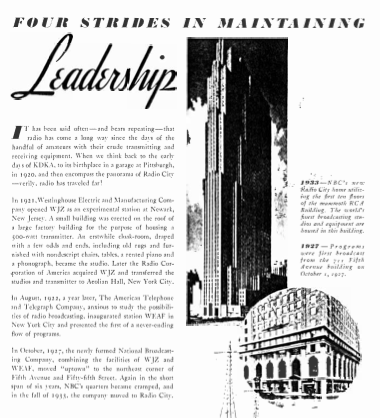
Here is the 32 page book on how NBC’s headquarters at 30 Rockefeller Plaza was built. In this rare, 1935 look at the construction and operation of NBC’s new Radio City facilities, you’ll see all the fascinating technical details, photographs and diagrams your heart could desire.
RCA History In The Making….Rare Original Design Sketchs
On October 10, 2016
- Archives
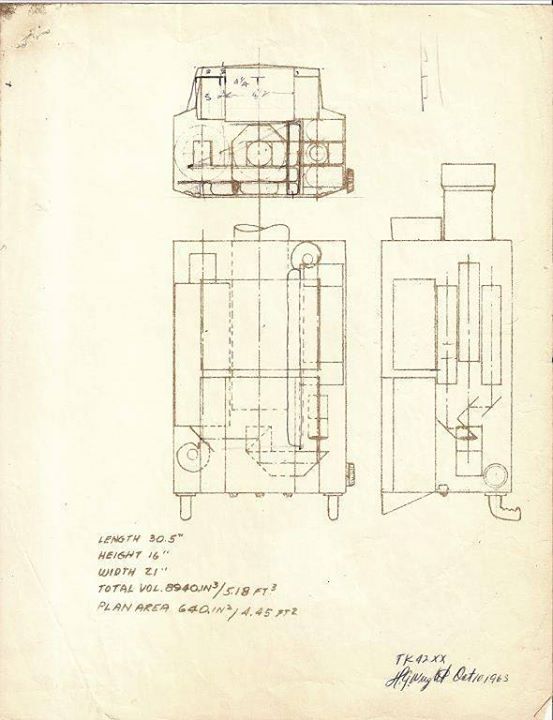
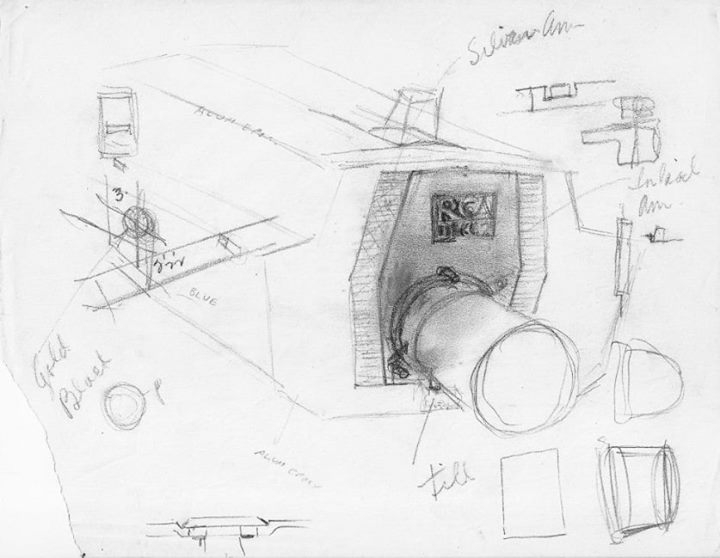
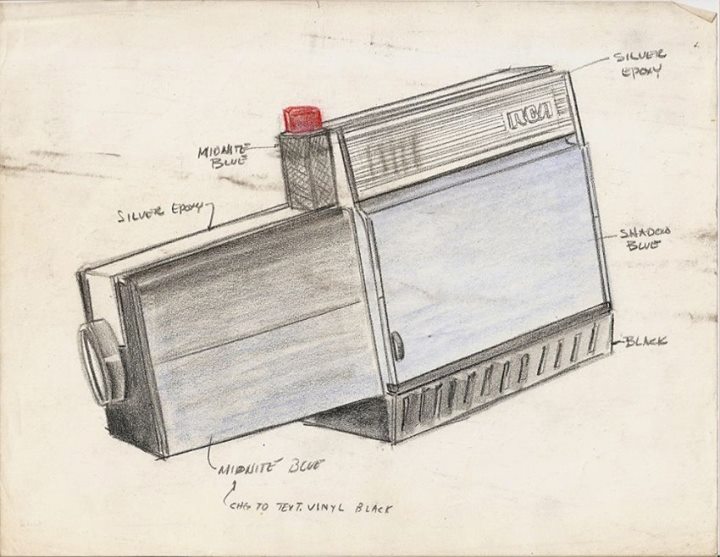
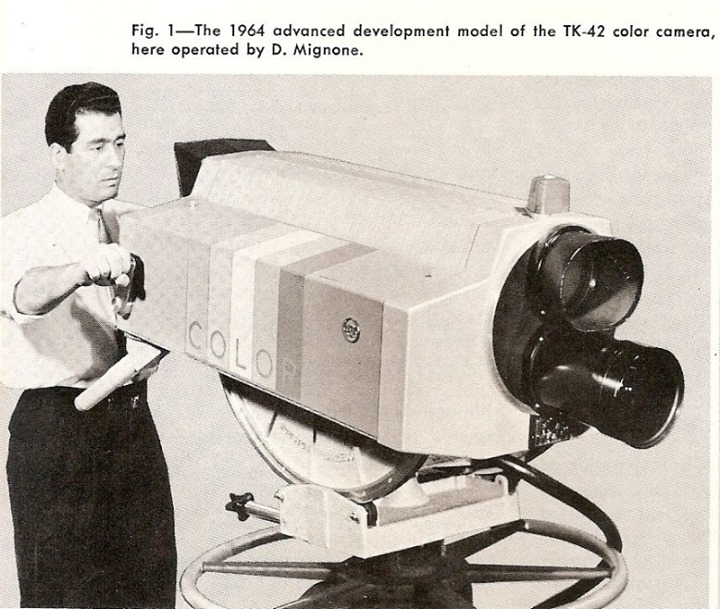
I am pleased to share a page from my collection of rarities, a few rare design drawings made by our late friend, Harry Wright of RCA.
Harry designed the look of the RCA TK60, TK42, TK43, TK44, TK45, TK45P and many other RCA products, including telecine and video tape machines. He was an RCA mechanical engineer heavily involved in RCA’s “new look” line up.
After the TK42 project started, several designs were mocked up, but Harry’s low, wide model was the one RCA went with, which was called 42X at the Camden plant. Below are Harry’s first sketches of the TK41, TK44 and the October 10, 1963 diagram of the 42XX, which was a modified 42X which included a dual lens turret, which is also see here. Enjoy, and for more on Harry and these cameras, go to the link below. -Bobby Ellerbee
https://eyesofageneration.com/39409/
NBC Broadcast Operations, Program Schedule Sheets, 1951-58
On September 15, 2016
- Archives
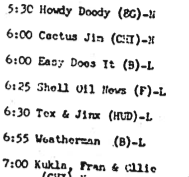 NBC broadcast schedules from 1951, 1952, 1954 and 1958. This is the best ever guide to see which studios were being used at a time when radio and TV were sharing space at 30 Rock, and looking for studio space around the city.
Here are some keys to the Abbreviations here, so you can better understand what is going on. First, the -L is for Local and -N is for Network. Studios A, B, C were live studios at NBC’s Uptown Studios at 106 Street and F was the film projection studio there. 3H, 3A, 3B, 6A, 6B, 8G and 8H are at 30 Rock. Intl = The international Theater, Cen = The Center Theater, Hud = The Hudson Theater. CHI means the show is being done at NBC in Chicago, same for Wash = Washington D.C. and PHIL = a feed from Philadelphia. Notice “Camel News Caravan”, and some others are (C & F) which means the show is live with some film inserts.
RCA/NBC Firsts In Television, 1923-1941
On September 15, 2016
- Archives
RCA and NBC outline their early achievements in television. Notice that May 7, 1935 was the day that NBC Studio 3H at Rockefeller Plaza began it’s million dollar conversion to RCA Experimental Television Studio 3H. Read on…there is more treasure here for history buffs.
1951: CBS Television At 20
On September 15, 2016
- Archives
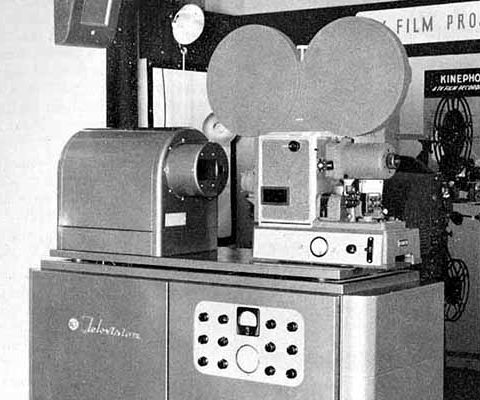
CBS looks back on 20 years of television innovation in this 18 page review from July 1951…smack dab in the middle of the Color War with RCA/NBC.
1950: NBC Converts Studio 8H For Television
On September 15, 2016
- Archives
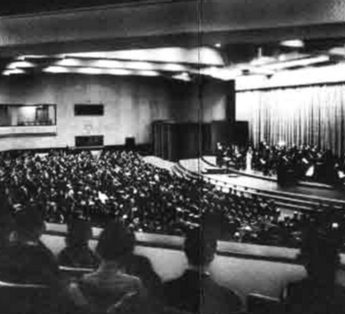
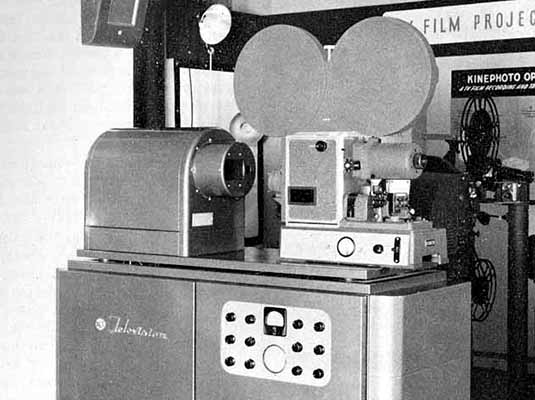
NBC’s announcement that the RCA Building’s largest studio would be making the switch to a new medium. This August 11, 1950 memo also mentions that Studios 3A and 3B will have finished conversion by Labor Day of 1950.
1948: NBC Sums Up The Year
On September 15, 2016
- Archives
NBC takes a look at the many big advances it made in 1948, like increasing the size of the TV network from 4 to 25 stations, introducing Kinescopes and much more.
1931: Constructing NBC’s 711 Fifth Avene Radio Studios
On September 15, 2016
- Archives
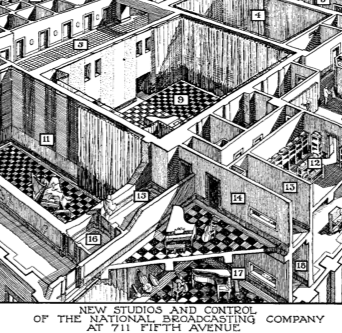
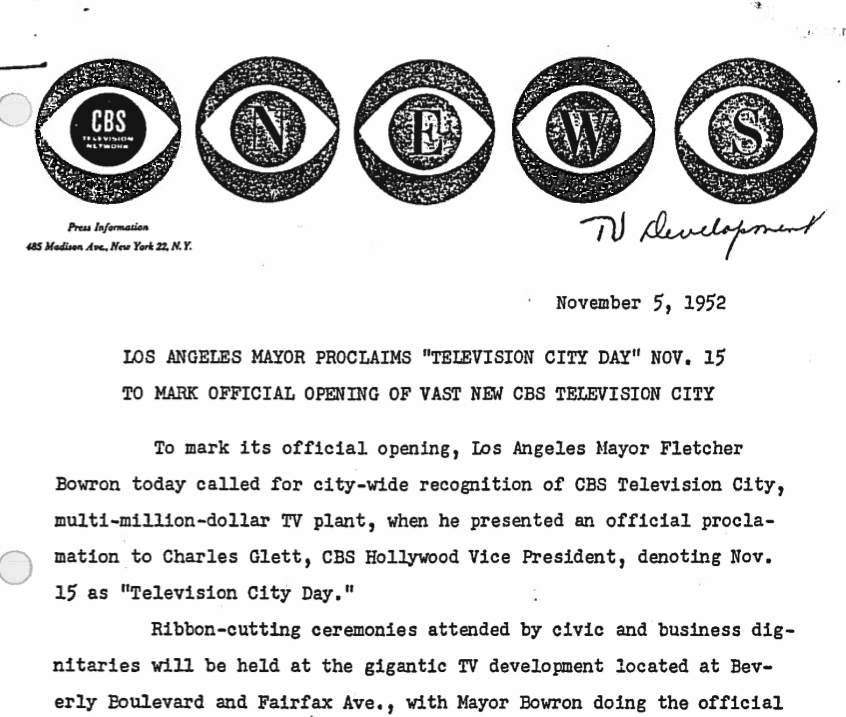
A look at how NBC’s radio studios at 711 Fifth Avenue were designed and constructed. Before the move to 30 Rockefeller Plaza in 1933, NBC’s called 711 Fifth Avenue home for five years, although they had custom built this location only 5 years before. While still crowded into their first office and studio location at WEAF, in the AT&T Building on 19th Street, they were making big plans, and here they are.
Building NBC Studios 6A And 6B
On September 15, 2016
- Archives
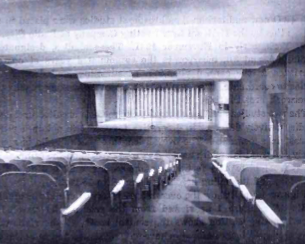
A 1942 RCA Review look at the design and construction of NBC’s brand new, twin sixth-floor studios at Radio City. Built for radio, but planned with an eye on the future of television.
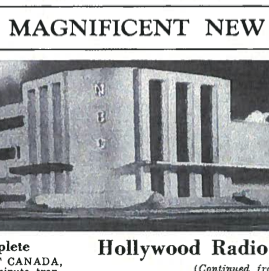
“The NBC Inhouse Mobile Units? YEP!”
On September 15, 2016
- Archives
NBC was televising shows from a few of their radio studios before they were converted to TV studios.
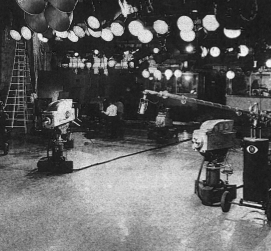
This photo was taken in Studio 6A on October 5, 1949 during a radio-TV simulcast of ‘Break The Bank’. There were four in house “mobile units”…the red, green, blue and yellow units, and each had three TK30s and a set of portable scoop lights.
The reason “mobile units” is in parentheses is because these were hybrid units that didn’t use a truck. Instead, the cameras were cabled to an existing TV control room there in 30 Rock.
At the time this photo was taken, only 3H, 8G and 6B had been converted from radio to television, and by that I mean those studios had their own control rooms, a new staging area with the floor seats removed and overhead light grids. But, 6A, 8H, 3A and 3B did have TV camera cable connectors and were used as television studios with the images routed to other existing control rooms.
With these four in house units, shows could be done from all over the building and remember, many of them were only 15 minutes, so that meant a lot of locations were necessary to go from one to the next. With a rehearsal, some of the units could move between studios and be ready to go on another show in about an hour.
At times, these units were actually in service with a truck doing broadcasts from some of the many NBC theater locations before they were converted to television studios.
Below, NBC veteran Frank Vierling looks back on the transformation of NBC Studio 3A from radio to television.
The Early History of WEAF…NBC Radio’s Flagship Station
On September 15, 2016
- Archives
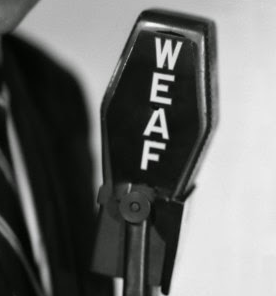
A rare document looks at the earliest days of the station that NBC bought from AT&T, which we now know WNBC. It was the flagship station in New York, on which the NBC Red Network was based, and later, the NBC Radio Network.
RARE! NBC Television Studio Technique, 1940
On September 15, 2016
- Archives
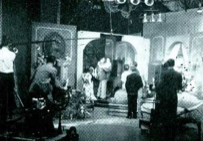
As NBC continued to refine its efforts toward commercial broadcasting’s debut, here’s what its staff had distilled on the subject of studio technique. This was written by NBC’s first studio cameraman, Albert Protzman, and this gives us a first hand account of the lessons learned in NBC Studio 3H, the first home of electronic television.
NBC – Recent Television Developments, 1940
On September 15, 2016
- Archives
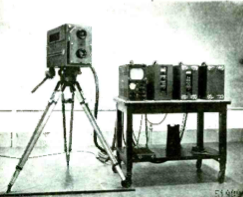
From none other than Vladimir Zworykin, and R. E. Shelby, here is an engineer’s dream come true…a full report on the state of television in 1940. BUT…at the start is a very interesting historical look back on how they got there, which highlights things that Dr. Zworykin believes to be milestones…including the work or Filo T. Farnsworht! Glad he gave credit, where credit is due.