- Home
- TV History
- Network Studios History
- Cameras
- Archives
- Viewseum
- About
Skip to content
Posts in Category: TV History
Page 47 of 135
« Previous
1
2
3
4
5
6
7
8
9
10
11
12
13
14
15
16
17
18
19
20
21
22
23
24
25
26
27
28
29
30
31
32
33
34
35
36
37
38
39
40
41
42
43
44
45
46
47
48
49
50
51
52
53
54
55
56
57
58
59
60
61
62
63
64
65
66
67
68
69
70
71
72
73
74
75
76
77
78
79
80
81
82
83
84
85
86
87
88
89
90
91
92
93
94
95
96
97
98
99
100
101
102
103
104
105
106
107
108
109
110
111
112
113
114
115
116
117
118
119
120
121
122
123
124
125
126
127
128
129
130
131
132
133
134
135
Next » New NBC Marquee On 6th Avenue Unveiled This Week
On November 26, 2014
- TV History
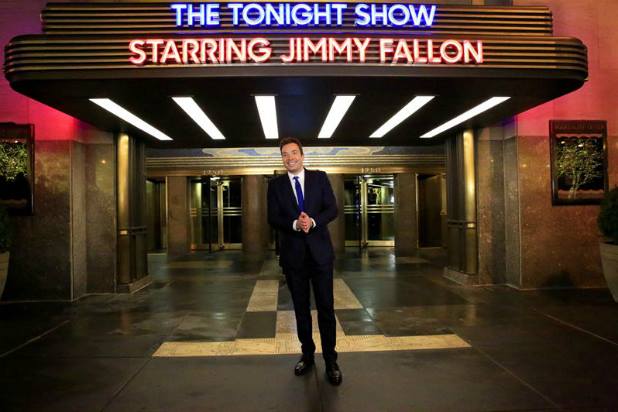
New NBC Marquee On 6th Avenue Unveiled This Week
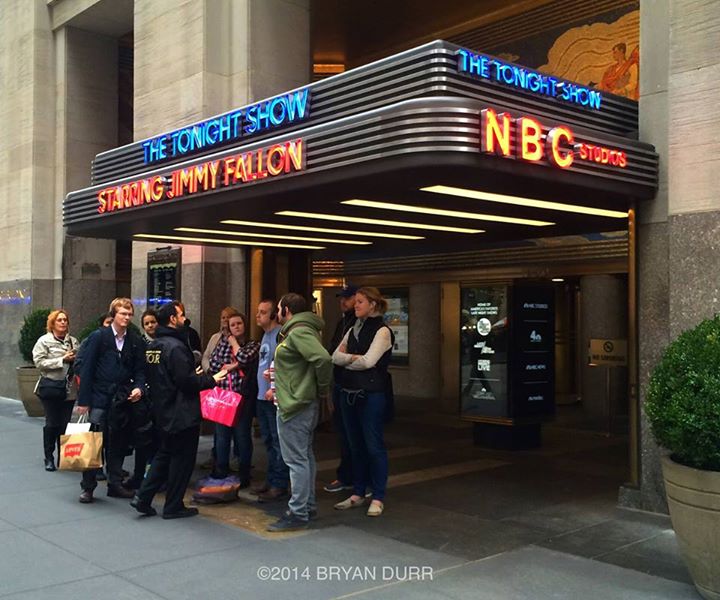
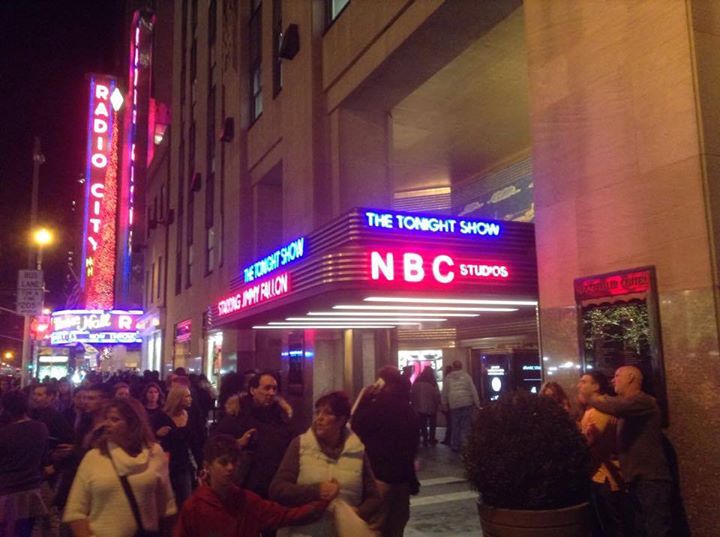
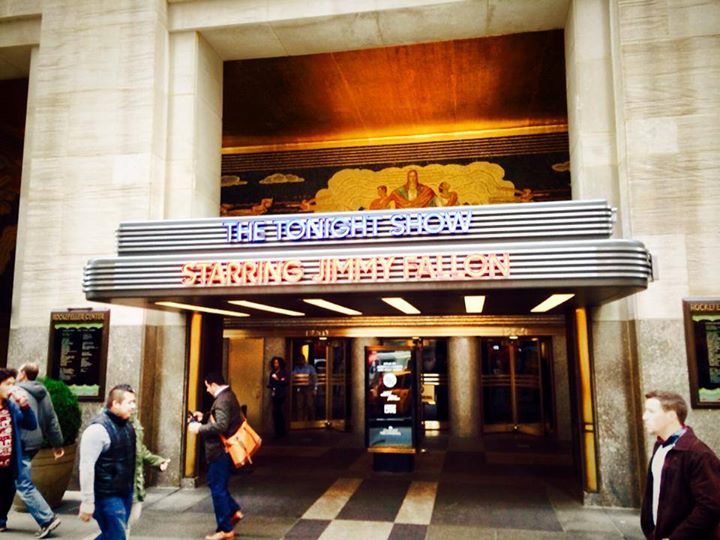
In the style and tradition of the 49th and 50th Street entrances, NBC has erected the first ever 6th Avenue marquee to celebrate the return of ‘The Tonight Show’ to New York.
“The new marquee is a bold reminder that ‘The Tonight Show’ is back in New York City from historic 30 Rockefeller Plaza,” said John Wallace, President, NBCUniversal Operations and Technical Services. “Showcasing our iconic NBCUniversal programs and talent, plus improving the fan experience, are key elements of our comprehensive building redesign project.”
The placement of “The Tonight Show” marquee is part of the previously announced plan for extensive upgrades and enhancements to historic 30 Rockefeller Plaza. Ongoing renovation and restoration projects, including the Grand Stair and Mezzanine Rotunda, will be completed in the coming months. At least half of the job of replacing the GE signs atop the building is complete and a part of the updating and restoration. Thanks to Gil Muro, Geoffrey DeVoe and Brian Durr for the photos. Enjoy and share! -Bobby Ellerbee
By the way, yes…6th Avenue is also Avenue Of The Americas.
“Casablanca” Piano & “Cowardly Lion” Costume Auctioned
On November 26, 2014
- TV History
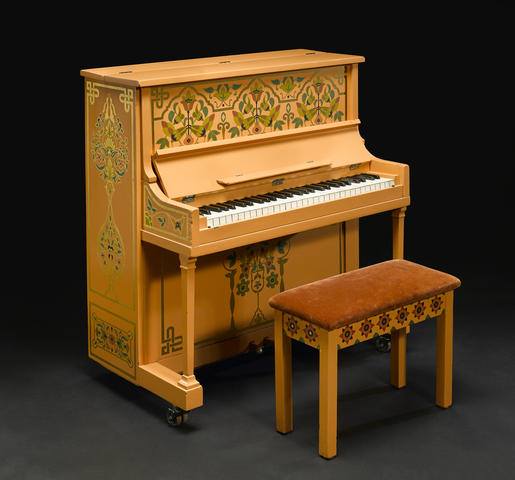
November 26, 1942…’Casablanca’ Debuts…Piano Auctioned Monday
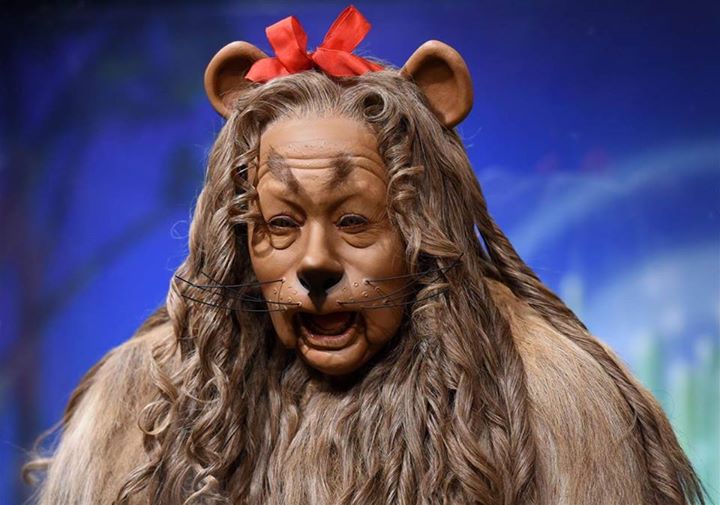
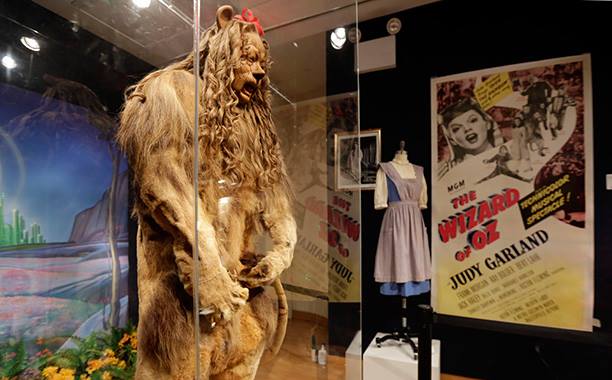
Just as Allied Expeditionary Forces were landing in North Africa, ‘Casablanca’ debuted in New York, the same city where a huge movie memorabilia auction was held Monday at Bonham’s. The “Play It Again Sam” piano sold for over $3 million. At the same auction, the Cowardly Lion costume from 1939’s ‘The Wizard of Oz’ fetched over $3 million also.
According to the Associated Press, the costume was authenticated to be the one that Bert Lahr wore in the film; a back-up costume fetched almost $1 million in recent years. The costume’s previous owner, Los Angeles Museum of Television founder James Comisar, said that the costume was made out of real lion skins, and was extensively analyzed to conclude that this costume was indeed the one that was worn on-screen.
The costume had been found and rescued from an old MGM building by a junk dealer cleaning out the deserted lot in the 1970s. Among the treasures on the block…Spock’s ears, an Indiana Jones whip, Hans Solo’s blaster from ‘Star Wars’, Mork’s space suit, James Dean’s switchblade from ‘Rebel Without A Cause’, Dorothy’s blue dress from Oz, Dick Van Dyke’s multicolored jacket from ‘Mary Poppins’ and more.
Look Familiar? Did You Ever “Play Television” As A Kid?
On November 25, 2014
- TV History
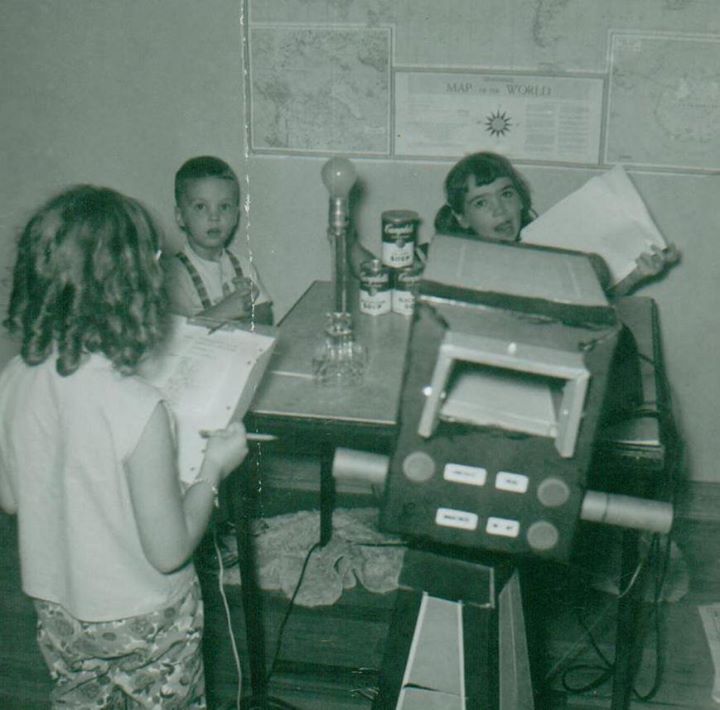
Look Familiar? Did You Ever “Play Television” As A Kid? I Did…
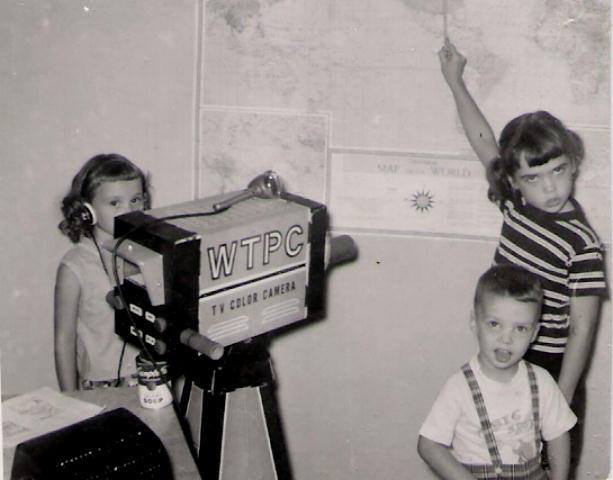
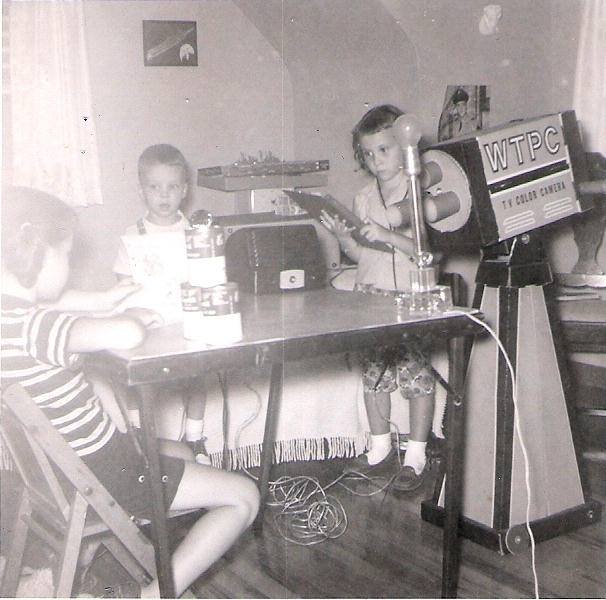
These photos are from 1959 and show is a mighty fine store bought camera. Something I never saw before. Mine were all home made.
I’ll share my story if you share yours, OK? I remember being in the first grade and already wanting to be an announcer. Earlier that year, I had been on ‘The Don McNeil Breakfast Club’ in Chicago and that left a lasting impression. I would watch TV shows and say what the man on TV said, but then I took it up a notch and added a microphone to my act….sort of.
My mother had an Elecralux canister vacuum cleaner. The long black cord had a male plug for the wall and a female plug for the vacuum. I used the female end as a mic and could pull my cable just like the man on TV. One day, I got the bright idea of plugging the cord into the wall to do my announcing. Everything was fine till I got a little to close to the “mic” and got shocked.
I modified my technique after that, but kept on “announcing”. I still do, but now it’s for money. Tell me your story! Enjoy and share. -Bobby Ellerbee
By the way, thanks to Ken Heinemann for these pictures of a cardboard camera he sent away for. The lenses had red, blue and green gel on them so this must have been a “color” camera.
A Video Visit To NBC Brooklyn Studios, 1967
On November 25, 2014
- TV History, Viewseum
By Request…A Visit To NBC Brooklyn Studios, 1967
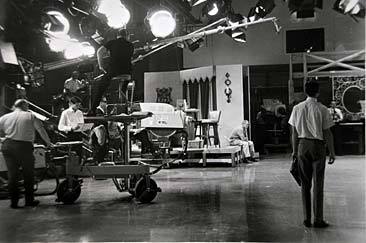
Here, you’ll see the great RCA TK41s in action at NBC Brooklyn. The date was March 13, 1966 and the production was ‘The Bell Telephone Hour’. That episode was “The Music Of The Movies” and in the clip you’ll see (Oz scarecrow) Ray Bolger and a young Peter Marshall. I’m not sure if this is Studio I or II, but it looks big enough to be I.
This is for our friends Russell Ross and Frank Gaeta, both long time NBC and TK41 veteran cameramen. I think Frank is in the dark sweater with the white collar on a ped camera. That may be Don Mulvaney on the crane? Enjoy and share! -Bobby Ellerbee
Setting The Stage, And The Table, For Thanksgiving….
On November 25, 2014
- TV History
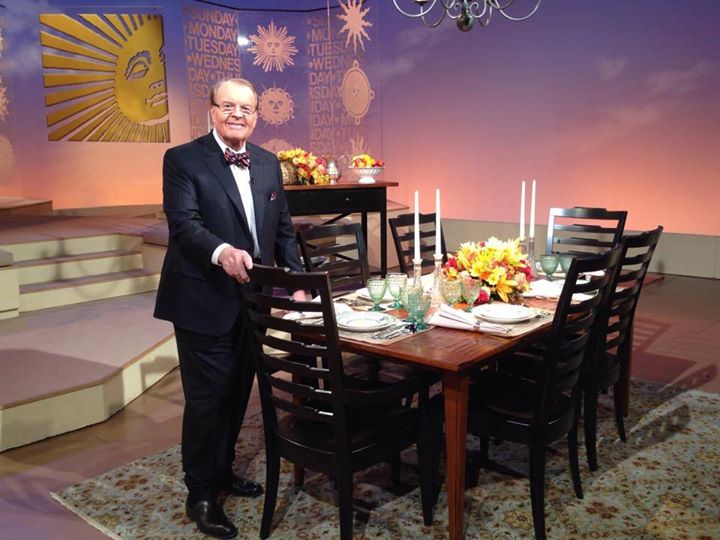
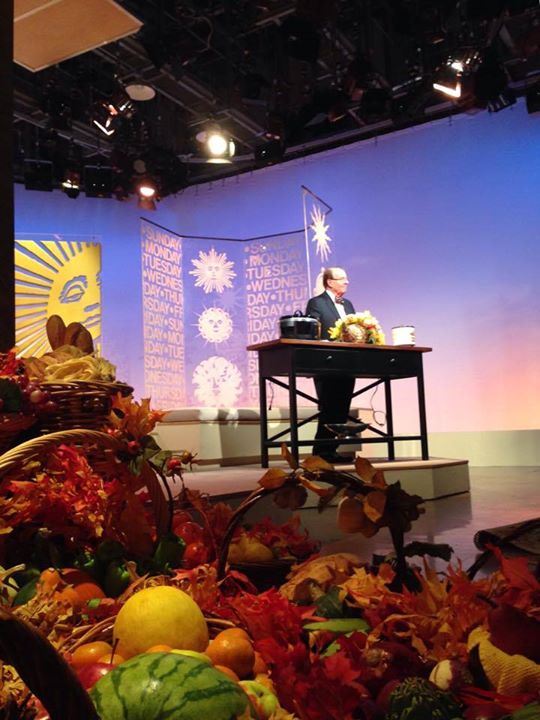
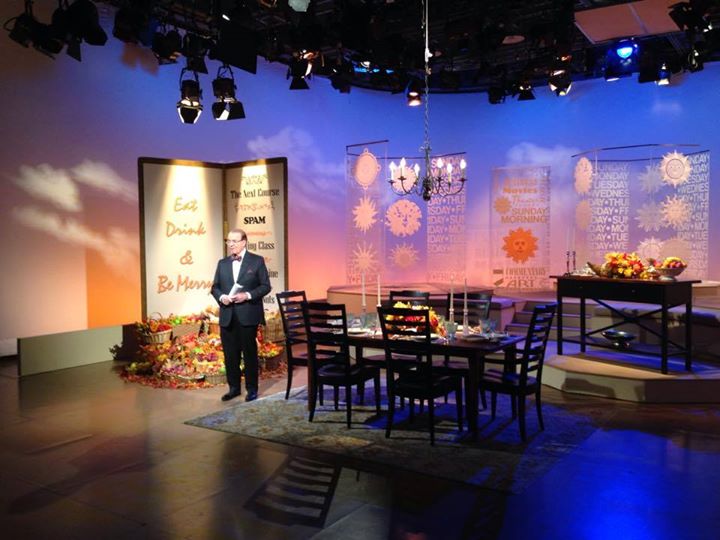
Setting The Stage, And The Table, For Thanksgiving….
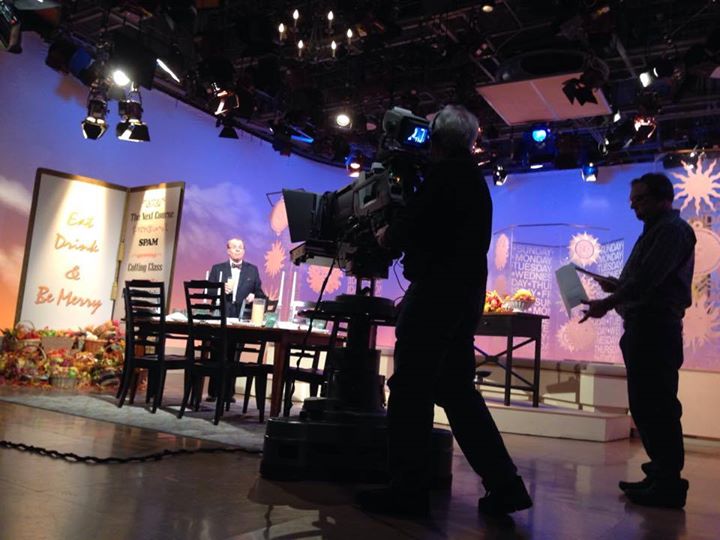
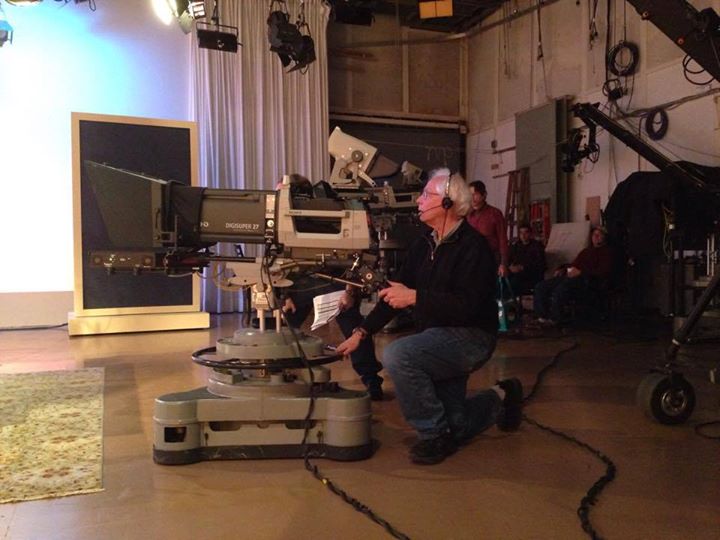
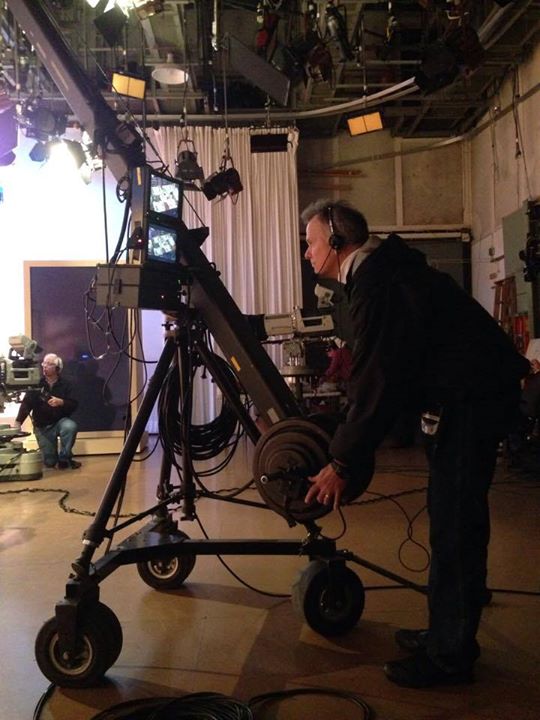
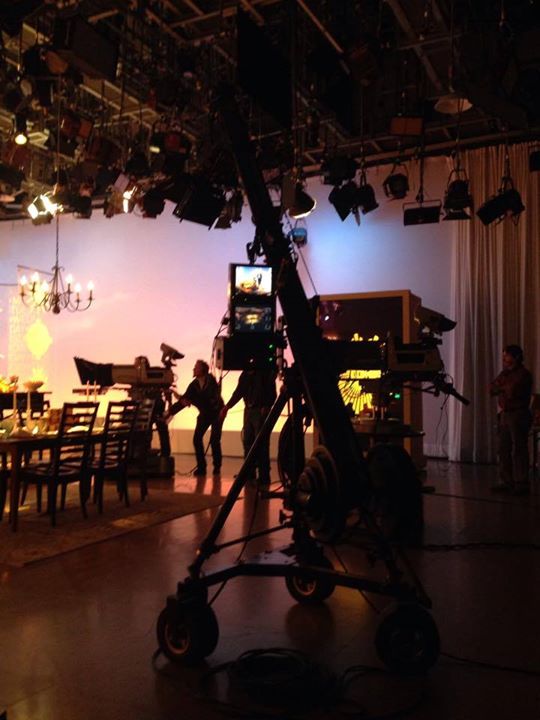
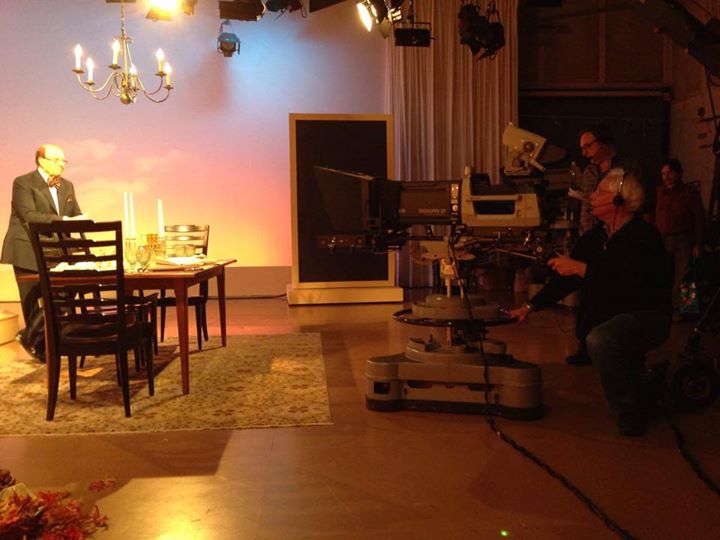
Thanks to Craig Wilson’s great photos, we’ve been able to visit the ‘CBS Sunday Morning’ set for a couple of months now and meet some of the people that bring it to us. Is it just me, or do these pictures have a glow of warmth and welcome to you too?
These images are from this past Sunday’s Thanksgiving show, which given the occasion, was meant to evoke “home and hearth”, but to me, each Sunday morning feels like a special holiday visit to the home of an old friend. You too?
The charm of our host, Charles Osgood. the familiar pace, the always excellent menu of viewing fare and the first class production qualities go a long way in explaining why these ninety minutes have captured the hearts and loyalty of so many for so long. Thanks to Robert Northshield and original host Charles Kuralt for creating this in January of 1979. Enjoy and share! -Bobby Ellerbee
PS The cameraman with the white hair is Alan Brown.
Look Familiar? May 1940…In Front Of The Ed Sullivan Theater
On November 24, 2014
- TV History
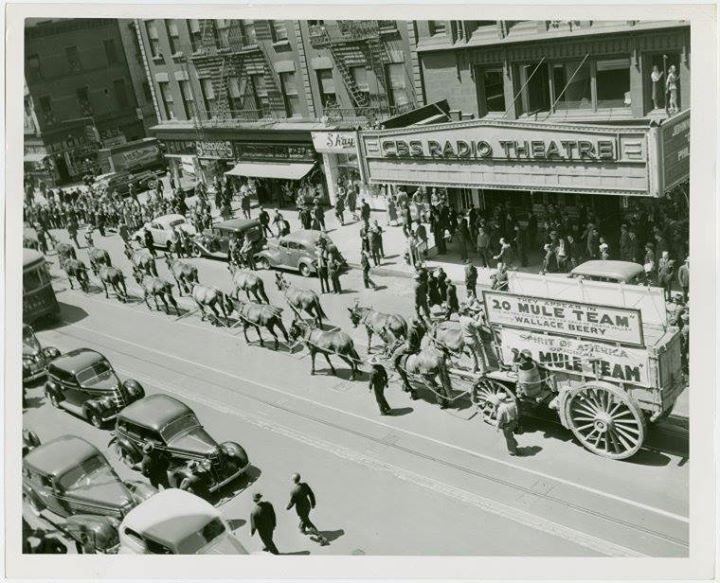
Look Familiar? May 1940…In Front Of The Ed Sullivan Theater
Built in 1927 as The Hammerstein Theater, CBS took a long term lease on the dark venue in 1935 and converted it to a large radio theater. In 1950, they converted it to a television theater with the designation, CBS Studio 50.
This is a publicity photo for the movie ’20 Mule Team’ starring Wallace Berry that debuted in New York on May 3, 1940. When I saw this I thought that the 1952 television series ‘Death Valley Days’ may have spun out from this, but much to my surprise, this 1940 movie is based on the ‘Death Valley Days’ radio show that started in 1930 and ran there till 1945.
On TV, the show began in 1952 as a syndicated series, with reruns and updated new narrations continuing through August 1, 1975.
The radio and TV series was sponsored by the Pacific Coast Borax Company (20 Mule Team Borax, Boraxo) and hosted by Stanley Andrews (1952-1963), Ronald Reagan (1964-1965), Robert Taylor (1966-1969), and Dale Robertson (1969-1972). Hosting the series was Reagan’s final work as an actor; he also was cast in eight episodes of the series. Enjoy and share! -Bobby Ellerbee
Look Familiar? I Thought So…You Were Not Alone!
On November 24, 2014
- TV History
Look Familiar? I Thought So…You Were Not Alone!
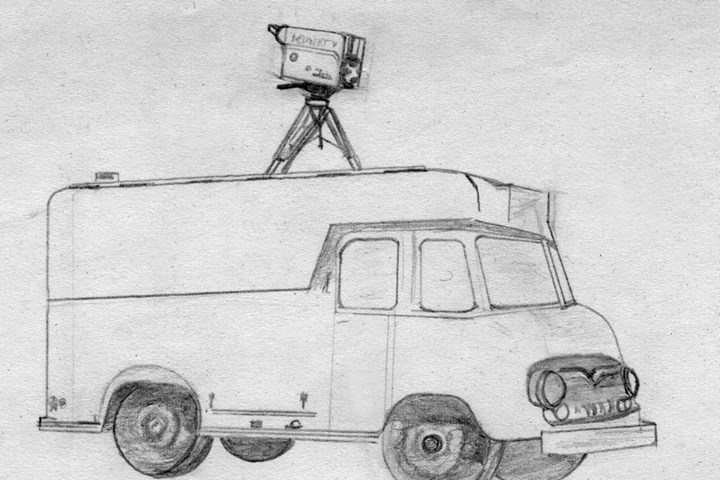
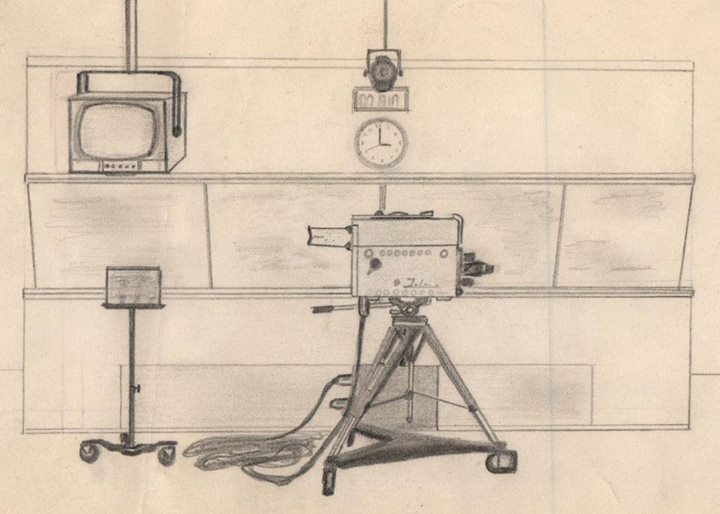
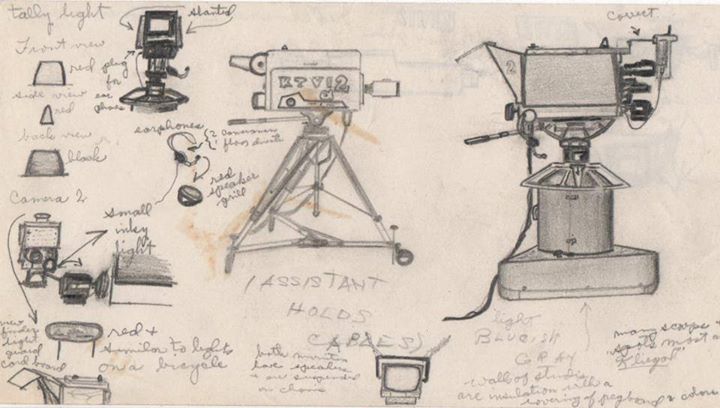
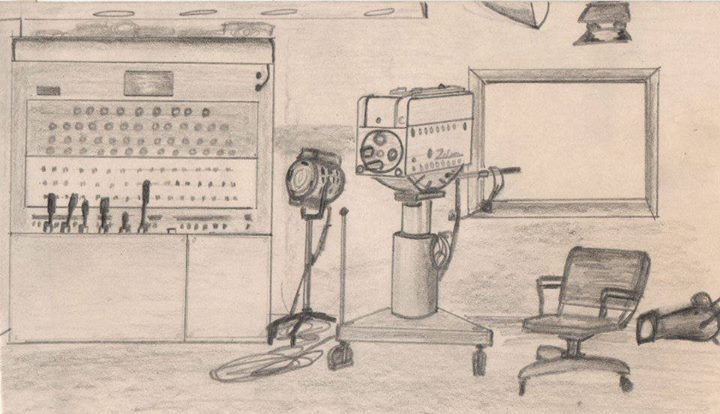
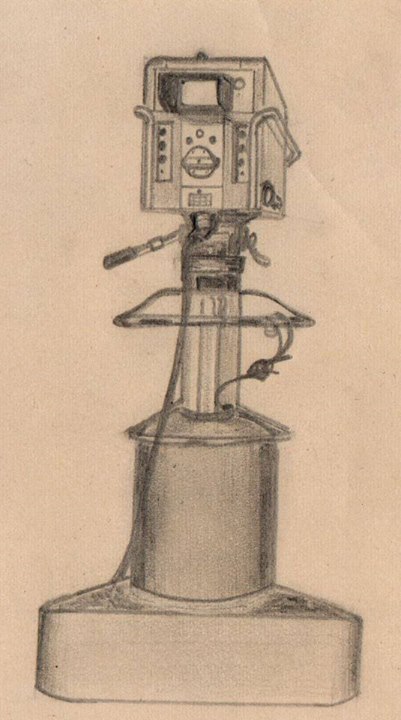
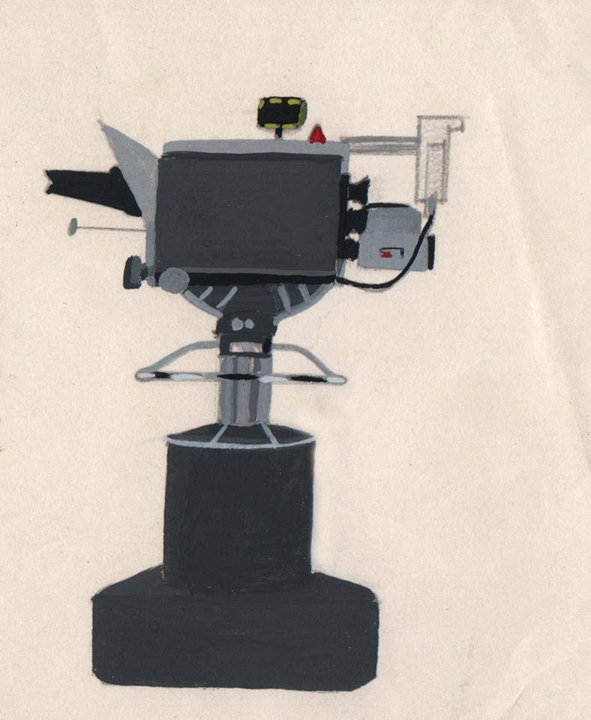
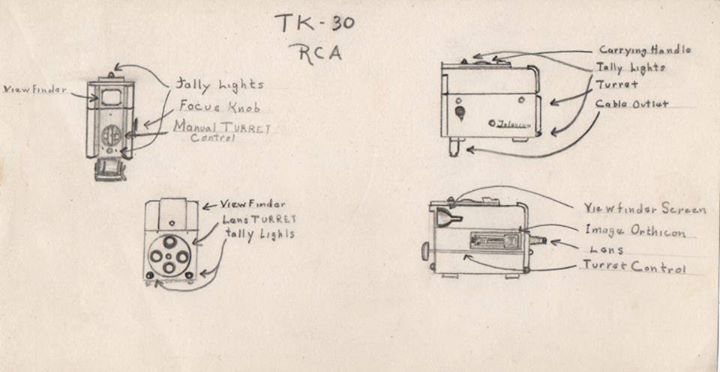
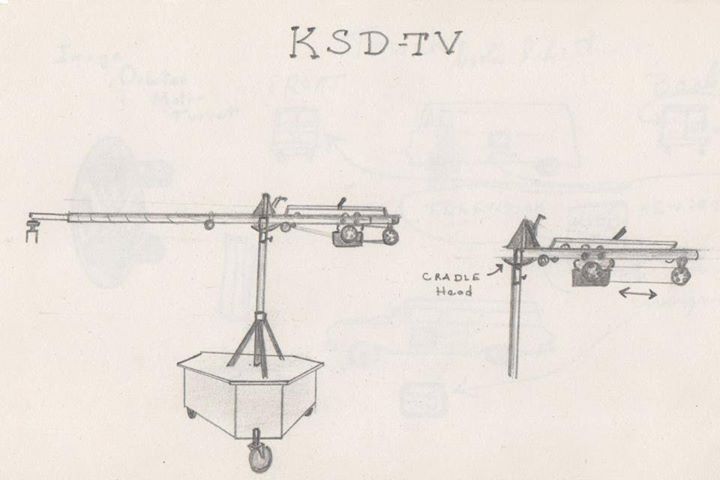
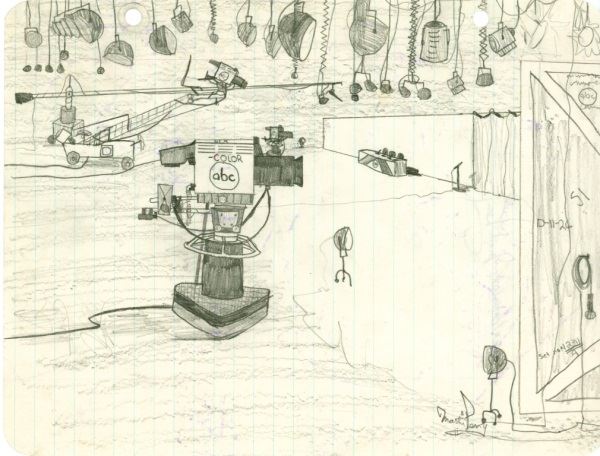
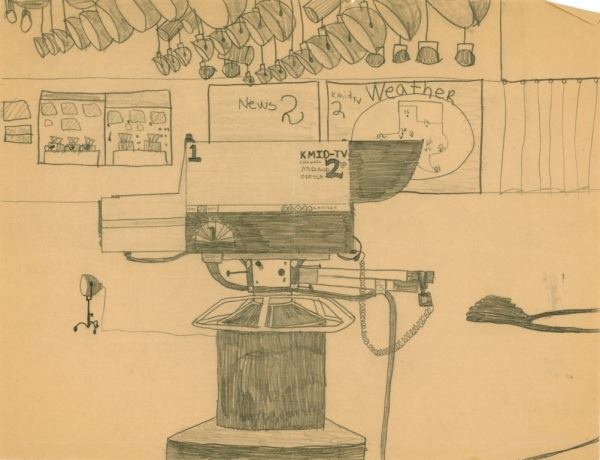
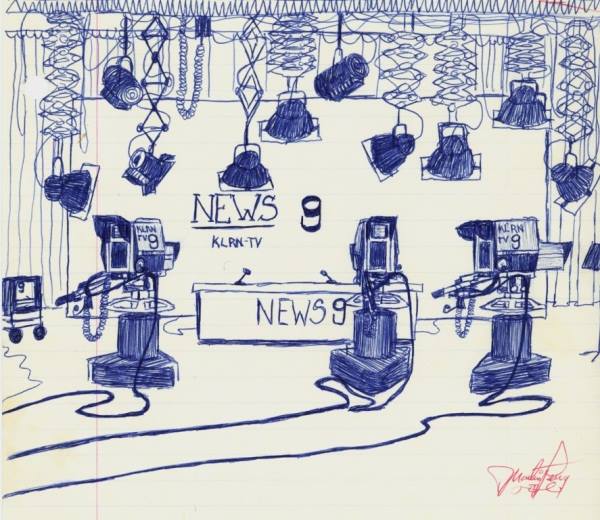
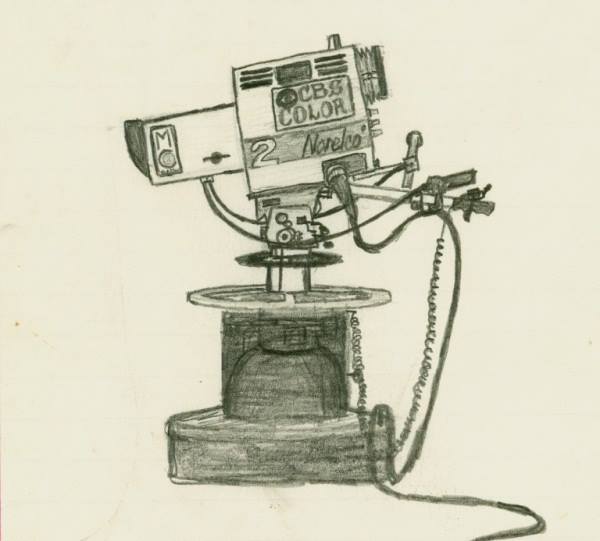
In reviewing the comments from yesterday’s story on Rosie, I noticed some conversations about drawing pictures of cameras and studios as kids, so…I thought we’d take a trip down memory lane. As it turns out, a lot of us that went into the field did this and here are over two dozen works of art from around the country. Enjoy and share! Oh, and add your pix too if you can find them! -Bobby Ellerbee
October 2006…My RCA TK41C Arrives From Los Angeles
On November 23, 2014
- TV History
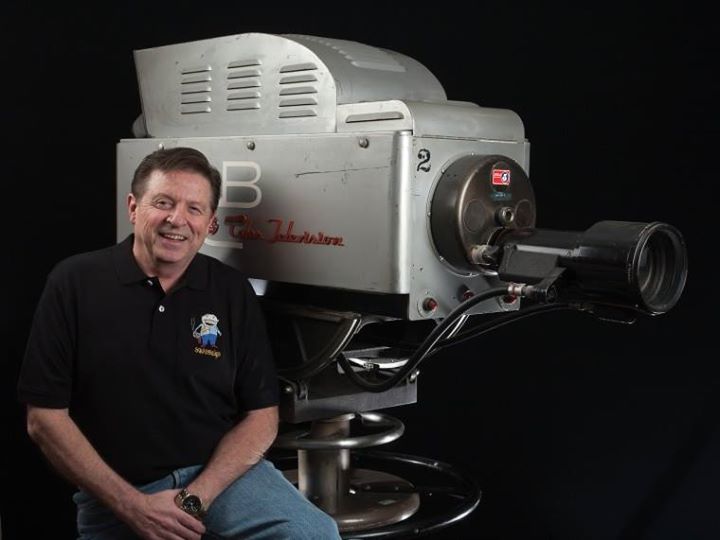
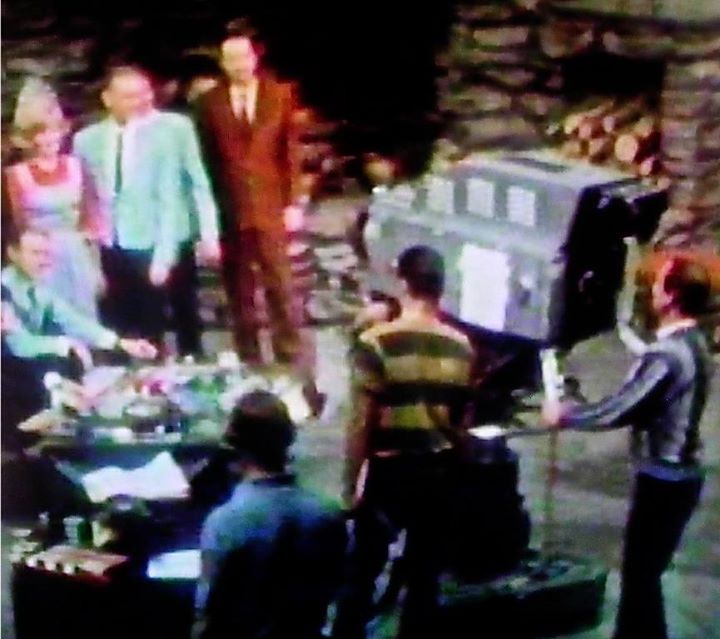
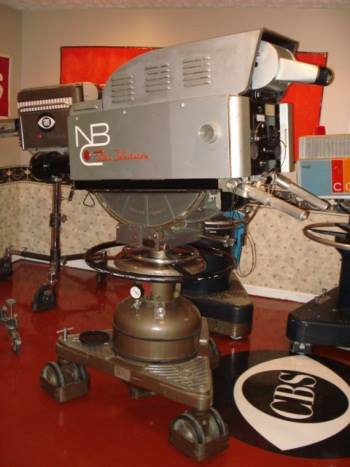
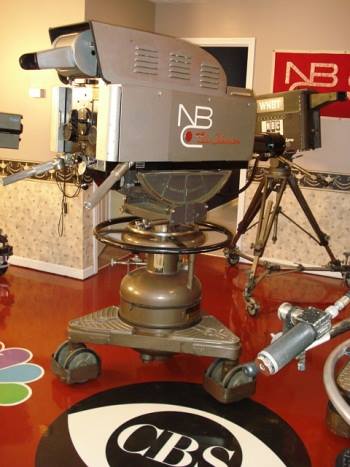
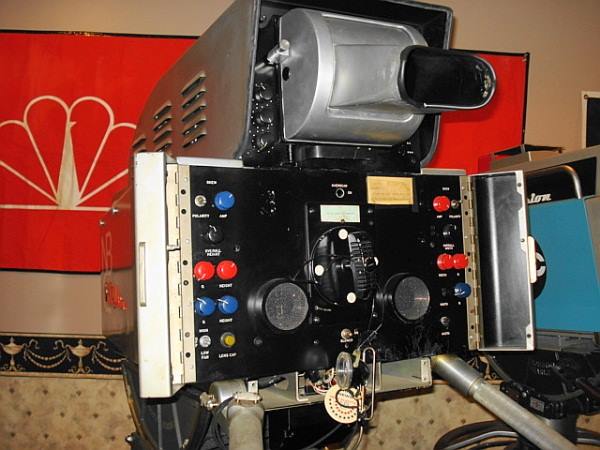
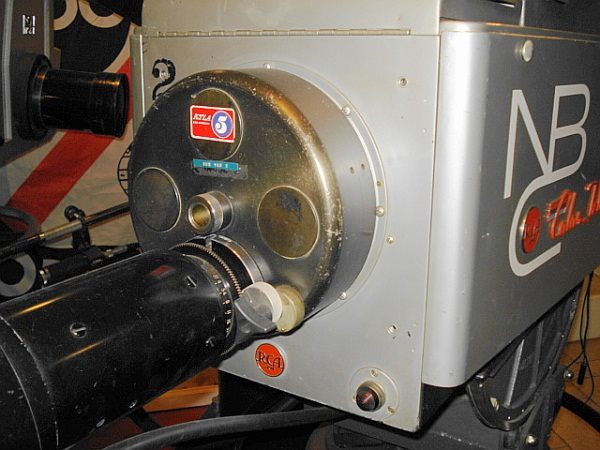
October 2006…My RCA TK41C Arrives From Los Angeles
Till yesterday, I never had a photo of Rosie at KTLA that I was sure was her…now I do. Rosie is a TK41C which has a different left side exhaust port than the RCA TK41As and Bs and was the only C model owned by KTLA. Thanks to Steve Dichter for sending this screen capture. With his help back in 2007, I was able to get the full history on Rosie and it’s quite interesting with all the details at this link.
https://eyesofageneration.com/camera-collection/rca-tk41c/
As you’ll see in the arrival pix, she did not have the NBC logo when she got to me, but in if you noticed in the Dean Martin photo spread from yesterday, not every NBC camera had a network logo. The snake logo that she wears now are the genuine article sent to me by my friend Jay Ballard, who spent many years at NBC taking care of cameras. Enjoy and share! -Bobby Ellerbee
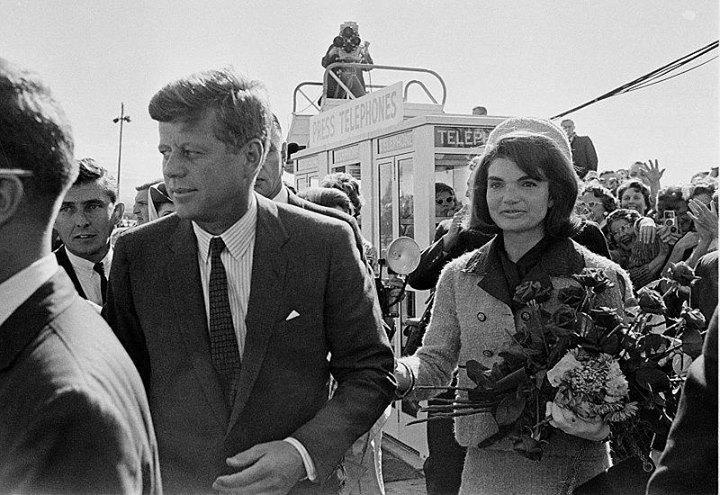
Directing JFK’s Arrival Back In Washington…November 22,1963
On November 23, 2014
- TV History, Viewseum
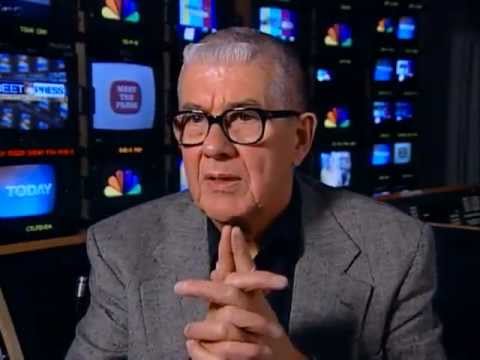
It is an honor for this site to have among it’s members, Max A. Schindler. Max not only directed ‘Meet The Press’ for over twenty years, but directed many special events for NBC including parts of the John and Robert Kennedy funerals and Martin Luther King’s “I Have A Dream” speech.
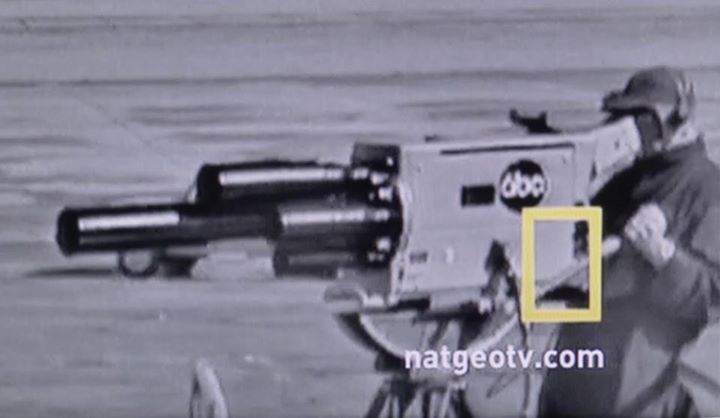
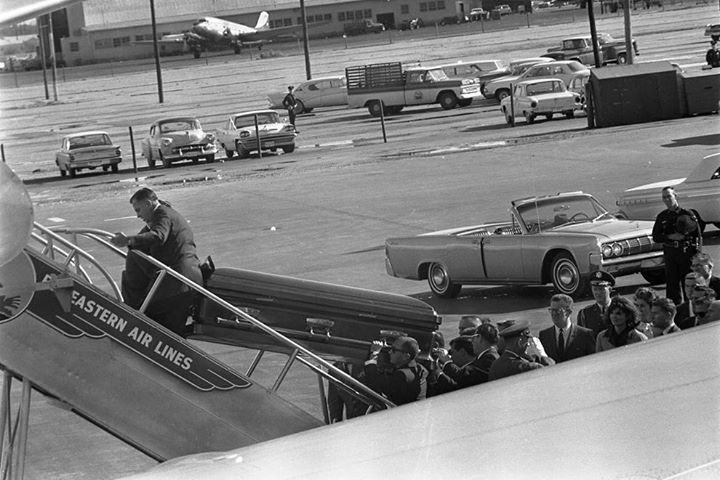
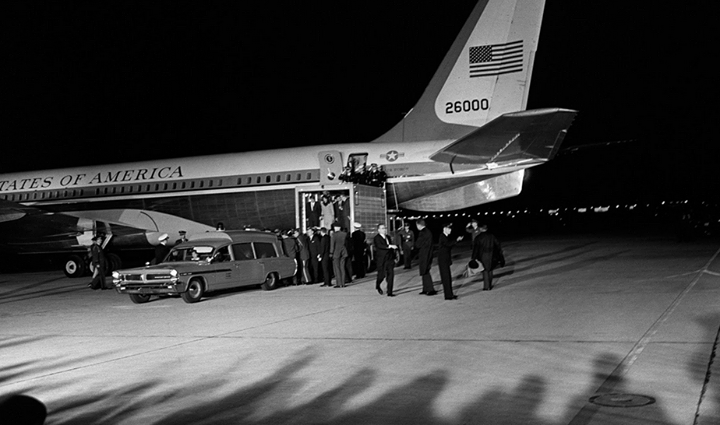
In the first part of this video (0:0 – 11:30) you will hear Mr. Schindler describe the events of November 22, 1963 as he tried to get to Andrews Air Force Base for the arrival. Only the two camera NBC truck had an AT&T connection, so CBS and ABC had to take his feed.
At 14:30 he talks about the MLK speech and at 19:19, about directing the RFK funeral with some very interesting details. At the link below is the NBC arrival coverage from Andrews. After President Kennedy’s casket was removed, President Johnson addressed the nation, but that is not included in this clip. Enjoy and share. -Bobby Ellerbee
http://www.youtube.com/watch?v=_23UyIuEzK4 Arrival video
November 22, 1963…Television Coverage, Assassination Day
On November 23, 2014
- TV History
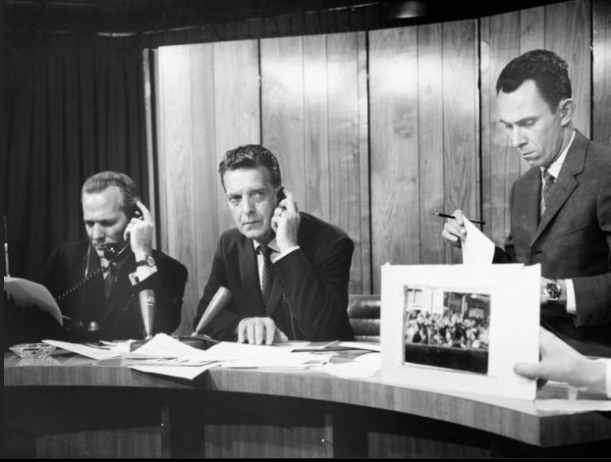
November 22, 1963…Television Coverage, Assassination Day
The only silver lining to one of our darkest days was the local media. The Dallas/Ft. Worth stations were well equipped and on the scene for a big day and were pooling coverage which would become invaluable over the next few days.
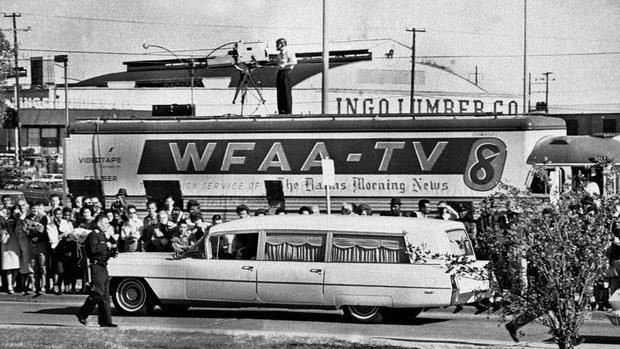
It started in Ft. Worth with a televised breakfast. Since WBAP (an NBC affiliate using RCA TK30s) was located there, they covered the event while WFAA (an ABC affiliate using Marconi Mark IVs) covered the arrival at Love Field. KRLD (the CBS affiliate with GE PE20s) was at the Dallas Trade Mart for the luncheon.
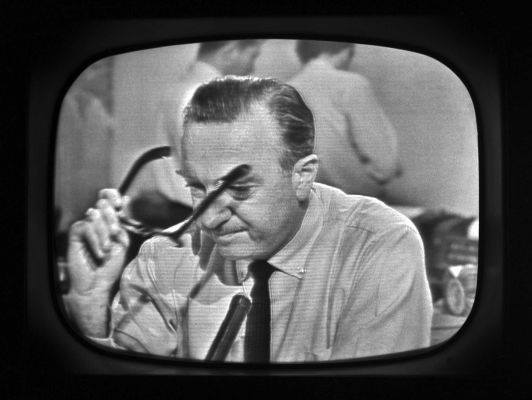
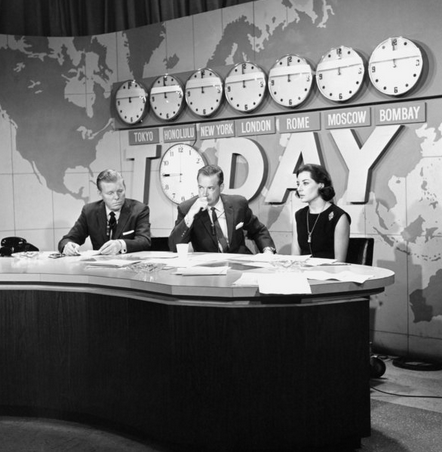
By 1:40 ET, the networks were involved. Walter Cronkite did a voice only bulletin over a slide at CBS. Less than an minute later, Don Pardo delivered a voice bulletin over a slide at NBC. Soon after, Cronkite was on the air live from the newsroom…the cameras had been taken out that morning for maintenance and were quickly rushed back into service, already warm, but not quite up to speed.
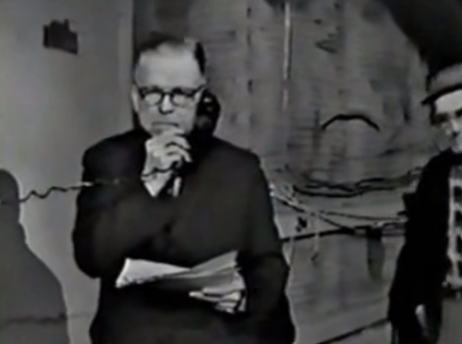
NBC went live from Studio 5HN, the headline news studio on the 5th floor with Frank McGee and Chet Huntley aided by Robert McNeil at Parkland hospital with live phone reports. McNeil had called on a line that was not a broadcast line and McGee had to relay his reports. NBC techs brought out a telephone mic, but there was too much feedback.
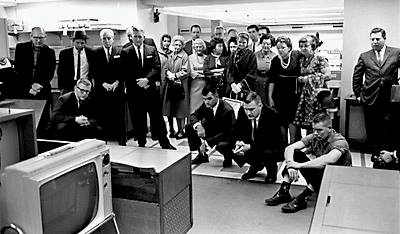
ABC was caught totally by surprise and news coverage there started with a radio newsman on camera with no set and a stage hand helping. After that first live phone report, Ron Cochran finally rushed in from lunch down the street and took over. All expect one of the these photos is from Friday, November 22. More on the photos. -Bobby Ellerbee
By The Way…Happy Thanksgiving Week!
On November 22, 2014
- TV History
By The Way…Happy Thanksgiving Week!
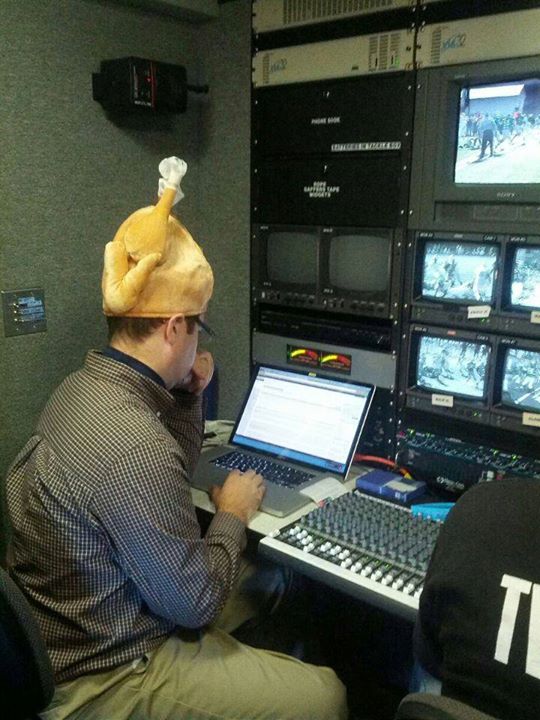
Some of you will be off, and some working overtime on parades and football, some doing news and some are in Neverland with Peter Pan, but where ever you are and what ever you are doing, enjoy the holiday! -Bobby Ellerbee
The Final Seconds Of Camelot…51 Years Ago Today, Dealey Plaza
On November 22, 2014
- TV History
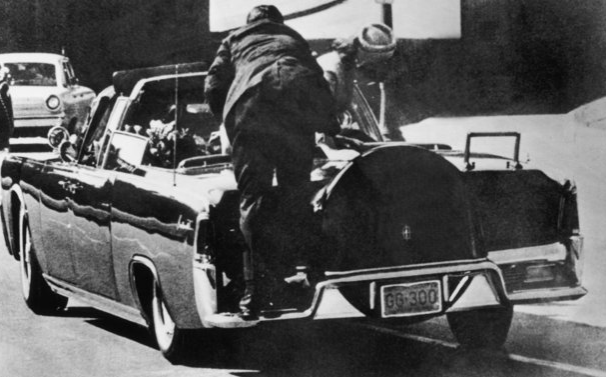
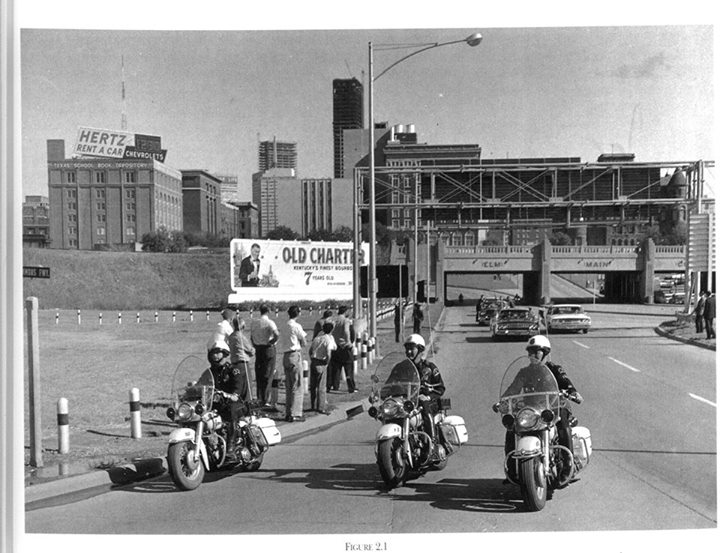
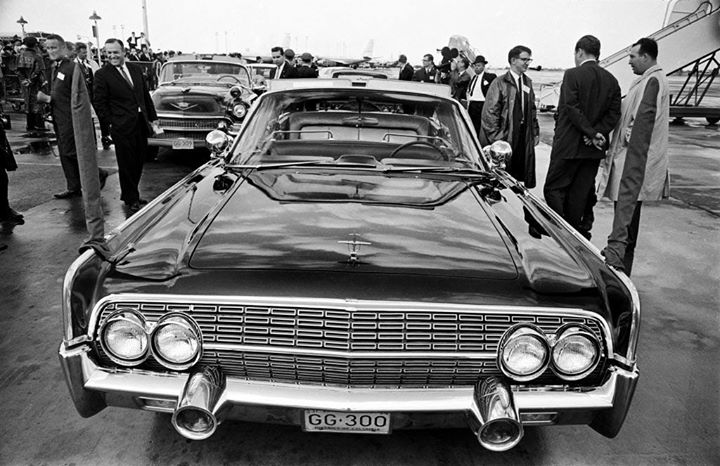
The Final Seconds Of Camelot…51 Years Ago Today, Dealey Plaza
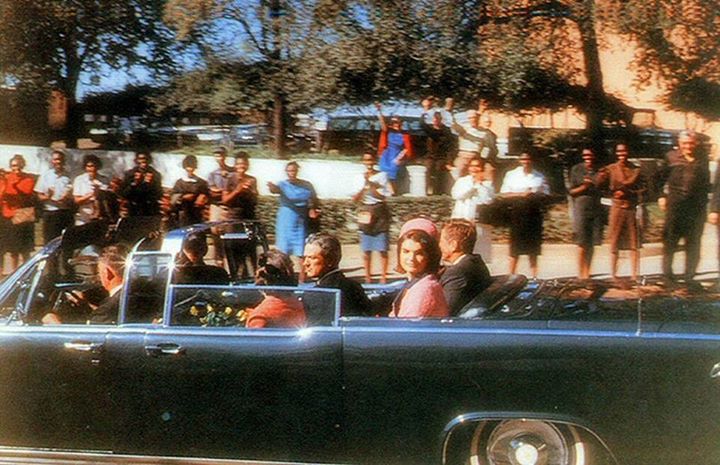
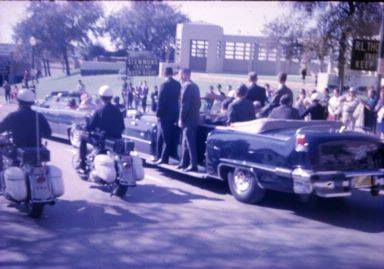
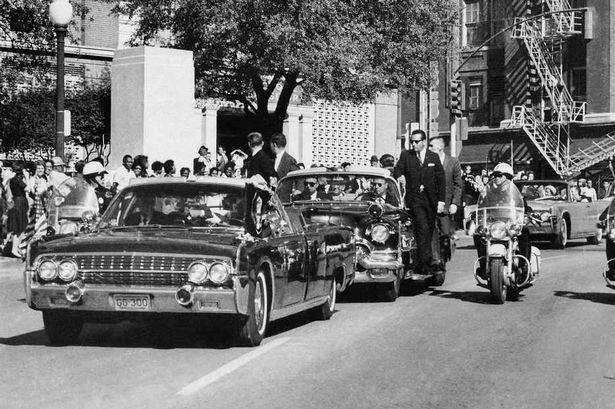
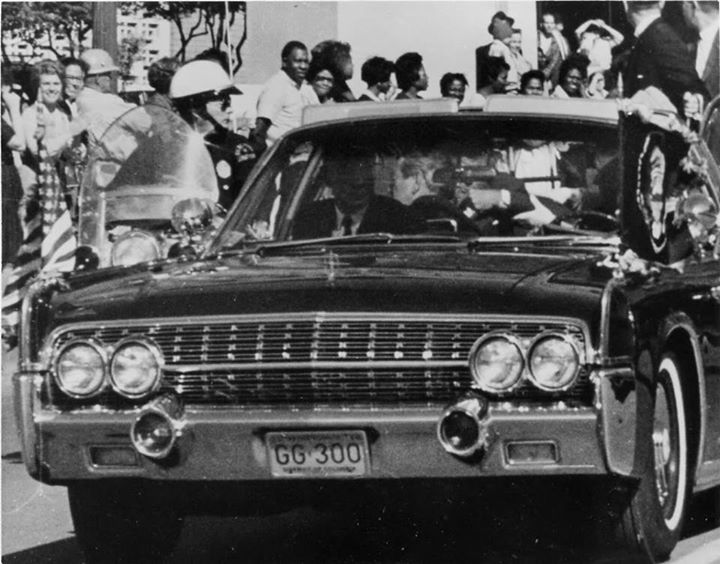
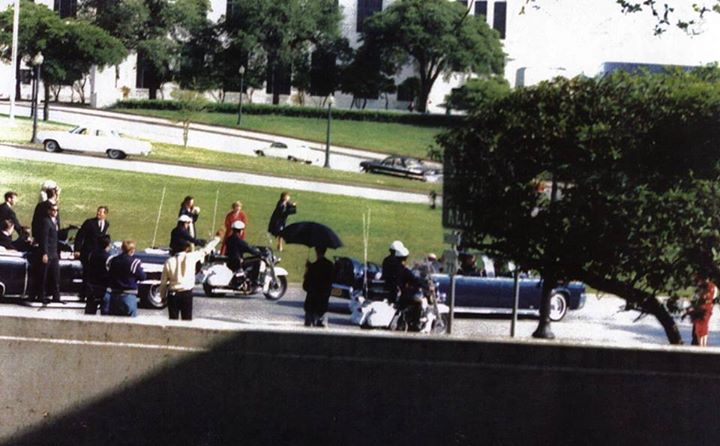
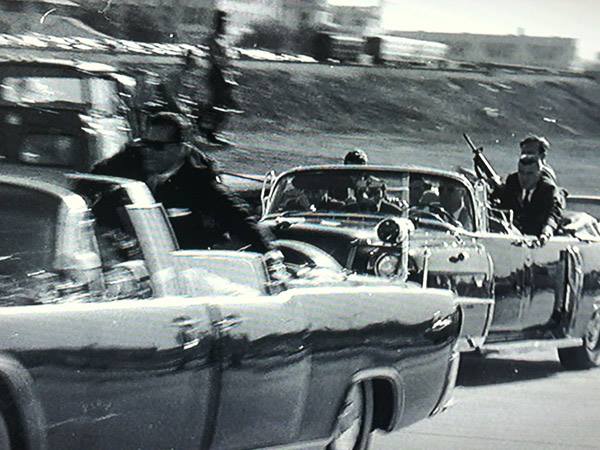
Today’s remembrance of the assassination of President Kennedy is marked here by some rare, not often seen photos from that day. The sequence of pictures begins with the motorcade’s turn onto Elm Street at Dealey Plaza. Except for the last one, all of these photos were taken between 12:30 and 12:31 PM CT that day. I’ll add a few notes to the photos that I hope you will share. -Bobby Ellerbee
Where were you that day we’ll never forget? Tomorrow, the television pictures.
‘The Dean Martin Show’, Behind The Scenes
On November 22, 2014
- TV History
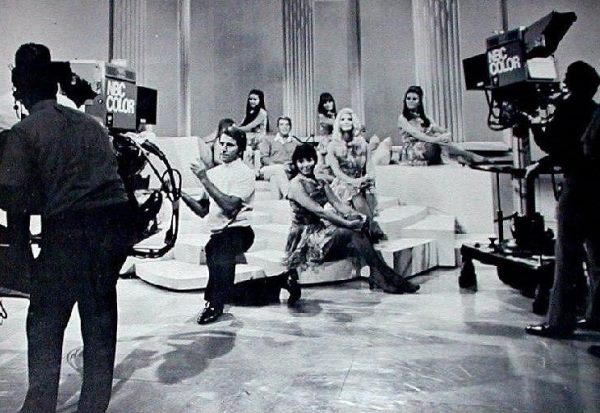
‘The Dean Martin Show’, Behind The Scenes
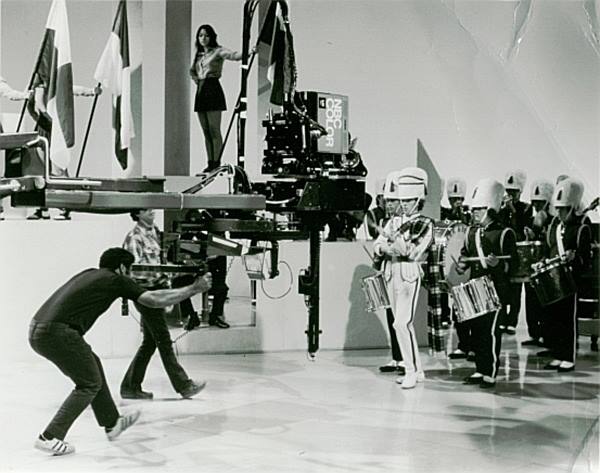
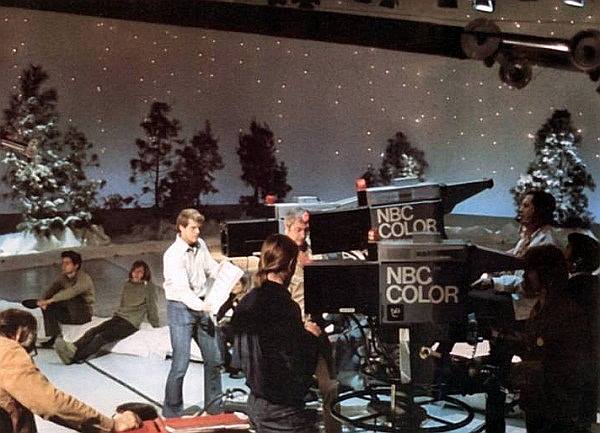
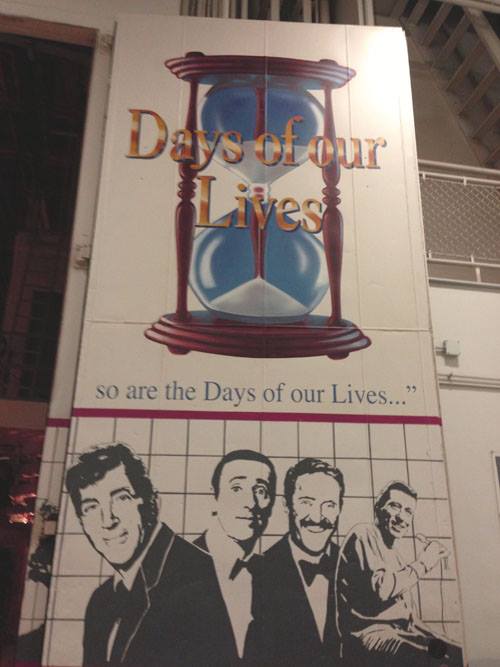
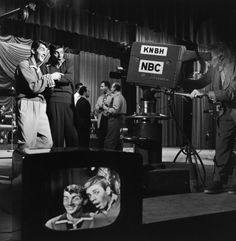
Long time NBC cameraman Russell Ross ask for this, so here you go Russell. Before we start, here’s a must see 3 minute video that perfectly captures the mood and style of the show. In it, Dean fakes his way through a song and dance with Loyd Bridges and Anna Moffo, and at the end, there’s an un-staged moment when Dean’s pants rip and he sheepishly walks out of the studio to change.
‘The Dean Martin Show’ ran from September 16, 1965 – April 5, 1974 and originated from Studio 4 at NBC Burbank. The show began with RCA TK41s, but the RCA TK44s came next. It was introduced in late 1968 and I think NBC bought a few, but the TK44B debuted in 1971 and that’s when NBC loaded up on these. Johnny Carson’s show brought the 44Bs into Studio 6B a year before the move to Burbank where some 44As were already in use, and more 44Bs were added in Burbank in ’71.
Unfortunately, there are not many photos of the show in production, but here are the ones I have.
By Request: A Look At NBC Burbank, Studio 1…1963
On November 21, 2014
- TV History
By Request: A Look At NBC Burbank, Studio 1…1963
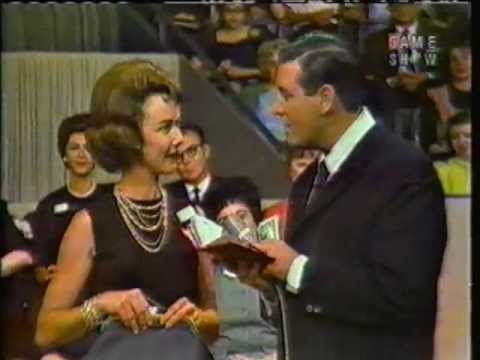
The first :45 seconds of this pilot for ‘Let’s Make A Deal’ gives us a nice wide angle shot Studio 1, which would later become Johnny Carson’s home. Notice the RCA TK41 still has three cables and is mounted on the old Houston Fearless TD 1 pedestal and it’s fitted with a Zoomar Studio lens. Thanks to Ed Mitchell for requesting this. Enjoy and share! -Bobby Ellerbee
https://www.youtube.com/watch?v=pvNXm_5kLmo
This 37 minute pilot, produced on May 25, 1963 with Monty Hall as host and Wendell Niles as announcer/sidekick, led to the premiere of Let’s Make a Deal on N…
Just For Fun…Can You Guess What Famous Star Is Wearing These?
On November 21, 2014
- TV History
Just For Fun…Can You Guess What Famous Star Is Wearing These?
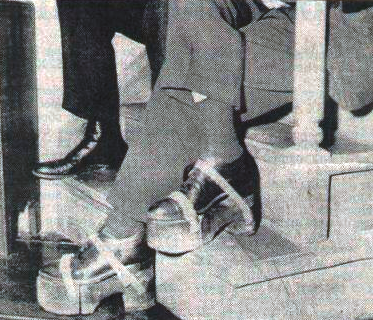
The actor in question had to wear these wooden lifts to get him to eye-level with his female co start while shooting a film that has become a classic, that we all know and love.
Here are some hints…he was 5′ 8″ and named America’s greatest actor by The American Film Institute. He was a wicked chess player, an avid reader, had a yacht named Santana and as a baby, appeared in a national advertising campaign for Mellin’s Baby Food. He once said ” The trouble with the world is that it’s always one drink behind”.
Jarbas Jam Mesquita was the first with the correct answer…Humphrey Bogart. He wore these while filming ‘Casablanca’ to get him eye level with Ingrid Bergman. Thanks to Gay Linvill for the picture. Enjoy, share and good luck! -Bobby Ellerbee
Behind The Scenes At The White House…
On November 21, 2014
- TV History
Behind The Scenes At The White House…
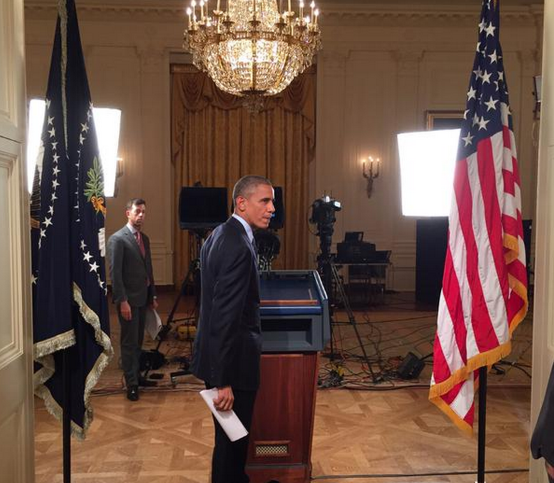
In case you were wondering what the live broadcast configuration of speeches delivered from the East Room look like these days, here’s your answer.
Just behind President Obama is the main head-on pool camera, and to the left of it is a backup camera, which is always provided in case there are technical problems with the main camera. I’m not sure what the camera to the right is for, but suspect it is there for archival purposes. You can barely see it, but there’s also a small camera directly below the main teleprompter, which is the camera for the webstream on the White House website. Thanks to CNN’s Andy Rose for the pix and details. Enjoy and share! -Bobby Ellerbee
November 21, 1980…Who Shot J. R.? The Big Reveal
On November 21, 2014
- TV History
November 21, 1980…Who Shot J. R.? The Big Reveal
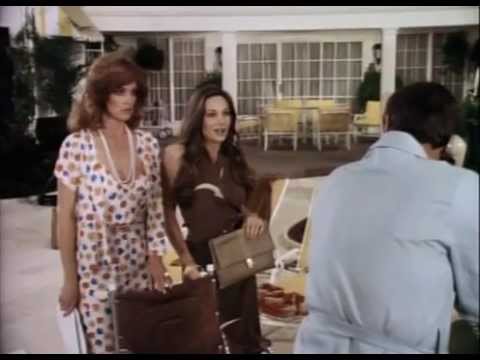
On this day in 1980, 83 million people tuned in to television’s popular primetime drama ‘Dallas’ to find out who shot J.R. Ewing, the character fans loved to hate. J.R. had been shot on the season-ending episode the previous March 21, which now stands as one of television’s most famous cliffhangers. The plot twist inspired widespread media coverage and left America wondering “Who shot J.R.?” for the next eight months. The November 21 episode solved the mystery, identifying Kristin Shepard, J.R.’s wife’s sister and his former mistress, as the culprit.
The CBS television network debuted the first five-episode pilot season of ‘Dallas’ in 1978; it went on to run for another 12 full-length seasons. The first show of its kind, “Dallas” was dubbed a “primetime soap opera” for its serial plots and dramatic tales of moral excess.
That summer, the question “Who Shot J.R.?” entered the national lexicon, becoming a popular t-shirt slogan, and heightening anticipation of the soap’s third season, which was to air in the fall. After a much-talked-about contract dispute with Larry Hagman was finally settled, the season was delayed because of a Screen Actors Guild strike, much to the dismay of fans. When it finally aired, the episode revealing J.R.’s shooter became one of television’s most watched shows, with an audience of 83 million people in the U.S. alone—a full 76 percent of all U.S. televisions on that night were tuned in—and helped put ‘Dallas’ into greater worldwide circulation. It also popularized the use of the cliffhanger by television writers.
The shooting of J.R. wasn’t “Dallas'” only notorious plot twist. In September 1986, fans learned that the entire previous season, in which main character Bobby Ewing had died, was merely a dream of Pam’s. The show’s writers had killed the Bobby character off because Duffy had decided to leave the show. When he agreed to return, they featured him stepping out of the shower on the season-ending cliffhanger, and then were forced the next season to explain his sudden reappearance.
The last premiere episode of ‘Dallas’ aired on May 3, 1991. A spin-off, ‘Knots Landing’, aired from December 27, 1979 until May 13, 1993. ‘Dallas’ remains in syndication around the world. Enjoy and share! -Bobby Ellerbee
http://www.youtube.com/watch?v=A_iwxkaKhnE
The reveal of Who Shot JR in US Soap/Drama Dallas. First Transmission : November 21st 1980 R.I.P Larry Hagman (1931-2012) Enjoy! Please comment, like and sub…
Don’t Look Now, But…
On November 20, 2014
- TV History
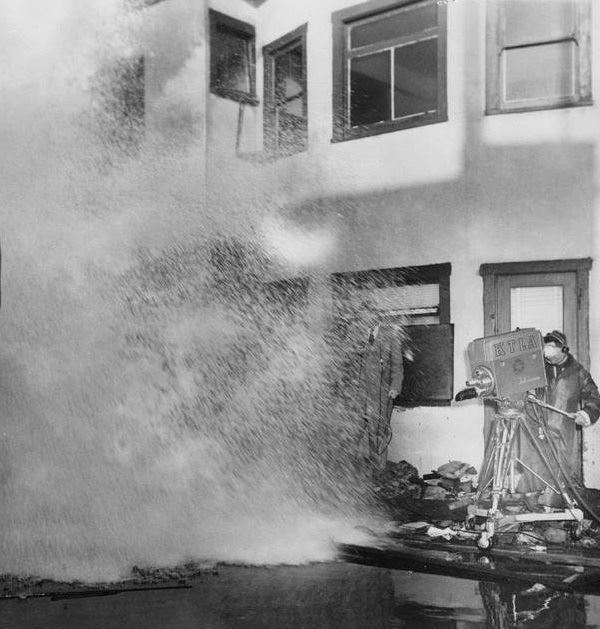
This was a January 1956 storm that hit the California coast with huge waves. The surfers may have loved it, but KTLA lost a camera covering the event…don’t know if it was this one or another, but this cameraman is about to get a big surprise. Thanks to David Zoning fro the pix. Enjoy and share! -Bobby Ellerbee
Remember Hullabaloo? January 12, 1965 – August 29, 1966, NBC
On November 20, 2014
- TV History
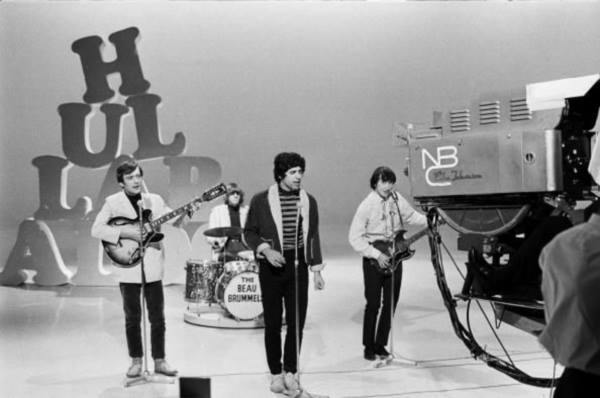
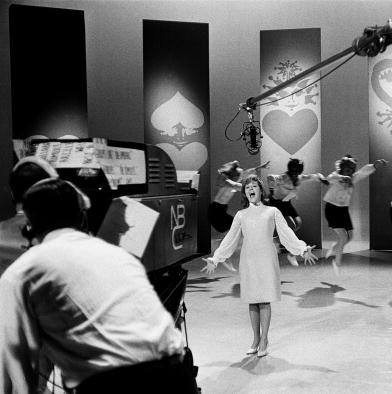
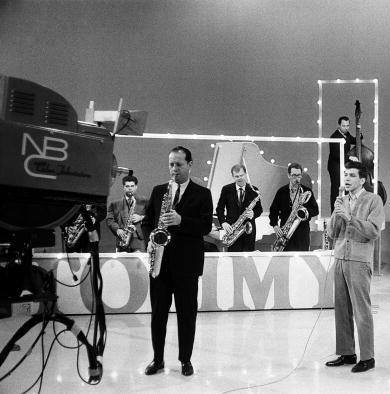
Remember Hullabaloo? January 12, 1965 – August 29, 1966, NBC
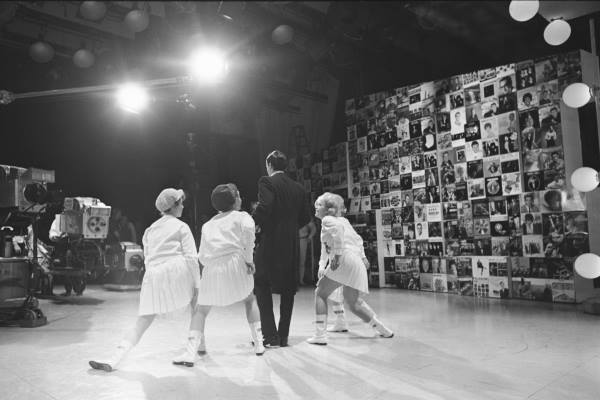
This was NBC’s answer to ABC’s ‘Shindig’, a half hour primetime music show for us teenagers. I remember both well, do you?
The show was taped in three different locations for some reason. It usually came from NBC Brooklyn, but Studio 8H also hosted some episodes. NBC Burbank also did some shows there, but I think there were less than a dozen from there.
The Early Days Of Audio Recording – Bing Crosby & Ampex, Part 1
On November 20, 2014
- Archives, TV History
Over the past couple of weeks, we’ve had a lot of exposure to magnetic recording, especially video. We’ve also learned just how deeply involved Bing Crosby and Ampex were in building the foundations of this media, so today, we are going to look at the beginning of audio tape and it’s use in radio with the help of a man who was there for it all…Robert R. Phillips.
Below is Part 1 of Mr. Philips first hand account of the problems and solutions Bing Crosby encountered when he decided to leave live radio and instead, record his shows. Enjoy and share! -Bobby Ellerbee
_____________________________________________________
Bing Crosby was one of the pioneers of the radio music show. Beginning in 1935 the “Kraft Music Hall” on the NBC Red Network was a standard. It was a quality live production that held a high position in the ratings over the years. However, the summer of 1945 was a turning point in this standard. Bing decided that doing a live show every week was too demanding, and it did not permit him to pursue his other interests and to be with his family. During one period the show had to be done live twice, once for the east coast and once for the west coast, which also added to the work load. It also was confining, since it all had to be done within a certain regime that took away Bing’s casual side. The adlibs and jokes had to be done according to the script; there was no editing to remove mistakes.
The Bing Crosby show was aired on the elite Red Network of NBC that would not permit recorded shows; they had to be live broadcasts. So, the 1945 – 1946 “Kraft Music Hall” program began without Bing because of the dispute. The show went on, and NBC and Kraft sued him for not appearing. He returned to finish the season beginning with the 7 February 1946 program, but that was the end of Bing on the NBC Red Network. This time Bing had set his mind to having a prerecorded production. However, his current Bing Crosby Productions organization headed by his brother Everett did not have the talent to establish a prerecorded show operation and the technical support it needed. In December of 1945 Bing hired Basil Grillo to help him with this task and improve the operation of Bing Crosby Productions.
In 1941 the US Government broke up the NBC empire and made it sell its Blue Network. NBC had its sophisticated programs on the Red Network and the other features like jazz on the Blue Network. In July 1943 NBC announced the sale of its Blue network, but it took several years for ABC to develop its own programs. They shared the NBC facilities at Sunset and Vine in Hollywood until at least 1948. After the breakup ABC needed programs with high ratings and the upcoming 1946 – 1947 season was no exception. They told Bing that if he joined ABC he could record his show but the quality had to be equal to the live broadcast. It was to be a 30 minute show known as the “Philco Radio Time” program.
A number of events happened during January 1946 before Bing accepted the ABC offer. Bing Crosby Enterprises was reorganized, and a division of it was dedicated to the production of the prerecorded radio show. It included a person, Francis (Frank) Healey, to supervise the technical parts of the production. Prior to this Bing did not have his own technical staff, since the NBC engineers provided that support. By the end of January 1946, Bing had settled with NBC and was well on the way to having his own prerecorded show on ABC.
The new 1946 – 1947 “Philco Radio Time” program began with Bing Crosby recording his show on transcription disks using the NBC recording facilities assigned to ABC and supervised by Frank Healey. However, all was not well with this new production. The recordings on the disks lacked the quality of the live show and the editing process was difficult. The show was done as a live production, but with additional recorded material that could be used if there was a problem. While it took two disks (15 minutes each) for the thirty minute show, the recordings were edited before the show was played at the appointed time on the ABC network.
The prerecorded show permitted changes to be made if Bing or his staff did not like something in the show. The sponsor also was known to require changes that could not be done with a live show. The editing process was difficult, since it required recording from one disk to another several times. At least two or three playback units were required to permit the different parts to be merged on to a new recording disk, and with each copy the sound quality dropped. At times this process took over forty disks and many days to complete the edit. The result was the recorded show was less than desirable, and the radio audience noticed the difference. The ratings dropped, and ABC began to question if they should not return to the live broadcast.
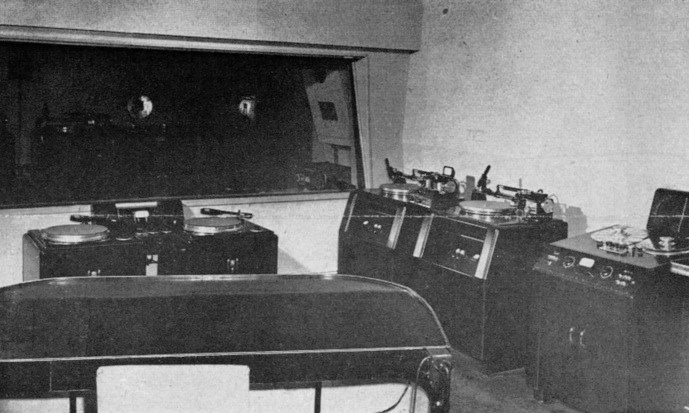
Below is a photo of how the early audio set up looked with a multitude of turntables and a singe Ampex 200 recorder.
Page 47 of 135
« Previous
1
2
3
4
5
6
7
8
9
10
11
12
13
14
15
16
17
18
19
20
21
22
23
24
25
26
27
28
29
30
31
32
33
34
35
36
37
38
39
40
41
42
43
44
45
46
47
48
49
50
51
52
53
54
55
56
57
58
59
60
61
62
63
64
65
66
67
68
69
70
71
72
73
74
75
76
77
78
79
80
81
82
83
84
85
86
87
88
89
90
91
92
93
94
95
96
97
98
99
100
101
102
103
104
105
106
107
108
109
110
111
112
113
114
115
116
117
118
119
120
121
122
123
124
125
126
127
128
129
130
131
132
133
134
135
Next »